

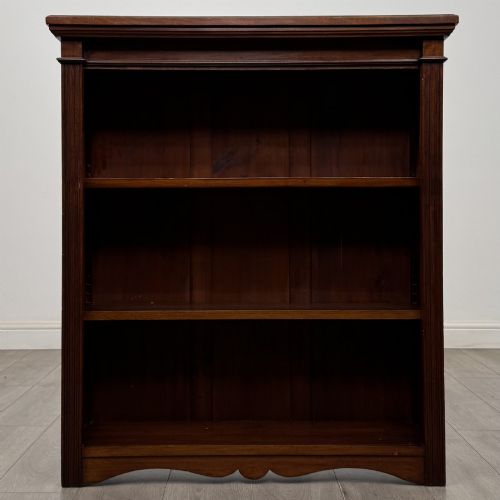
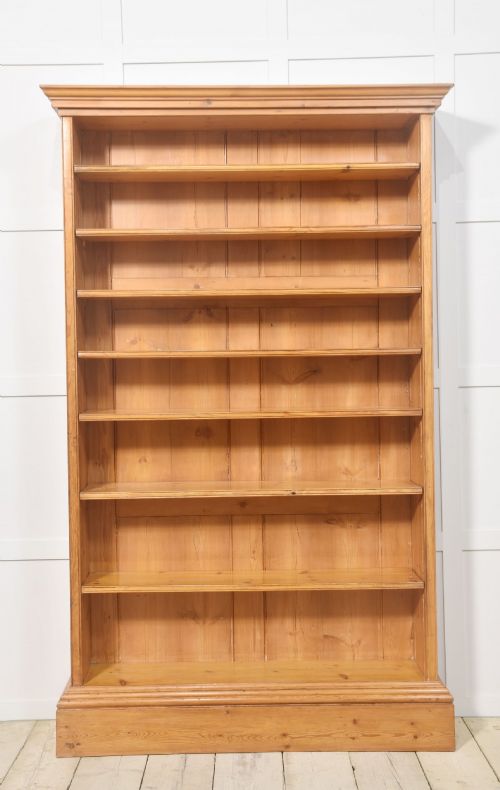
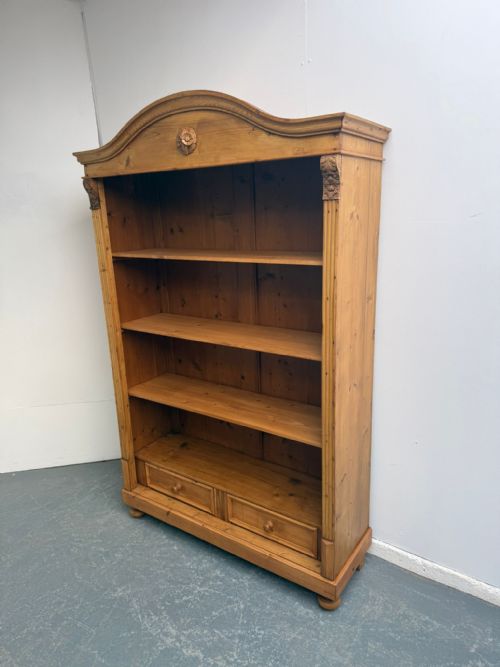


Victorian Country Bookshelf
These Victorian country bookshelf pieces bring honest utility and warmth to a room, offering sturdy timber storage shaped by regional workshops.
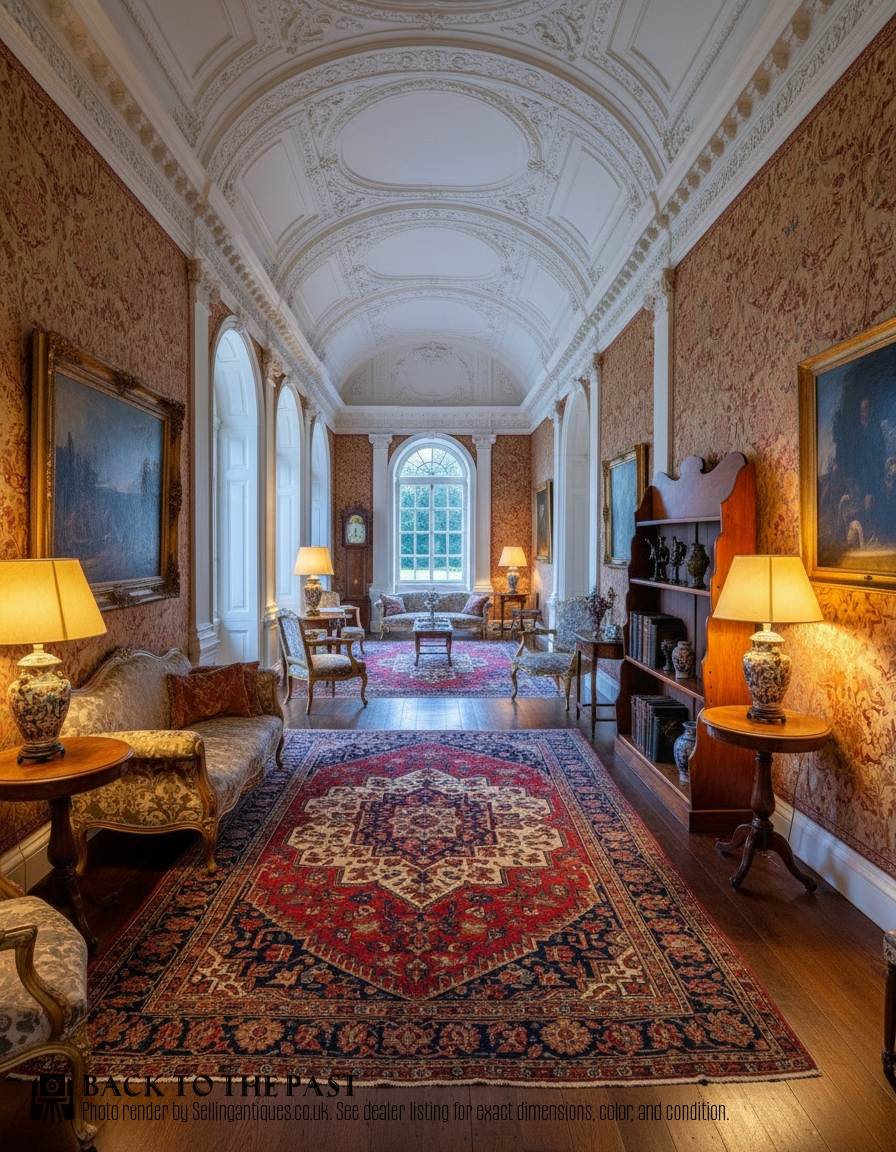
Victorian Country Bookshelf
A Victorian country bookshelf provides practical open storage for volumes and papers, taking the form of low open bookcases, wall shelves, and corner display stands. These items emerge from nineteenth-century contexts, carrying the straightforward design language of rural houses rather than urban drawing rooms.
The pieces on this page appear most frequently in pine, deal wood, elm, and oak, often shaped as simple open frontages or waterfall arrangements. Buyers meet items spanning from the nineteenth century into the early decades of the twentieth century, reflecting domestic needs in English country houses.
Makers utilised local timbers for utility, resulting in pieces that range from unpretentious deal storage to carved oak and walnut furniture. This selection covers both small scaled rustic items and larger room dividers designed for substantial libraries.
Materials and construction
Workshops constructed these bookcases primarily from solid domestic timbers such as pine, deal wood, elm, and oak, occasionally selecting mahogany for specific elements. Carpenters joined boards using traditional housing and mechanical fasteners suited to everyday domestic furniture.
Surfaces received wax treatments, painted finishes, or natural oiling to protect the timber against heavy use in rural settings. Carved details and turned components, such as bobbin turnings, added decoration to otherwise utilitarian forms.
Victorian Country Bookshelf Retail Price Guide 2026
Typical asking prices for victorian country bookshelf among the pieces listed under this phrase on Sellingantiques today, from the lower quarter to the upper quarter. They describe what is for sale here now, not the wider market.
Some past carpenters added bobbin turnings just to make a humble pine shelf look like it had attended Sunday church.
Distinctions in quality
Quality rests upon the choice of timber and the integrity of the original construction, distinguishing robust architectural joinery from hasty utilitarian building. Better examples display careful selection of grain in woods like oak, elm, or walnut, alongside balanced proportions.
The presence of original painted surfaces, period wax patination, and functional adjustable shelving elevates a piece above standard utility items. Subtle decorative elements, such as skilled carving or turned supports, separate standard village joinery from finer country house commissions.
The Victorian Country Bookshelf Glossary
- Waterfall bookcase
- A set of open shelves that steps back progressively from bottom to top, creating a cascading profile. This form appeared frequently in nineteenth-century interiors for displaying smaller volumes.
- Deal wood
- A softwood timber derived from pine or fir trees, commonly utilised in utilitarian country furniture throughout the nineteenth century. It provides a pale, workable surface that often receives paint or wax.
- Whatnot
- A piece of freestanding furniture composed of multiple open tiers supported by slender uprights, designed for displaying ornaments or books. Corner versions make efficient use of domestic space.
- Bobbin shelves
- Shelving units featuring turned wooden elements shaped like spools or bobbins along the uprights or supports. This decorative technique appeared on nineteenth-century pieces to introduce texture.
Victorian Country Bookshelf: Frequently Asked Questions
What defines a country bookcase?
A country bookcase relies on sturdy domestic timbers like pine, deal, or elm, constructed for everyday utility rather than formal display. These pieces prioritise open storage and straightforward lines typical of regional workshops.
They lack the elaborate veneers and classical ornamentation found in metropolitan urban furniture, leaning instead on honest construction and practical proportions.
How are these bookcases best used at home?
These open shelves suit studies, living rooms, and kitchens for holding books, ceramics, and daily items within easy reach. Their modest depth allows them to fit into alcoves and narrower spaces.
Placing them away from direct heat sources helps protect older timber and wax finishes from drying out over time.
Are these shelves adjustable?
Certain nineteenth-century examples incorporate adjustable shelf mechanisms using wooden supports or pegged brackets. This feature allowed households to alter shelf heights for varying book sizes.
Many simpler rustic pieces feature fixed shelves secured permanently during original construction.
How do I distinguish pine from deal wood?
Pine and deal wood both originate from coniferous trees, with deal traditionally referring to sawn softwood timber planks used in British joinery. Both materials share a pale appearance and take wax or paint readily.
Distinctions depend on the specific growth rings and regional terminology employed by nineteenth-century carpenters.