
Victorian Country Art
These pieces of victorian country art capture rural life through paintings, furniture and pottery made to furnish homes away from the city.
Victorian Country Art
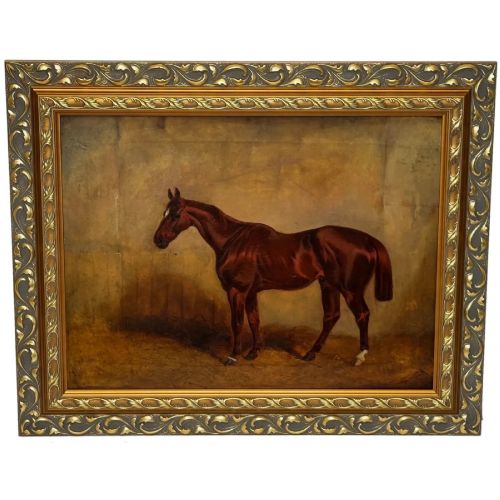
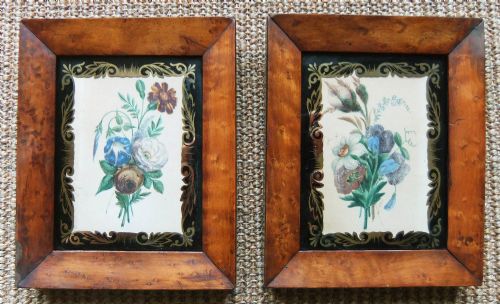
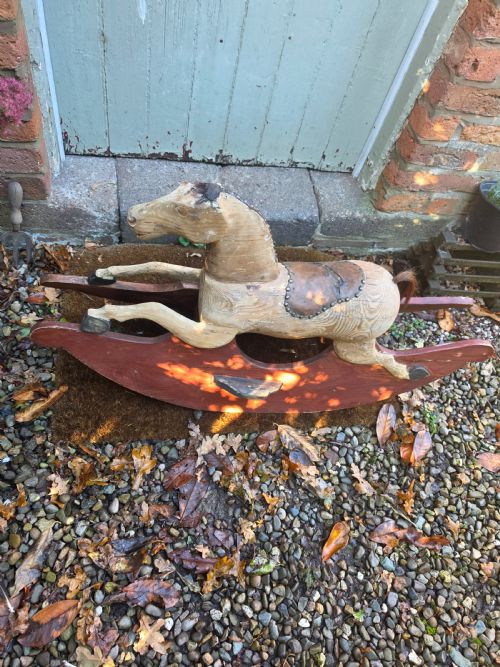
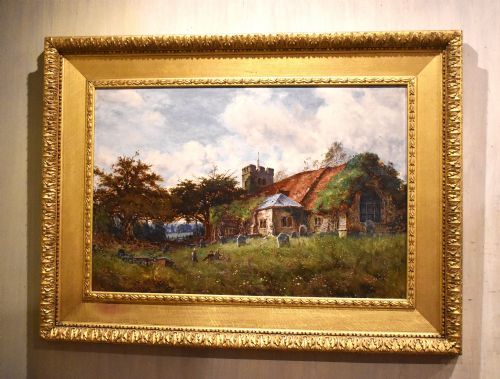
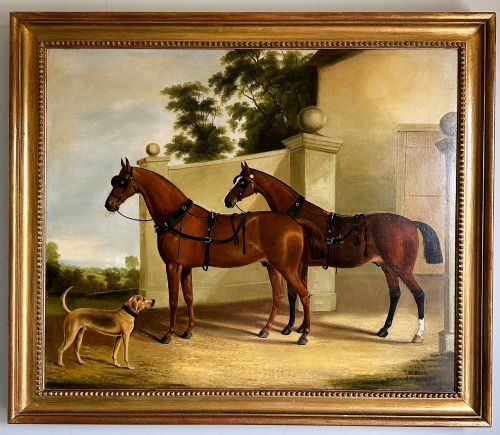
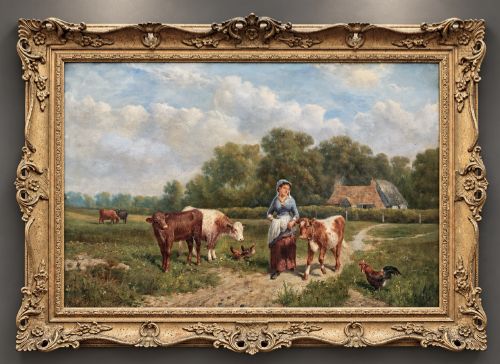
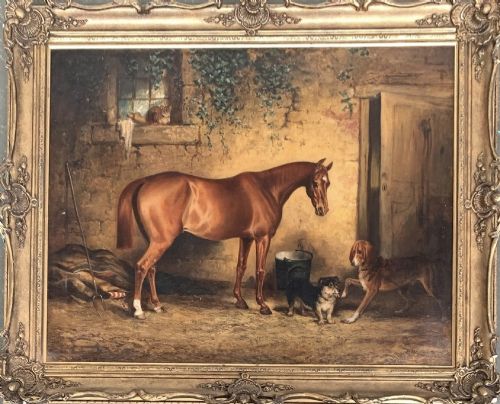
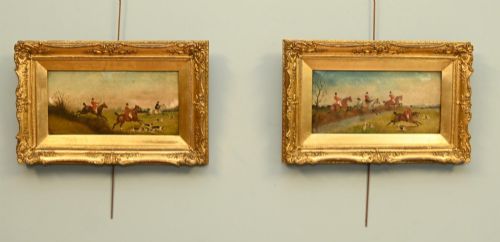
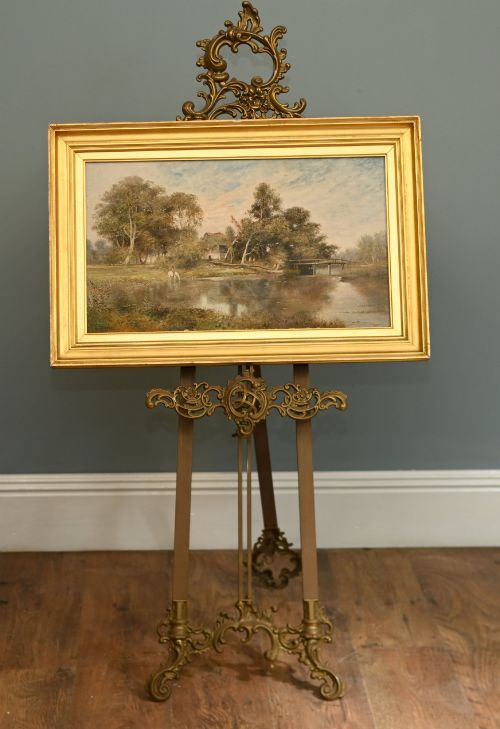
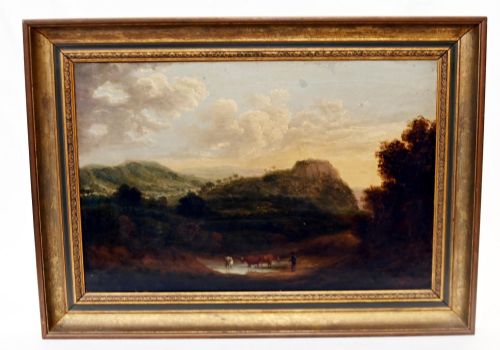
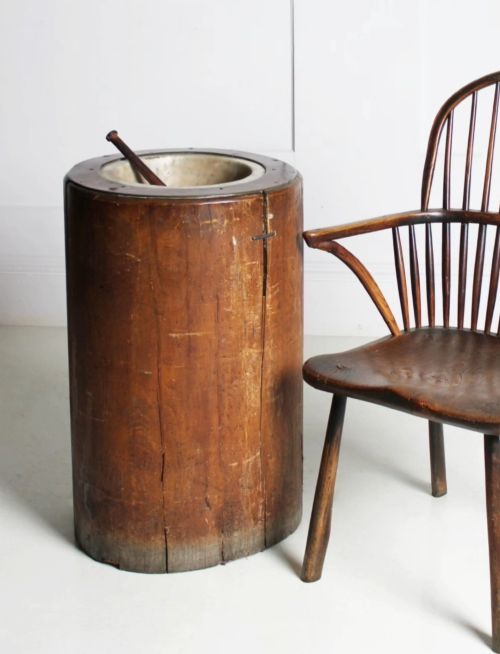
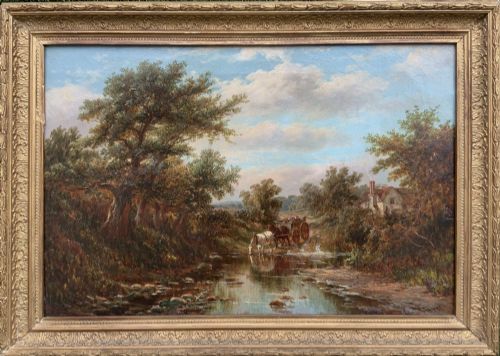
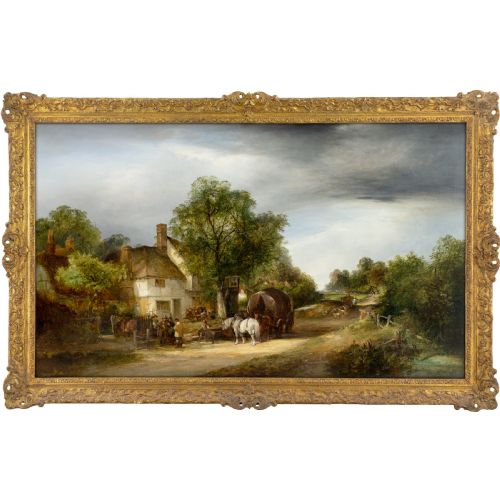
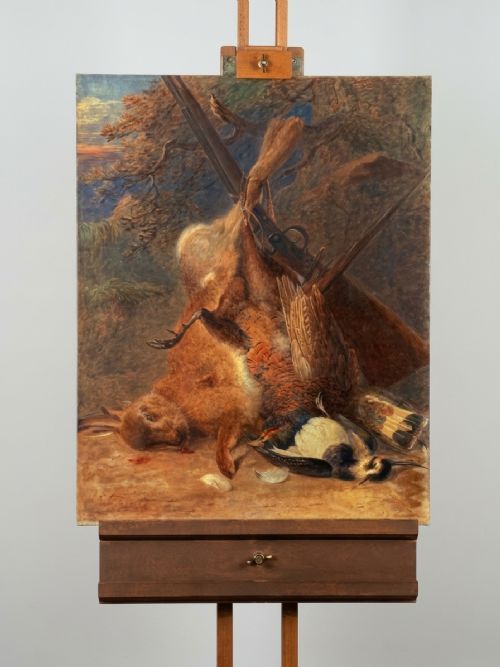
When buyers search for victorian country art, they encounter a diverse assembly of oil paintings, watercolours, etchings and lithographs depicting rural landscapes, agricultural animals, domestic interiors and cottage scenes. Alongside these works on canvas and paper, the category encompasses utilitarian items like elm and beech Windsor chairs, pine furniture, ceramic dairy bowls and tramp art mirrors that reflect domestic craftsmanship.
The objects stem predominantly from the nineteenth century, spanning decades from eighteen sixty to nineteen ten, with styles ranging from Victorian realism and British impressionism to folk art and arts and crafts design. Buyers are most likely to meet framed oil paintings of livestock, sporting dogs and farm labourers, as well as sturdy wooden seating designed for domestic and studio use.
Materials and construction
Makers utilised traditional mediums such as oil on canvas, watercolour and ink on paper, often housed within gilt wood frames adorned with gesso. Canvases and wooden boards received layered pigments applied by brush, while watercolours captured lighter atmospheric effects on paper.
Wooden items relied on native timbers including elm, beech and pine, shaped into Windsor chairs and storage furniture using joinery techniques appropriate to rural workshops. Pottery vessels utilised local clays finished with slipware glazes, while decorative pieces incorporated glass and carved cork.
Cork tramp art mirrors offer a wonderfully resourceful glimpse into nineteenth-century domestic crafting.
Evaluating quality
Quality rests in the fidelity of execution, particularly in how accurately an artist renders anatomy in animals or light in landscape watercolours. Works by named painters demonstrate superior draughtsmanship and compositional depth compared to anonymous or primitive examples.
In furniture and pottery, construction integrity and surface preservation determine distinction. Original painted finishes on pine chests or well-turned spindles on elm armchairs elevate the standing of functional pieces.
Philip Clissett·Seaton Pottery·Thomas Sidney Cooper·Edgar Hunt
The Victorian Country Art Glossary
- Slipware
- Pottery decorated with a liquid clay mixture applied before firing. This technique creates contrasting patterns on utilitarian bowls and vessels.
- Gesso
- A plaster mixture applied to wooden frames before gilding. It provides a smooth base for gold leaf application.
- Windsor chair
- A wooden seat constructed with a solid shaped wooden saddle, inserted legs and a back formed of vertical spindles. These chairs typify nineteenth-century domestic seating.
- Lithograph
- A print produced from a flat stone or metal plate treated to retain ink. It allowed affordable reproduction of visual imagery during the period.
Victorian Country Art: Frequently Asked Questions
What subjects appear in these paintings?
Canvases and watercolours focus heavily on agricultural scenes, farm animals including cattle, sheep and horses, and sporting dogs with game. Domestic interiors, blacksmith shops and cottage landscapes also form a significant portion of the visual record.
Artists documented rural working life and rural topography across Britain, capturing everyday scenes of farmhands, milkmaids and village architecture during the Victorian era.
How do I identify wooden furniture periods?
Dating relies on timber selection, joinery methods and the presence of original finishes or painted surfaces. Nineteenth-century pieces frequently employ native hardwoods like elm and beech in chair construction.
Examining tool marks and structural wear helps distinguish nineteenth-century workshop production from later reproductions. Secondary woods used in drawer construction provide further clues to origin.
Where were these ceramic bowls used?
Pottery bowls served practical functions in dairies and farmhouses for processing milk and preparing food. Utilitarian earthenware handled daily domestic chores before the widespread adoption of modern kitchenware.
Regional potteries produced these heavy vessels to withstand rigorous everyday use in rural households.
How do I display framed watercolours?
Watercolours and works on paper require careful placement away from direct sunlight to prevent fading of pigments and paper discolouration. Glazing protects the delicate medium from atmospheric moisture and dust accumulation.
Pairing historical frames with appropriate wall lighting enhances the visual impact of nineteenth-century landscapes and genre scenes.