



Victorian Cottage Landscape Painting
When you search for a victorian cottage landscape painting, you encounter pastoral scenes rendered in oil and watercolour that capture rural life.
Victorian Cottage Landscape Painting
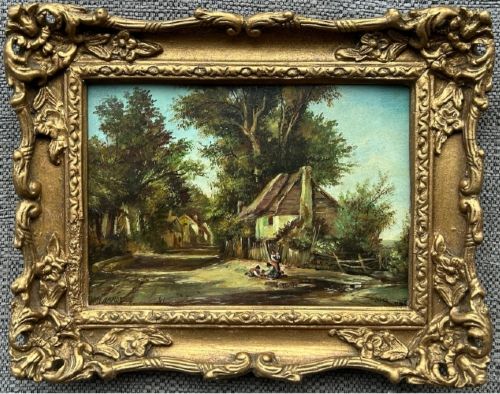
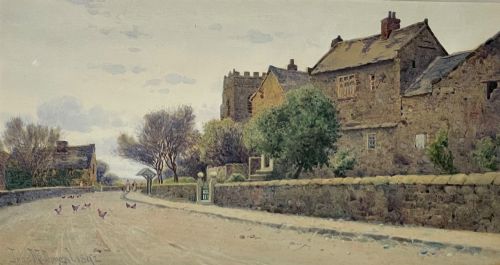
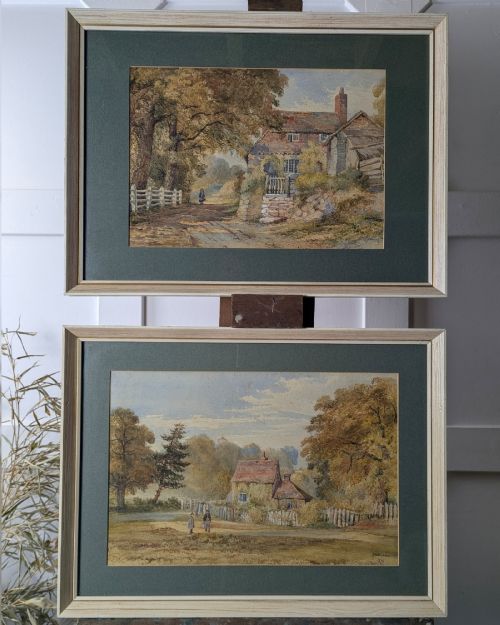
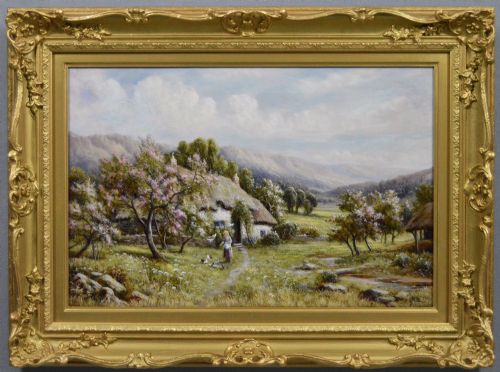
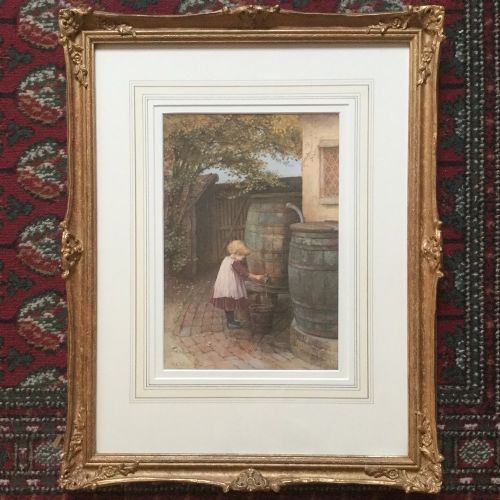
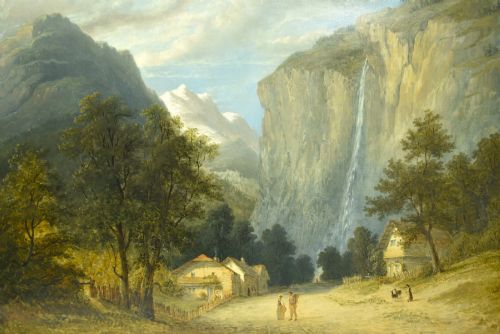
A victorian cottage landscape painting depicts rural homes, farmsteads, and village life across the British countryside during the nineteenth and early twentieth centuries. These works frequently place domestic dwellings alongside streams, figures, and agricultural animals within pastoral settings.
The pieces on this page span several decades of production, incorporating styles such as Victorian Pastoral, British Impressionism, and English Country. Many originate from named artists working in mediums ranging from oil on canvas to delicate paper watercolours set within gilt wood frames.
How They Were Made
Artists built these compositions utilising oil paint applied to canvas, panel, or board, creating rich layers of pigment. Alternatively, many works employ watercolour pigment on paper, capturing lighter atmospheric effects.
Finished paintings typically found placement behind protective glass within decorative wooden and gilt wood frames. These frames completed the presentation and preserved the paper or canvas from environmental wear.
Geese, ducks, and tethered ponies frequently wander into these cottage gardens, supervising the daily chores of Victorian villagers.
What Varies in Quality
The execution of detail within the central figures, foliage, and architectural elements distinguishes individual works. Finer examples display confident brushwork and a balanced handling of natural light that brings depth to the pastoral scene.
Materials also contribute to the distinction, as heavier oil on canvas works differ from delicate watercolours on paper. The preservation of the original gilt wood frame adds historical integrity to the piece.
William Howard Hardy·John McDougal·Robert A. Nottingham·Robert John Hammond·Charles Edward Wilson·John Horace Hooper·J S Ainley·James Hardy Junior·Frederick James Knowles·Charles Vickers·Robert Finley McIntyre·Helena Maguire·Linnie Watt·Harry Sylvester Stannard·Henry Charles Fox·Will Anderson·Robert Hollands Walker·John Falconar Slater·Abraham Hulk Junior·David Woodlock·Harry Pennell·Joseph Kirkpatrick·Ernest Walbourn·George Cole·J.V.R. Parsons
The Victorian Cottage Landscape Painting Glossary
- Watercolour pigment
- Ground colour mixed with a water-soluble binder, applied to paper to create translucent washes. It allows artists to achieve soft atmospheric effects in rural scenes.
- Oil on canvas
- Pigment mixed with drying oils applied to a woven fabric support. This medium permits rich textures and extensive working time.
- Gilt wood
- Timber frames treated with a thin layer of gold leaf or metallic gilt finish. They provide traditional ornamentation around nineteenth-century paintings.
- Panel
- A flat wooden board used as a rigid support for oil paintings before canvas became universal. Artists selected stable hardwoods for these foundations.
Victorian Cottage Landscape Painting: Frequently Asked Questions
What periods do these paintings come from?
The listings encompass works created across the nineteenth and early twentieth centuries, spanning the Victorian and Edwardian eras. Artists active during these decades produced numerous pastoral scenes depicting rural cottages and village life.
Dates associated with these pieces range from the mid-nineteenth century through to the 1920s. This broad span reflects shifting artistic approaches to British landscape painting over time.
What mediums were used for these artworks?
Makers utilised oil paint applied to canvas, panel, or board for heavier, textured compositions. Watercolour pigment on paper was equally common for lighter, atmospheric rural views.
Works on paper are typically protected beneath glass within decorative frames. Oil paintings on canvas often retain their original gilt wood surrounds.
How were these paintings originally displayed?
Victorian and Edwardian households hung these landscape paintings within domestic living spaces to bring views of the countryside indoors. They served as decorative focal points on parlour walls.
Framing played an essential role in their presentation, utilising ornate gilt wood to complement the domestic subject matter. Many works retain these original surrounds.
How do I identify a watercolour from an oil painting?
Watercolours are created with water-soluble pigments on paper and require glass protection within the frame. They present a translucent quality that highlights the texture of the underlying paper.
Oil paintings utilise pigmented oils on canvas or wood panels, presenting thicker brushwork and a more opaque surface. These do not require glass protection.