

Victorian Corner Furniture
Victorian corner furniture brings ingenious space-saving design and rich timber tones into domestic rooms.
Victorian Corner Furniture
Victorian corner furniture encompasses practical corner cabinets, tiered whatnots, shelving units, and specialised seating designed to utilise neglected room angles. These pieces originate from the nineteenth century, spanning various decades of the Victorian era.
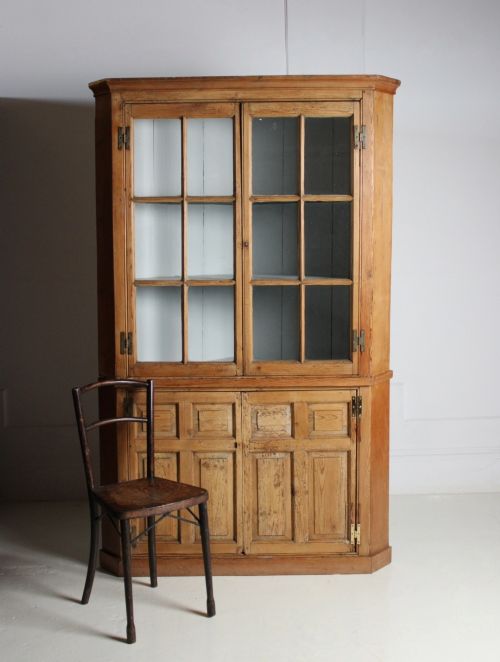
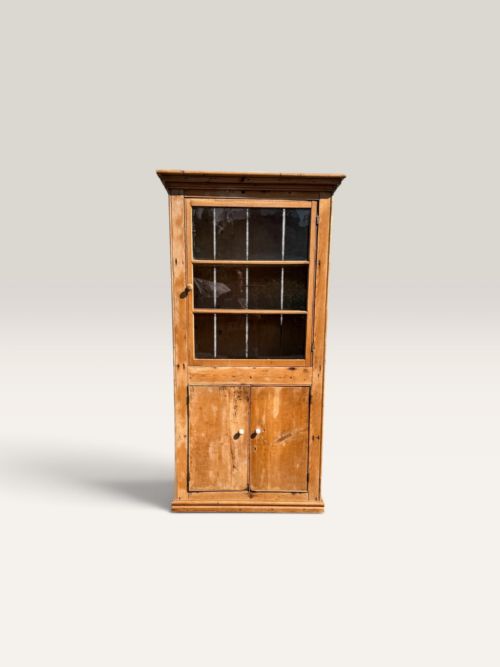
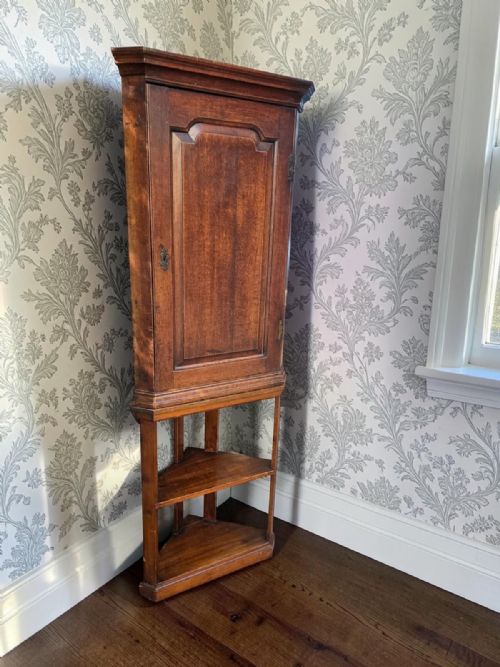
Buyers encounter corner cupboards in mahogany and walnut alongside multi-tiered whatnots and occasional seating. The selection ranges from inlaid display pieces to robust oak and pine iterations tailored for period interiors.
Materials and Technique
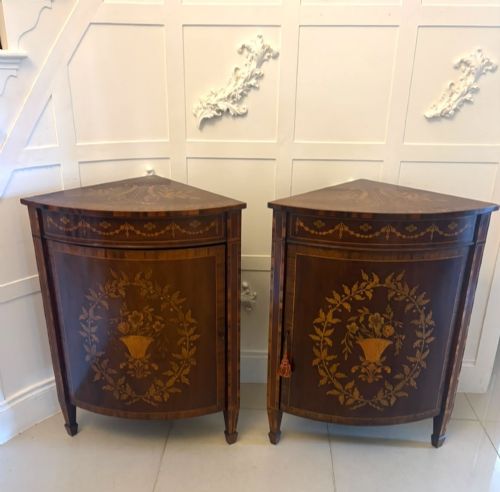
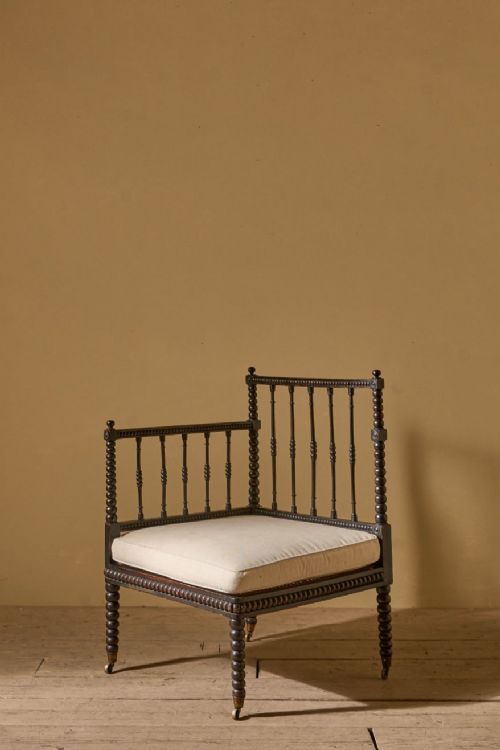
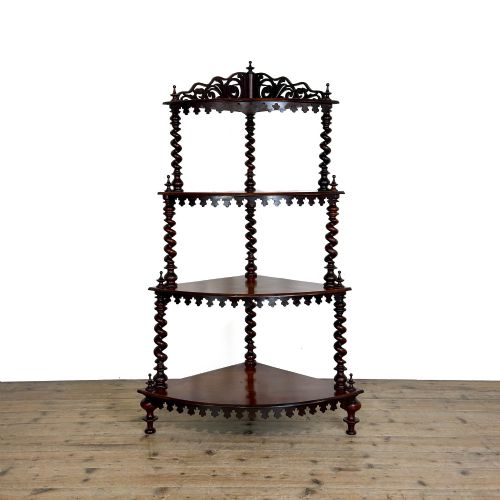
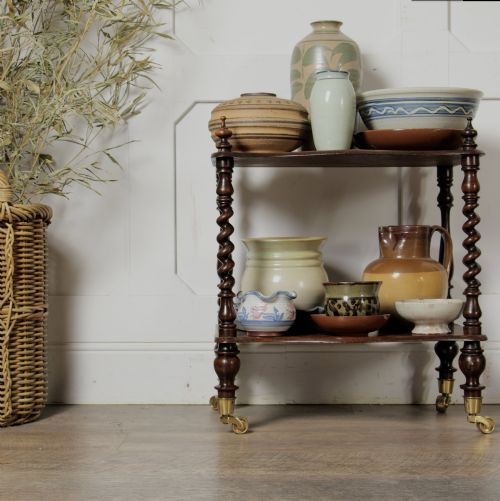
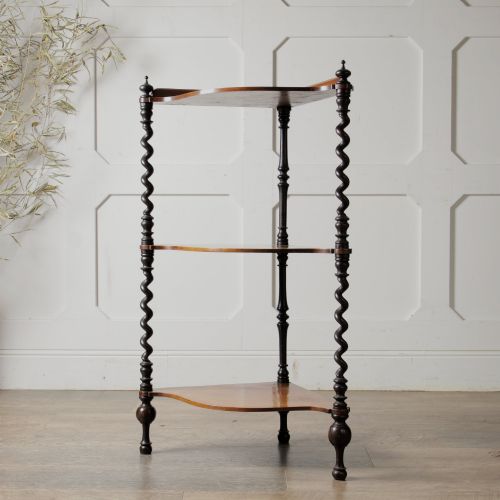
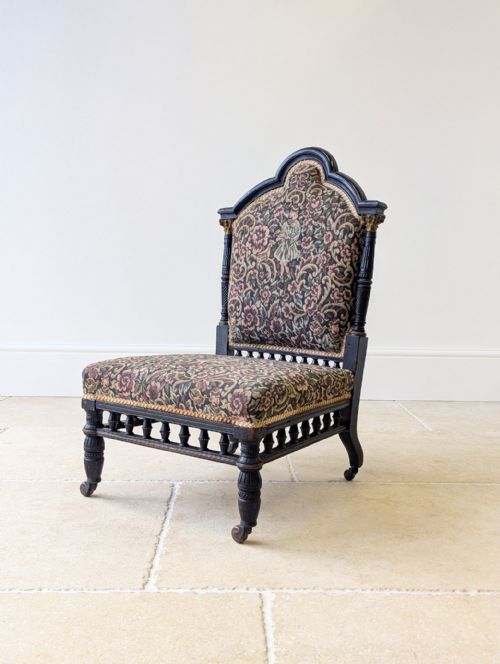
Cabinet makers utilised dense hardwoods such as mahogany, walnut, and burr walnut, often applying intricate marquetry inlay or contrasting satinwood details. Ebonised finishes and turned barley twist supports appear frequently across the period output.
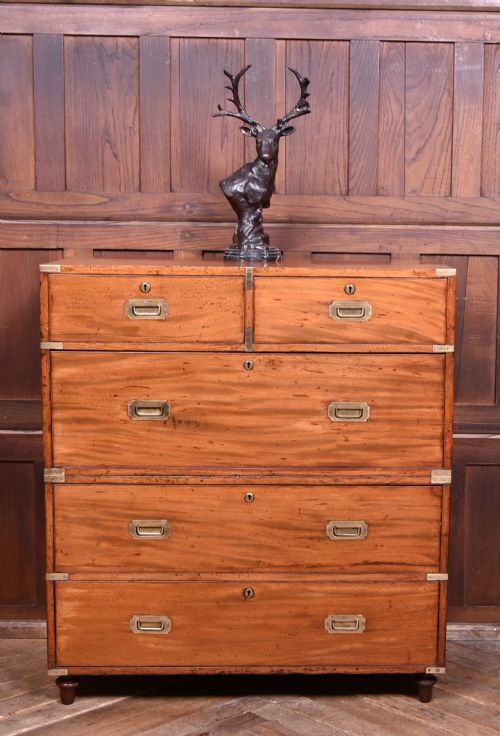
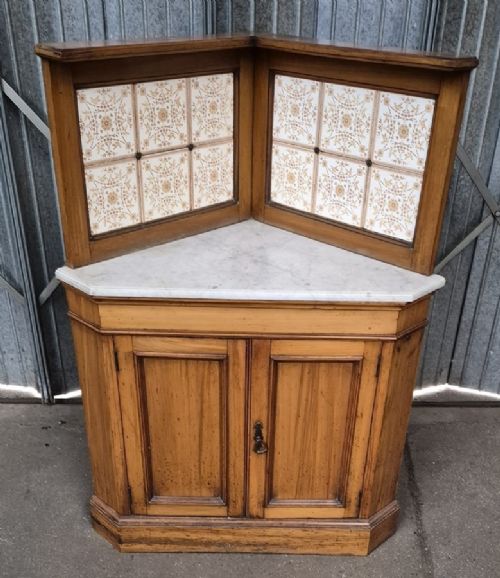
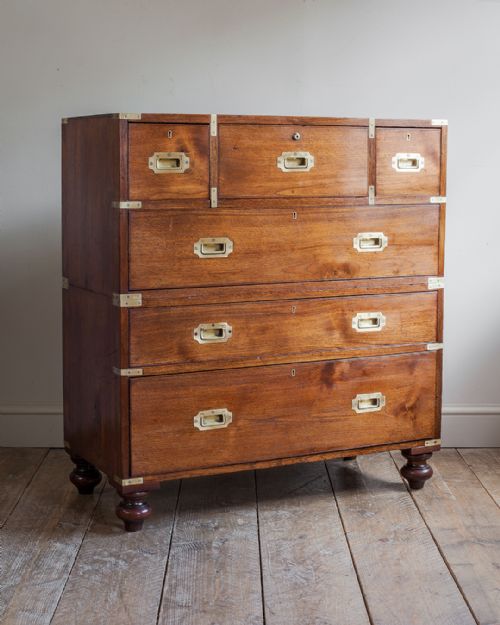
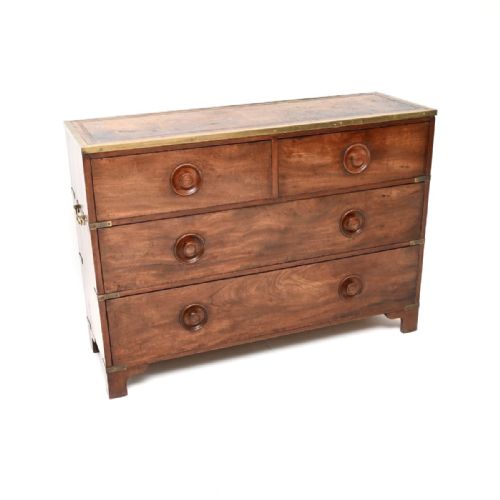
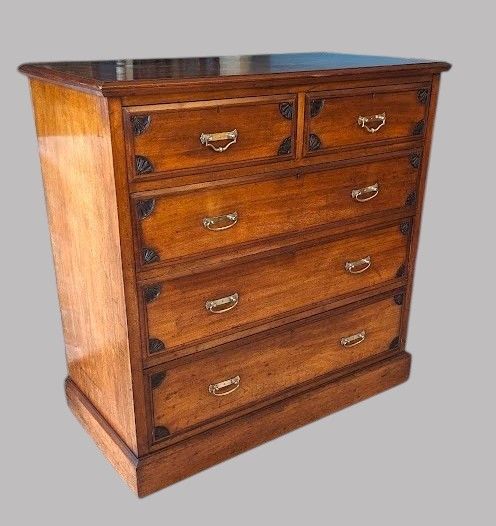
Structural integrity relied on traditional joinery, complemented by turned wooden components and brass fittings seen on campaign-influenced forms. Glass panelling and marble tops also feature on select refined storage pieces.
Judging Quality
Quality rests upon the selection of timber veneers, such as burr walnut or figured mahogany, and the crispness of turned details like barley twists or bobbin turnings. Finer examples display meticulous marquetry inlay and well-fitted internal shelving rather than plain structural timber.
Construction methods distinguish superior workshop production from standard utilitarian output. Integrated brass mounts, well-executed glazing, and retained original surfaces indicate higher standards of nineteenth-century craftsmanship.
Liberty & Co.·Garnett & Sons·Ross & Co.·S&H Jewell·Walker & Sons
The Victorian Corner Furniture Glossary
- Whatnot
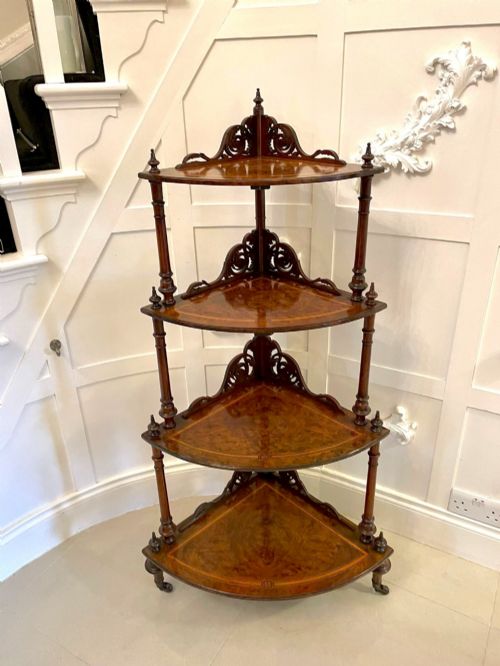
- An open set of multi-tiered shelves used for displaying ornaments and small objects. These tiered stands date widely across the nineteenth century in various woods.
- Marquetry
- Decorative veneer work forming pictures or patterns using different coloured woods. This technique adorns many better-quality Victorian cabinet doors and tabletops.
- Barley Twist
- A form of turned woodwork resembling a spiralling rope or barley sugar stick. It is a common decorative feature on nineteenth-century supports and stands.
- Ebonised
- Wood stained or painted black to imitate expensive ebony. This finish is characteristic of Aesthetic Movement and nineteenth-century decorative items.
- Campaign
- Portable furniture designed for military officers on the move, typically featuring flush brass handles and corner brackets. These pieces disassemble or transport easily.
Victorian Corner Furniture: Frequently Asked Questions
How do I place corner furniture?
Corner furniture fits directly into the ninety-degree angles of a room, making use of space that standard rectangular items leave empty. Cabinets and shelving units anchor awkwardly shaped junctions while adding display or storage capacity.
Position whatnots and corner cupboards away from direct heat sources to protect nineteenth-century wood and veneer surfaces from drying out or splitting.
What is a Victorian whatnot?
A whatnot is an open shelving unit with three or more tiers supported by columns or turned posts. Victorians used them in parlours to display ceramics, books, and decorative ornaments.
They appear in various timbers including walnut and mahogany, sometimes featuring corner configurations designed to slot neatly into room angles.
How do I date Victorian walnut?
Walnut gained immense popularity during the mid-to-late nineteenth century, particularly for display cabinets and burr walnut whatnots. Grain patterns and construction techniques help indicate the specific decade of production.
Examine the secondary timbers used on the backs and interiors, as older pieces often incorporate pine or oak framing alongside the primary walnut veneer.
Are campaign pieces authentic?
Authentic nineteenth-century campaign items feature recessed brass hardware, solid timber construction, and functional portability designed for travel. Makers constructed them to withstand harsh conditions while maintaining domestic refinement.
Check for maker stamps on brass handles or drawer linings, as prominent firms often signed their military and travel furniture.