


Victorian Corinthian Lamp Base
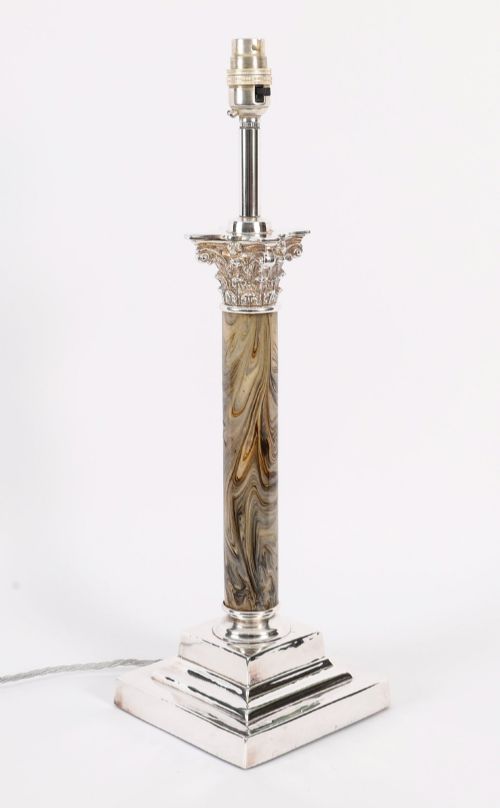
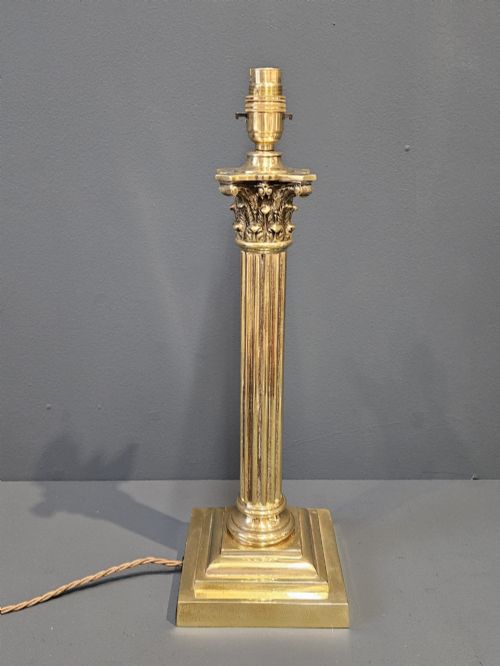
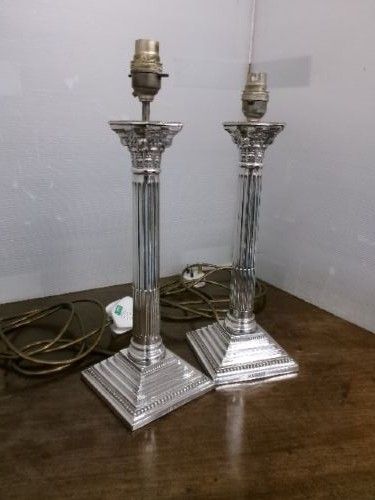
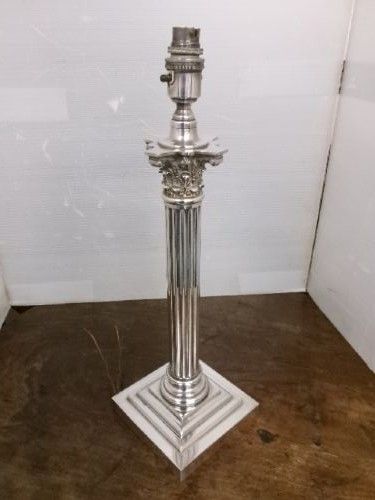
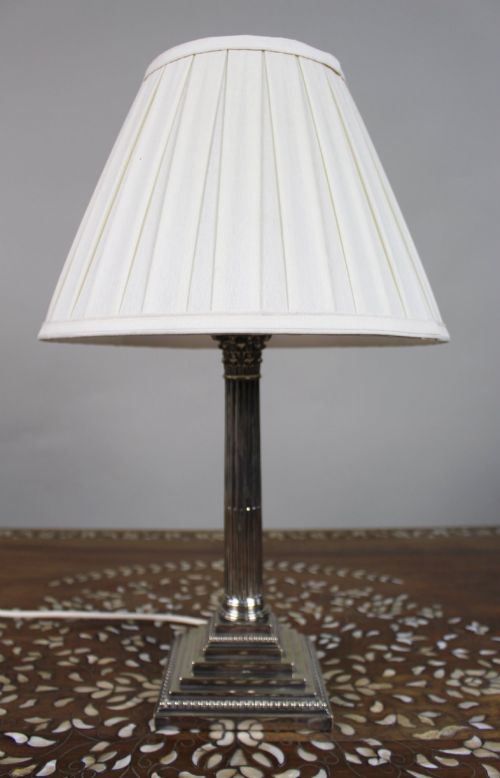
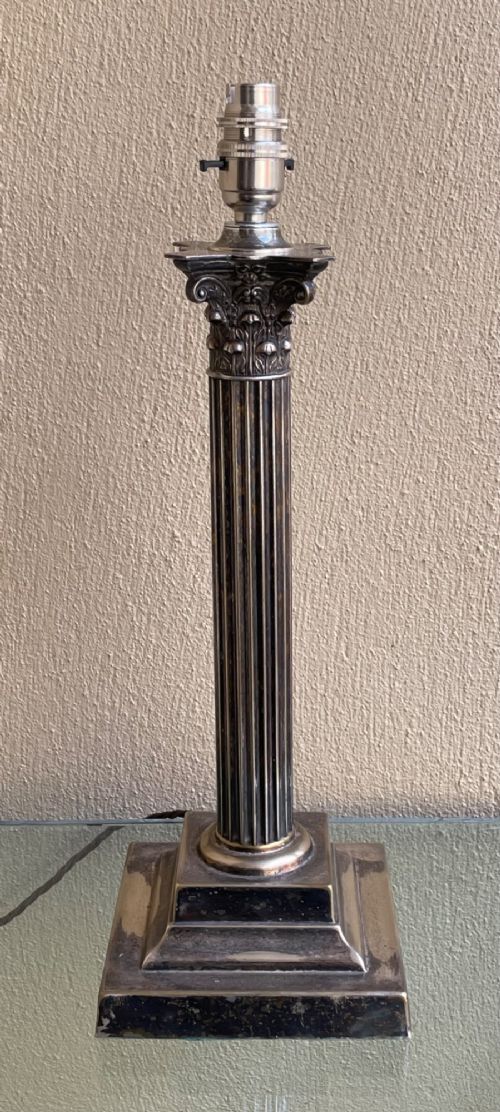
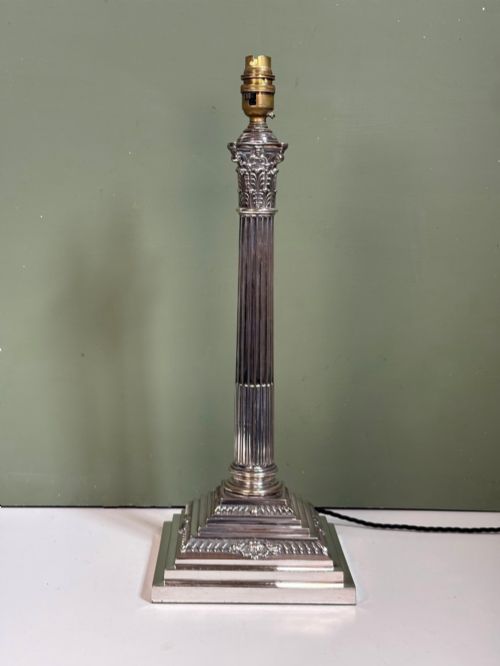
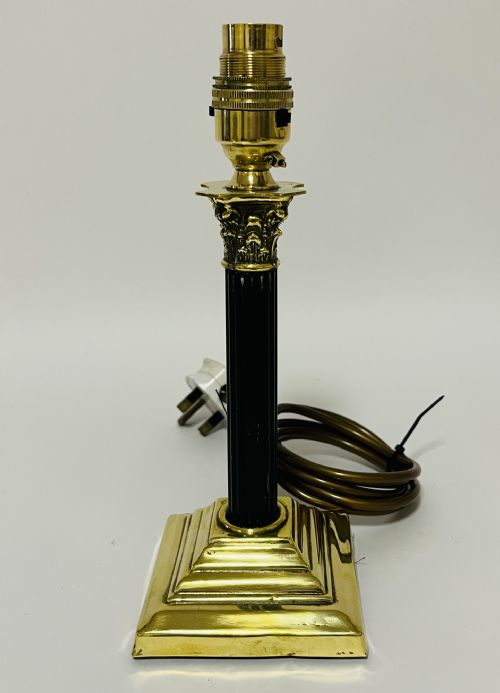
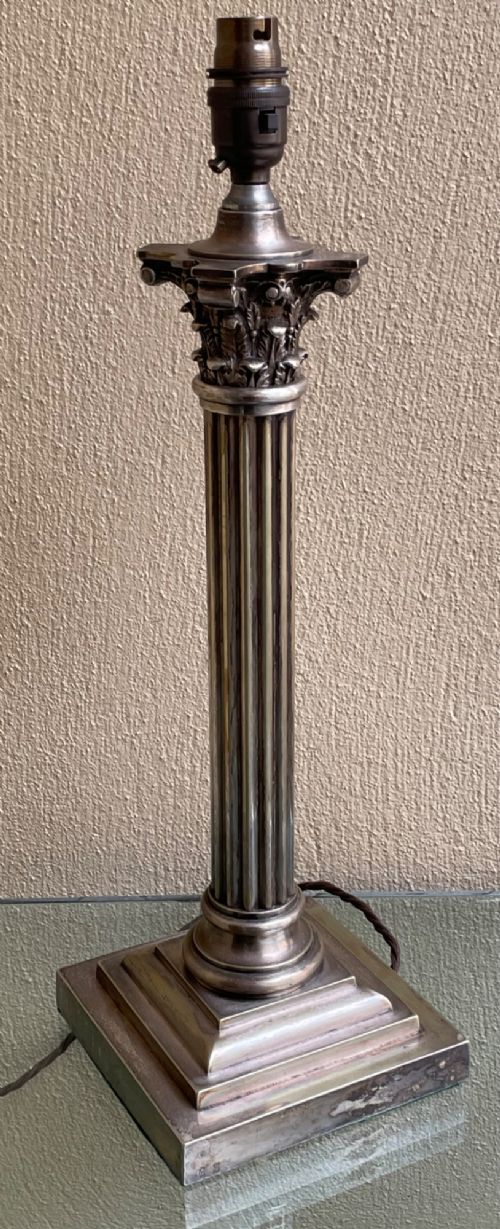
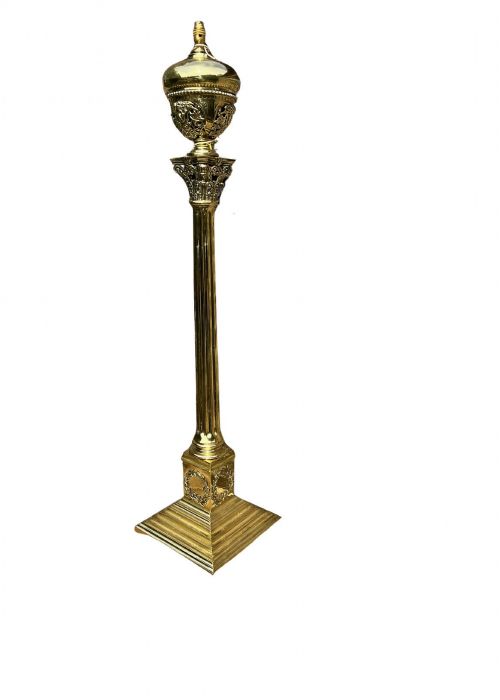
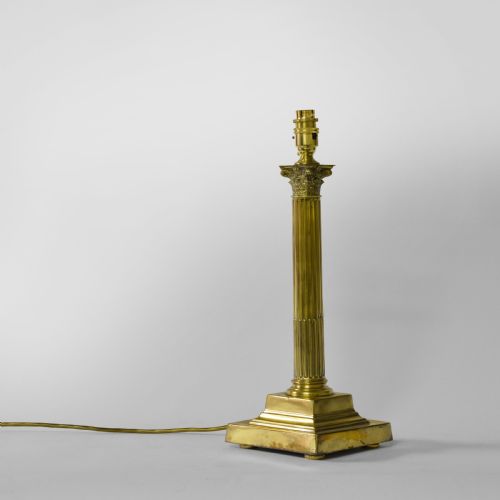
A victorian corinthian lamp base brings neoclassical proportion to a room, standing on a fluted column with formal capital.
Victorian Corinthian Lamp Base
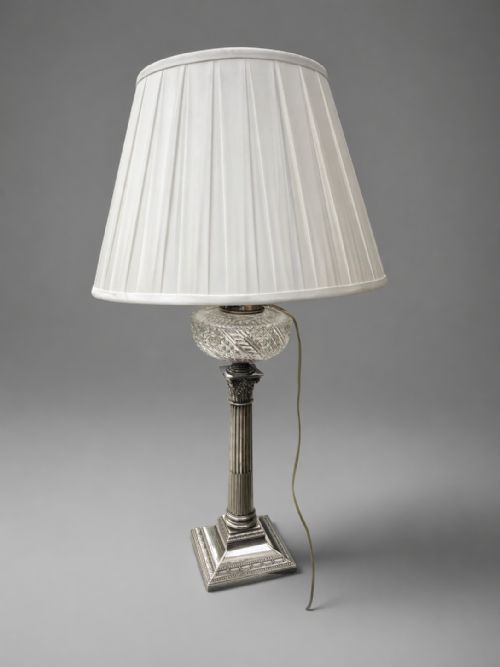
A victorian corinthian lamp base takes the form of a classical column, drawing on neoclassical revival design popular through the nineteenth century. These items appear primarily as table lamps and standard lamps, though conversion from earlier oil lamps occurs frequently across the inventory.
Brass and silver plate dominate the selection, shaped into standard and floor heights alongside smaller table versions. Examples incorporating onyx, cut glass, and gilt bronze demonstrate the decorative variations produced during the period.
How they were made
Metalworking techniques of the period utilised cast brass and electroplated finishes over base metals to achieve the weighty appearance of solid silver. Columns were cast in sections, incorporating detailed acanthus leaf capitals above fluted shafts.
Composite examples combined cast brass components with cut glass reservoirs and onyx shafts, fixed to stepped square bases often supported by lion paw feet.
Listings span the Victorian era, the 1850s, and into the 1930s, utilising brass, silver plate, onyx, and cut glass.
What varies in quality
Quality rests in the crispness of the cast acanthus leaf detail on the capital and the structural integrity of the stepped base. Heavy gauge metalwork and proportional accuracy separate standard production pieces from finer workshop outputs.
Makers' marks, such as stamps from known silversmiths, add documentary weight, while the retention of original silver plating without excessive wear determines the preserved state of plated examples.
Goldsmiths and Silversmiths Company·Palmer and Co
The Victorian Corinthian Lamp Base Glossary
- Corinthian column
- An architectural order marked by a bell-shaped capital decorated with rows of acanthus leaves. This classical form defines the primary style of the lamps.
- Silver plate
- A thin layer of silver bonded to a base metal core such as brass or copper. Most silver examples utilise electroplating techniques common in the later nineteenth century.
- Telescopic
- Adjustable in height through a sliding central shaft mechanism. This construction allows standard lamps to extend upwards.
- Reservoir
- The container that held oil before conversion to electricity. Cut glass reservoirs appear frequently on smaller table models.
Victorian Corinthian Lamp Base: Frequently Asked Questions
Were these originally electric?
Many examples began life as oil lamps or standard lamps during the nineteenth century, utilising burners before later conversion to electricity.
Rewiring is standard practice for modern use while retaining the original metal or glass bodies.
How do I identify a standard lamp?
Standard lamps and floor lamps stand taller than table models, designed to rest directly on the floor rather than on furniture.
Some feature telescopic shafts to adjust height.
What materials are most common?
Brass and silver plate on copper or base metal form the majority of surviving columns.
More decorative items incorporate onyx, cut glass, and gilt bronze elements.
How do I date a brass column?
Dating relies on stylistic markers, construction methods, and occasionally maker stamps or hallmarks found on silver-plated versions.
Periods span from the mid-nineteenth century through the early twentieth century revival eras.