


Victorian Copper Tea Vessel
A victorian copper tea vessel brings warmth and heavy metal weight to a room, offering functional historical craft.
Victorian Copper Tea Vessel
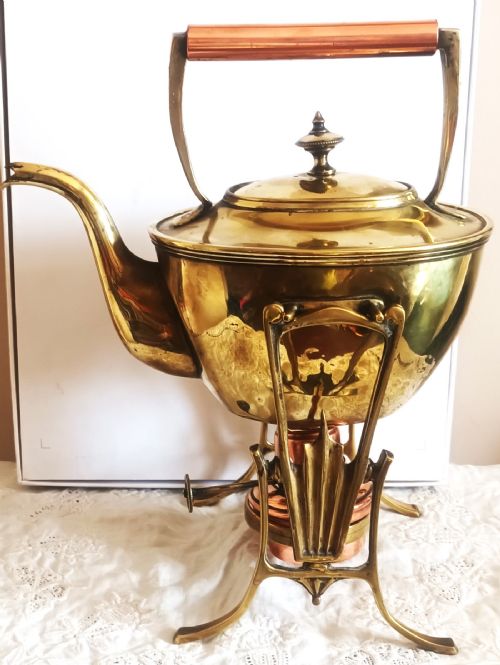
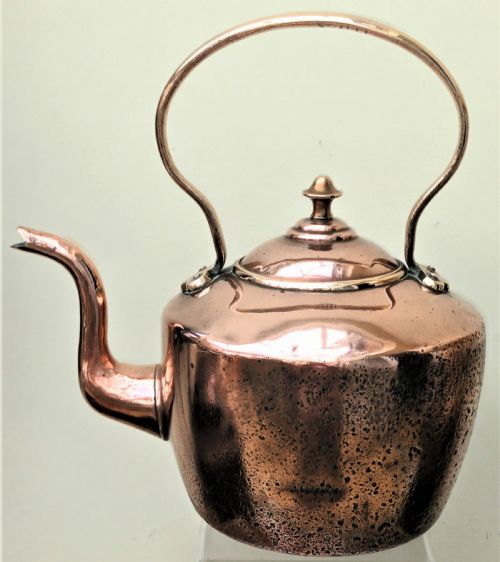
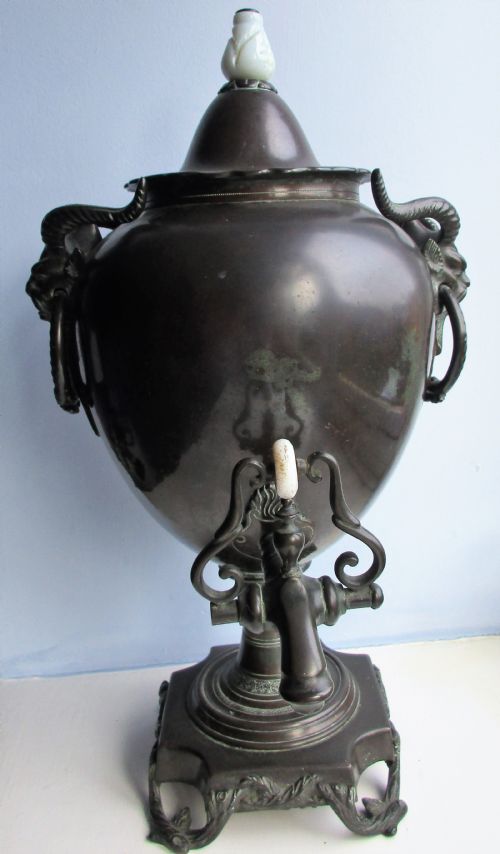
A victorian copper tea vessel is a substantial metal container designed for heating water or brewing tea during the nineteenth century. The examples found here span kettle, spirit kettle, and samovar forms, originating from English workshops across the Victorian period and stretching back to Georgian designs.
The most common version you are likely to meet on this page is the classic copper kettle, frequently paired with brass mounts or handles. Larger samovars and tea urns also appear regularly, often standing on dedicated bases with integral spirit burners or taps.
How they were made
Makers built these pieces primarily from sheet copper, hammering and joining the metal to create watertight chambers for boiling water. Brass formed structural supports, taps, and handles, while occasional pieces incorporated bone, wood, ebonised wood, or ceramic details to insulate against heat.
Surface finishes varied from polished metal to patinated metal surfaces that show decades of handling and use. Specialised techniques like Pontypool Ware applied durable lacquers or japanned finishes to the iron or copper body.
Listings on this page span the 19th century, featuring copper, brass, wood, ceramic, and ebonised wood materials across kettle and samovar forms.
What varies in quality
The distinction between standard utility items and exceptional pieces rests in the weight of the metal and the crispness of the construction. Heavier gauge copper and robust brass mountings indicate workshop production aimed at longevity and daily service rather than basic manufacture.
Refinement in decorative detailing separates ordinary vessels from superior examples. Finely turned wooden handles, complex casting on brass feet, and integrated spirit stands elevate the piece beyond a simple kitchen utility.
William Soutter & Sons·Benetfink & Co
The Victorian Copper Tea Vessel Glossary
- Samovar
- A large heated metal container traditionally used to boil water for tea. These vessels typically feature an internal heating tube and a spigot near the base.
- Spirit Kettle
- A tea kettle mounted on a metal stand above a small spirit burner. This setup kept water hot at the tea table.
- Pontypool Ware
- Japanned metalware produced in Wales known for its lacquered and painted finishes. This technique created smooth, glossy surfaces on metal vessels.
- Patinated Metal
- Metal surfaces altered by age, oxidation, and handling. This natural darkening adds depth to the appearance of old copper.
Victorian Copper Tea Vessel: Frequently Asked Questions
What is a samovar?
A samovar is a large metal vessel used to boil and heat water for tea service. They often include a spigot for easy pouring.
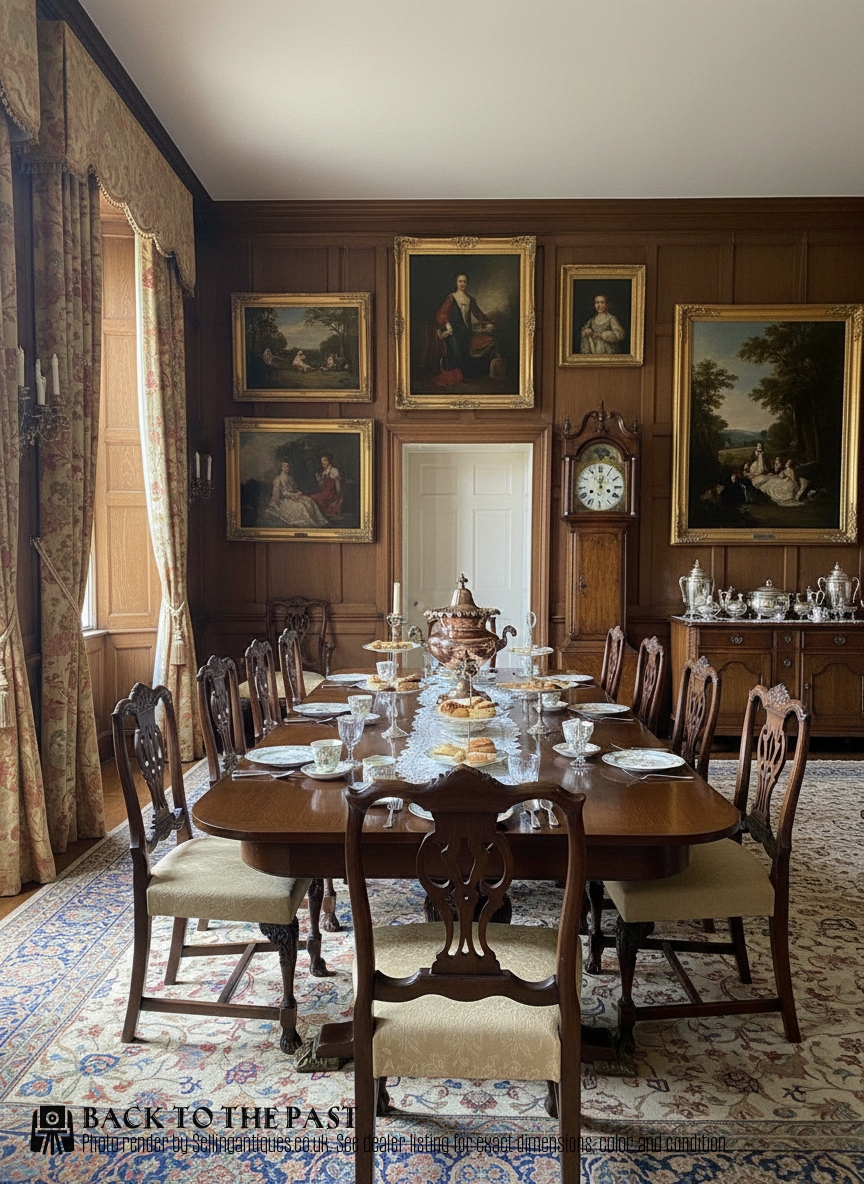
These pieces sat on sideboards or dining tables in nineteenth-century homes to supply hot water throughout long meals.
How do I clean copper?
Cleaning depends on whether you prefer a bright polished shine or a dark historical patina. Many collectors leave the surface untouched.
If polishing, use a mild cream formulated for copper and avoid harsh abrasives that scratch the soft metal.
Can I use these kettles?
Most antique kettles and urns are sold as decorative objects or historical display pieces. Past repairs or interior linings may make them unsuitable for boiling water.
Examine the interior and any soldered joints carefully before attempting to heat water in an antique vessel.
What is a spirit kettle?
A spirit kettle is a portable tea kettle suspended over a small burner fuelled by spirits. This allowed hosts to keep water boiling away from the kitchen.
They combine a kettle, a metal frame, and a burner into a single matched set.