

Victorian Copper Log Bin
When you search for a victorian copper log bin, you are looking at sturdy fireside vessels formed from heavy metal during the nineteenth century.
Victorian Copper Log Bin
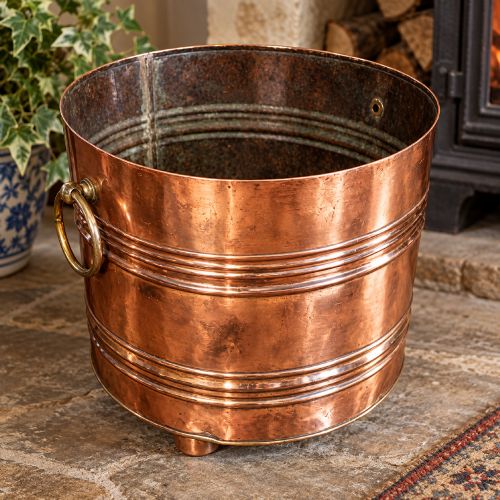
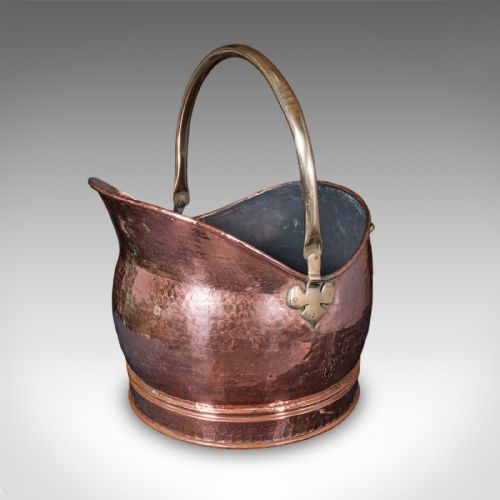
A victorian copper log bin serves as a robust utilitarian container designed to hold firewood beside a hearth. These items often double as coal buckets, jardinières or garden planters depending on their original manufacture and subsequent use.
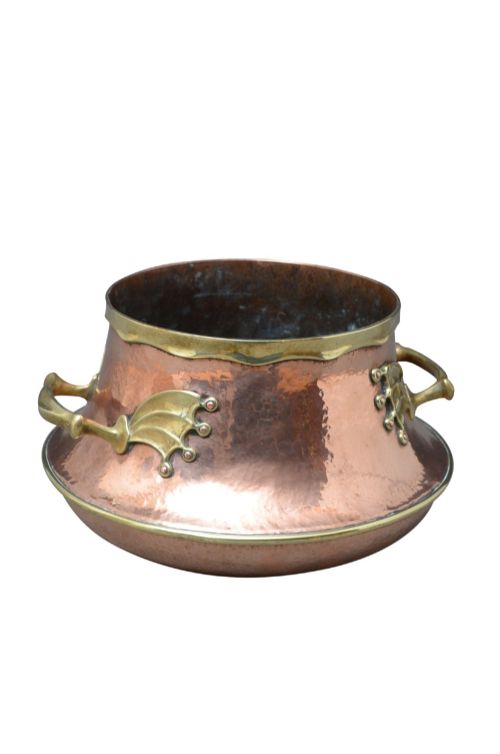
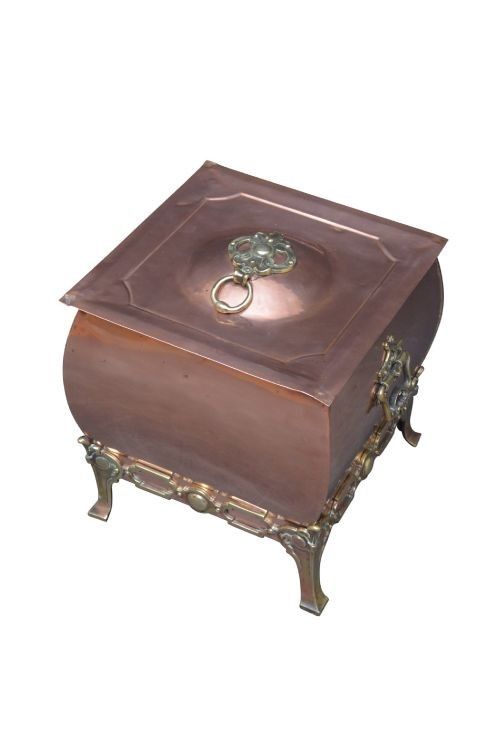
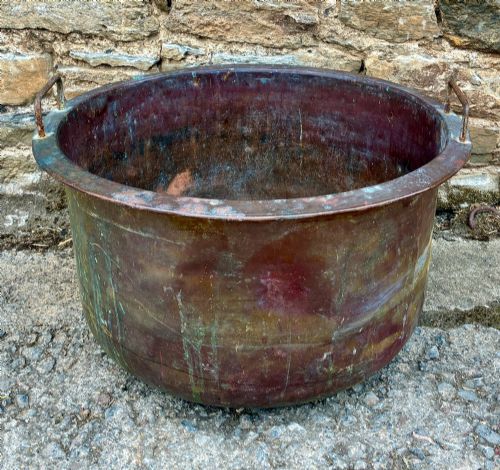
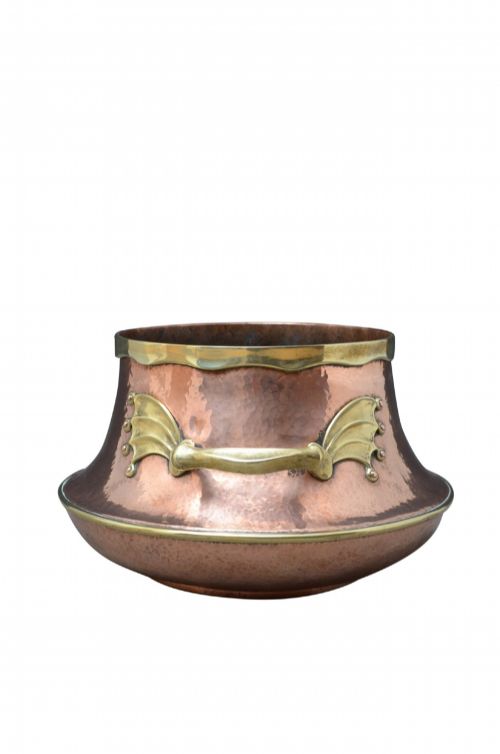
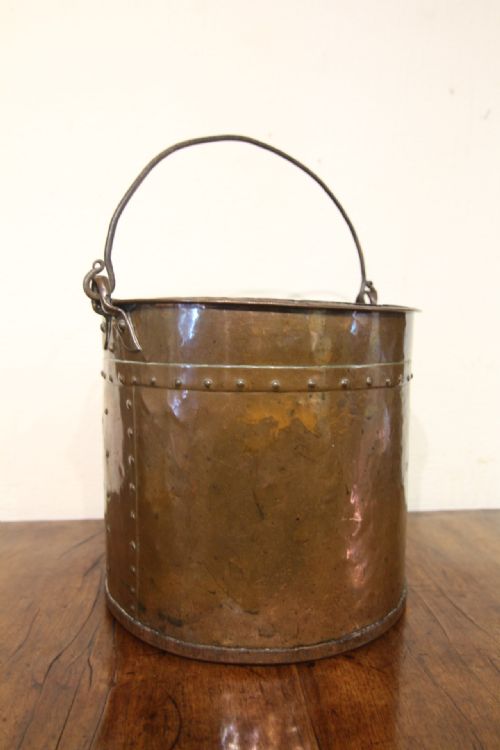
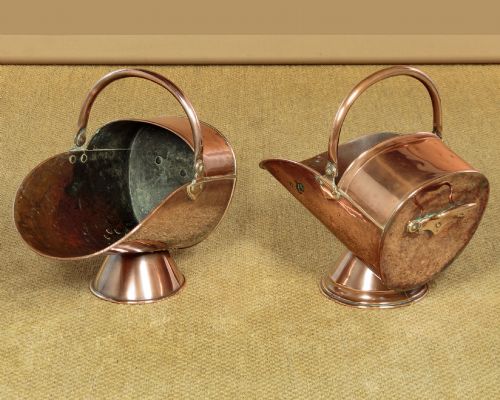
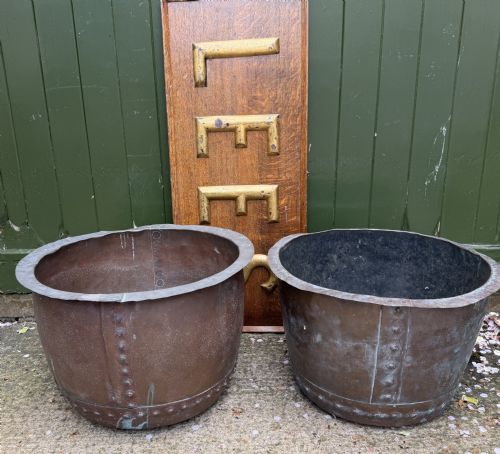
Most examples originate from the nineteenth century, spanning rustic farmhouse styles to decorative Arts and Crafts designs. Buyers frequently encounter large riveted vessels and lidded coal boxes fitted with brass handles.
Materials and construction
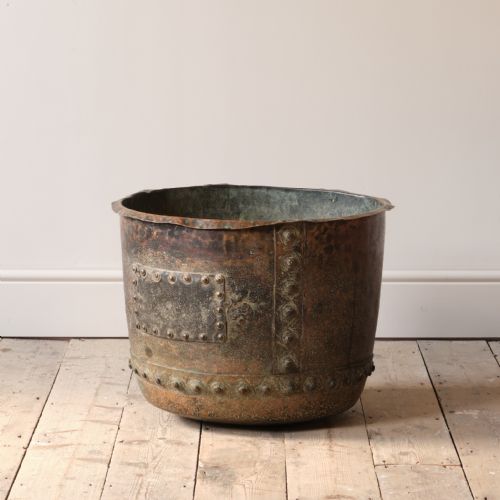
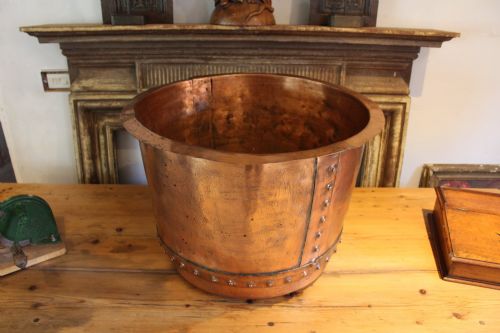
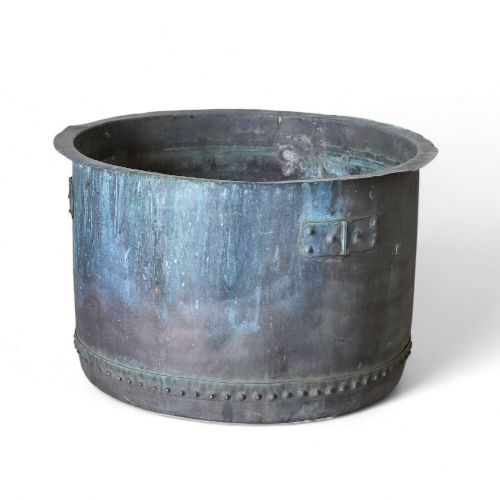
Craftsmen built these pieces primarily using sheet copper, often reinforced with brass bands, iron handles and wooden components. Many examples feature hand-riveted seams and hand-beaten surfaces that display the marks of traditional metalworking techniques.
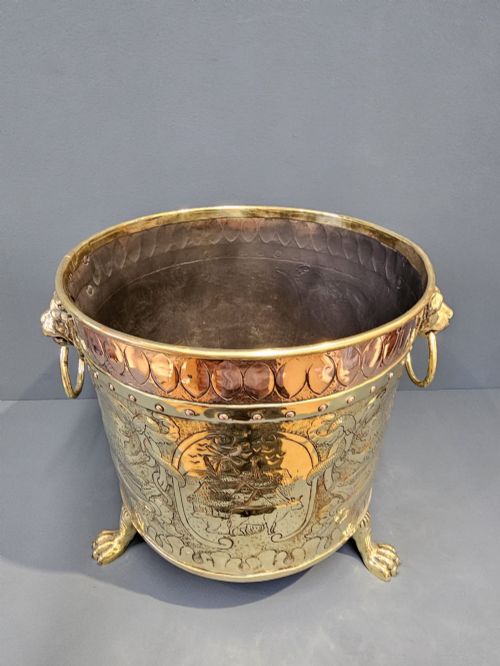
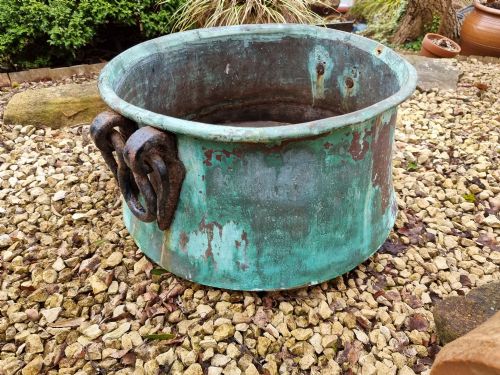
Surfaces frequently exhibit a natural patina or verdigris finish developed through age and exposure. Wrought iron swing handles and brass lion mask mounts appear regularly on heavier containers.
What separates the best from the rest
Quality rests in the heaviness of the metal gauge and the integrity of the riveted construction. Thicker copper walls and secure, well-forged iron handles indicate superior utility and durability.
Design details also divide standard utilitarian buckets from exceptional decorative vessels. Embossed brass ornamentation, hand-hammered detailing and intact lids elevate the visual presence of a piece.
Henry Loveridge Co
The Victorian Copper Log Bin Glossary
- Jardiniere
- An ornamental pot or stand for holding plants or flowers. These vessels often share forms with large log bins.
- Patina
- The surface sheen and colour acquired by copper and brass through age and use. This layer develops naturally over decades.
- Purdonium
- A specialised household coal box or bin, typically featuring a sloping front and a lid. These items often include a matching shovel.
- Verdigris
- A green crust or patina formed on copper and brass by atmospheric oxidation. It signifies considerable age.
- Riveted
- Joined together using metal bolts or pins hammered flat at the ends. This technique provides structural strength to heavy containers.
Victorian Copper Log Bin: Frequently Asked Questions
What were victorian copper log bins used for?
These vessels originally served to store and transport firewood or coal directly beside a domestic fireplace.
Over time, many owners repurposed them as large indoor planters or decorative cachepots for substantial house plants.
How do I clean a copper log bin?
Maintenance usually involves gentle dusting with a soft cloth to preserve the historical surface.
Aggressive metal polishes can strip away the authentic dark patina and verdigris that collectors value.
Are these bins waterproof?
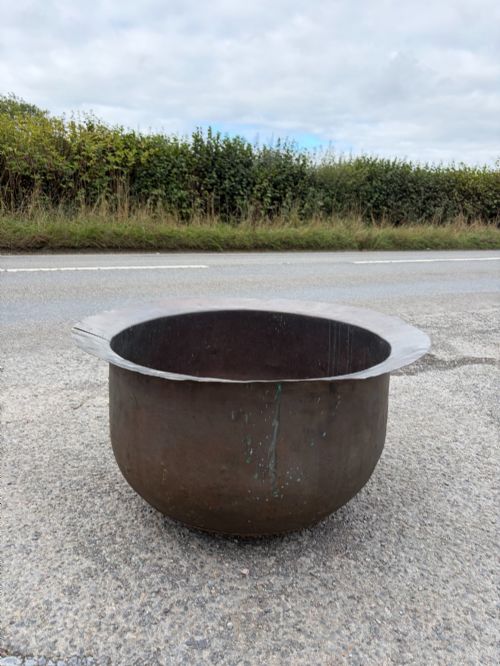
Many riveted copper pots and cauldrons held water or damp materials during their working lives.
However, historic seams can develop minor weeping over time if utilised continuously as indoor plant pots.
How can I date a copper log bin?
Dating relies upon examining construction methods such as hand-beating, heavy riveting, and associated brass or iron hardware.
Stylistic cues like Arts and Crafts motifs or Victorian utilitarian forms also help narrow the manufacturing period.