




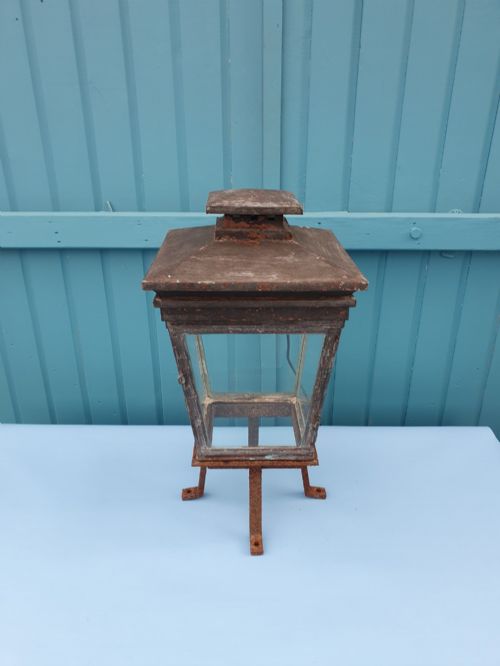
Victorian Copper Light
These robust victorian copper light examples bring genuine warmth and functional heritage into modern spaces through enduring metalwork.
Victorian Copper Light
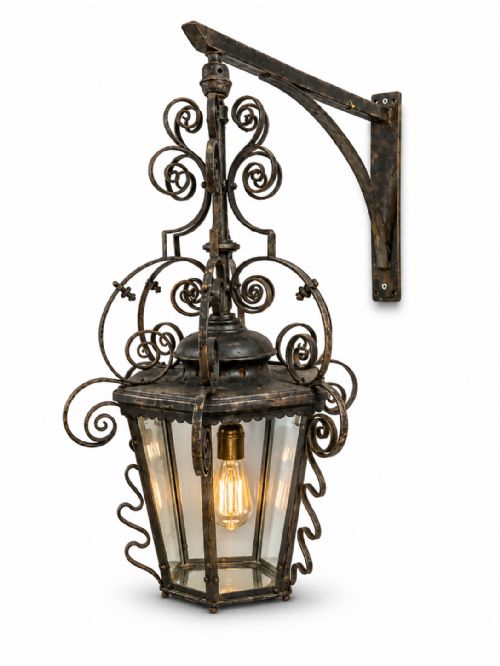
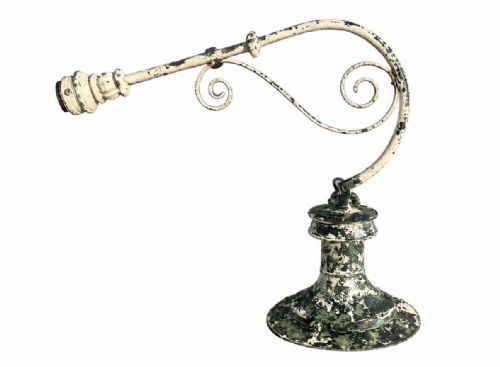
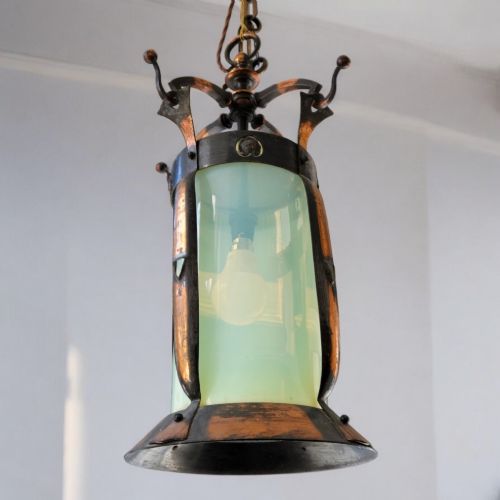
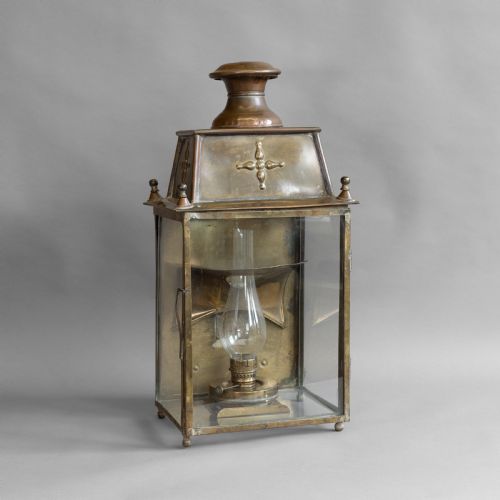
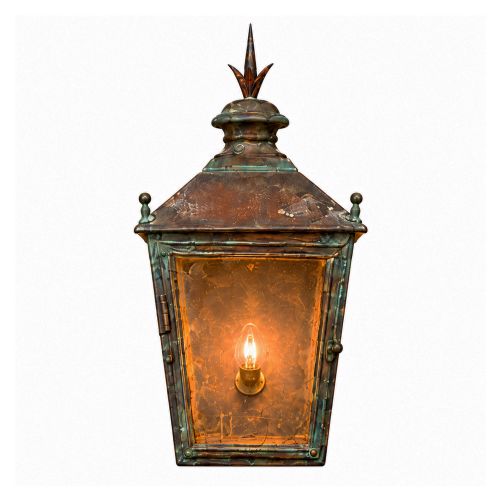
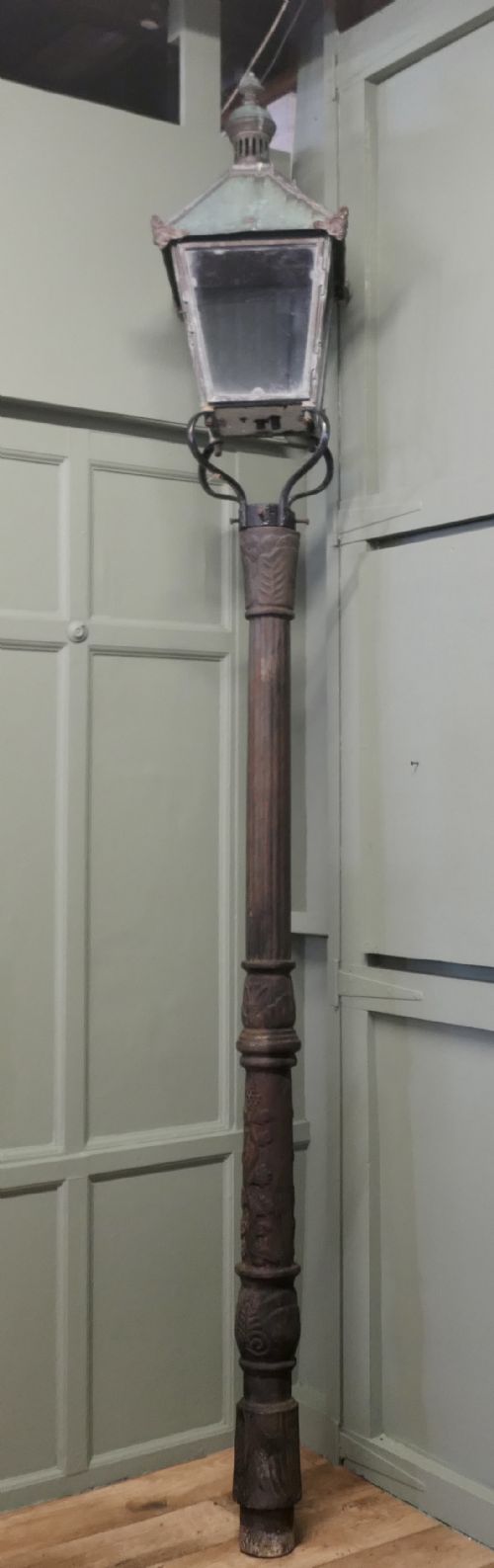
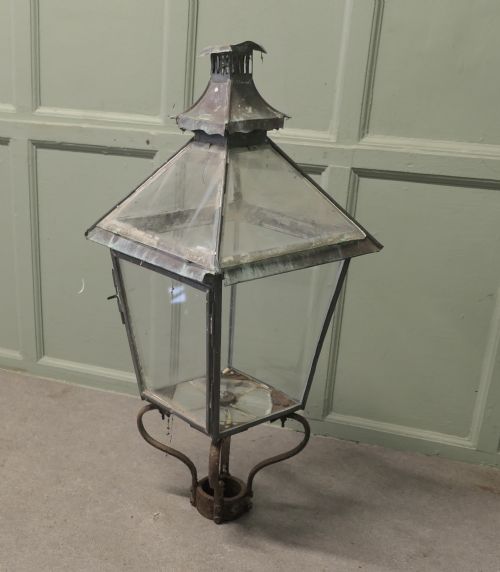
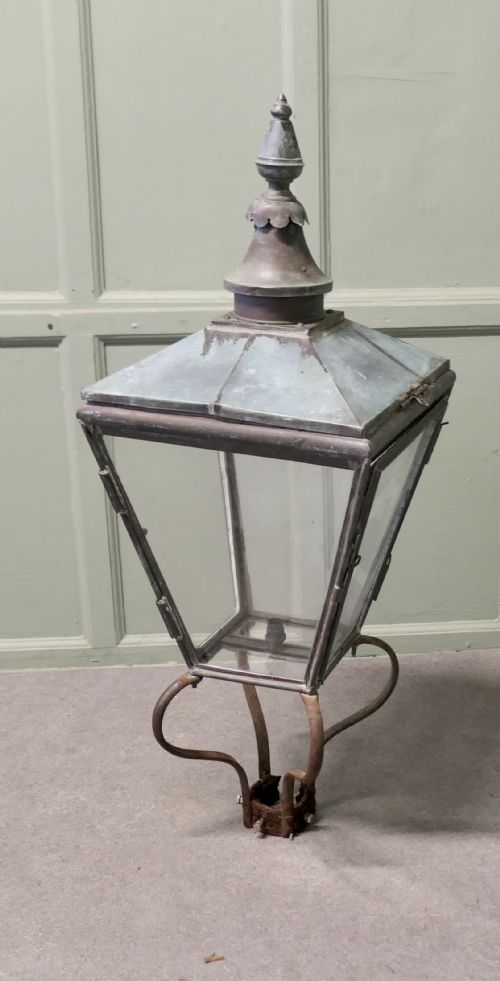
When searching for a victorian copper light, buyers encounter a robust array of fixtures designed for illumination, ranging from substantial street and coach-house lanterns to domestic oil lamps and standard floor lights. These pieces originate primarily from the nineteenth century and the early twentieth century, spanning periods marked by industrial expansion and domestic innovation.
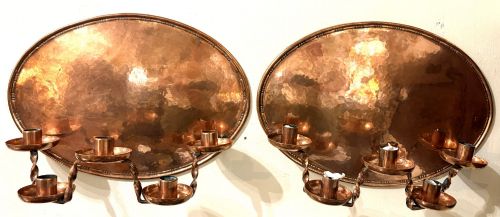
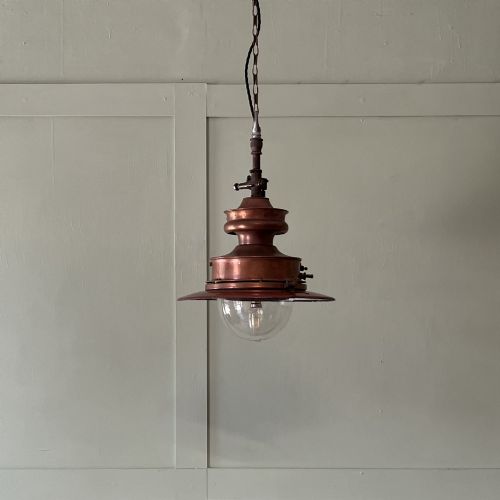
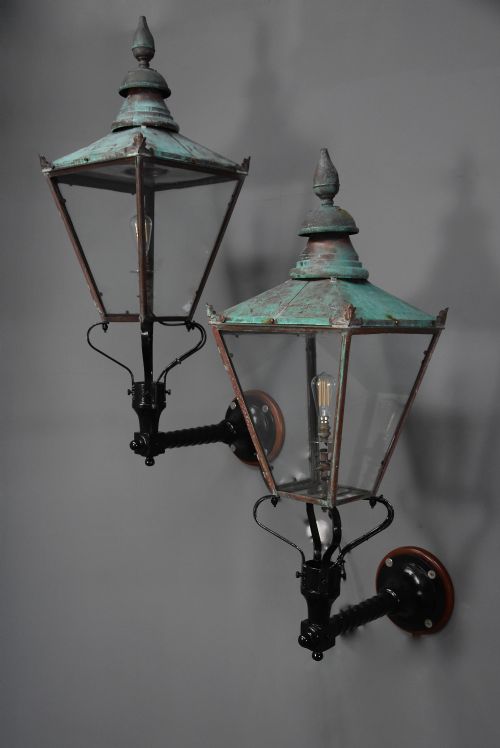
The most frequent examples met on this page are large outdoor and street lanterns, often constructed with glass panels and supported by wrought iron or brass brackets. Alongside these exterior fixtures, domestic variants such as telescopic standard lamps, wall sconces, and railway hanging lanterns appear with regular frequency.
Makers and designers working within Arts and Crafts, Gothic Revival, and Neo-Classical styles contributed significantly to the variety seen here. Objects range from utilitarian railway carriage lamps to decorative verdigris patinated wall lights and adjustable floor standards.
Materials and construction
Construction relies heavily on sheet copper combined with structural metals like brass, iron, and wrought iron to provide both malleability in the body and rigidity in the mounts. Workshops utilised riveted and soldered seams to shape lanterns and oil reservoirs, housing glass panes within robust metal frames designed to withstand exposure.
Surface treatments and secondary materials introduce notable textural contrast, incorporating cranberry glass, fabric shades, and wooden components alongside patinated or plated finishes. Many surviving pieces show evidence of historical conversion from gas or oil to electricity, retaining their original metal frameworks while adapting to modern wiring.
Victorian Copper Light Retail Price Guide 2026
Typical asking prices for victorian copper light among the pieces listed under this phrase on Sellingantiques today, from the lower quarter to the upper quarter. They describe what is for sale here now, not the wider market.
Materials recur across forms, pairing sheet copper with brass, wrought iron, and cranberry glass.
Distinctions in manufacture
The upper tier of pieces displays superior hand-hammered detailing, sophisticated bracket work such as spiral twists, and integrated design coherence associated with specific movements like Arts and Crafts or the Aesthetic Movement. Subtleties in metal gauge and the weight of supporting brass or wrought iron columns separate robust utility from finer decorative commissions.
Execution of secondary elements - such as decorative green man motifs, precise neo-classical proportions, and quality plating - distinguishes standard production pieces from higher-grade workshop examples. The integrity of the original construction, combined with the survival of uncompromised copper patination, defines the upper range.
Dr Christopher Dresser·A Foster & Pullen Bradford·W A S Benson
The Victorian Copper Light Glossary
- Verdigris
- A green patina formed naturally on copper and brass surfaces through atmospheric oxidation. This aged coating is particularly valued on exterior lanterns and coach-house lights.
- Standard lamp
- A tall floor-standing lighting fixture designed to illuminate a room from a fixed base. These frequently feature adjustable telescopic brass and copper columns.
- Coach-house lantern
- A sturdy wall-mounted light fixture originally designed to illuminate exterior carriage entrances. They typically combine heavy copper framing with glass panels.
- Arts and Crafts
- A design movement prioritising traditional craftsmanship and visible construction methods over mass production. Pieces from this style often feature hand-worked copper and brass.
Victorian Copper Light: Frequently Asked Questions
How do I wire a victorian copper light?
Most antique lanterns and standards have already undergone conversion from oil or gas to modern electrical wiring during their long histories. When acquiring a piece, a qualified electrician should inspect the internal cord and bulb holder to ensure current safety standards.
Original mounting brackets and hollow stems often facilitate the safe passage of modern flex without altering the external antique metalwork.
Where were these copper lanterns originally placed?
Large copper lanterns primarily served civic and domestic exterior functions, illuminating Victorian street corners, gate posts, and coach-house entrances. Their durable construction protected flames from wind and rain.
Smaller variants found use inside railway carriages, domestic hallways, and porches where hanging or wall-mounted illumination was essential.
Can outdoor lanterns be used outside today?
Many surviving copper street and porch lanterns were built robustly for exterior exposure, utilising heavy copper and glass panels. Weatherproofing depends on the current sealing of the glass and the stability of the mounting bracket.
Sheltered outdoor locations or interior display spaces generally preserve the historic patination and soldered joints of nineteenth-century metalwork best.
How should I clean antique copper?
Preserving the historic surface requires avoiding harsh chemical polishes that strip away desirable natural patination and ageing. Gentle dusting with a soft cloth maintains the metal without harming the character.
Allowing the copper to retain its aged tone respects the manufacturing history of the nineteenth-century object.