
Victorian Column Pedestals
Victorian column pedestals elevate urns, busts and lamps, offering architectural proportion and sturdy display surfaces for nineteenth-century interiors.
Victorian Column Pedestals
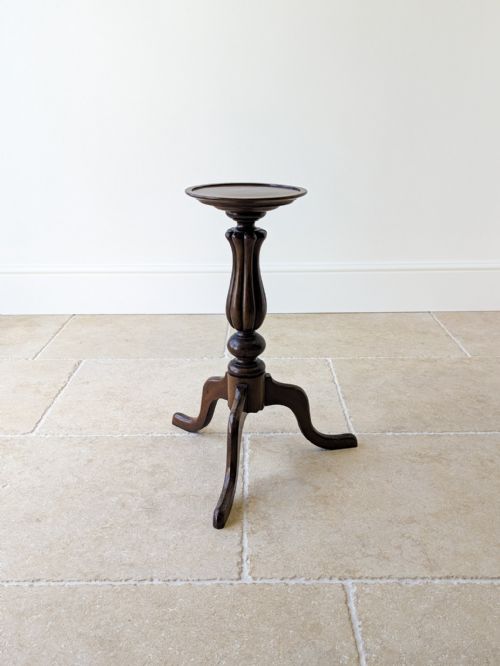
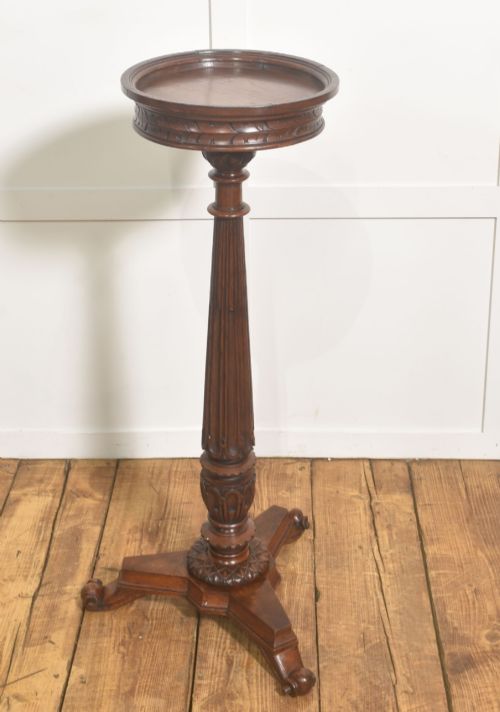
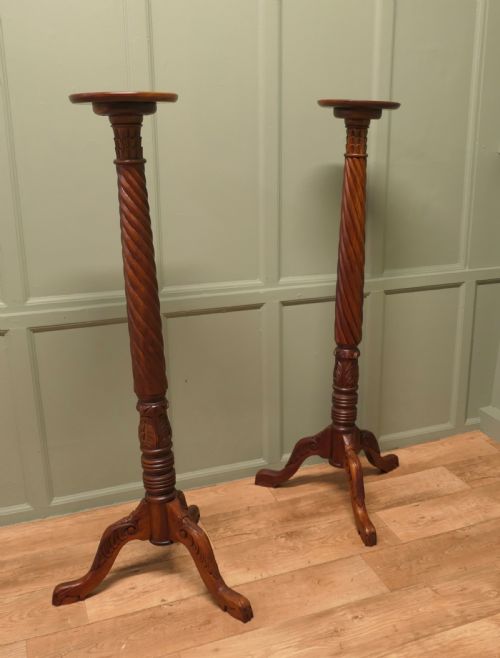
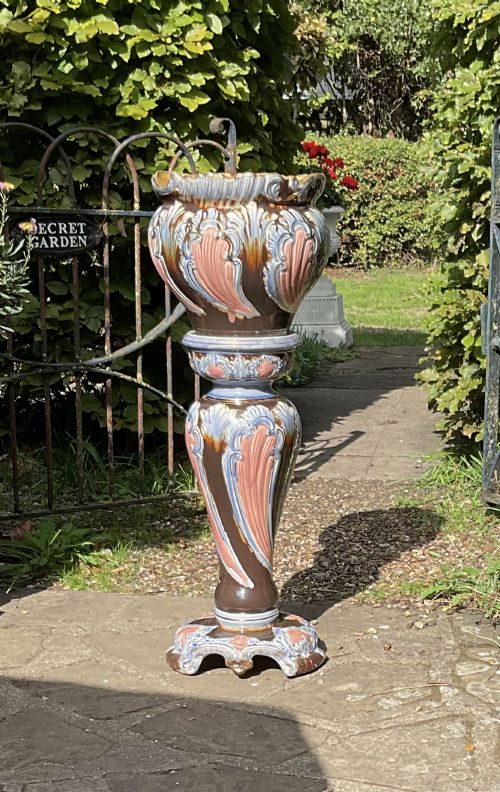
Victorian column pedestals combine architectural support with display function, appearing as tall torchères, plant stands and sculptural columns throughout nineteenth-century dwellings. Buyers seeking these pieces encounter substantial timber shafts alongside stone and cast iron formats designed to elevate objects within a room.
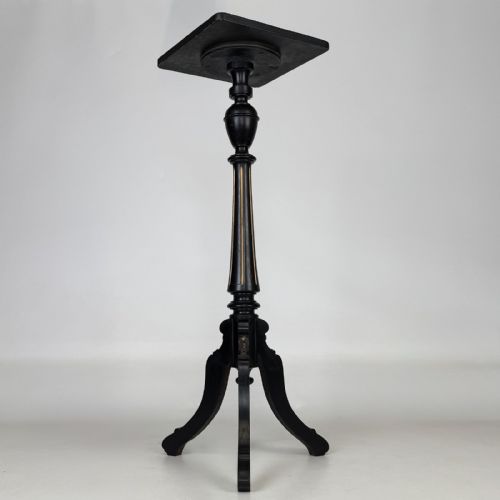
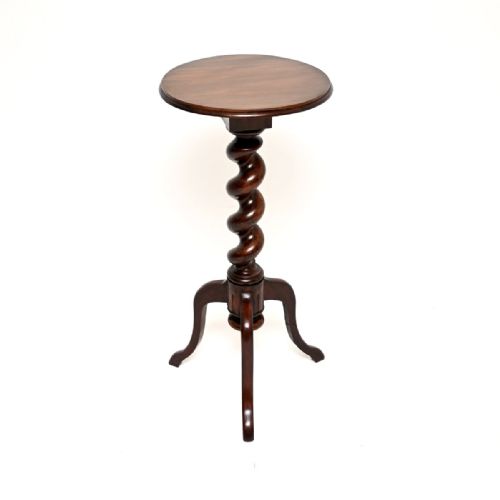
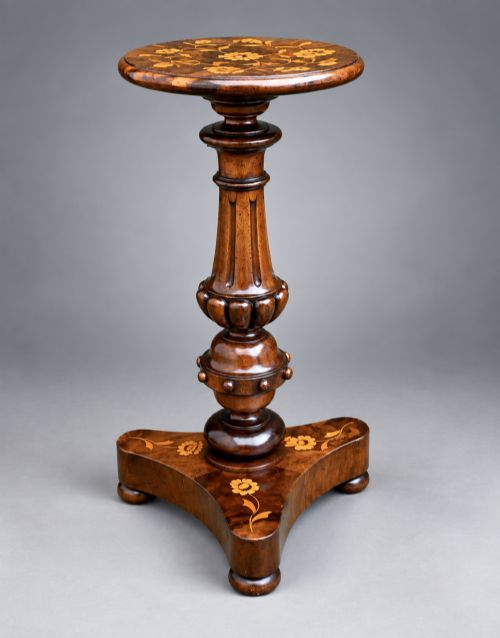
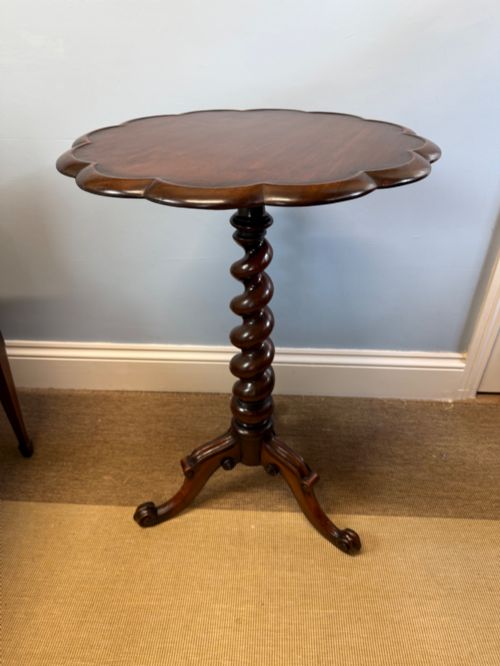
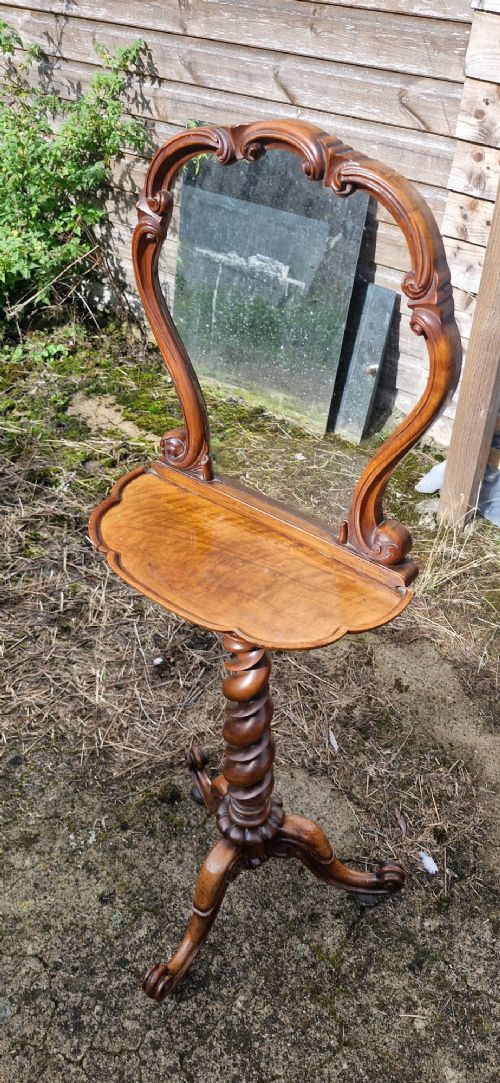
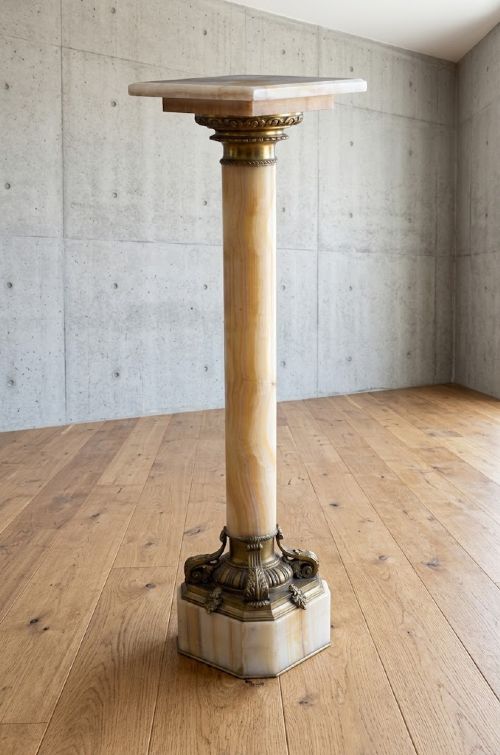
Mahogany and walnut form the backbone of the wooden examples, often featuring carved tripod bases or twist columns. Marble and onyx variations introduce mineral weight and polished surfaces, frequently finished with brass collars or cast iron detailing.
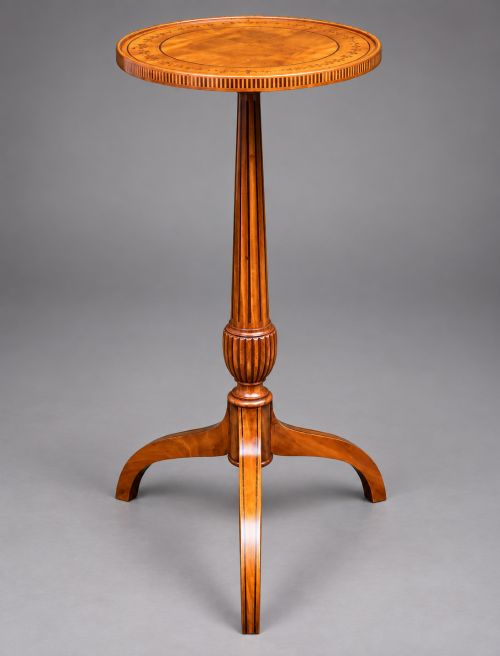
Forms span narrow plant stands, torchères for lighting, and display columns for busts or vases. The selection leans heavily toward nineteenth-century production, incorporating revival styles from classical to Chippendale and Aesthetic movement designs.
Construction and Materials
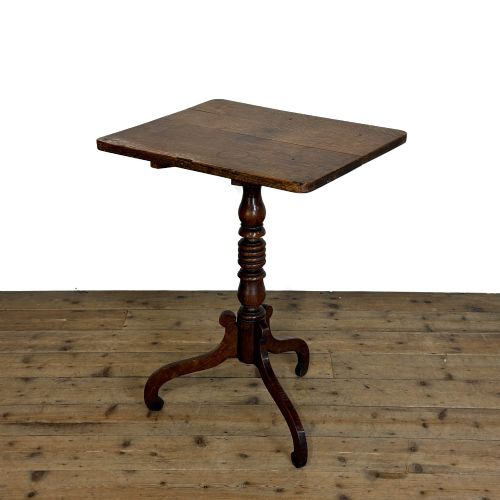
Craftsmen utilised dense hardwoods like mahogany and walnut, turning columns on large lathes or carving intricate fluting by hand. Timber sections frequently join via concealed tenons or threaded central rods to ensure stability across tall, slender heights.
Stone columns rely on solid sections of marble, onyx or serpentine, shaped and polished to highlight natural mineral veining. Cast iron elements involve sand casting, producing crisp relief work such as shell motifs and cherubs.
Listings feature mahogany, walnut and ebonised wood alongside marble, onyx and cast iron across nineteenth-century periods.
Quality and Execution
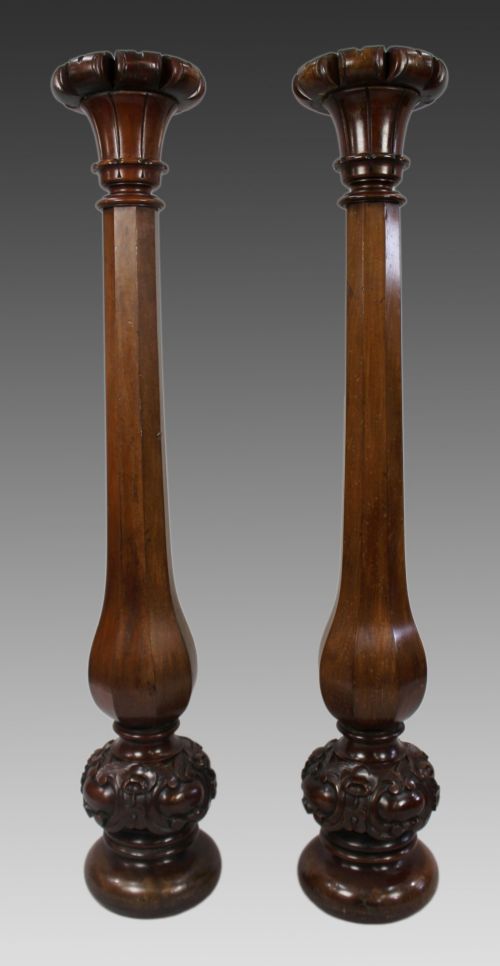
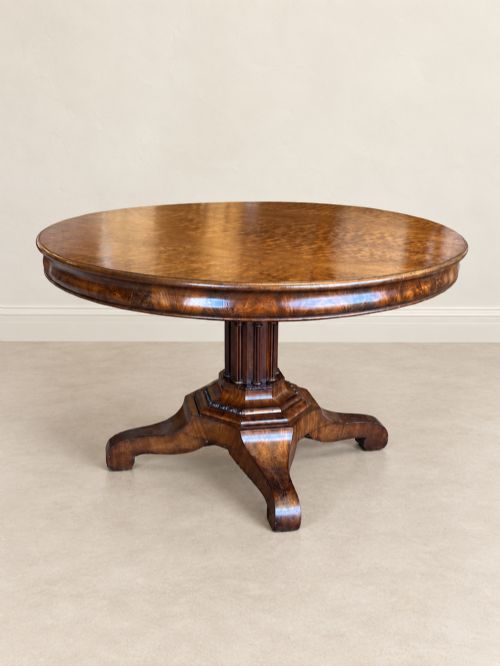
Superior examples demonstrate crisp, deep hand-carving on capitals and bases, whereas lower tiers rely on shallow mechanical stamping or plain turned shapes. Timber selection dictates the visual depth, with burr veneers and well-figured mahogany marking the better workshops.
Structural integrity depends on the original joining methods; rigid shafts and heavy weighted bases separate robust display columns from wobbly domestic stands. Finer pieces maintain balanced proportions between the capital, the central column and the footprint of the base.
Shoolbred
The Victorian Column Pedestals Glossary
- Torchère
- A tall, slender stand designed specifically to support a candle, lamp or small sculpture. These pieces elevate light sources or decorative objects to eye level.
- Capital
- The uppermost member of a column, typically decorated with classical carving such as acanthus leaves or volutes. It provides a visual transition from the shaft to the flat top.
- Ormolu
- Gilt bronze mounts applied to furniture and decorative columns. This technique adds metallic contrast and ornamental detail to stone and timber shafts.
- Ebonised
- Wood treated with a dark stain or chemical process to imitate ebony. This finish gained popularity during the nineteenth century for dramatic contrast.
- Tripod
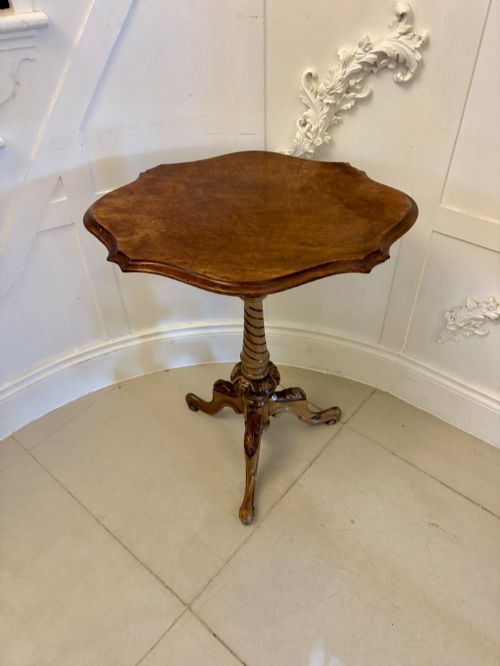
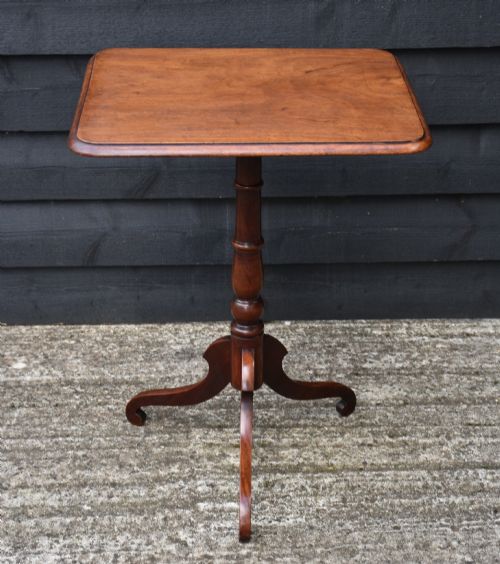
- A three-legged support base commonly found on wine tables and torchères. Three points ensure stable placement on uneven nineteenth-century flooring.
Victorian Column Pedestals: Frequently Asked Questions
What were Victorian column pedestals used for?
These pieces served primarily as elevated display surfaces for indoor plants, bronze busts, vases and oil lamps. Victorian households used them to introduce vertical interest and classical symmetry into domestic rooms.
They also functioned as torchères to hold candlelight in dark corners or hallways. Their small footprints allowed them to occupy tight spaces without obstructing movement.
How do I care for wooden pedestals?
Dust timber surfaces regularly with a soft, dry cloth to prevent particulate accumulation. Apply a natural beeswax polish occasionally to nourish the grain and maintain the finish.
Keep wooden and veneered columns away from direct heat sources and strong sunlight to prevent timber splitting or fading. Ensure the base sits level to avoid undue stress on glued or joined sections.
How do I distinguish marble from onyx?
Marble displays crystalline structure and opaque veining patterns formed through metamorphic rock processes. It feels dense, cold to the touch and heavy.
Onyx exhibits translucent banding and layered mineral deposits that permit light to pass partially through the stone. It typically shows warmer honey or amber tones compared to standard marble.