


Victorian Cocktail Ring
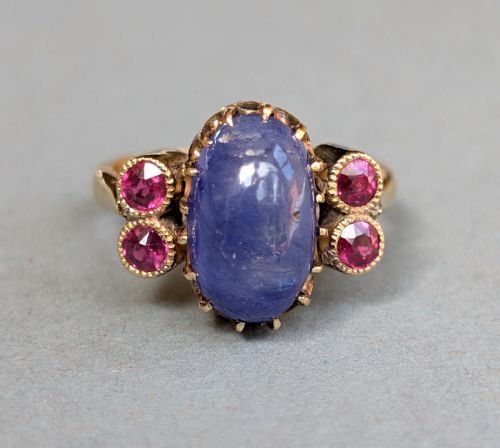
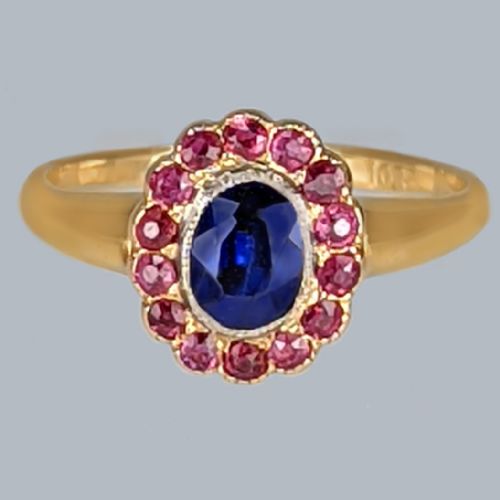
A victorian cocktail ring brings striking colour and presence to the hand through clustered gemstones and substantial gold work.
Victorian Cocktail Ring
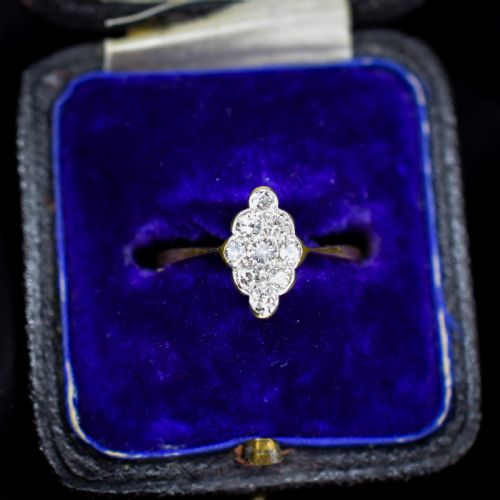
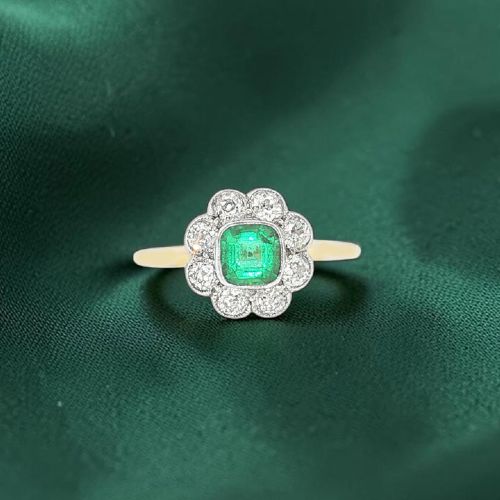
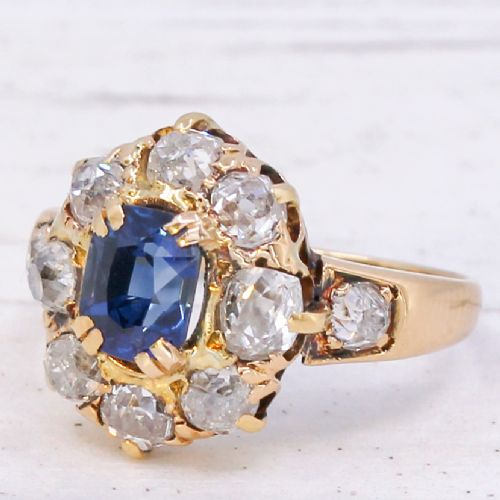
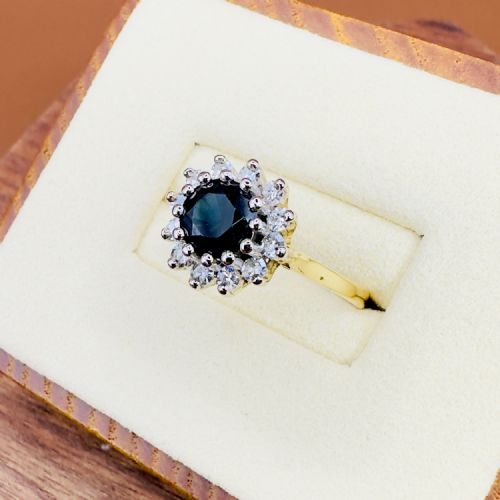
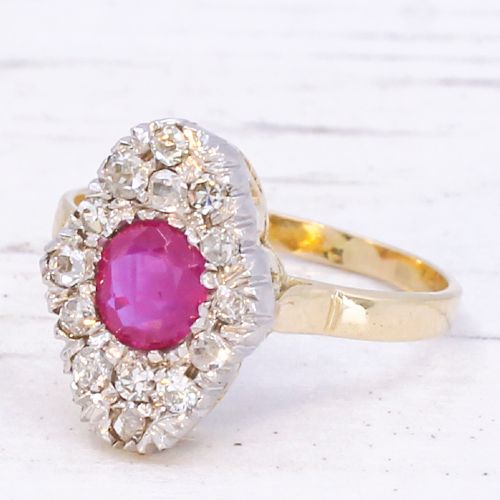
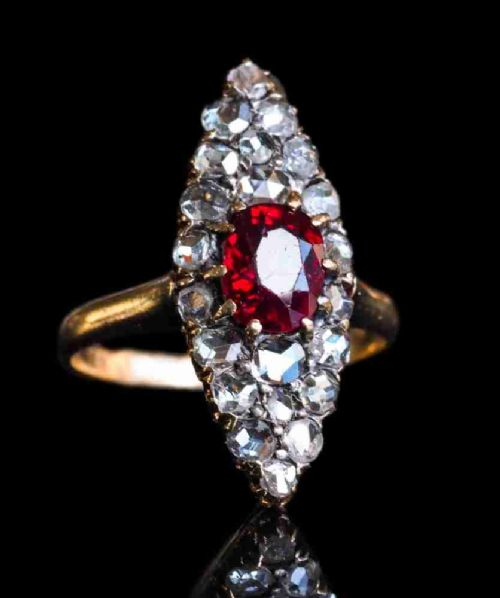
A victorian cocktail ring search brings up cluster rings, navette shapes, and broad dress rings set with bright stones. The pieces here span the Victorian era, Edwardian period, and later revivals, featuring central gems surrounded by smaller diamonds.
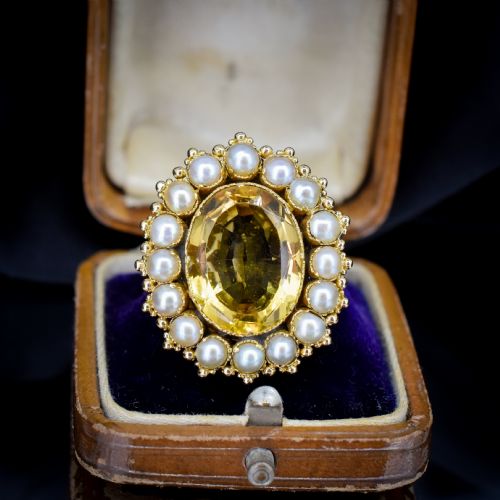
Makers utilised yellow gold, rose gold, and silver settings to support citrine, sapphire, ruby, emerald, opal, and amethyst. These forms sit broadly on the finger, designed to catch the eye across a room.
Materials and construction
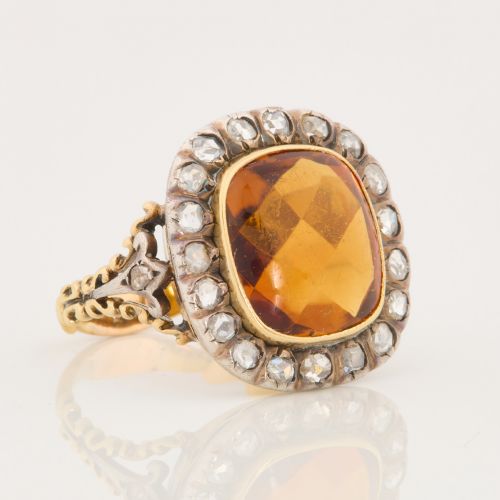
Goldsmiths worked primarily in 18ct yellow gold, 15ct gold, and 9ct gold, occasionally combining silver on the face to brighten old cut and rose cut diamond settings. Stones were secured by hand with delicate claws or enclosed in low bezels.
Clusters arranged bright sapphires, emeralds, rubies, and opals around central diamonds or citrines. Navette and marquise silhouettes extended along the length of the finger, supported by detailed shoulders and sturdy shanks.
Listings feature yellow gold, rose gold, and silver combined with diamonds, sapphires, rubies, citrines, opals, and amethysts across multiple eras.
Judging the pieces
Quality rests on the saturation and cut of the central gemstones, alongside the crispness of the surrounding diamond work. Better examples display balanced proportions where the cluster frames the main stone without overpowering it.
The integrity of the gold or silver mount matters greatly, particularly in the fine wirework of Etruscan styles or the pierced galleries of navette rings. Original settings that retain their secure claws and clean lines separate superior pieces from altered ones.
The Victorian Cocktail Ring Glossary
- Navette
- A boat shaped gemstone setting that tapers to points at either end. This silhouette elongates the finger.
- Cluster ring
- A central stone surrounded by a border of smaller gems. This arrangement maximises surface brilliance.
- Old cut diamond
- A hand-faceted diamond shape preceding modern brilliants, featuring a smaller table and high crown. These stones produce a soft, candlelight sparkle.
- Cabochon
- A gemstone polished to a smooth, convex dome rather than faceted. This cut is common for opals and star stones.
Victorian Cocktail Ring: Frequently Asked Questions
How do I wear a victorian cocktail ring safely?
These rings feature delicate hand settings and older stones that appreciate gentle care. Remove them during heavy manual tasks to protect the claws and softer gems like opals.
Store each piece in a separate compartment to prevent metal and stones from scratching one another during storage.
What defines a navette shape?
A navette shape forms a pointed oval outline resembling a small boat. This elongated silhouette sits horizontally along the finger.
Jewellers frequently used this geometry during the late nineteenth and early twentieth centuries to display diamonds and coloured gems.
Are these rings suitable for daily wear?
Daily wear is possible with robust gold shanks and durable gemstones like sapphires and diamonds. Softer materials such as pearls and opals require extra attention.
Regular checks by a jeweller help ensure the stones remain tight within their original claws.
How do I tell an original Victorian ring from a revival?
Distinguishing periods involves examining the gold alloy marks, stone cut characteristics, and hand fabrication details under magnification. Revival pieces often replicate earlier styles using slightly different manufacturing signatures.
Comparing the wear patterns on the metal helps indicate the true age of the ring.