
Victorian Coat Rack Mirror
A victorian coat rack mirror combines a functional entryway organiser with a reflective glass plate, built to welcome visitors.
Victorian Coat Rack Mirror
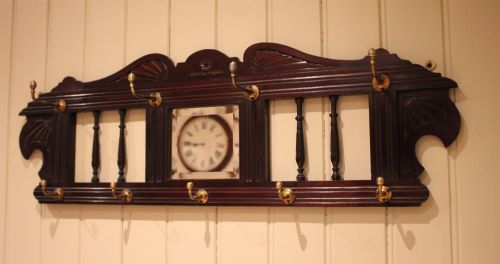
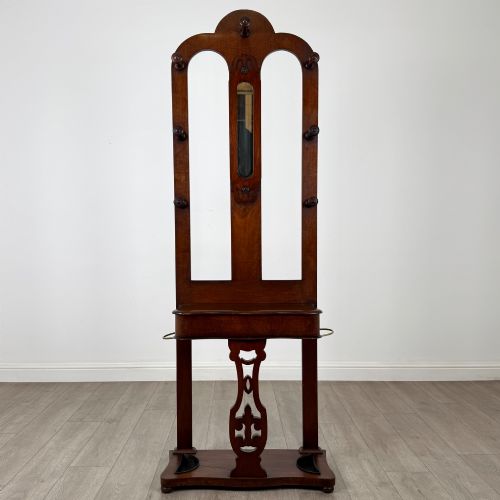
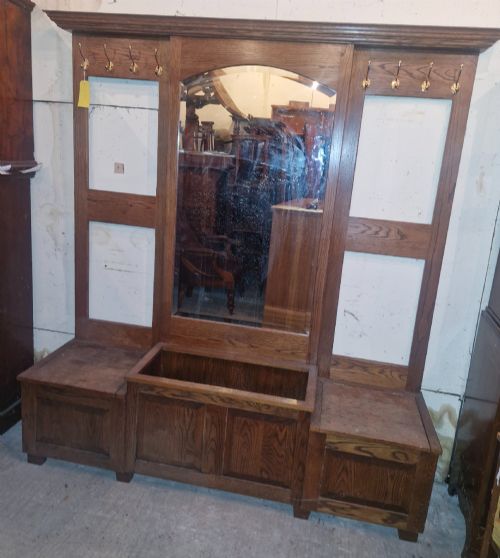
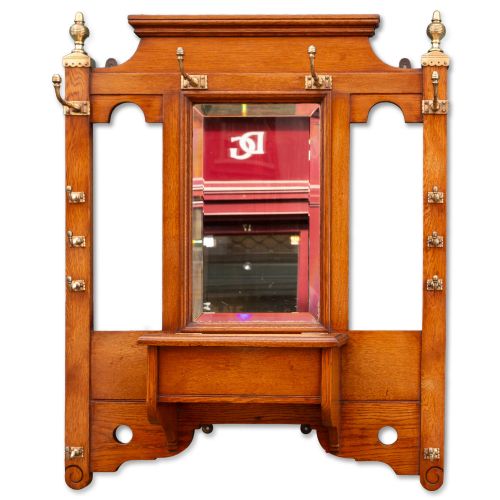
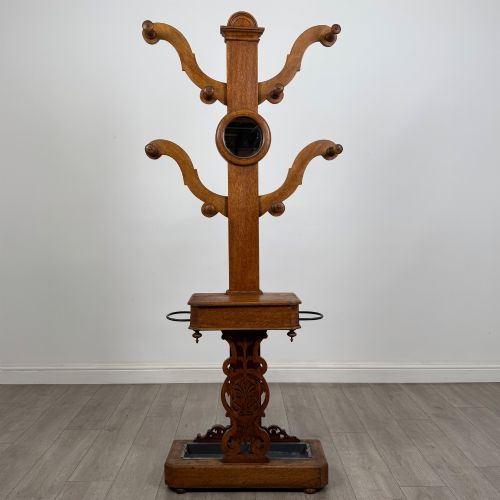
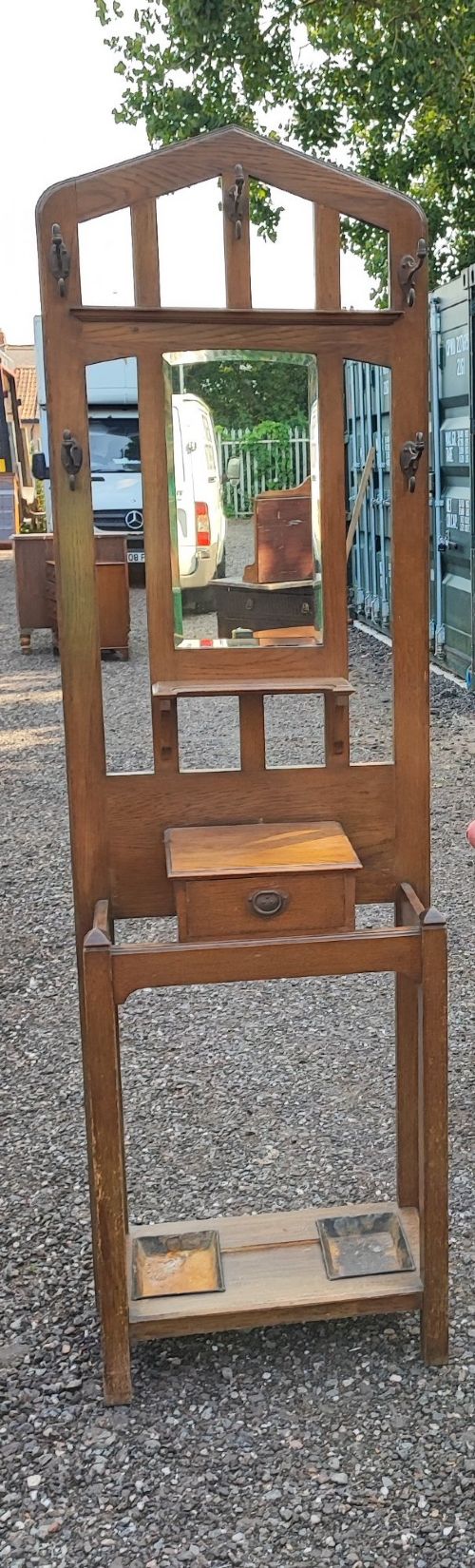
A victorian coat rack mirror typically takes the form of a hall stand, wall-mounted rack, or hall tree combining timber frameworks with integrated glass plates and metal hooks. These pieces served domestic entryways from the nineteenth century into the early twentieth century for hanging garments and checking appearance before departure.
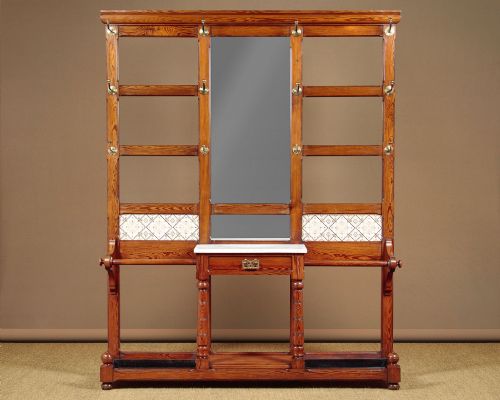
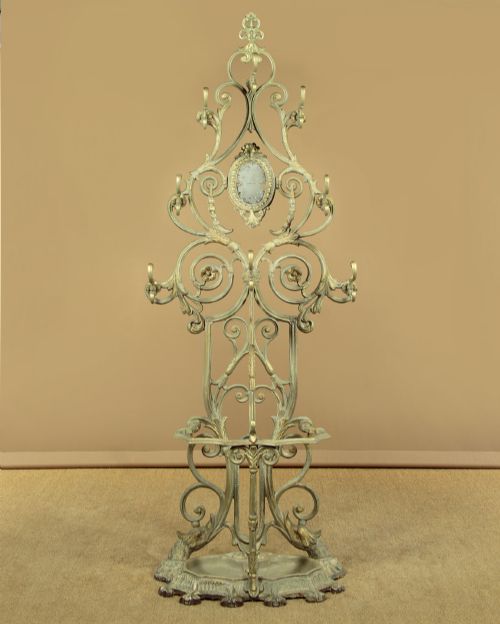
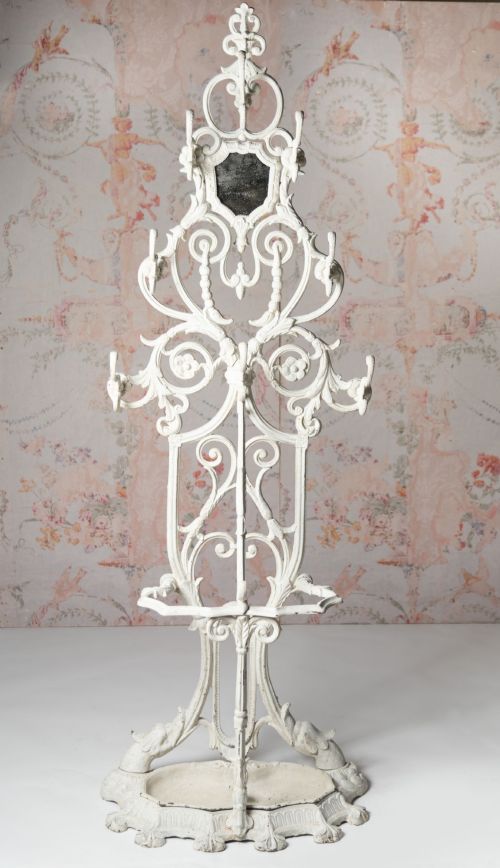
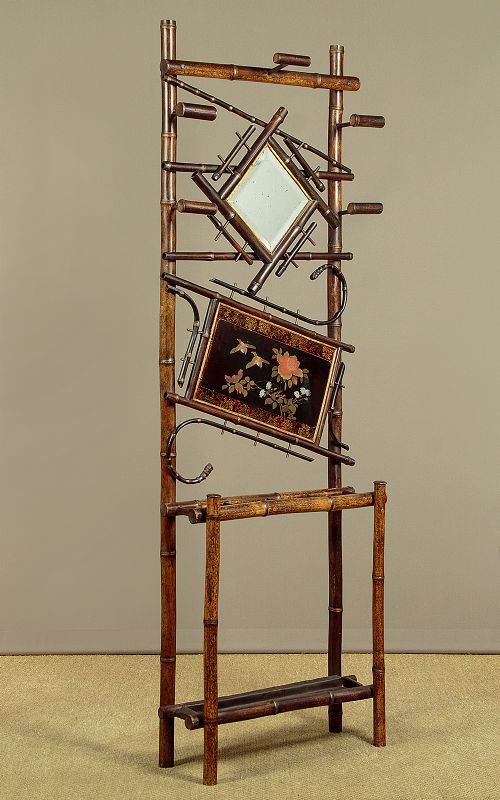
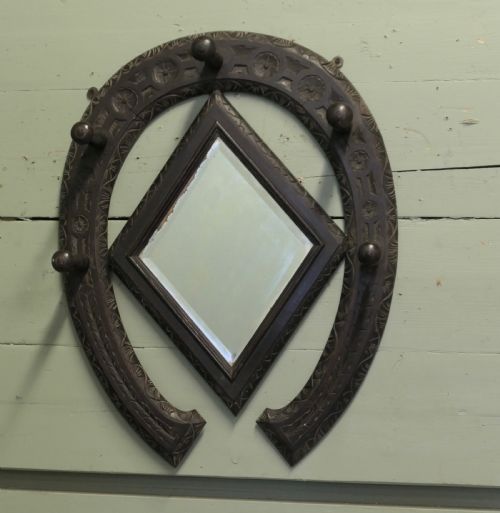
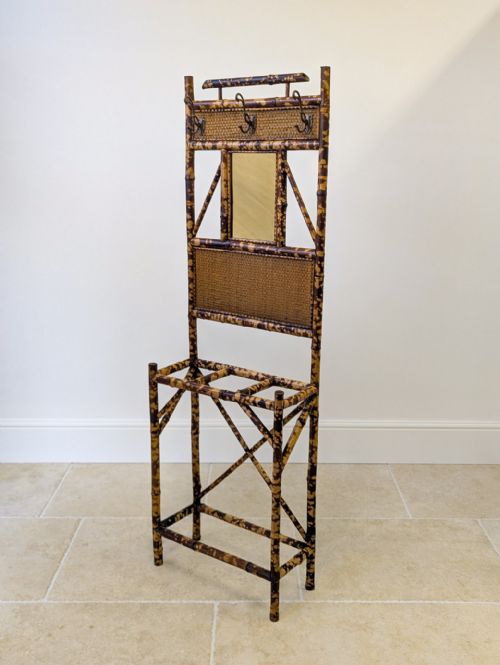
The versions most commonly met on this page span the Victorian and Edwardian periods, utilising robust woods like oak and mahogany alongside alternative materials such as bamboo and cast iron. Object types range from compact wall mirrors with brass hooks to large, multi-functional hall stands incorporating umbrella wells and marble shelves.
Materials and construction
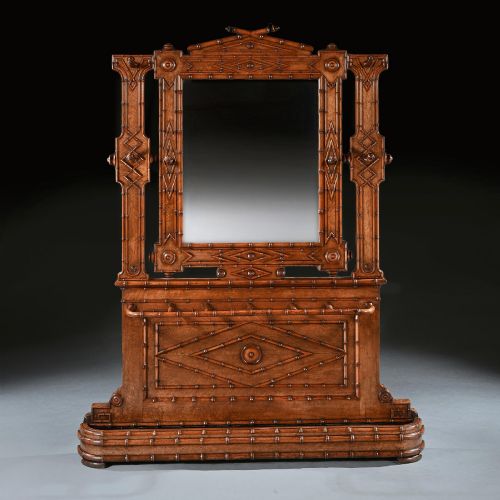
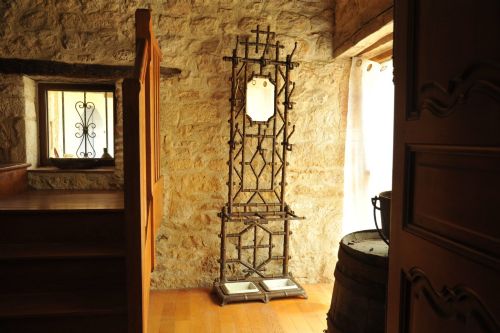
Cabinet makers utilised dense hardwoods such as oak, mahogany, and walnut, often shaping them with carved details, applied mouldings, or deep bevelled mirror plates. Alternative builds incorporated cast iron or bamboo, sometimes employing faux bamboo techniques on maple frames to satisfy late nineteenth-century tastes.
Metal elements including brass hooks and cast iron frames provided structural support and hanging capacity for heavy garments, while integrated marble shelves added durable surfaces for hats or calling cards. Joinery methods relied on traditional mortise and tenon construction to withstand the weight of coats and umbrellas.
Materials appearing across the inventory include oak, mahogany, walnut, bamboo, cast iron, brass, and marble.
Judging quality and execution
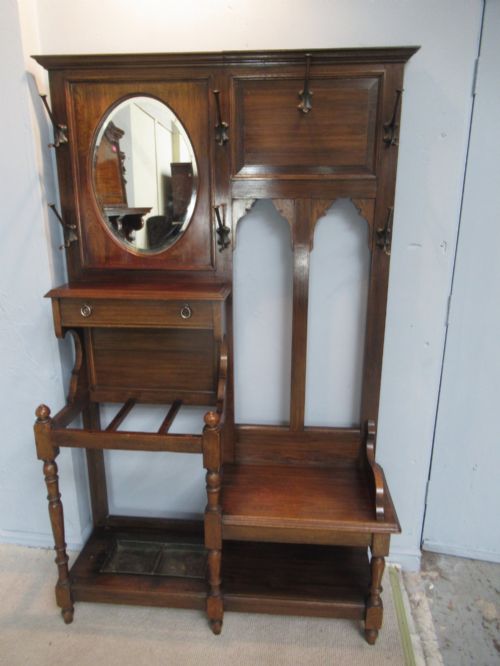
The distinction between standard and superior pieces rests on the depth and crispness of the woodwork carving, the weight of the brass or cast iron hardware, and the clarity of the original bevelled glass mirror plate. Master workshops integrated functional elements like drip trays and umbrella rings seamlessly into substantial oak or mahogany frames without overcrowding the design.
Proportion and material selection dictate overall merit, with larger multi-functional pieces demonstrating more ambitious architectural styling, such as Green Man carvings or Gothic horseshoe motifs. Lesser examples rely on plain timber panels and simpler surface treatments without sculptural detail or fitted marble surfaces.
The Victorian Coat Rack Mirror Glossary
- Hall stand
- A large freestanding piece of hall furniture combining a coat rack, mirror, umbrella stand, and often a seat or glove box. These items anchored the entrance hall of period homes.
- Bevelled plate
- A mirror glass with an angled, polished edge that catches light and adds depth to the reflection. This treatment indicates careful finishing by the glass cutter.
- Faux bamboo
- Turned and painted wood designed to imitate natural bamboo stalks. Makers utilised this decorative technique during the Aesthetic Movement.
- Aesthetic Movement
- A late nineteenth-century design style emphasising visual beauty over narrative subject matter, drawing inspiration from Japanese art and natural forms.
- Cast iron
- An iron-carbon alloy poured into moulds to create rigid, ornate structures. Famous foundries utilised this material to produce durable umbrella stands and coat frames.
Victorian Coat Rack Mirror: Frequently Asked Questions
Where were hall stands placed in period homes?
These pieces stood immediately inside the front entrance hall to receive outdoor garments, hats, and walking sticks upon arrival.
Positioning them by the main door allowed residents and guests to check their appearance in the mirror before stepping back outside.
How do I mount a wall rack safely?
Wall-mounted versions require secure fixing into wall studs or solid masonry because heavy oak and mahogany frames exert significant downward pull once loaded with coats.
Checking that the brass or iron mounting brackets connect firmly to the timber backplate ensures the piece bears the weight safely.
What is the difference between a hall tree and a hall stand?
A hall tree generally refers to a tall, freestanding post with radiating branches for hats and coats, sometimes lacking the substantial backing board of a standard stand.
By contrast, a hall stand incorporates a solid wooden back panel, an integrated mirror, and often an umbrella well or small bench seat.
Can I use an antique hall stand in a modern hallway?
These items function just as effectively in contemporary spaces for hanging daily coats and storing umbrellas in built-in metal wells.
The slim profile of wall-mounted racks or compact hall stands suits narrower modern corridors while adding period character.