


Victorian Clothes Cabinet
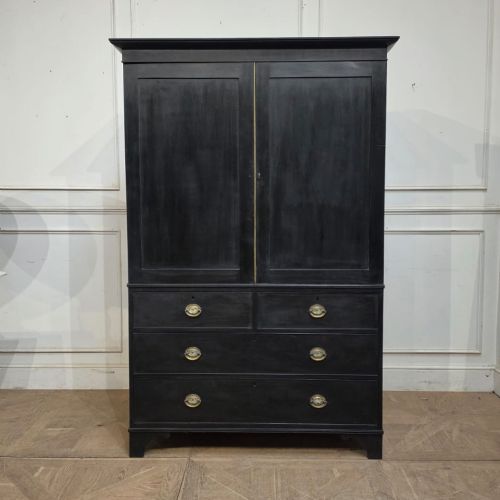
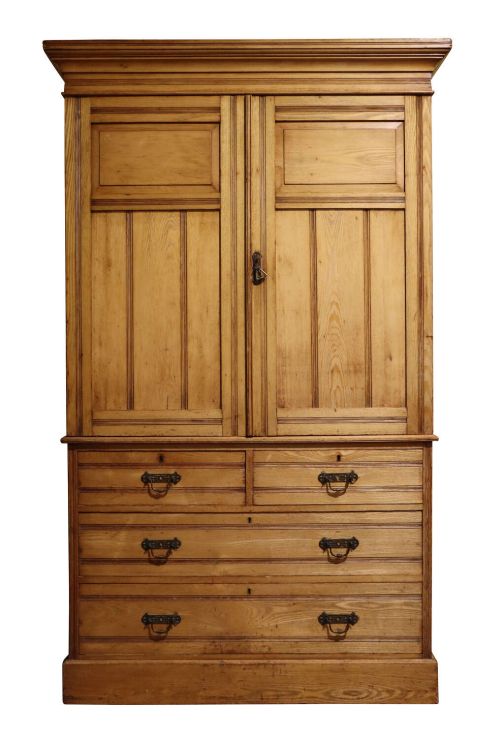
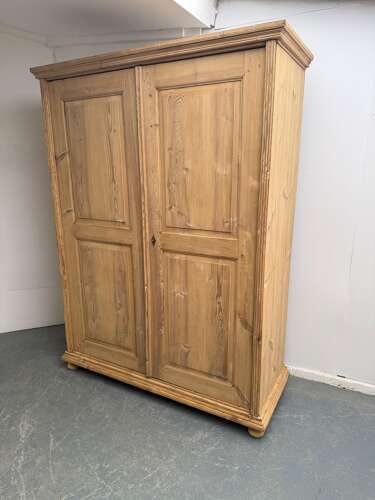
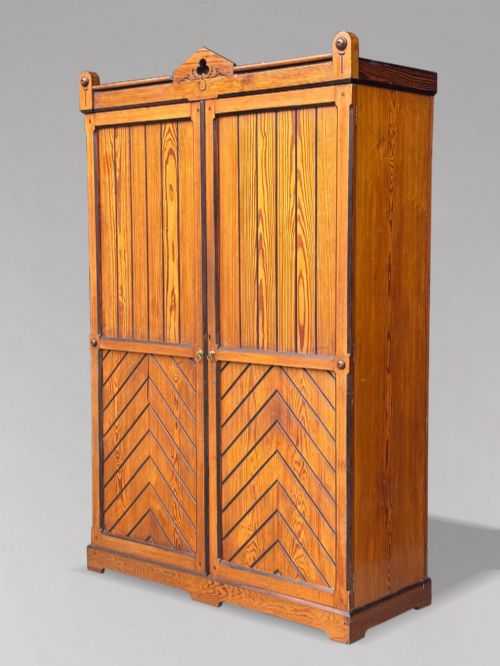
These substantial pieces, commonly known as a victorian clothes cabinet, offer serious storage for garments and linens while anchoring a bedroom with period presence.
Victorian Clothes Cabinet
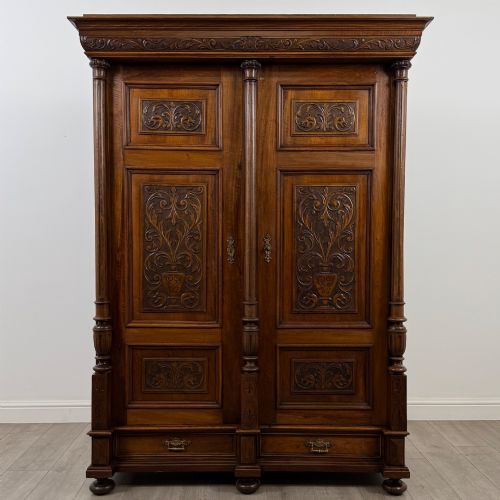
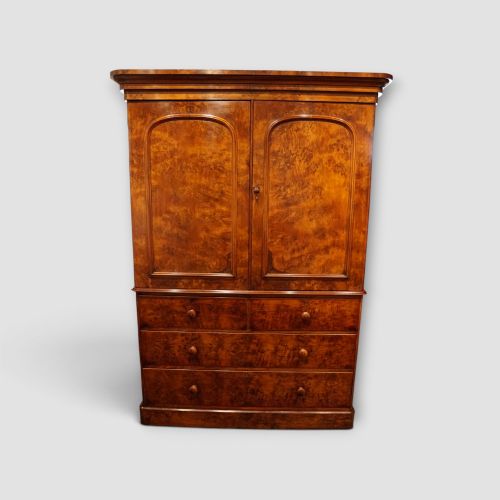
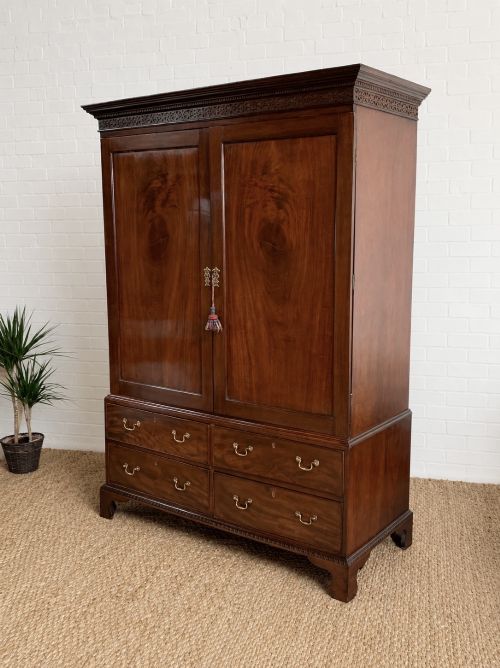
A victorian clothes cabinet encompasses large architectural wardrobes, compactums, and linen presses originating primarily from the nineteenth century, alongside related examples from the Edwardian era.
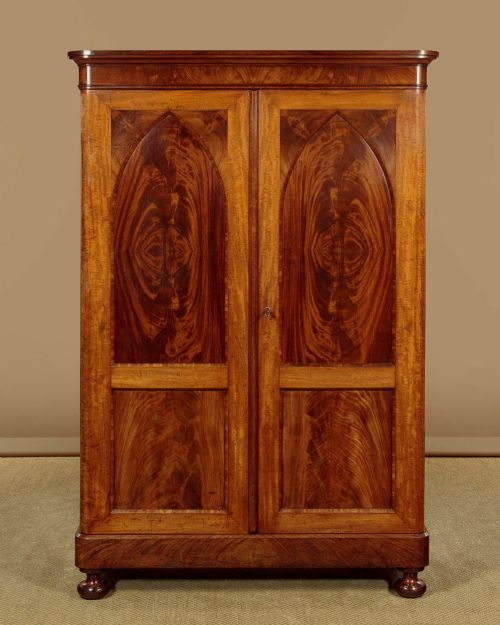
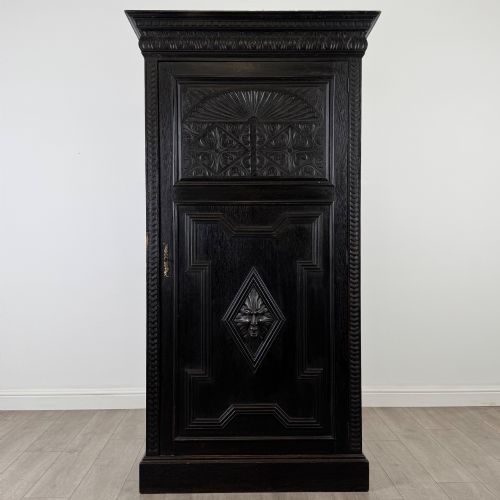
Buyers encounter substantial timber constructions designed to house hanging garments, folded linens, and drawers for smaller items, frequently following Victorian, Edwardian, Arts and Crafts, or Gothic Revival aesthetics.
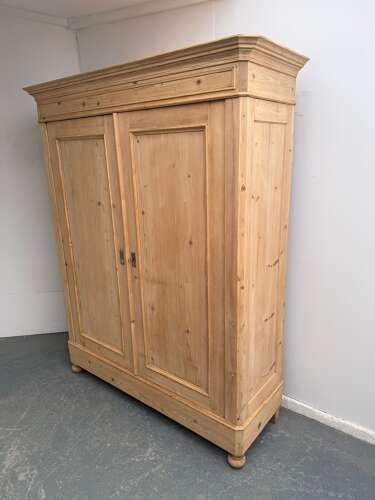
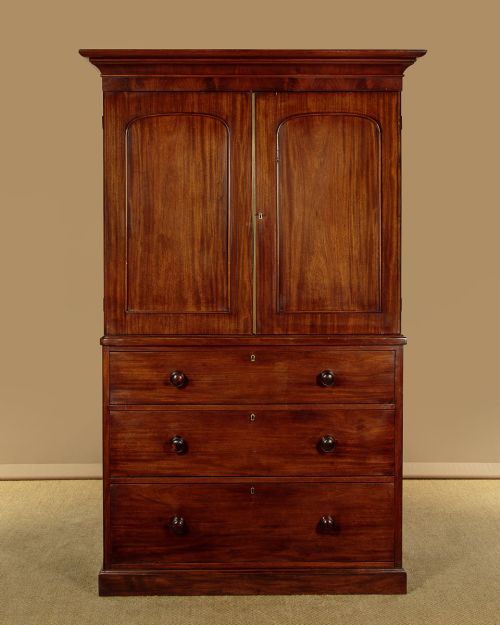
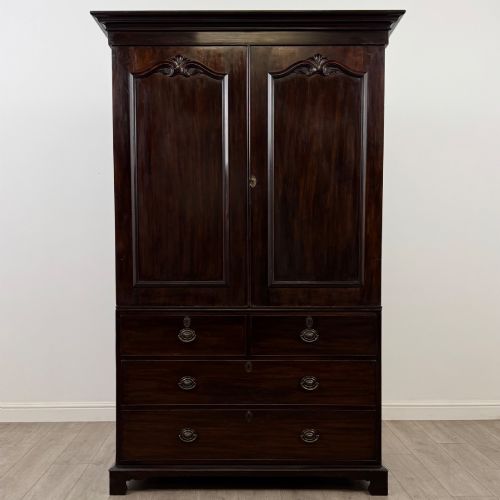
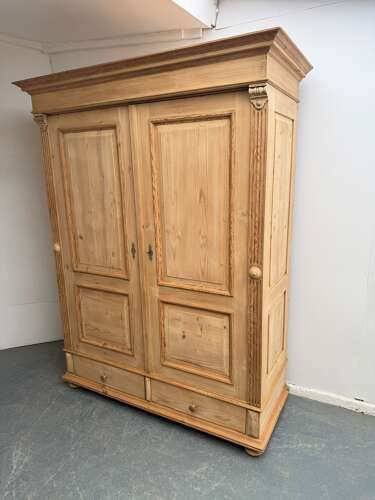
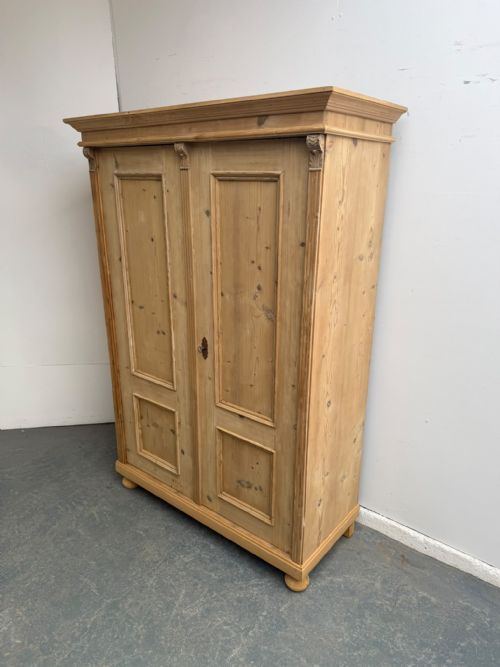
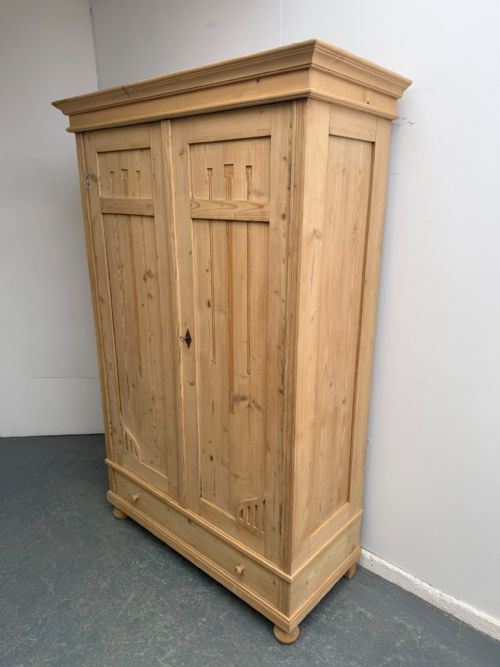
The selection ranges from tall mahogany and burr walnut multi-door armoires to stripped pine knockdown wardrobes and specialised linen presses configured with sliding trays or internal shelving.
Materials and construction
Cabinetmakers utilised robust native and imported timbers including mahogany, walnut, burr walnut, oak, and pine, frequently pairing them with secondary woods and brass hardware.
Many large wardrobes utilised knockdown construction methods using internal bolts, allowing these heavy pieces to be disassembled for transport into upper-floor bedrooms.
Victorian Clothes Cabinet Retail Price Guide 2026
Typical asking prices for victorian clothes cabinet among the pieces listed under this phrase on Sellingantiques today, from the lower quarter to the upper quarter. They describe what is for sale here now, not the wider market.
Listings feature woods like mahogany, burr walnut, satinwood, and pine alongside brass hardware.
Distinctions in build
Superior examples demonstrate refined cabinetmaking through matched veneer selections, intricate blind fretwork cornices, and precise joinery on drawers and panelled doors.
The presence of specialised internal configurations, such as linen slides, satinwood inlay, or integrated compartments, separates standard utility furniture from high-status bedroom suites.
maples & co·Heals·Holland & Sons
The Victorian Clothes Cabinet Glossary
- Compactum
- A multi-functional wardrobe combining hanging space, drawer stacks, and shelving within a single footprint. This form maximises bedroom storage efficiency.
- Linen Press
- A tall storage piece featuring upper panelled doors enclosing sliding trays or shelves, positioned above a base chest of drawers. These units originally protected household textiles.
- Knockdown
- A piece engineered to dismantle into modular sections using internal bolts or pegs. This design enabled historical transport through narrow stairwells.
- Blind Fretwork
- Carved ornamentation applied to cornices or friezes in a continuous geometric pattern without piercing the wood. This detail signals finer craftsmanship.
- Cornice
- The decorative moulded projection capping the top of a cabinet. It crowns the architectural silhouette of large wardrobe pieces.
Victorian Clothes Cabinet: Frequently Asked Questions
What is a compactum wardrobe?
A compactum is a specialised multi-compartment wardrobe designed to organise diverse garments within a single footprint. It typically combines hanging space, sliding trays, and drawer units.
These versatile pieces provide comprehensive bedroom storage by dividing the interior into dedicated sections for coats, folded clothes, and smaller accessories.
How do I assemble a knockdown wardrobe?
Knockdown wardrobes utilise internal bolts, nuts, and numbered wooden panels designed to lock together securely without permanent glue joints. Two people can assemble these modular units by aligning the side panels, securing the cornice and base, and hanging the doors.
Careful alignment ensures the doors swing true and the internal sliding trays glide smoothly within the frame.
Which woods were used for these cabinets?
Cabinetmakers employed durable hardwoods like mahogany, oak, walnut, and exotic veneers such as burr walnut and birds-eye maple for visible exterior surfaces. Pine served widely as a sturdy primary wood for painted or waxed utility cupboards and knockdown wardrobes.
Secondary timbers like oak or deal appeared inside drawer linings and internal framing.