


Victorian Clothes Airer
These Victorian clothes airer options bring practical domestic history into your home, offering sturdy drying solutions with genuine period character.
Victorian Clothes Airer
When you search for a Victorian clothes airer, you are looking at practical nineteenth-century household utility items designed for drying garments and linens by the hearth or in the scullery. These pieces span standard standing frames, folding multi-fold designs, and wall-mounted versions that make efficient use of domestic space.
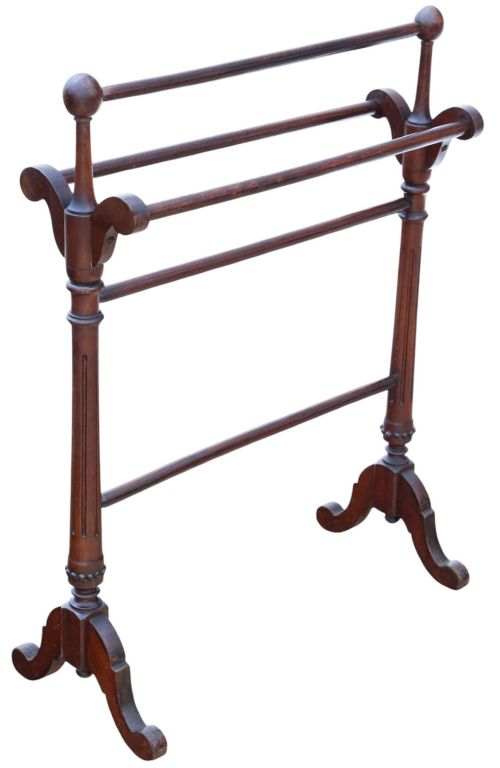
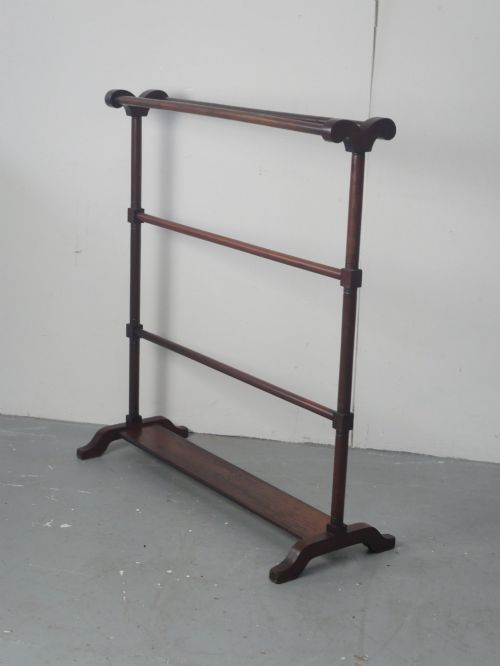
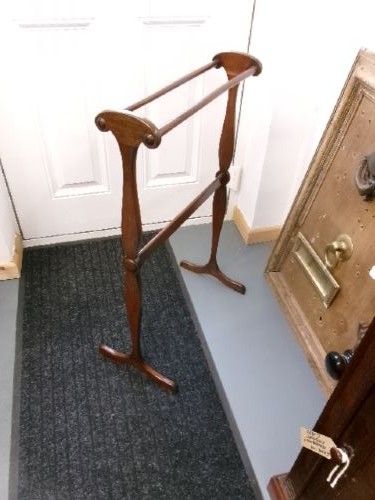
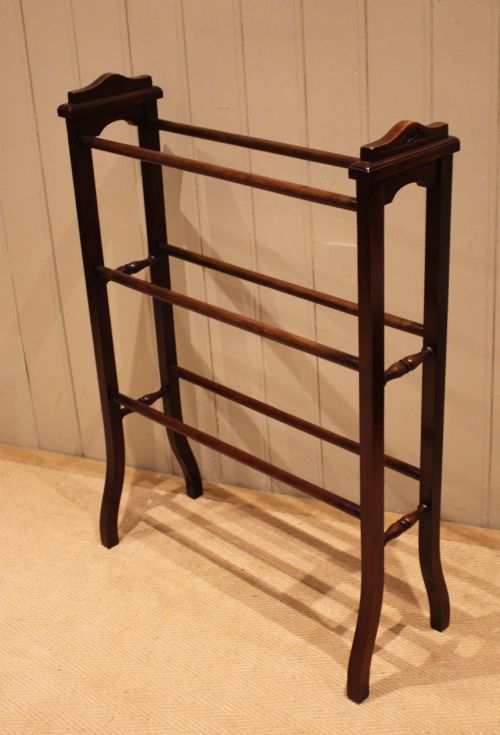
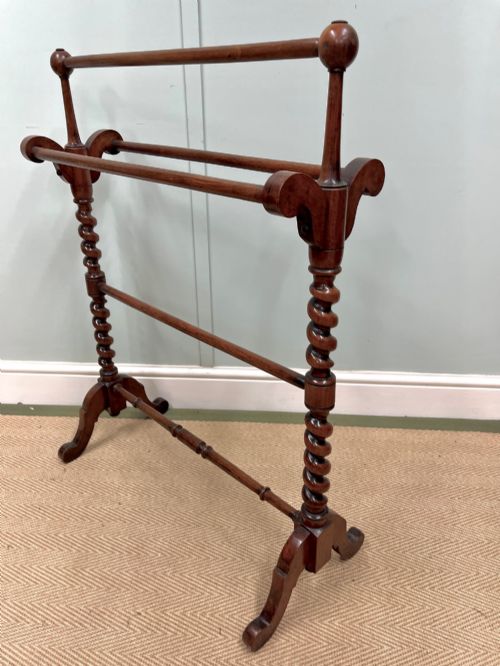
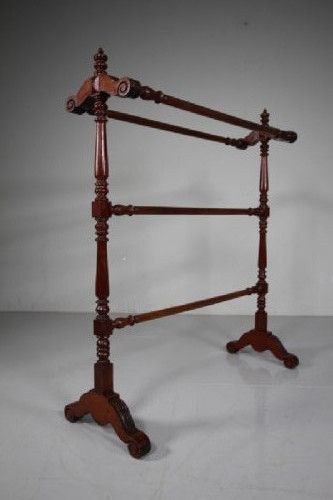
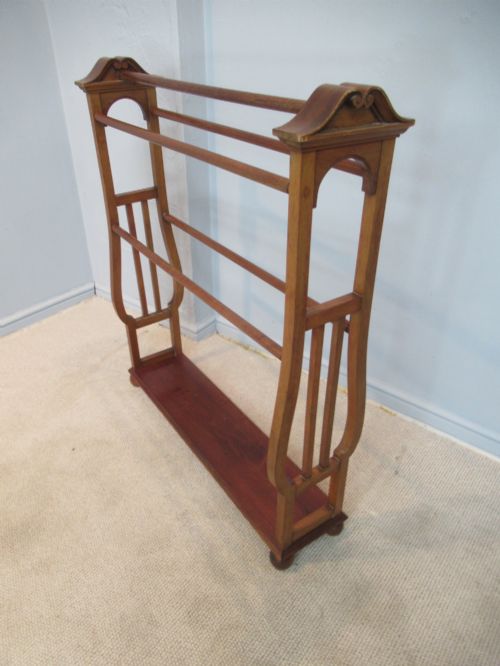
The pieces you are most likely to meet on this page include mahogany standing towel rails and folding cheval frames dating from the nineteenth century. Alongside these standard timber formats, you will encounter pine airers, nursery fenders incorporating clothes rails, and kitchen hanging racks designed for everyday household utility.
Materials and Construction
Makers utilised timber such as mahogany, walnut, oak, and pine to build these functional household frames. Hardwoods provided strength for folding and standing structures, while softer pine served for larger wall-mounted or ceiling-hung utility racks.
Construction techniques focused on utility and durability, using pegged joints, turning for rails, and hinged folds to allow frames to expand and collapse. Iron brackets, wire mesh, and brass fittings occasionally reinforced the wooden structures for heavy domestic use.
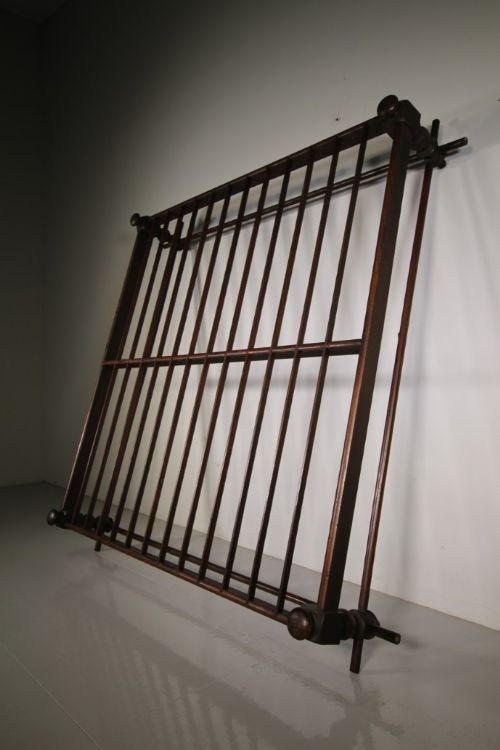
A sixteenth-foot pine airer proves Victorians took indoor laundry drying very seriously indeed.
Judging Quality
Quality in these utility items rests on the selection of timber and the integrity of the joints rather than surface decoration. Heavier framing, well-turned rails, and sound folding mechanisms distinguish superior examples from plain utility pieces.
Proportion and scale also separate standard items from finer examples, with oversized or multi-fold pieces showing more ambitious carpentry. Original surfaces and honest wear from domestic use preserve the character expected in better pieces.
The Victorian Clothes Airer Glossary
- Cheval rail
- A standing frame designed to swing or fold on pivots. This format allows the rails to angle outward for drying laundry.
- Nursery fender
- A metal or wire mesh guard placed around a hearth with an integrated rail. It protected children from open fires while warming or drying small garments.
- Hanging rack
- A ceiling-mounted or wall-mounted timber frame with slats. It utilised rising heat in kitchens and sculleries to dry laundry efficiently.
- Gateleg action
- A hinged folding mechanism allowing frames to open flat or collapse for storage. It provides stability when extended in busy domestic spaces.
Victorian Clothes Airer: Frequently Asked Questions
How were clothes airers used?
These frames stood near hearths or hung from ceilings to dry laundry using household heat.
They folded or swung outward to hold multiple garments at once.
Where were they placed in homes?
Households positioned them in kitchens, sculleries, and nurseries where warmth aided the drying process.
Wall-mounted and hanging versions saved valuable floor space in busy rooms.
How do I date a clothes airer?
Dating relies on timber choices, turning styles, and construction methods characteristic of the nineteenth century.
Mahogany and walnut point to formal reception or bedroom areas, while pine suggests utility spaces.
Can I use an antique airer today?
These sturdy wooden frames remain entirely functional for drying textiles and linens.
Their hinged designs and rails adapt easily to modern utility or laundry rooms.