


Victorian Cigar Box
A victorian cigar box is a gentleman's smoking accessory designed to protect leaves from damp, and buyers seek them for their craftsmanship and period presence.
Victorian Cigar Box
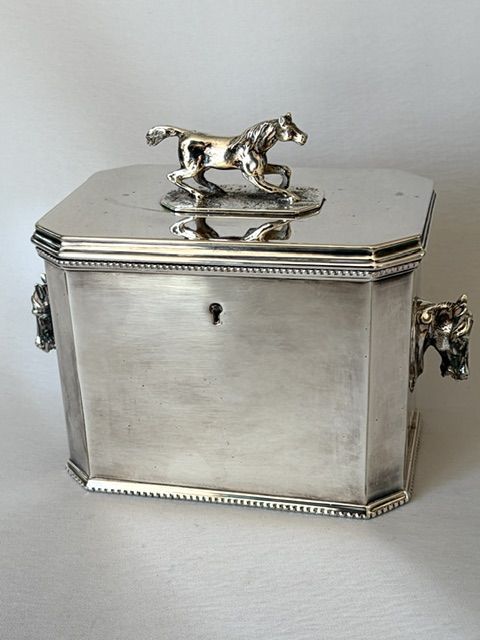
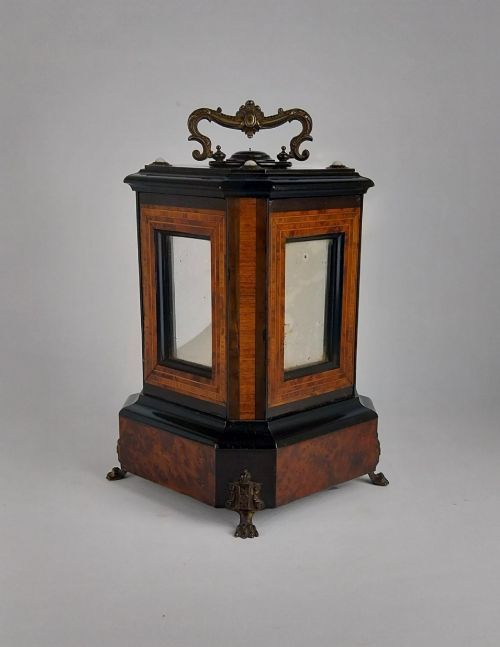
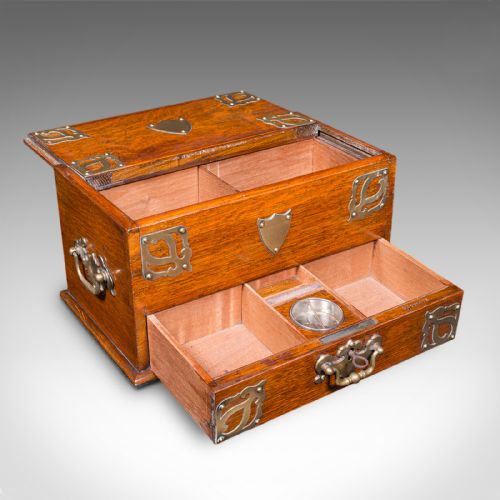
When you search for a victorian cigar box, you encounter timber humidors, metal travel cases, and silver table boxes originating primarily from the nineteenth century. The most common examples on this page are sturdy wooden receptacles designed to hold tobacco securely on a desk or in a smoking room.
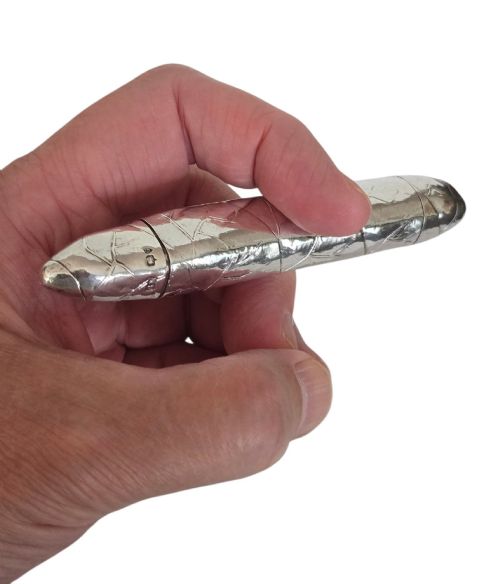
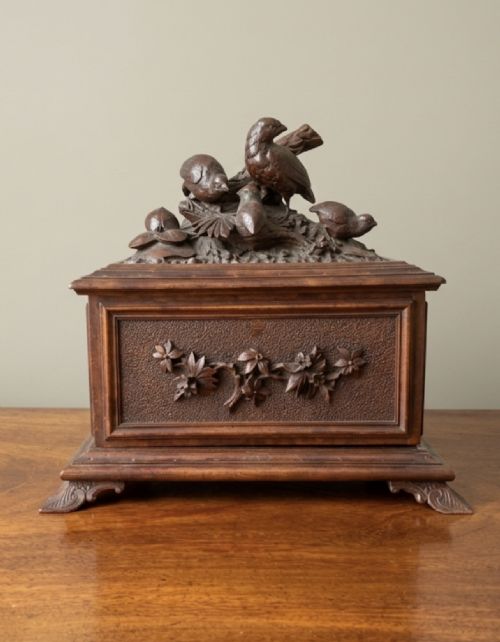
The selection ranges from utilitarian brass-bound oak containers to highly ornamental Black Forest carvings and silver-mounted travel boxes. Many pieces double as collectors' cabinets, desktop smokers' companions, or novelty items shaped like railway coal wagons and animals.
How they were made
Makers constructed these boxes using dense hardwoods such as oak, burr walnut, and mahogany, frequently mounting them with brass corners, locks, and hinges. Silver models utilised sterling silver or silver plate, often paired with cedar wood linings to preserve the tobacco.
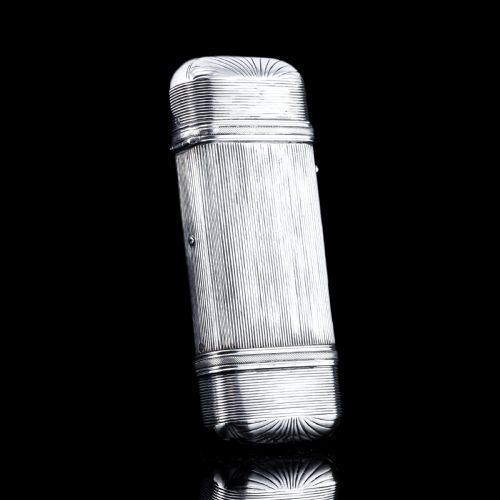
Decorative techniques include hand-carving in linden wood for Black Forest animal figures, reeded designs on silver cases, and inlaid woodwork such as Tunbridge ware. Compendiums and novelty pieces combined carved wood, cast metal elements, and fitted glass components.
Form variations include railway coal wagons, bears, and musical boxes alongside standard rectangular humidors.
What varies in quality
The distinction between standard containers and finer items rests on the precision of the joinery, the thickness of the silver or timber, and the complexity of the design. Heavy gauge silver, fully articulated locking mechanisms with functioning keys, and hand-carved sculptural details elevate a piece above simpler production items.
Sampson Mordan & Co·Wright & Davies·Jane Brownett Alexander Jones·George Henry James·Thomas Diller
The Victorian Cigar Box Glossary
- Humidor
- A moisture-controlled box designed to keep cigars fresh. They frequently feature cedar wood linings to maintain proper humidity.
- Vesta case
- A small pocket box used for holding matches. These match safe containers often match the silver design of a cigar case.
- Compendium
- A multi-purpose smoking or desk accessory set. These items often house drawers, cutters, and multiple storage compartments.
- Tantalus
- A locking drink decanter frame often incorporated into smoker's cabinets. The wooden stand secures decanters behind a barred locking mechanism.
- Cheroot
- A narrow cigar cut straight at both ends. Cases specifically made for these are slimmer than standard cigar boxes.
Victorian Cigar Box: Frequently Asked Questions
What is a victorian cigar box?
A victorian cigar box is a period container built to store cigars safely while keeping them humidified and secure. These objects range from simple oak desktop chests to ornate silver compendiums.
They reflect the prominent smoking culture of the nineteenth century, serving as functional desktop or travel items for gentlemen.
How were they used?
Owners placed their cigars inside these wooden or metal containers to protect the tobacco from drying out or absorbing ambient odours. Many included locks to restrict access to valuable imports.
Travel versions accompanied gentlemen on journeys, while larger tabletop models remained stationary in studies, clubs, and smoking rooms.
How do I identify periods?
Dating relies on hallmarks stamped on silver mounts, maker marks, and prevailing stylistic cues such as Arts and Crafts or Black Forest carving. Oak and burr walnut boxes often show construction traits typical of the nineteenth century.
Examining locks, hinges, and interior cedar linings provides further clues regarding the manufacturing decade and origin.
How do I live with one?
These boxes function well as desktop storage for small keepsakes, desk accessories, or modern cigars when the interior lining remains sound. Placing them out of direct sunlight protects the polished wood and delicate metal mounts.
Regular dusting and gentle conditioning of the wood help preserve the historic finish without altering the surface patina.