
Victorian Chippendale Style Chairs
Victorian chippendale style chairs bring the refined proportions of eighteenth-century cabinet-making into nineteenth-century dining rooms through robust mahogany frames and carved splats.
Victorian Chippendale Style Chairs
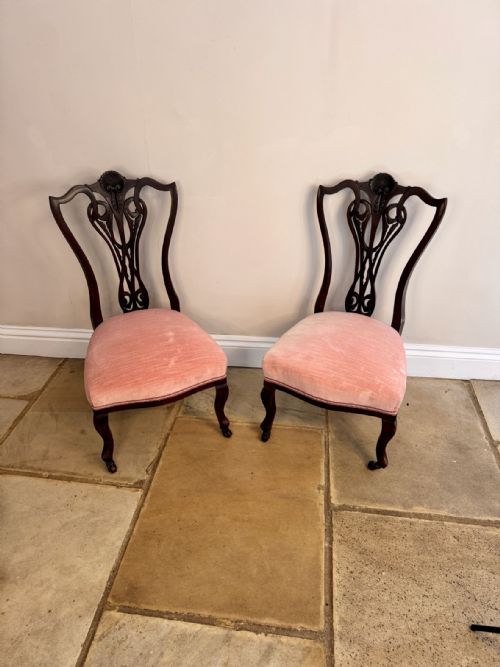
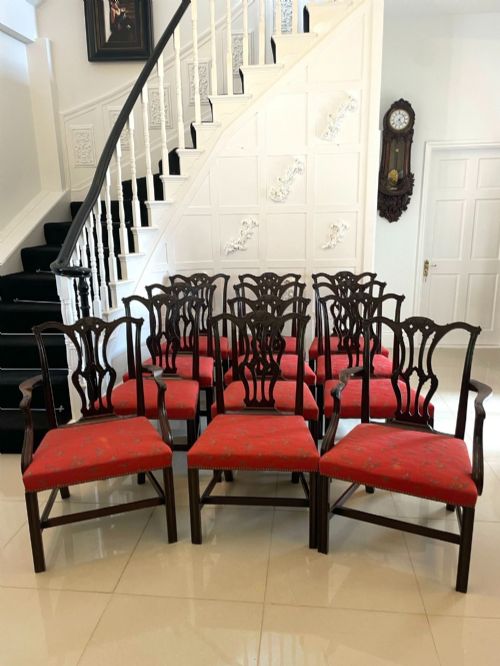
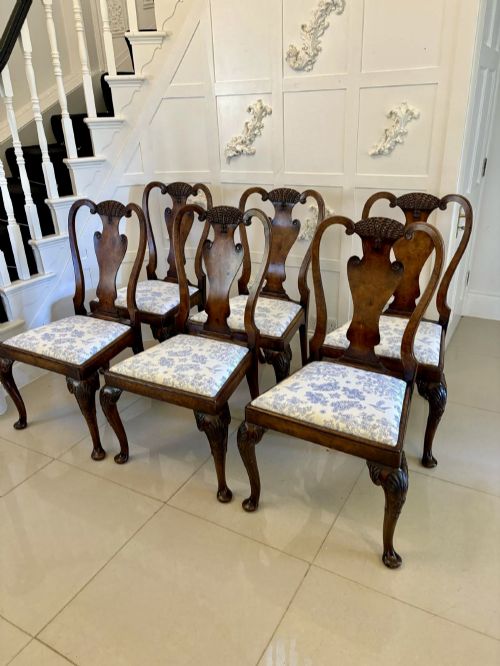
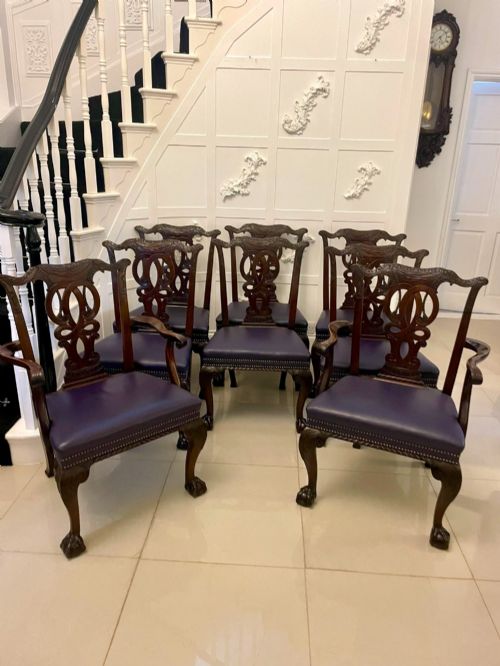
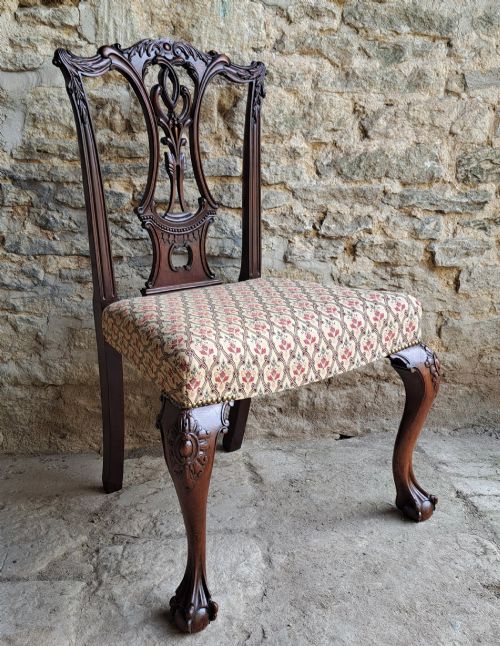
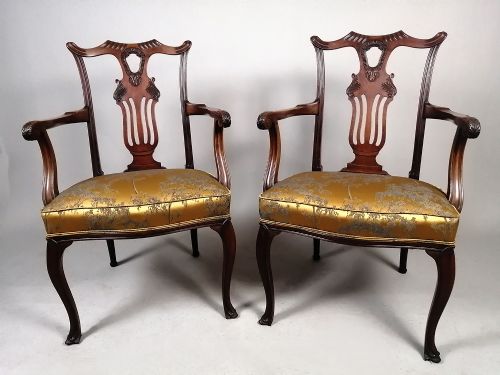
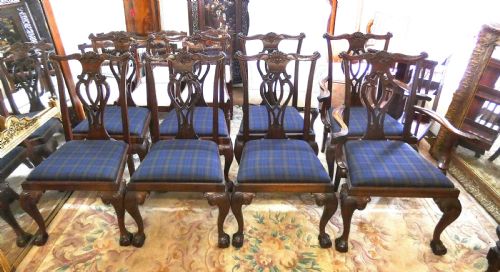
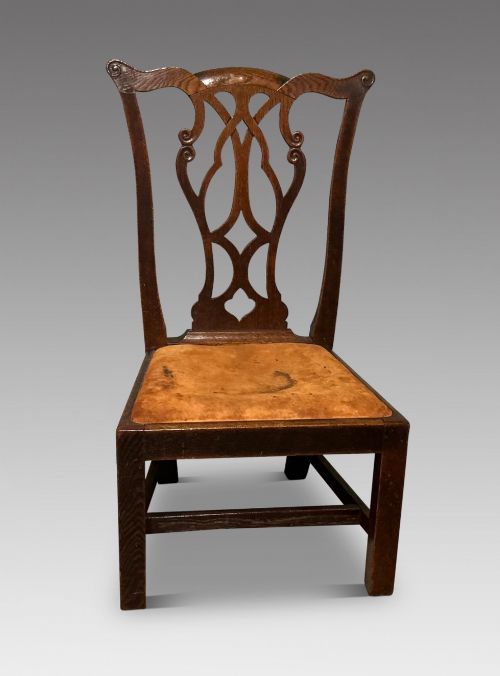
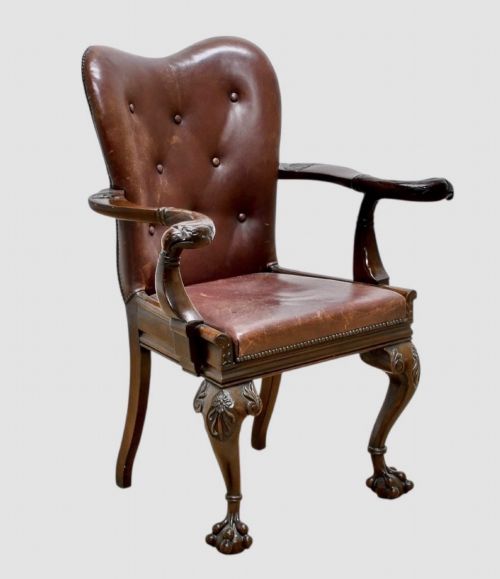
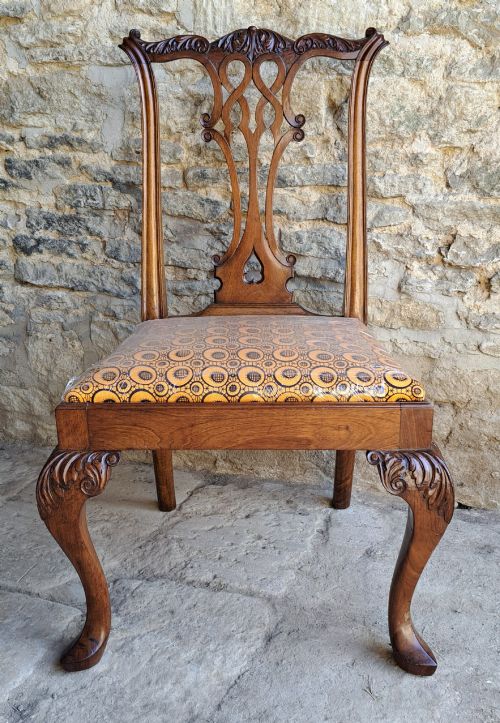
Victorian chippendale style chairs comprise dining sets, single side chairs, and substantial library armchairs produced across the nineteenth century and into the early twentieth century. These seating forms adapt classic ribbon-back and interlaced splat designs, alongside heavy ball-and-claw feet, to suit later Victorian dining and drawing room interiors.
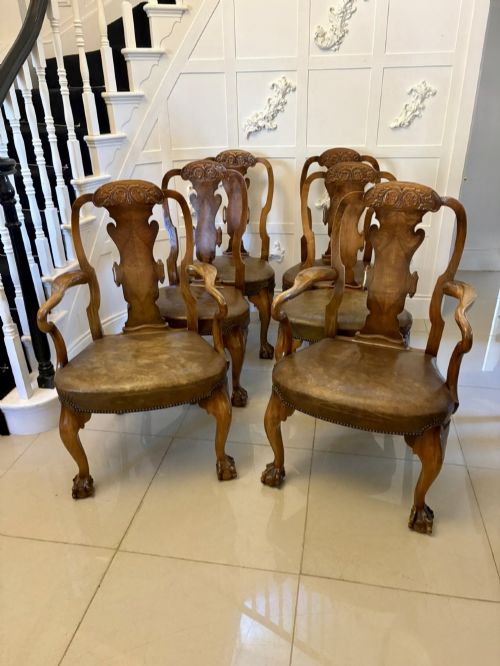
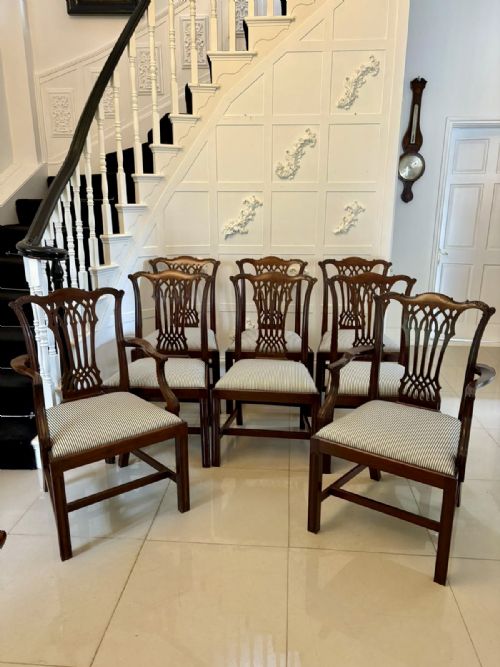
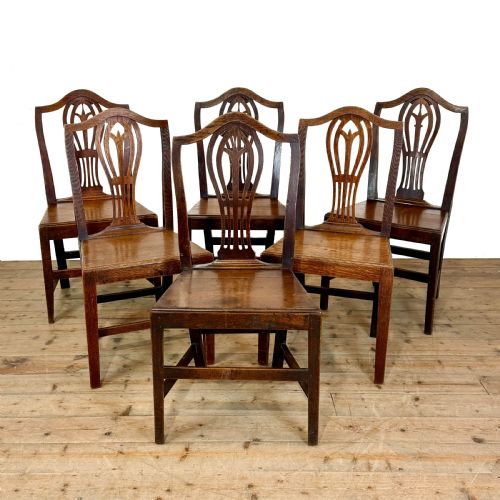
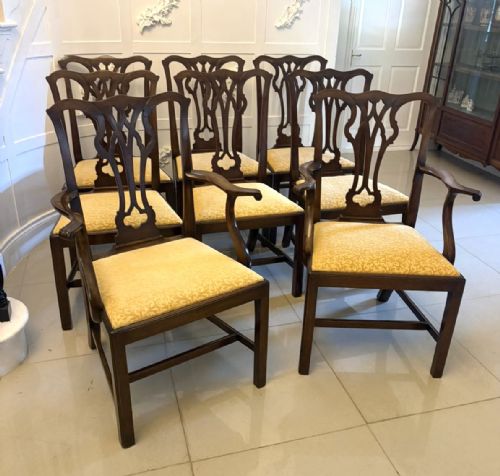
Buyers meet single chairs, pairs, and large matched sets numbering up to twelve or fourteen pieces. Mahogany forms the predominant choice for these sets, occasionally accompanied by walnut alternatives and smaller numbers of oak seating.
How they were made
Makers shaped these frames primarily from solid mahogany and walnut, employing traditional mortise and tenon joints to secure the seat rails and uprights. Carvers utilised hand tools to execute intricate ribbon backs, acanthus leaf motifs, and blind fretwork directly into the dense hardwood.
Upholstery techniques combined webbed seat bases with horsehair stuffing and springs, covered in leather, tapestry, velvet, or plain fabric. Brass tacks often secured the outer edges of the textile covers to the mahogany seat frames.
Some gossip chairs snuck into the Edwardian listings, proving everyone needed a comfortable perch for local intelligence.
What varies in quality
The depth and crispness of the hand carving dictate the standing of individual pieces, separating fluid, deeply undercut foliage from shallow, machine-influenced moulding. Timber selection plays an equal role, with dense Cuban mahogany and highly figured walnut achieving superior visual weight.
Uniformity across large sets distinguishes workshop output, ensuring that splat profiles, leg proportions, and carving details remain consistent from single chairs to carver armchairs. Original upholstery foundations and untouched frame structures preserve the integrity expected by discerning collectors.
William Walker And Sons·Gill And Reigate
The Victorian Chippendale Style Chairs Glossary
- Chippendale Revival
- A late nineteenth-century movement dedicated to reproducing or adapting the mid-eighteenth-century furniture designs of Thomas Chippendale. This aesthetic heavily influenced Victorian dining chair production.
- Carver
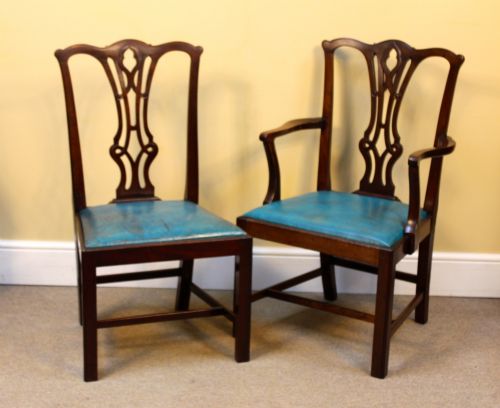
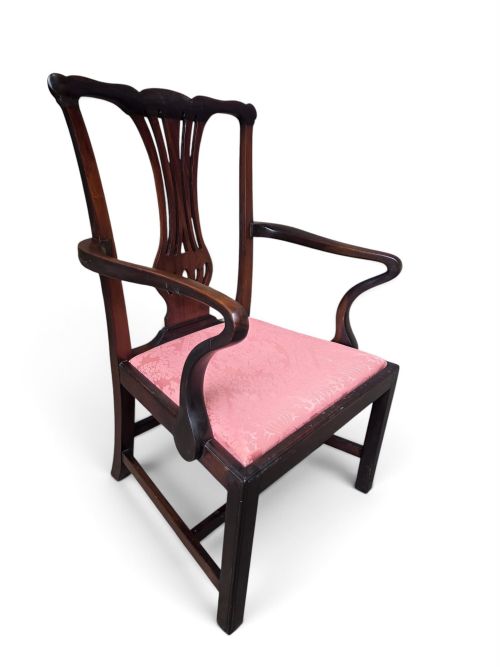
- A term used by dealers for an armchair, typically designed for the head of a dining table and featuring elbow rests. These accompany sets of single dining chairs.
- Splats
- The vertical wooden strip down the centre of a chair back, often pierced and carved into intricate ribbon or interlaced patterns in these revival pieces.
- Ball and claw
- A furniture foot motif depicting a bird's talon clutching a ball, commonly carved onto the cabriole legs of classical and revival seating forms.
- Library armchair
- A large, deeply upholstered seat designed for reading rooms, frequently finished with leather upholstery and open carved mahogany arms.
Victorian Chippendale Style Chairs: Frequently Asked Questions
How do I date these chairs?
Dating relies on timber characteristics, secondary woods, and construction methods visible beneath the seat rails. Nineteenth-century examples often display hand-cut joinery and dense mahogany stock.
Style shifts also offer clues, moving from mid-century proportions to heavier late Victorian and Edwardian interpretations of eighteenth-century forms.
Can I mix carvers and single chairs?
Dining sets frequently combine two armchairs with six or eight single side chairs for placement around a table. Historical workshops routinely produced matching suites configured this way for dining rooms.
Matching timber grain and carved back motifs ensure visual harmony when placing armchairs alongside single chairs.
What maintenance do leather seats require?
Leather upholstery benefits from periodic conditioning using specialist balms to prevent drying and cracking over time. Gentle dusting with a dry cloth keeps the surface clean without damaging the material.
Avoid placing these chairs near direct heat sources or strong sunlight to protect both the leather and the polished mahogany frames.
How do revival pieces differ from originals?
Revival pieces date from the nineteenth century rather than the lifetime of Thomas Chippendale, employing nineteenth-century workshop practices and machine assistance. Timber density and secondary framing woods typically reveal this later manufacturing period.
Despite dating later, these chairs demonstrate high standards of cabinet-making and carving craftsmanship in their own right.