



Victorian China Service
A victorian china service brings the unmatched artistry of nineteenth-century dining tables directly into modern rooms.
Victorian China Service
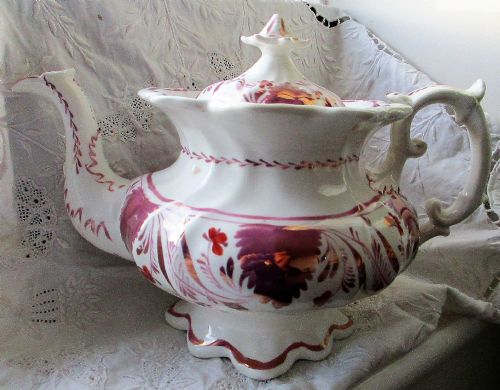
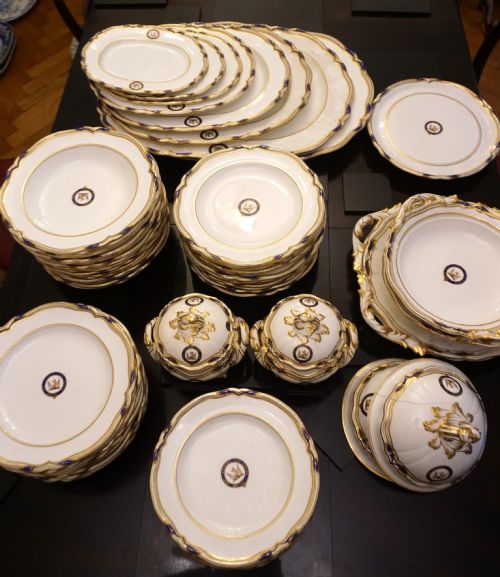
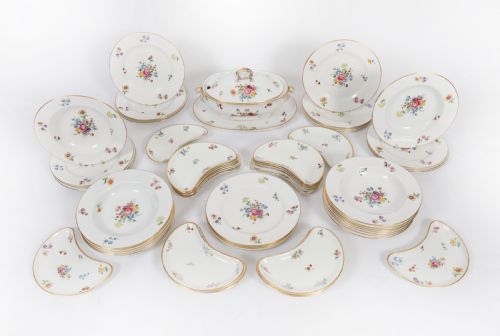
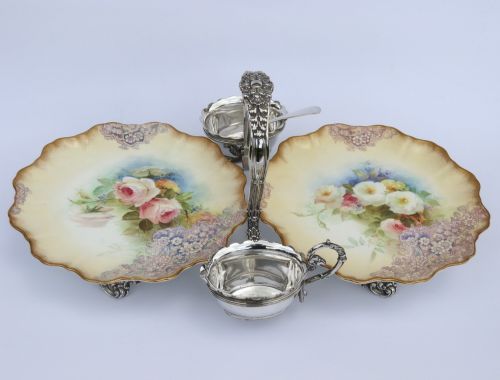
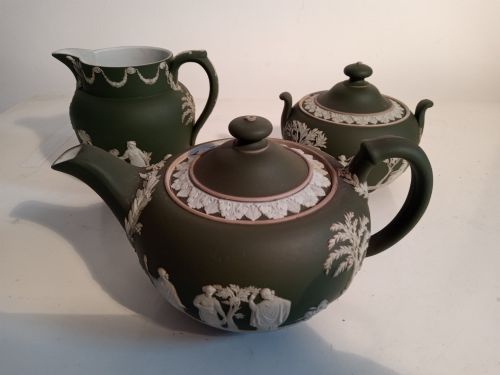
A victorian china service encompasses everything from extensive dinner sets and tea services to dessert services and cabinet plates. These groupings reflect the formal dining and entertaining rituals of the nineteenth century, utilising porcelain, bone china, and earthenware across periods spanning the mid to late eighteen-hundreds.
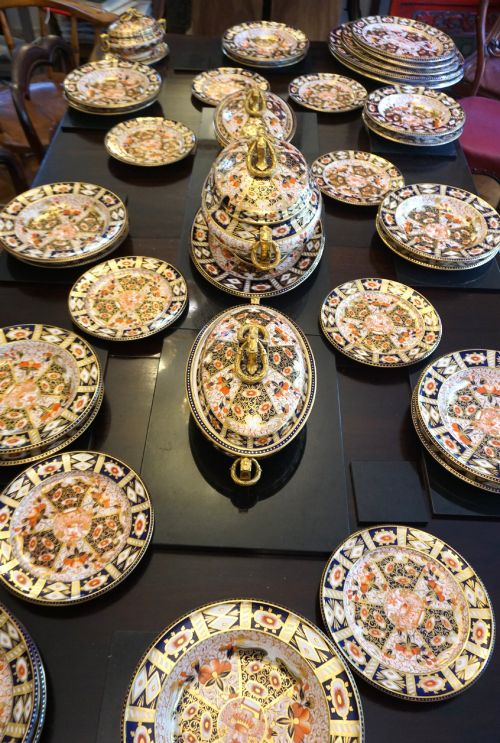
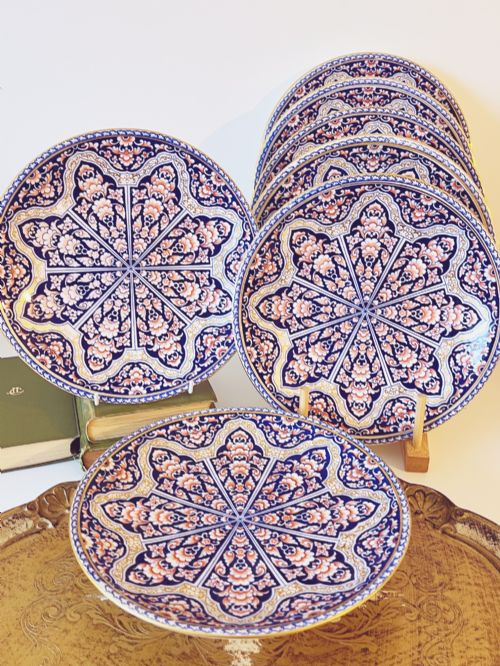
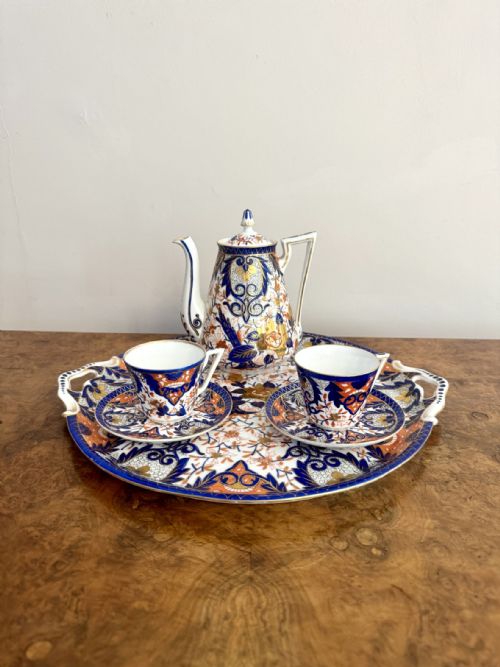
Buyers most frequently encounter large dinner services, afternoon tea sets, and dessert services featuring styles such as Victorian Imari, Rococo Revival, and Kakiemon revivals. Pieces range from intimate bachelor teasets and miniature solitaire sets to expansive sets containing dozens of components.
Materials and Techniques
Potters relied on fine porcelain, bone china, and earthenware as the foundational bodies for these services. Surface decoration frequently incorporated hand painting, enamel work, and flow blue printing under the glaze.
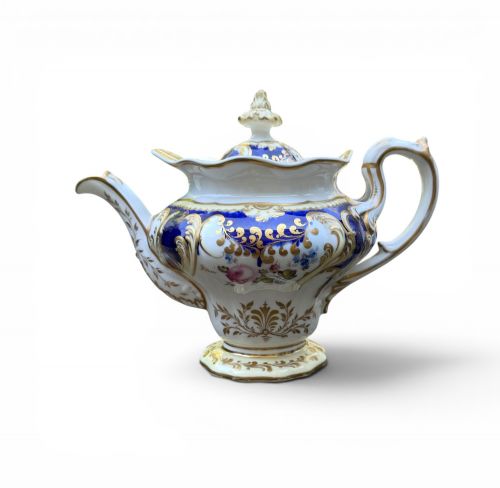
Gilt and gold leaf accents were applied to highlight moulded forms and borders, especially on pieces influenced by Rococo Revival and neoclassical designs. Glaze formulations provided the smooth, protective finishes characteristic of nineteenth-century ceramic production.
Victorian China Service Retail Price Guide 2026
Typical asking prices for victorian china service among the pieces listed under this phrase on Sellingantiques today, from the lower quarter to the upper quarter. They describe what is for sale here now, not the wider market.
Listings feature porcelain, bone china, and earthenware from the nineteenth century, incorporating styles from Rococo Revival to Victorian Imari.
Evaluating Quality
Quality rests in the precision of the hand painting, the complexity of the chosen pattern such as Imari or Kakiemon motifs, and the completeness of the service. Extensive sets with matching registration marks or date ciphers demonstrate higher factory standards.
The refinement of the porcelain paste and the crispness of moulded details like rococo scrolls distinguish standard production ware from superior examples. Preservation of delicate gold leaf and enamel colours also determines the standing of a service.
Davenport·Royal Crown Derby·Wedgwood·Royal Doulton·Copeland and Spode·Coalport·Minton·Wileman Foley Shelley
The Victorian China Service Glossary
- Bone china
- A type of porcelain incorporating bone ash, known for its milky white appearance and high strength. It allowed makers to produce thinner, more refined vessels.
- Imari pattern
- A decorative style featuring rich underglaze blue and overglaze iron red, often augmented with gold. This aesthetic was widely emulated by English potteries during the Victorian period.
- Flow blue
- A cobalt blue printing technique where the colour deliberately blurred slightly into the surrounding glaze during firing. This created a soft, hazy effect popular on nineteenth-century tableware.
- Dessert service
- A specialised collection of plates and serving pieces, such as comports, dedicated to the final course of a formal meal. These often display the most artistic hand-painted botanical or scenic motifs.
- Kakiemon
- A Japanese enamel style characterised by asymmetrical floral and animal motifs on a sparse white ground. Victorian factories adapted these designs for specialised tea and dessert wares.
Victorian China Service: Frequently Asked Questions
What pieces belong in a tea service?
A standard Victorian tea service typically includes a teapot, sugar bowl, and milk jug, accompanied by matching cups and saucers. Larger sets accommodate additional participants for afternoon gatherings.
Specialised variations like bachelor teasets or solitaire sets are scaled down for single users or intimate settings while retaining the full decorative scheme.
How do I care for antique china?
Hand washing in warm water with mild soap is essential for preserving nineteenth-century glazes and delicate overglaze enamels. Dishwashers and harsh detergents will quickly ruin gold leaf and hand-painted details.
Store pieces with felt dividers between plates to prevent surface scratching and chipping along the rims during handling.
How are periods identified?
Makers' marks stamped, impressed, or painted on the underside of the ceramic provide the most reliable guide to dating a service. Registration diamonds and specific pattern numbers further narrow down the production era.
Stylistic indicators, such as heavy rococo moulding or flow blue printing techniques, also point toward specific decades within the nineteenth century.