



Victorian Children Seating
These victorian children seating pieces are small chairs, rockers and highchairs built for domestic use, prized for their scale and craftsmanship.
Victorian Children Seating
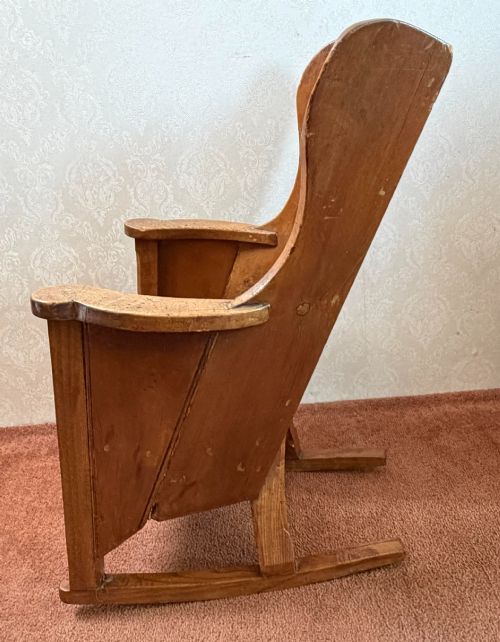
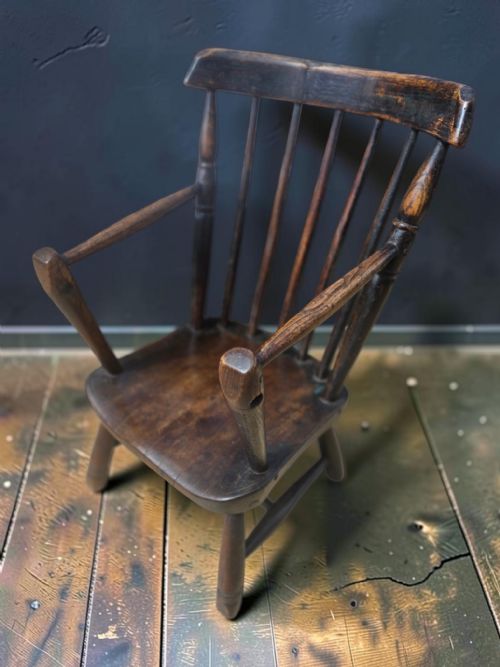
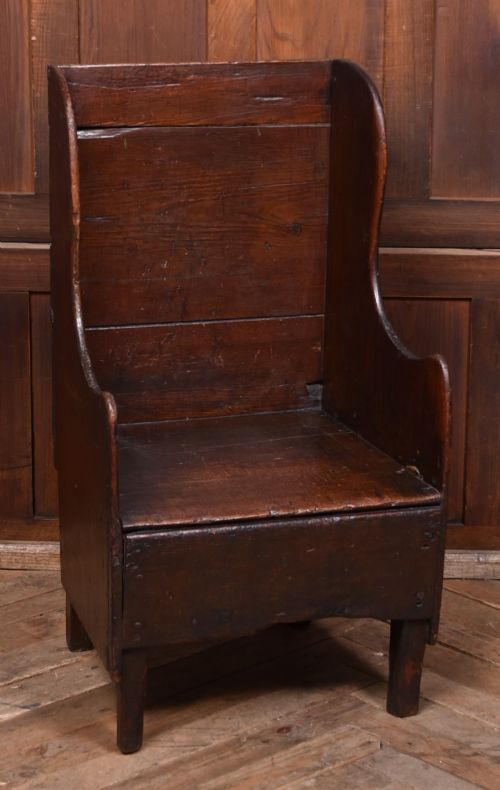
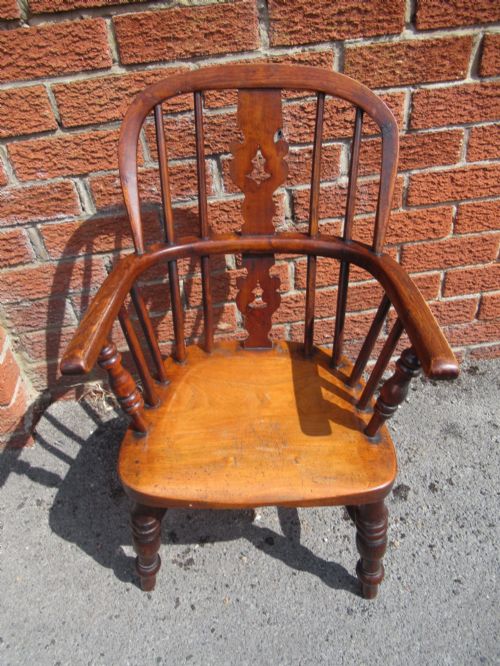
When you search for victorian children seating, you encounter small-scale furnishings produced across the nineteenth century, including Windsor chairs, rockers, highchairs and armchairs. These items replicate adult domestic seating forms tailored for younger members of the household.
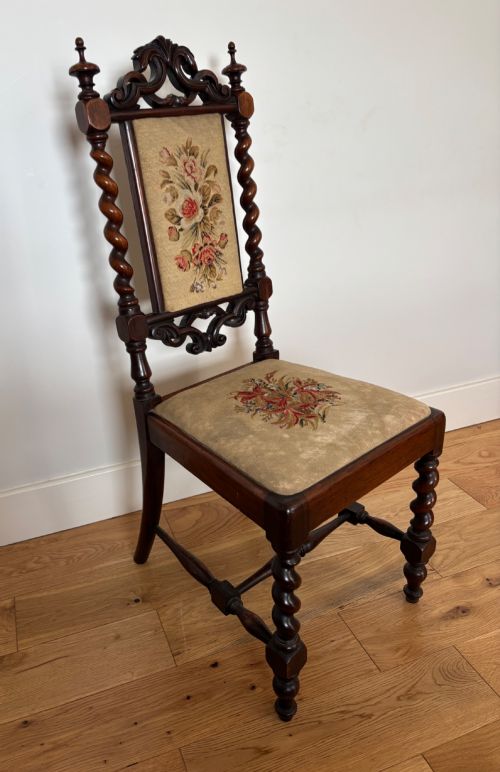
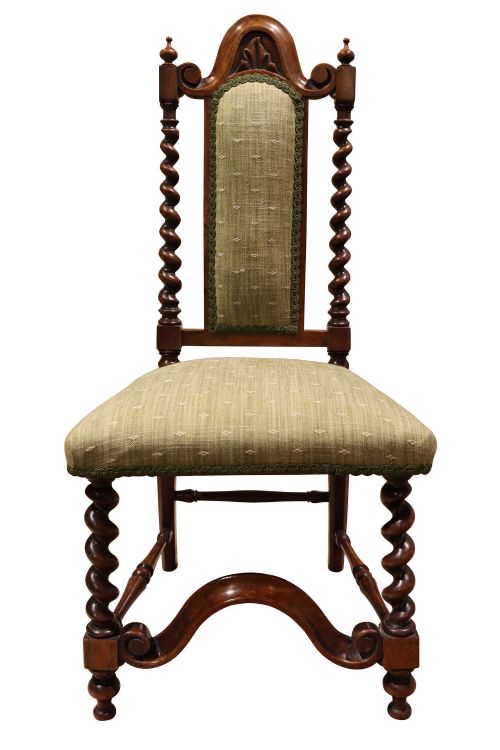
The selections span English country vernacular styles alongside more formal Victorian parlour designs in rosewood, mahogany and walnut. Regional variations appear frequently through local timber choices and traditional joinery.
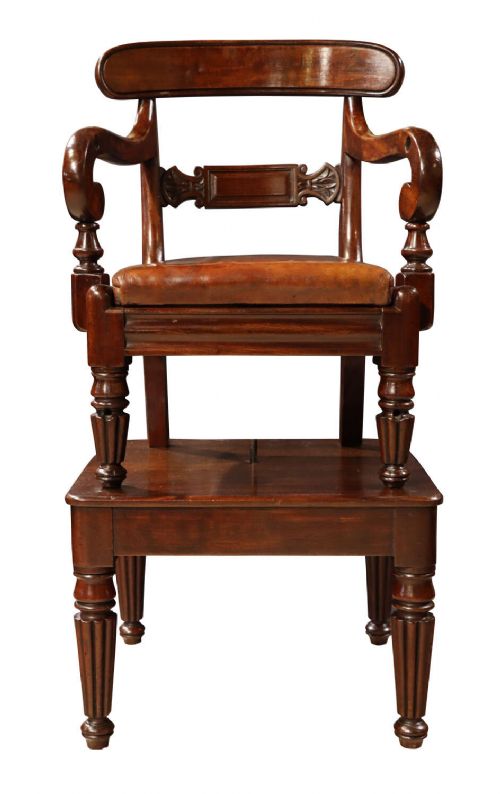
Highchairs and metamorphic models designed to convert into low seating offer functional versatility. Rocking chairs and low side chairs complete the typical forms found within this category.
How they were made
Cabinet makers and vernacular joiners utilised native and imported timbers such as elm, ash, oak, beech, yew and mahogany to construct these pieces. Turning techniques produced bobbin and barley twist supports, while steam bending shaped components for Windsor designs.
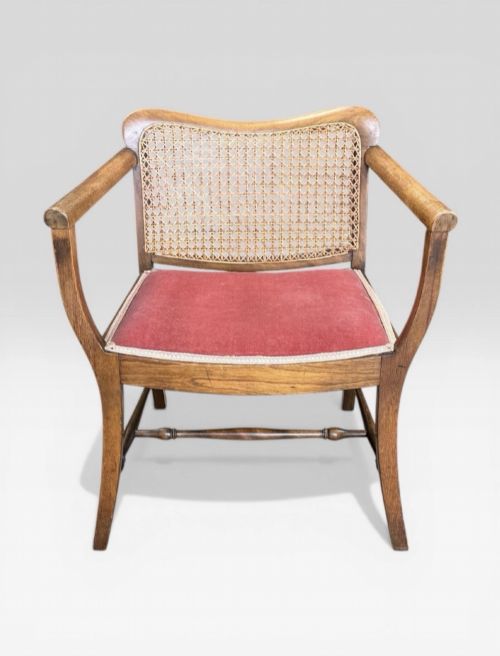
Seats incorporate cane, rush, leather, or solid timber panels fitted directly into the frames. Metal components such as brass brackets support mechanisms on convertible highchairs and swings.
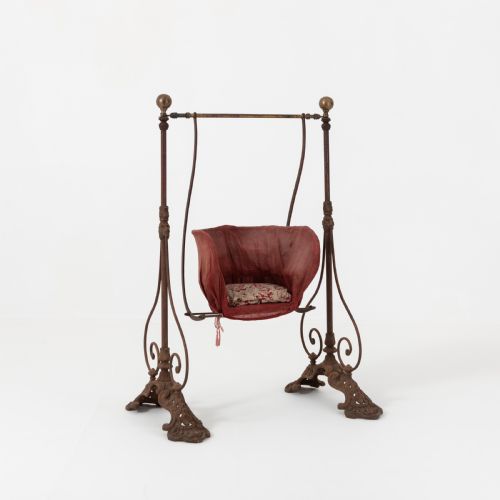
A cast iron swing lets Victorian infants sway indoors without risking the muddy garden.
What varies in quality
The distinction between standard domestic seating and finer examples rests on the selection of timbers and the sophistication of the turnery. Elaborate carving, sophisticated show woods like rosewood and walnut, and documented maker attributions elevate certain pieces.
Structural integrity relies upon original joinery methods rather than replacement parts. The survival of fragile materials such as cane mesh and leather upholstery influences the integrity of the surviving object.
James Shoolbred·Liberty of London·Ford Madox Brown
The Victorian Children Seating Glossary
- Windsor chair
- A wooden chair constructed with upright spindles inserted into a solid sculpted seat. This form appears frequently in ash, elm and yew.
- Bergere
- An enclosed armchair featuring woven cane panels on the back and sides. This technique provides lighter visual weight.
- Metamorphic
- Furniture engineered to transform from one functional form into another, such as a highchair converting into a low chair and table combination. These designs required precise mechanical planning.
- Vernacular
- Objects built by regional makers following local traditions rather than metropolitan pattern books. These pieces often employ mixed native timbers.
- Bobbin turned
- Timber shaped on a lathe to resemble a series of rounded bobbins or spools end to end. This decorative turning style appears widely on nineteenth-century frames.
Victorian Children Seating: Frequently Asked Questions
How were highchairs used?
These elevated seats allowed small children to join family dining tables safely during meals. Many incorporate footrests and enclosing front safety bars.
Some examples include convertible designs that altered into play tables or low chairs once the child outgrew the elevated height.
Are these chairs safe for children?
While structurally sound historic items remain durable, these pieces function primarily as decorative antiques or collector items today. Their construction reflects nineteenth-century safety standards rather than modern testing.
Buyers usually place them in domestic interiors for display or gentle use rather than active nursery environments.
What is a metamorphic chair?
A metamorphic chair transforms into a different piece of furniture through hinges or sliding pivots. Highchairs often converted into low chairs with wheeled play bases.
This engineering maximised utility in nineteenth-century homes where multi-purpose furniture saved valuable floor space.
How do I identify the wood type?
Examination of grain patterns and weight helps distinguish between native hardwoods like elm and ash and imported cabinet timbers like mahogany. Regional vernacular pieces often utilise local hedgerow and woodland species.
Finer parlour models favoured dark tropical hardwoods or polished walnut veneers.