





Victorian Chiffonier Open Shelf
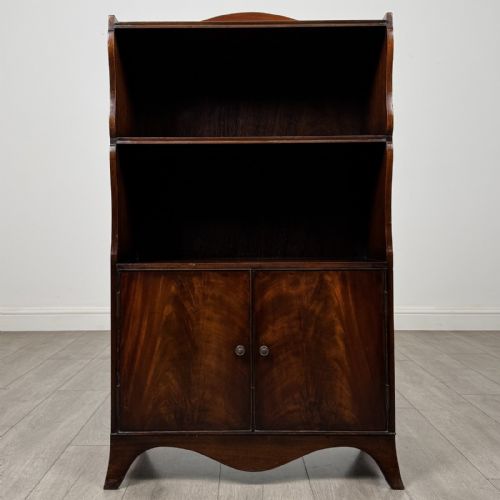
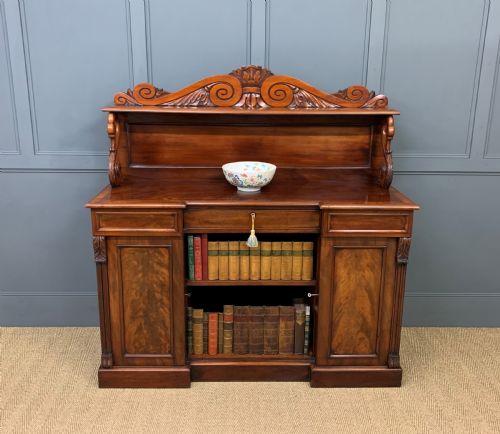
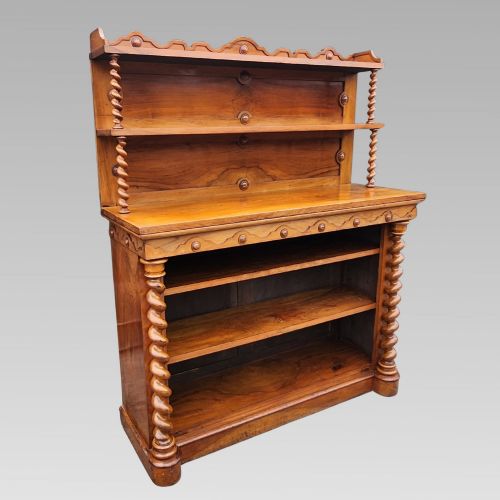
These pieces known as a victorian chiffonier open shelf combine a lower cupboard with upper display tiers, offering both enclosed storage and open surfaces for books and objects.
Victorian Chiffonier Open Shelf
A victorian chiffonier open shelf merges traditional sideboard storage with open upper shelving for display. The pieces appearing here span the nineteenth century and into the Edwardian era, predominantly utilising mahogany, walnut, burr walnut, and rosewood.
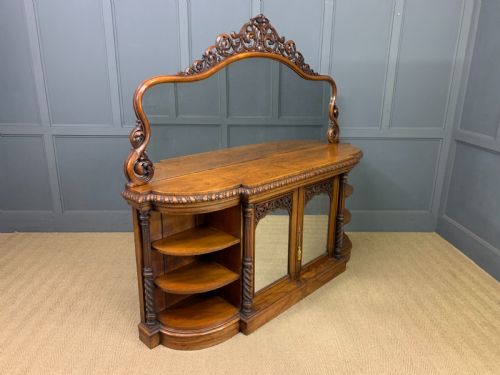
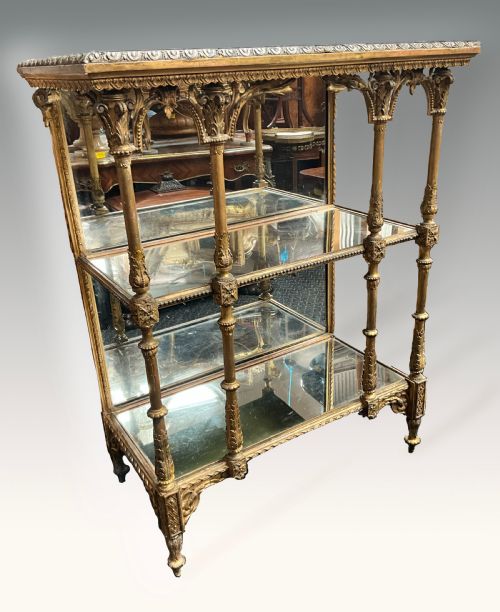
Makers adapted the form through various regional preferences, incorporating mirror backs, glazed doors, and inlaid panels. Buyers encounter formats ranging from low mirrored cabinets to taller bookcase combinations with tiered upper shelves.
The layout typically positions a solid cupboard base beneath one or more stepped display tiers supported by turned columns or side brackets. This dual function served nineteenth-century drawing rooms and parlours for displaying ceramics, small sculptures, and bound volumes.
Distinctions in Quality
The choice of timber figure dictates the initial visual impact, with matched burr walnut veneers and figured flame mahogany representing superior selection by the cabinet maker. Secondary woods used in interior construction and the precision of the dovetail joints further separate standard production from high-grade workshop output.
Hardware execution and decorative embellishments reflect the maker's investment of time and skill, seen in finely cast brass mounts and precise marquetry inlay. The integration of the upper shelf supports and the clarity of the original mirror glass indicate the overall standard of the piece.
Victorian Chiffonier Open Shelf Retail Price Guide 2026
Typical asking prices for victorian chiffonier open shelf among the pieces listed under this phrase on Sellingantiques today, from the lower quarter to the upper quarter. They describe what is for sale here now, not the wider market.
The object forms recorded include chiffoniers, side cabinets, credenzas, bookcases, and whatnots with integrated open shelving.
Liberty & Co.·Robert Strahan
The Victorian Chiffonier Open Shelf Glossary
- Chiffonier
- A low sideboard or cabinet featuring a combination of lower doors and upper shelving or a mirrored back. This form evolved during the nineteenth century to serve multiple storage and display purposes in the home.
- Burr Walnut
- A specialised wood veneer taken from the gnarled growth of a walnut tree, prized for its swirling, highly figured grain patterns. Cabinet makers applied these decorative veneers to prominent surfaces of high-status furniture.
- Credenza
- A sideboard or display cabinet originating in Italy, later adopted by nineteenth-century British makers for formal reception rooms. These pieces often incorporate glazed doors and gilt wood enrichment alongside central cupboards.
- Whatnot
- A piece of freestanding furniture consisting of several open shelves tiered above one another for displaying ornaments. Examples often appear integrated into the upper structure of nineteenth-century side cabinets and chiffoniers.
- Inlay
- A decorative technique where contrasting materials such as lighter woods, metal, or shell are inserted into hollowed-out recesses in the primary wood surface. This method created geometric or floral patterns on cabinet doors and friezes.
Victorian Chiffonier Open Shelf: Frequently Asked Questions
What is a Victorian chiffonier open shelf used for?
These pieces provide a dual function of enclosed storage within the lower cupboard and accessible display space on the upper tiers. Historically, they served in drawing rooms to house household silver, linens, or books while displaying decorative ceramics.
Today, owners utilise the lower compartments for discreet storage and the open shelves to exhibit collections of art, glassware, or reading material.
How do I distinguish between walnut and mahogany examples?
Walnut timber typically displays a rich brown colour with darker grain streaks, whereas burr walnut exhibits circular, swirling grain patterns across the primary surfaces. Mahogany tends to feature a deeper reddish-brown hue with straight grain or flame figures.
Examining the tone and figuring under natural light helps identify which primary timber the cabinet maker utilised.
Where should I place a mirror back chiffonier?
Pieces featuring mirrored backs benefit from placement opposite or adjacent to windows to reflect natural light into the room. The reflective glass visually expands smaller spaces while brightening the objects displayed on the surrounding shelves.
Ensure the chosen wall space accommodates the height of the upper mirror frame and any decorative cresting without obstruction.
How do Arts and Crafts styles differ from standard Victorian pieces?
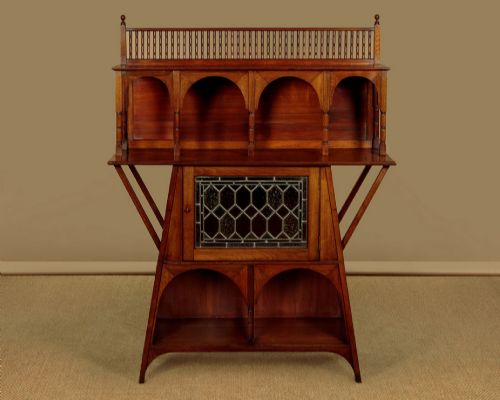
Arts and Crafts examples, such as those from the late nineteenth century, emphasise visible construction details, honest materials, and simpler geometric forms over heavy ornamentation. They often feature minimal inlay and straightforward structural lines.
Standard Victorian pieces frequently incorporate richer veneers like burr walnut or rosewood alongside elaborate turned columns and mirrored back panels.