

Victorian Ceramic Lamp
These pieces known as a victorian ceramic lamp bring together period craft and domestic utility, offering a decorative focal point for any interior.
Victorian Ceramic Lamp
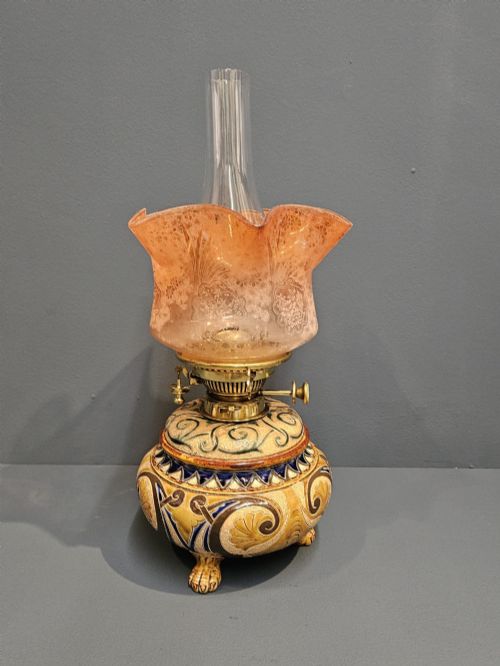
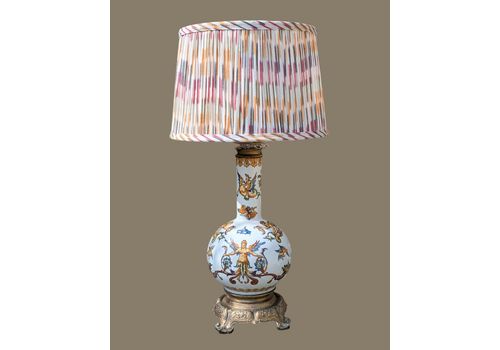
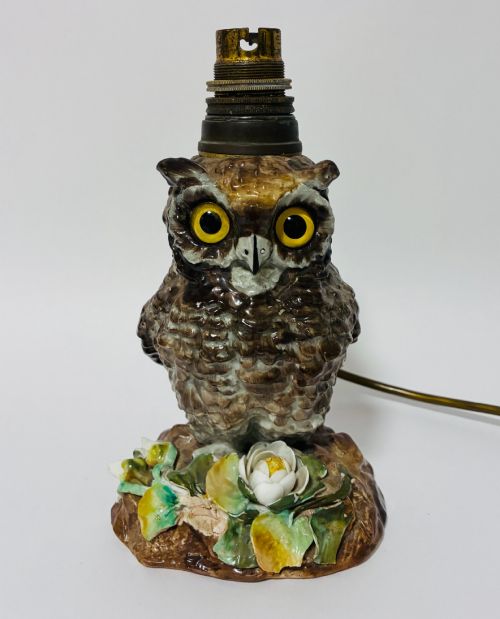
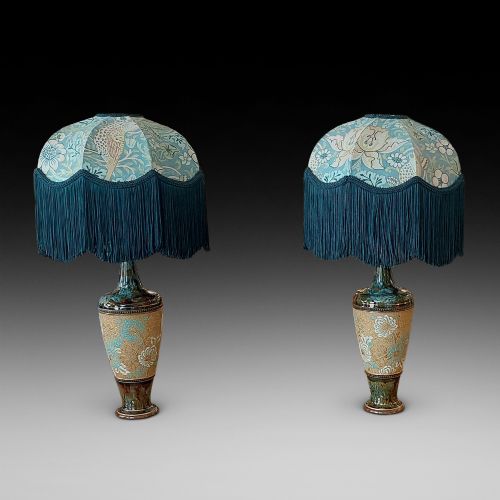
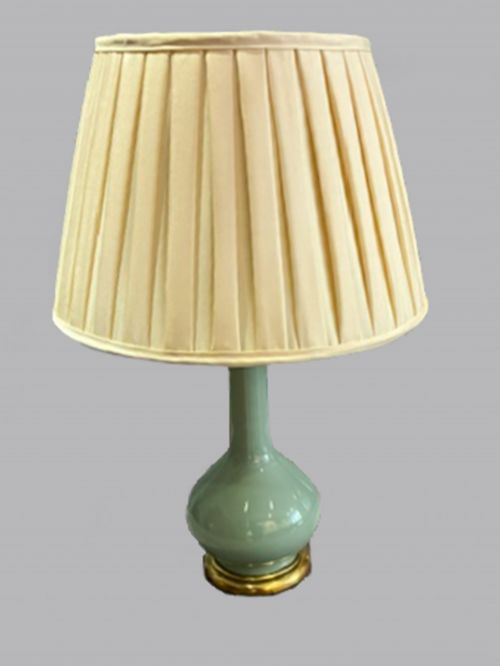
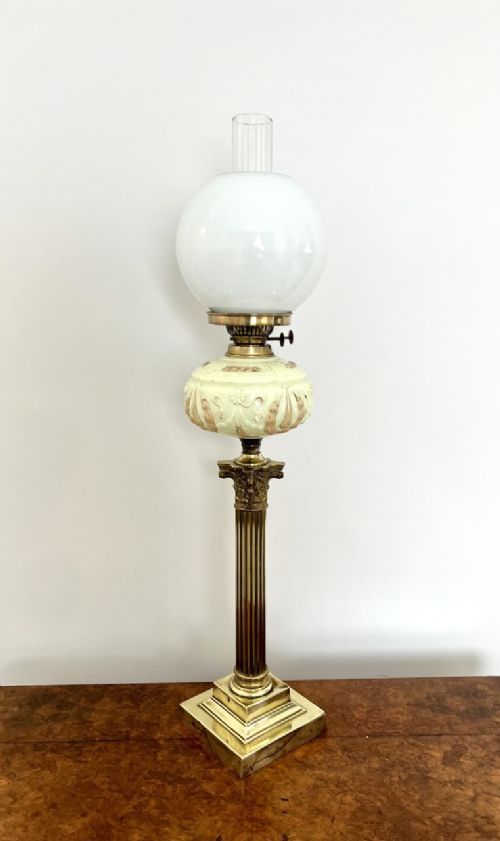
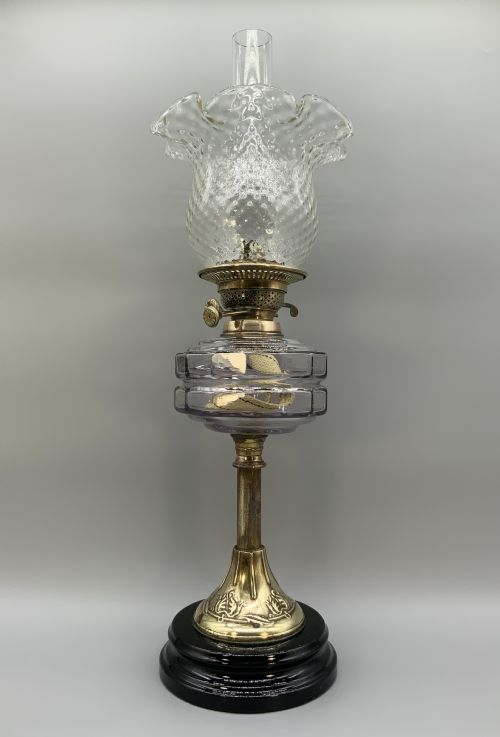
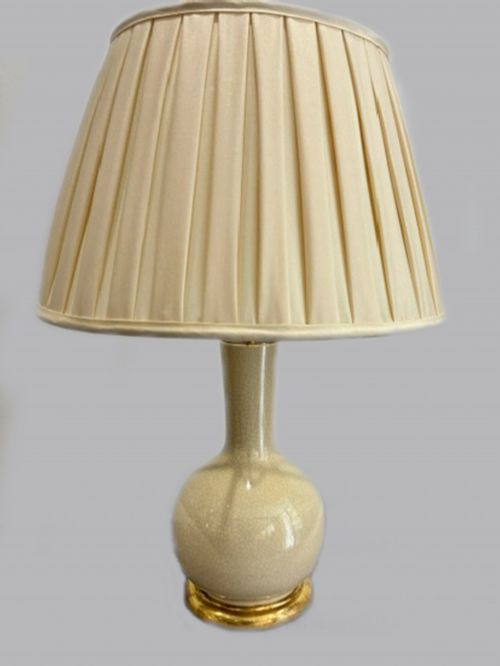
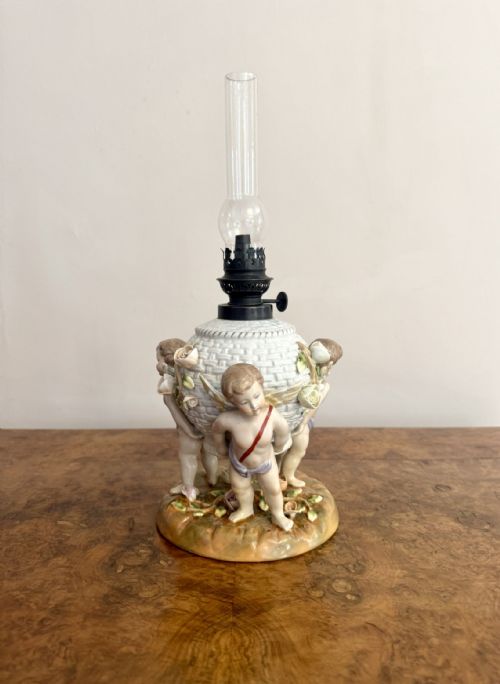
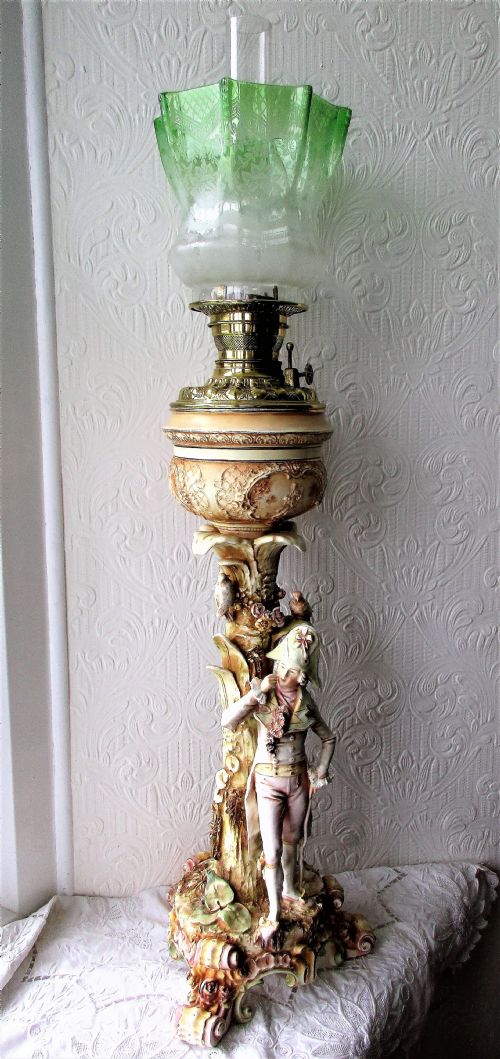
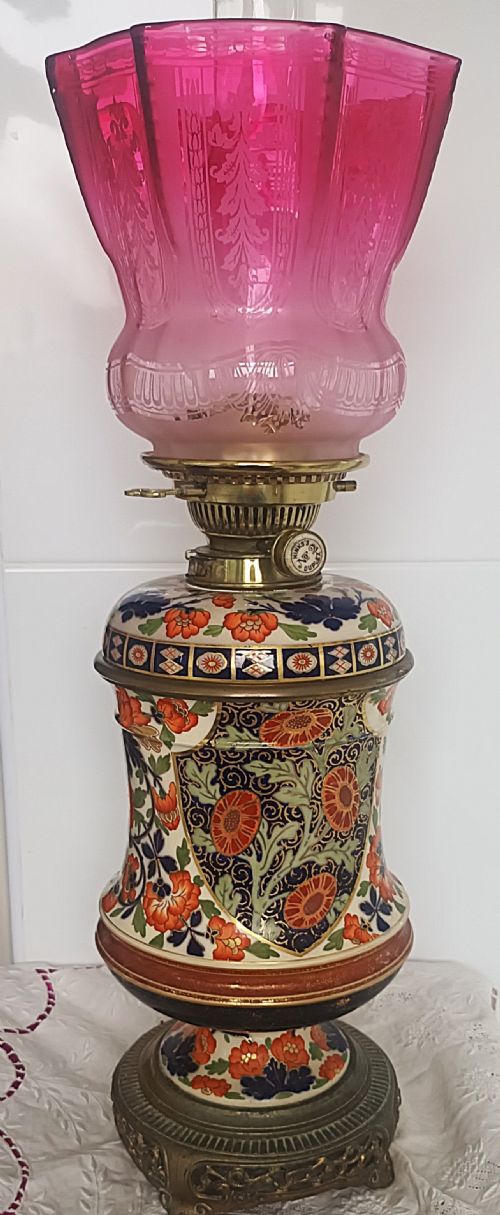
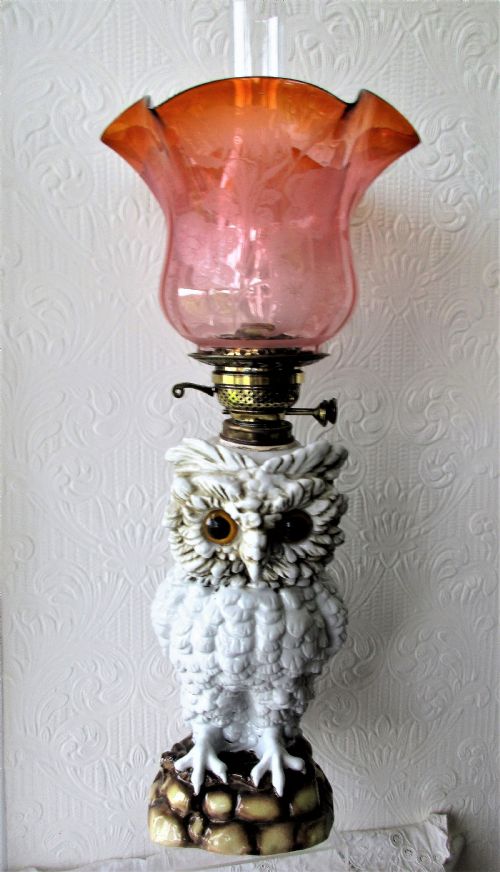
A victorian ceramic lamp typically combines glazed pottery bases with metal mounts, often originating from the nineteenth century or the Edwardian era. Collectors encounter various forms here, ranging from converted oil lamps with ceramic fonts to figural designs shaped as owls, dogs, and vases.
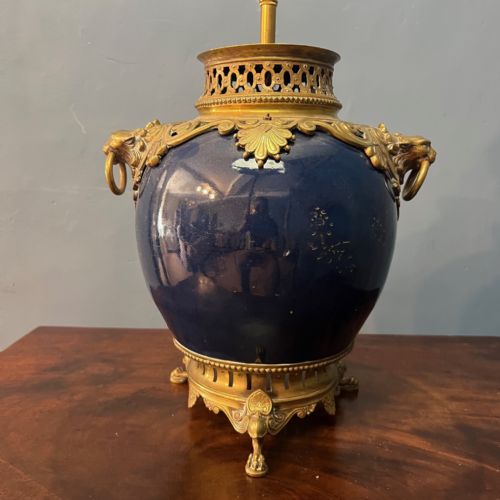
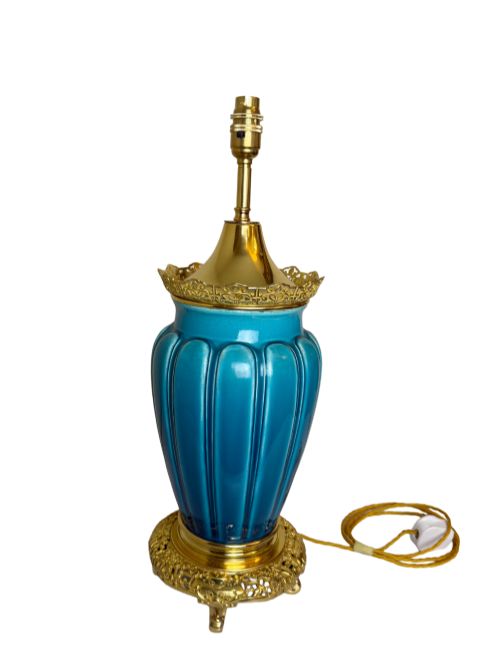
Many examples utilise imported or domestic pottery paired with brass, gilt bronze, or ormolu fittings. Makers frequently adapted traditional ceramic vessels, including Chinese export porcelains, Majolica, and English earthenwares, into domestic lighting fixtures.
Materials and Construction
Makers combined fired ceramic and porcelain bodies with structural metal components such as brass columns and cast ormolu bases. Glazed surfaces often feature hand-painted floral motifs, crackle glazes, or moulded figural details.
Many specimens started as nineteenth-century oil lamps or decorative vases before undergoing later conversion to electricity. Brass burners, threaded collars, and weighted black glass or metal plinths secure the ceramic components.
Victorian Ceramic Lamp Retail Price Guide 2026
Typical asking prices for victorian ceramic lamp among the pieces listed under this phrase on Sellingantiques today, from the lower quarter to the upper quarter. They describe what is for sale here now, not the wider market.
Listings feature periods spanning the nineteenth century alongside Edwardian examples, utilising porcelain, majolica, faience, brass, and ormolu.
Quality and Execution
The standard of modelling in figural ceramic bases dictates much of the visual success, alongside the crispness of hand-painted or transfer-printed decoration. Fine pieces display sharply defined mouldings and rich, stable glaze colours without distracting firing flaws.
The integration of metal mounts to ceramic bodies reveals the maker's skill. Superior examples employ heavy cast brass, gilt bronze, or ormolu that fits the contour of the pottery precisely rather than relying on crude adhesives.
Sitzendorf·Royal Worcester·Taylor Tunnicliff·Royal Doulton·Burmantofts Faience·Hinks·WF Needham
The Victorian Ceramic Lamp Glossary
- Ormolu
- A technique of applying finely ground, high-carat gold to a bronze base. It provides a rich, durable metallic finish often seen on mounts and trim.
- Majolica
- A type of earthenware glazed with tin opacified glazes, typically painted with bright lead glazes over an opaque white background.
- Duplex
- A type of burner mechanism using twin flat wicks to produce a brighter flame in nineteenth-century oil lamps.
- Imari
- A style of Japanese export porcelain decorated in underglaze blue, iron red, gold, and supplementary colours.
Victorian Ceramic Lamp: Frequently Asked Questions
Were these originally oil lamps?
Many nineteenth-century examples began life burning paraffin or oil before receiving modern electrical wiring. Burner assemblies and brass collars frequently remain intact above the ceramic body.
Later conversions often retain the original fuel reservoirs, converting them safely for modern domestic illumination while preserving their antique character.
How do I identify the period?
Stylistic cues such as Rococo Revival curves, Aesthetic movement motifs, or Art Nouveau vegetal lines help date the metal mounts and ceramic decoration. Factory marks stamped or painted on the ceramic base offer definitive clues.
Construction methods, including the type of brass threading and the composition of the weighted base, also point toward specific decades in the nineteenth and early twentieth centuries.
Can I replace the lampshade?
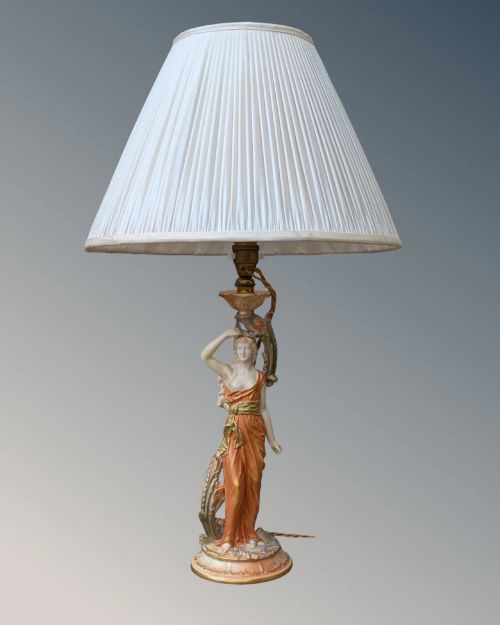
Selecting a shade that complements the scale and period of the ceramic base is straightforward using standard fitter rings. Fabric or hand-blown glass shades both appear historically, depending on whether the piece imitates an oil lamp or a table lamp.
Proportion remains the main consideration, ensuring the shade's diameter does not overwhelm the painted or glazed motifs on the pottery body below.
Are these lamps safe to use?
Most antique lamps require professional rewiring and safety testing to meet modern electrical standards. Original brass fittings can often be retained while updating the internal cord and plug for daily use.
Checking the stability of the junction where the ceramic body meets the metal base ensures the lamp supports a shade securely.