



Victorian Ceramic House
Victorian ceramic house pieces are domestic pottery structures and figures that bring charming nineteenth-century vernacular character to a mantelpiece or shelf.
Victorian Ceramic House
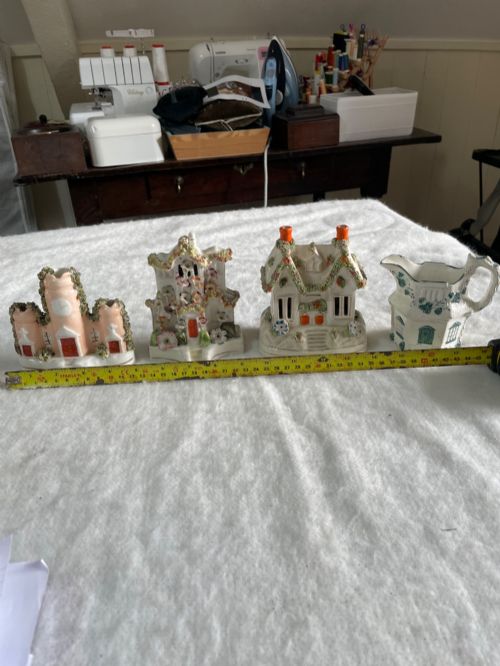
A Victorian ceramic house typically takes the form of a Staffordshire cottage made during the nineteenth century to serve as a decorative chimney ornament or pastel burner. These glazed earthenware and porcelain buildings display rustic architectural details characteristic of Victorian folk art and domestic pottery traditions.
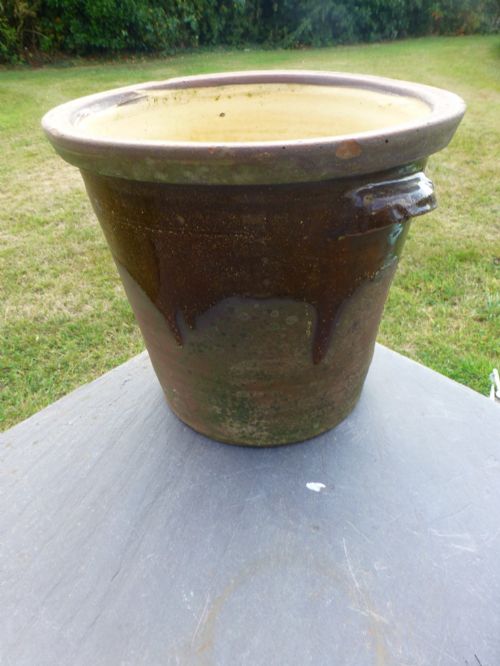
Buyers also encounter related nineteenth-century utilitarian and decorative vessels, including dairy salting crocks, planters, and jardinieres formed from glazed terracotta, ironstone, and earthenware. Tableware featuring school house patterns on ironstone china further expands the range of residential imagery found across the period.
Materials and construction methods
Potters built these nineteenth-century pieces using earthenware, ironstone, terracotta, and porcelain, applying rich enamel colours and occasional gold leaf details to surface relief. Many decorative figures and cottages relied on moulded bodies finished by hand before undergoing kiln firing.
Utilitarian items like dairy salting crocks and jardinieres utilised durable terracotta and heavy ironstone bodies coated in protective glazes. This combination of robust ceramic fabrics and vitreous coatings ensured both domestic utility and lasting decorative appeal.
Victorian Ceramic House Retail Price Guide 2026
Typical asking prices for victorian ceramic house among the pieces listed under this phrase on Sellingantiques today, from the lower quarter to the upper quarter. They describe what is for sale here now, not the wider market.
The listings show nineteenth-century ceramic forms ranging from utilitarian ironstone plates and terracotta crocks to delicate porcelain figures and Staffordshire cottages.
Evaluating the range of pieces
Quality across nineteenth-century pottery depends on the crispness of the moulding and the dexterity of the hand-painted enamel decoration. Superior examples display detailed architectural modelling on cottages or precise transfer-printing and hand-finishing on ironstone china patterns.
Samson of Paris·Mason
The Victorian Ceramic House Glossary
- Staffordshire cottage
- A type of hollow ceramic model representing a rustic dwelling, popular as a mantel ornament in the nineteenth century. These small buildings often featured applied moss or floral details.
- Ironstone
- A patented ceramic composite developed to imitate porcelain while offering greater durability for heavy-duty tableware. It provides a dense, heavy base for printed and painted patterns.
- Terracotta
- A porous, unglazed or glazed fired clay body possessing a characteristic brownish-red hue. It was frequently utilised for large garden planters, statues, and utilitarian crocks.
- Enamel
- Opaque vitreous glass compounds fused to the surface of ceramics during secondary firing to provide bright, permanent colours. These pigments define the details on nineteenth-century figures and cottages.
- Flatback
- A style of Staffordshire ceramic figure moulded with a flat, unpainted rear side intended to sit flush against a wall. This method saved material and weight for display on narrow shelves.
Victorian Ceramic House: Frequently Asked Questions
What are Victorian ceramic houses?
Victorian ceramic houses are nineteenth-century pottery figures modelled as cottages, often produced in Staffordshire as decorative chimney ornaments.
They capture domestic architecture through moulded earthenware and porcelain, frequently featuring hand-painted enamel details.
How were Staffordshire cottages used?
Staffordshire cottages served primarily as decorative ornaments displayed on mantelpieces and shelves within nineteenth-century homes.
Some examples functioned additionally as pastille burners, releasing scented smoke through the miniature chimneys.
What is ironstone china?
Ironstone is a durable ceramic material patented in the nineteenth century to provide a strong alternative to porcelain.
It formed the sturdy body for utilitarian tableware patterns, such as residential scenes printed on plates and ashets.
How do you date nineteenth-century ceramics?
Dating nineteenth-century ceramics involves examining the fabric type, glaze composition, and manufacturing marks recorded in the object evidence.
Stylistic indicators such as rustic vernacular modelling or specific Victorian transfer-printed patterns also help establish the production era.