



Victorian Cattle Canvas
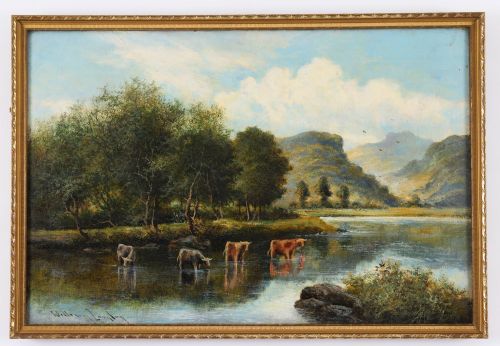
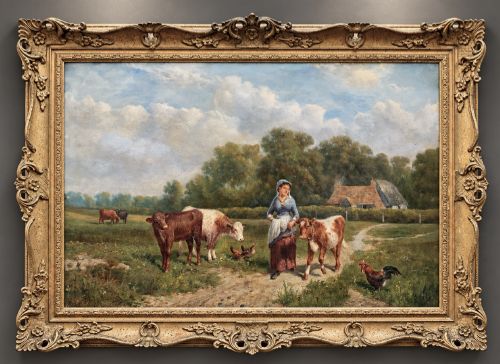
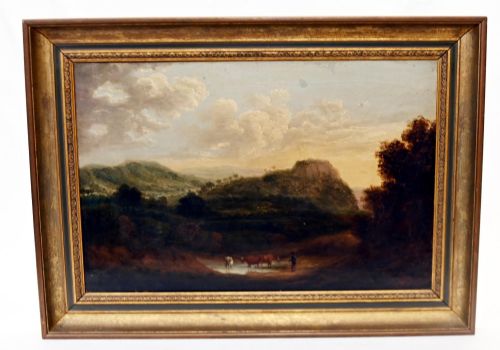
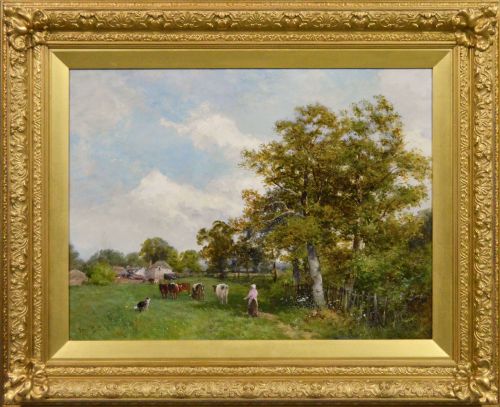
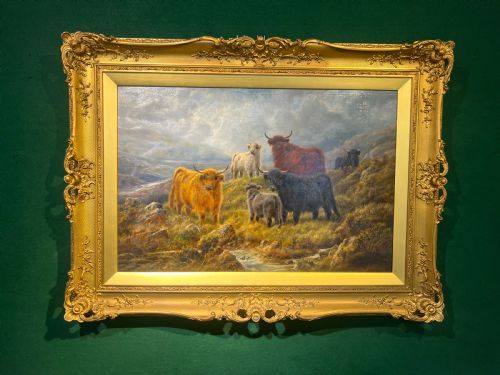
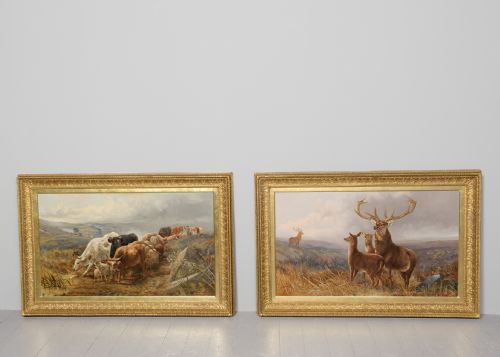
When you search for victorian cattle canvas, you are looking at oil paintings on canvas depicting pastoral scenes, prized livestock, and highland landscapes.
Victorian Cattle Canvas
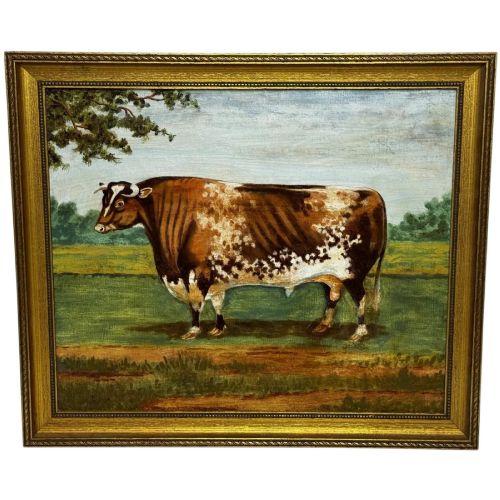
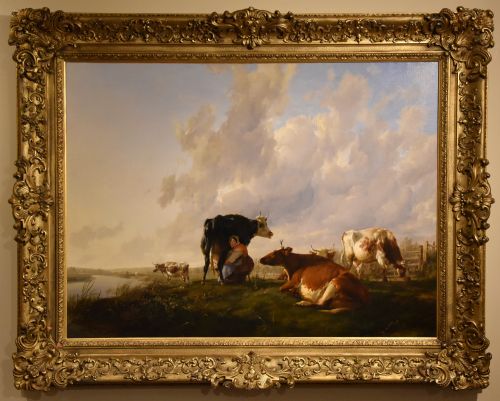
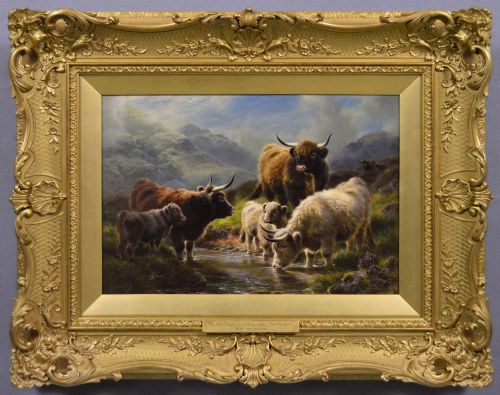
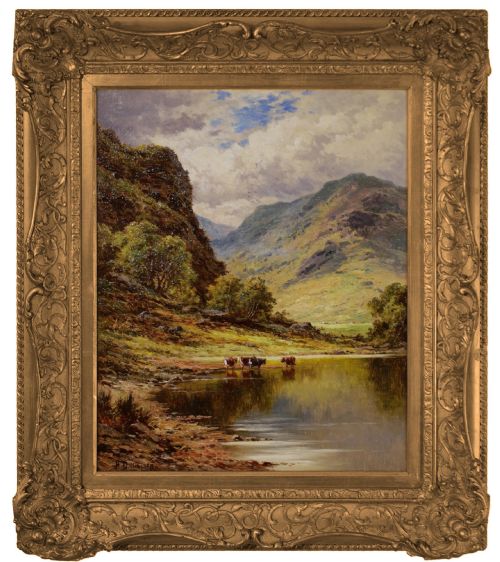
Victorian cattle canvas pieces represent a genre of 19th-century fine art focused on pastoral landscapes, farmyards, and detailed animal portraits. The versions most commonly met on this page depict herds gathered near rivers, resting in highland lochs, or standing in pastoral pastures.
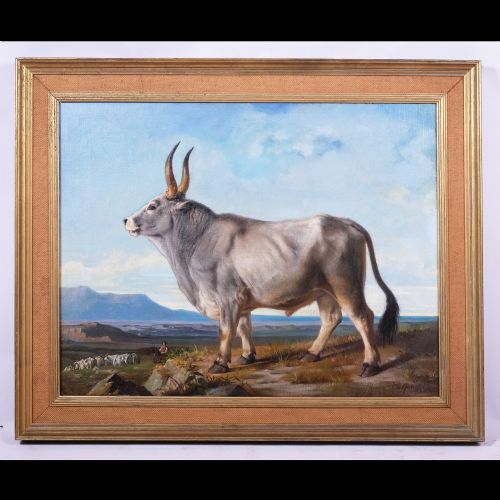
These works bridge the gap between traditional landscape painting and rural realism, often capturing the economic importance and romanticized view of agriculture during the period. The subjects range from individual prized shorthorn bulls to grand highland scenes featuring cattle and sheep under expansive skies.
Originating predominantly from British and Scottish schools of art, these canvases reflect a widespread cultural appreciation for rural life and domestic livestock. Collectors encounter works set against recognizable regional backdrops such as Welsh mountain rivers, Scottish lochs, and English riverbanks.
Materials and construction
The physical foundation of these works consists of woven canvas stretched across wooden frames, serving as the base for layers of oil paint. Artists utilised oil paint for its rich pigmentation and blendability, allowing for detailed textures in animal coats and atmospheric effects in landscapes.
Frames play an integral structural and aesthetic role, frequently constructed from wood and embellished with gesso and gold leaf or giltwood finishes. These heavy gilded frames provide both protection and the formal presentation typical of 19th-century fine art.
Victorian Cattle Canvas Retail Price Guide 2026
Typical asking prices for victorian cattle canvas among the pieces listed under this phrase on Sellingantiques today, from the lower quarter to the upper quarter. They describe what is for sale here now, not the wider market.
Several canvases squeeze ducks, goats, pigs, and sheep into the same frame as the cattle, turning a quiet pasture into a bustling farmyard committee.
Judging quality
Quality in these works rests heavily on the anatomical precision of the animals and the handling of light and atmosphere in the surrounding landscape. Master practitioners achieve a lifelike rendering of texture in cattle hair and depth in the background scenery, whereas lesser examples present stiff or formulaic compositions.
The reputation of the artist and the documentation of provenance elevate certain canvases above standard decorative works. Signed pieces or those attributed to recognised British and Scottish school painters demonstrate superior brushwork and compositional balance.
William Langley·Samuel Joseph Clark·David Bates·Thomas Sidney Cooper·Henry H. Parker·Robert Watson·William Watson Jnr·Robert Cleminson·Henry Robinson Hall·George Vicat Cole·Sidney Richard Percy·Frederick James Knowles·Pierre Emmanuel Dielmans·George Cole·Thomas Baker·Sidney Yates Johnson·Sidney Pike·Charles Jones·Arthur Charles Dodd·Claude Cardon·William Traies·John W Morris·Daniel Sherrin·Gustave De Brianski·John Frederick Herring Jnr
The Victorian Cattle Canvas Glossary
- Canvas
- A heavy woven fabric used as a surface for oil painting. It is typically stretched tightly over a wooden stretcher frame before application of the ground and paint.
- Giltwood
- Wood that has been treated with a thin layer of gold leaf or gold paint. This finish is standard for traditional picture frames housing 19th-century fine art.
- Gesso
- A white paint mixture consisting of a binder mixed with chalk, gypsum, or pigment. It is applied to wooden frames to create a smooth surface for gilding.
- Pastoral
- A genre of art depicting rural life, shepherds, and livestock in an idealized landscape. These scenes emphasise tranquility and harmony between animals and nature.
- British School
- A loose categorization for artists trained or working within Britain during a specific era. It encompasses regional movements and shared stylistic approaches to landscape and animal painting.
Victorian Cattle Canvas: Frequently Asked Questions
What subjects appear in these paintings?
The primary subjects are domesticated livestock, particularly cattle, sheep, and horses, placed within pastoral or mountainous settings. Herds appear grazing by rivers, sheltering in farmyards, or roaming Scottish highlands.
Human figures such as milkmaids, drovers, and farmers frequently accompany the animals. The compositions balance detailed animal portraits with expansive landscape backdrops.
How do I identify the period?
Period identification relies on stylistic markers of 19th-century realism, stretcher construction, and framing materials. Signatures, inscriptions on the canvas reverse, and artist biographies provide definitive dating.
Victorian works often combine romanticized landscapes with meticulous attention to the physical traits of prized livestock breeds. Canvas types and wooden stretcher bars also offer clues to the age of the physical object.
Where were these artists active?
These painters worked primarily across Great Britain, with distinct regional concentrations in England, Wales, and Scotland. Popular painting grounds included the Scottish Highlands, Welsh river valleys, and English rural counties.
Artists travelled extensively to capture authentic rural views, livestock markets, and agricultural estates. Their output reflects the diverse topography of the British Isles during the Victorian era.
How should I display a canvas?
Display requires stable indoor environments away from direct sunlight, high humidity, and extreme temperature fluctuations. Proper wall mounting ensures the wooden stretcher and heavy giltwood frame are securely supported.
Allowing adequate breathing space around the frame preserves the oil paint and canvas tension. Regular light dusting with a soft brush keeps the surface clear without risking moisture damage.