
Victorian Cast Iron Seating
Victorian cast iron seating brings heavy metal strength and intricate outdoor pattern together for the garden.
Victorian Cast Iron Seating
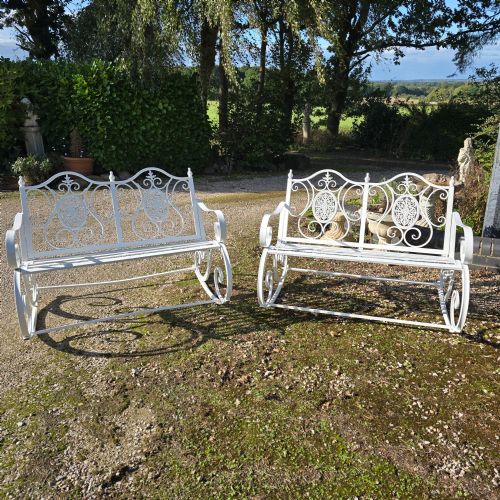
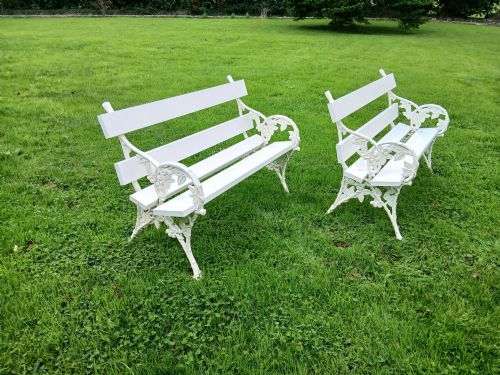
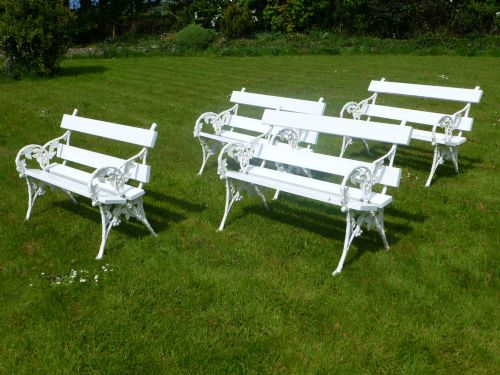
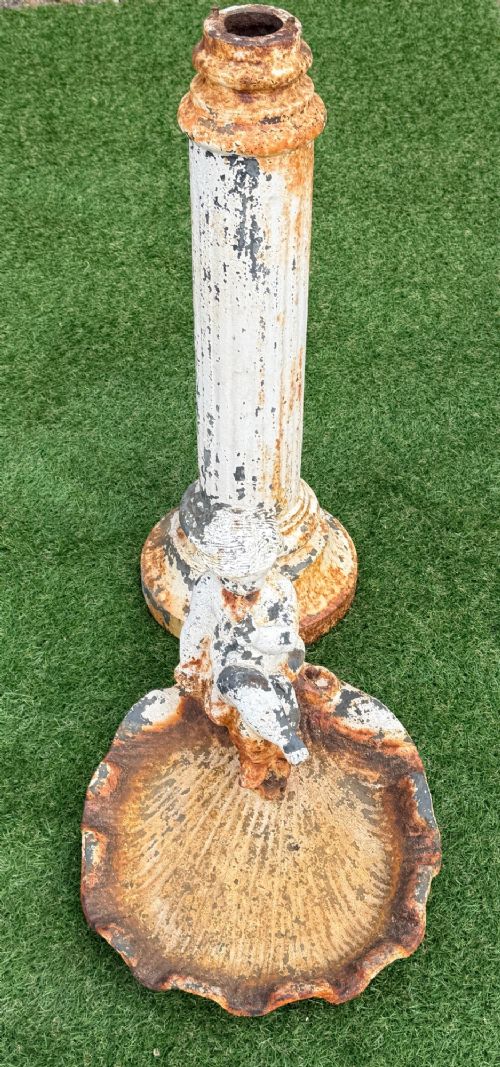
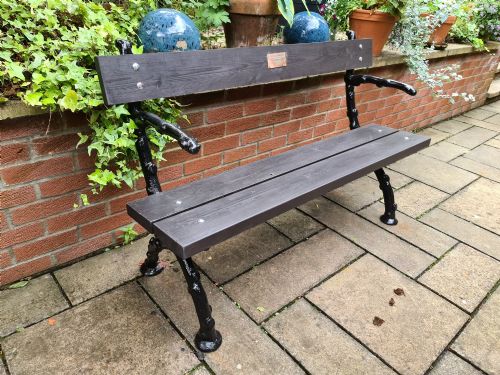
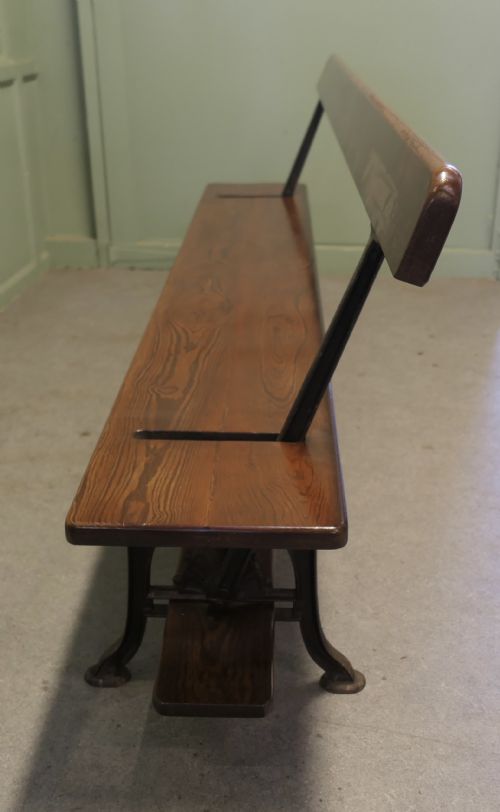
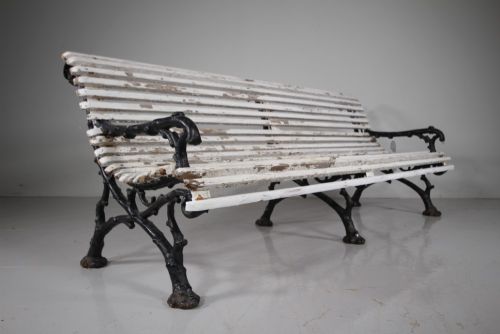
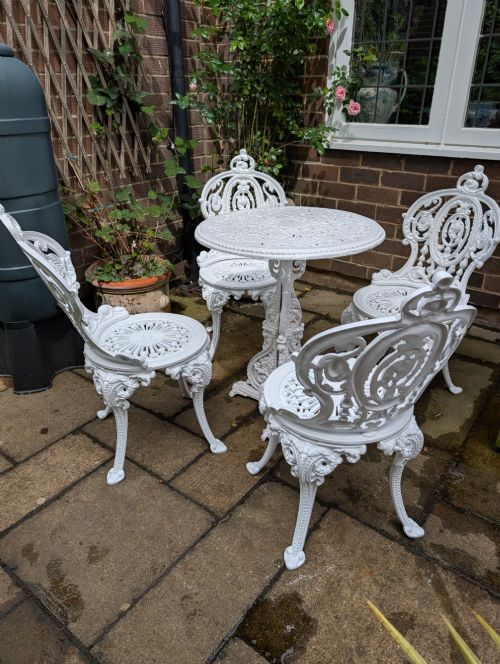
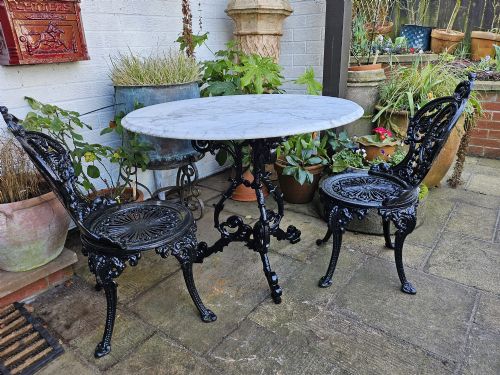
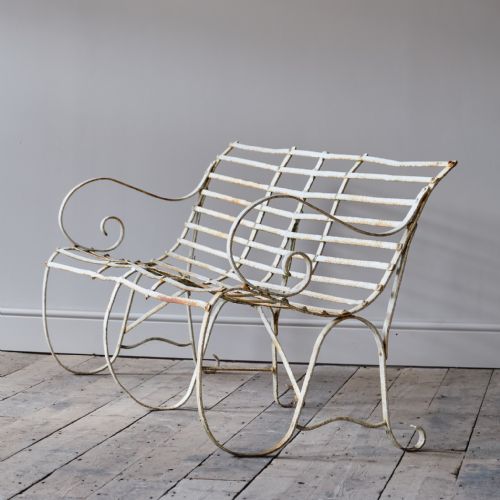
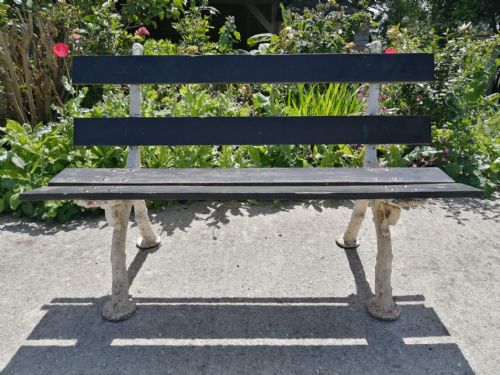
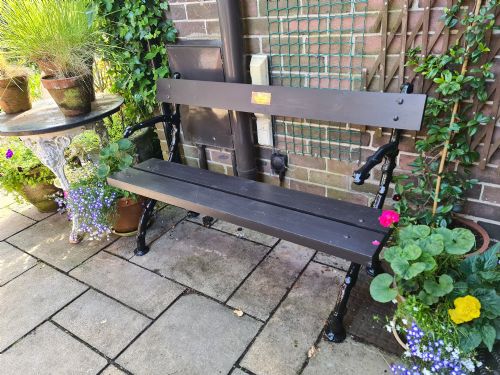
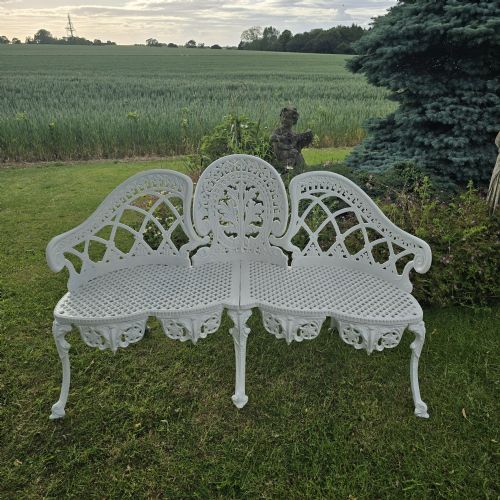
Victorian cast iron seating encompasses garden benches, park seats, and decorative chairs designed for outdoor and conservatory use. These pieces emerge primarily from the nineteenth century, featuring robust metal frames paired with timber slats or solid iron forms.
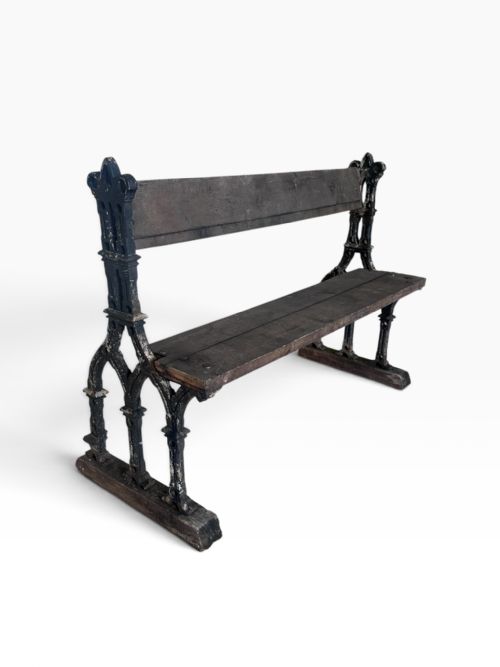
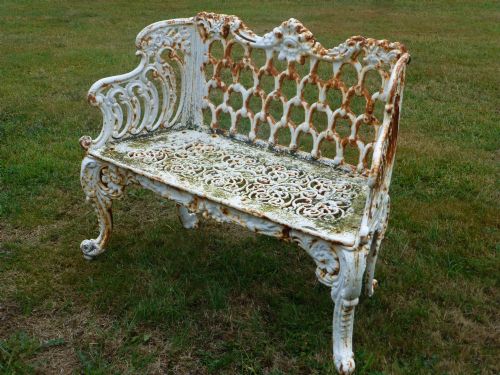
The most common examples on this page are garden benches and chairs displaying patterned ends, botanical motifs, and Gothic or rustic styling. Makers range from prominent foundries to utilitarian railway and ship outfitters, creating durable furniture built to withstand the elements.
How they were made
Foundries poured molten iron into sand moulds to create intricate openwork backs and sturdy bench ends, incorporating patterns like leaves, branches, and gothic arches. Skilled artisans then combined these heavy metal frames with timber slats, pitch pine, or wooden seats.
Many items incorporate additional materials such as brass fittings, leather upholstery, fabric, and wrought iron straps to complete the structure. Protective coats of paint historically defended the ironwork against outdoor corrosion.
A bouncing child on an ornate nineteenth century swing or a passenger swaying on a revolving ship chair brings unexpected motion to heavy iron.
What varies in quality
The sophistication of the foundry work dictates much of the distinction, separating simple utilitarian municipal seating from high-status decorative commissions. Crispness in the casting of complex botanical or gothic details reveals the skill applied to the original mould.
Structural integrity depends on the preservation of the iron and the quality of any timber replacement parts. Original foundry markings and attributed designs from notable foundries elevate the standing of a piece within the range.
Falkirk Carron Foundry·Coalbrookdale·Val D'osne·Christopher Dresser
The Victorian Cast Iron Seating Glossary
- Bench Ends
- The heavy cast iron side supports that form the structural arms and legs of a garden seat. These often display the most intricate foundry ornamentation.
- Faux Bois
- A decorative technique mimicking natural wood grain in cast iron or other rigid media. This style became popular for rustic garden furniture during the nineteenth century.
- Strap Work
- Interlacing bands of metal forming geometric patterns across a frame. This technique provides structural rigidity while adding a decorative linear element.
- Foundry
- A workshop or factory where metal is melted and poured into moulds. Famous nineteenth-century foundries produced marked outdoor seating of distinct artistic merit.
- Gothic Design
- A style characterised by pointed arches, trefoils, and vertical emphasis derived from medieval architecture. Victorian makers frequently applied these architectural motifs to cast iron garden furniture.
Victorian Cast Iron Seating: Frequently Asked Questions
Can these benches stay outside year-round?
Cast iron handles outdoor conditions well, though winter damp can affect wooden slats and painted surfaces. Regular maintenance helps protect the metal from rust during harsher months.
Many owners choose to store timber components or protect the entire piece under cover during freezing weather to preserve the finish.
How do I identify a foundry mark?
Foundry names and registration numbers typically appear cast into the reverse of the bench back or along the inner edge of the bench ends. These raised letters confirm the origin of the piece.
Not all pieces carry marks, as many generic or smaller workshops produced utilitarian seating without stamps.
Are replacement wooden slats acceptable?
Timber elements frequently require replacement over time due to weathering and rot. New slats made from matching hardwoods are standard practice in conservation.
Original timber remains scarce, so well-executed replacement slats maintain the usability of the garden seat without diminishing its decorative appeal.
How heavy is a typical bench?
Solid iron frames and dense timber make these benches exceptionally heavy and difficult to move alone. This substantial weight was intentional to prevent theft in public parks and gardens.
Positioning the seating requires careful planning, as the combined weight of iron ends and wooden planks demands multiple people to relocate safely.