


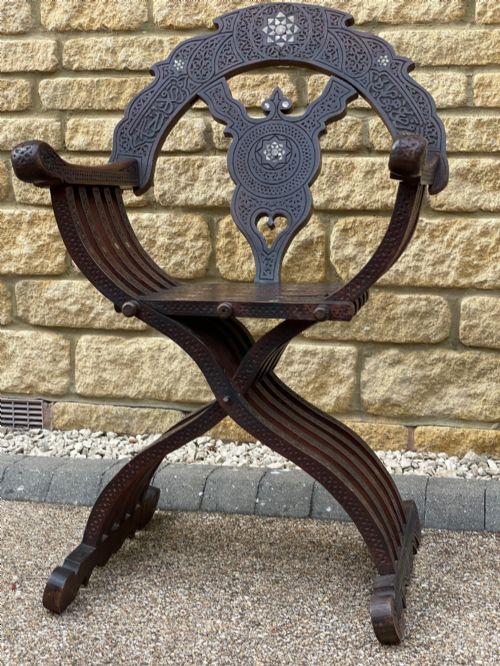
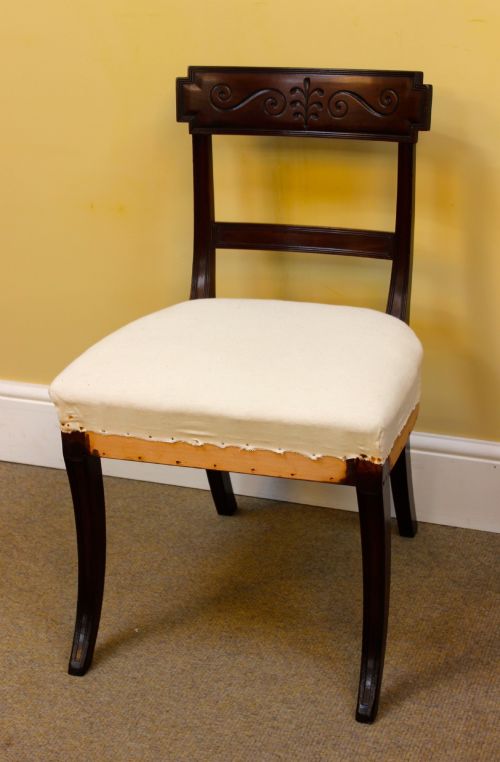
Victorian Carved Wood Chair
A victorian carved wood chair brings nineteenth-century craftsmanship into a modern interior, offering sturdy seating shaped by revivalist styles and rich timbers.
Victorian Carved Wood Chair
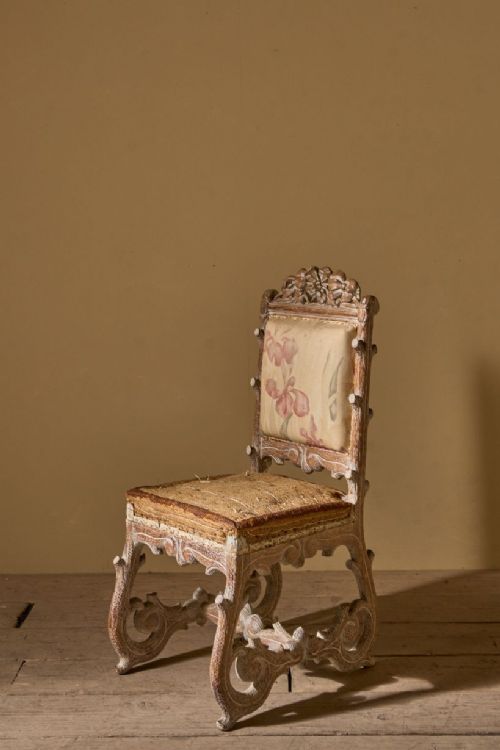
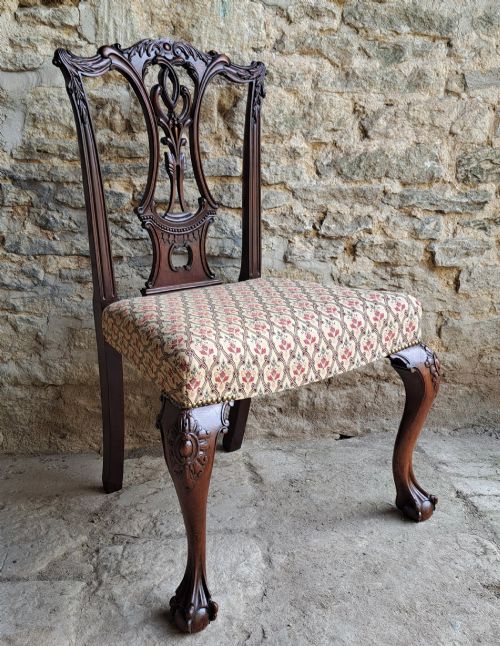
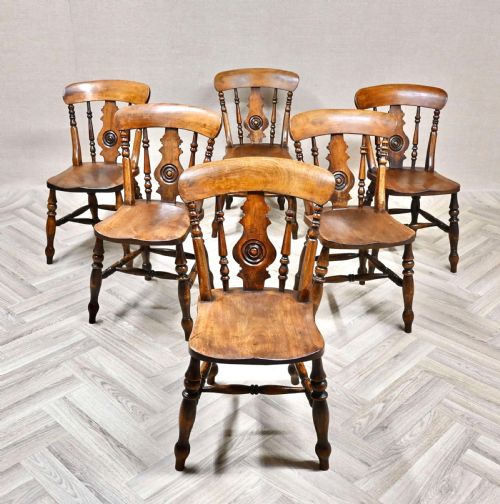
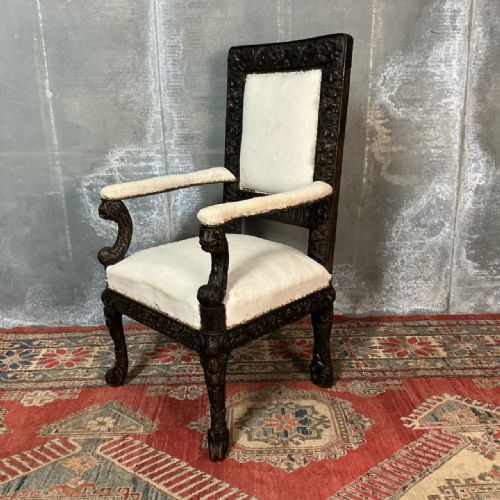
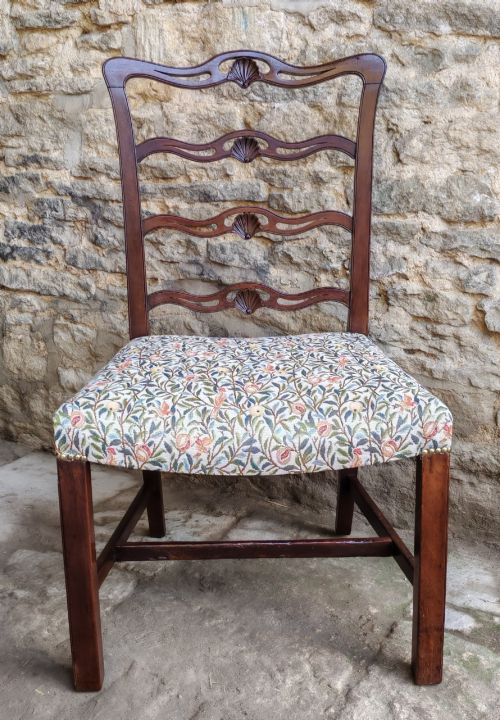
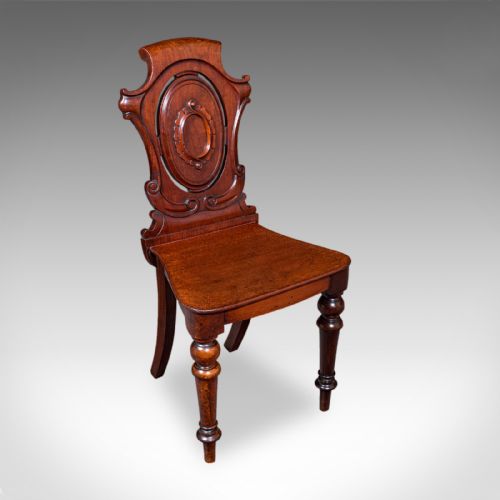
When you search for a victorian carved wood chair, you encounter seating spanning formal dining rooms, libraries, and parlours from the nineteenth century. The selection ranges from robust mahogany dining seats to walnut spoonback armchairs and oak hall chairs.
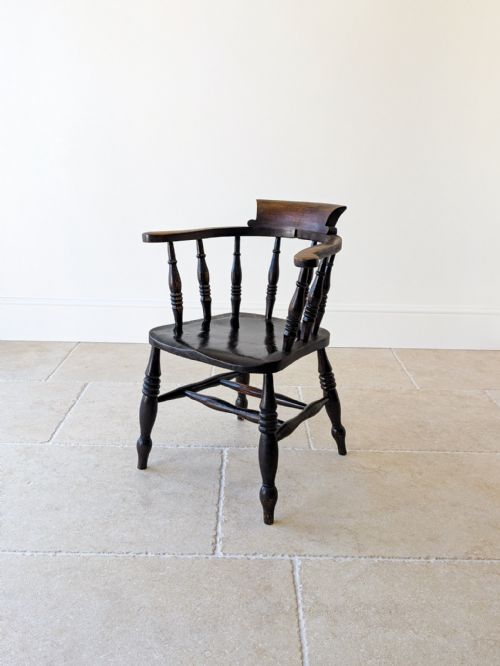
You are most likely to meet mahogany and rosewood dining chairs alongside elm captain's chairs and walnut parlour seating. These forms reflect diverse revival styles including Gothic, Rococo, and Chippendale, produced across England and Scotland.
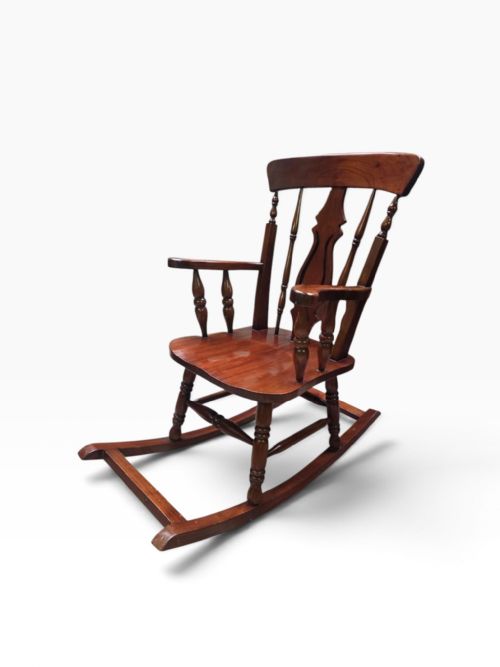
The category encompasses side chairs, armchairs, and rocking chairs designed for specific domestic spaces. Each piece demonstrates the period preference for solid timber frames enriched by hand-carved ornament.
How they were made
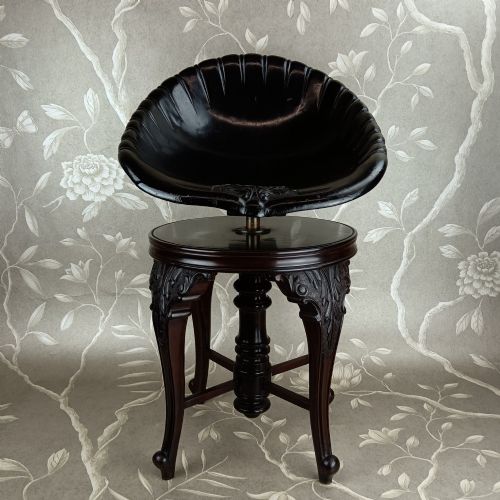
Cabinet makers utilised dense hardwoods such as mahogany, rosewood, walnut, and oak to build durable frames that could support intricate carving. Timber was often seasoned, turned, and joined using traditional methods before receiving hand-carved decorative motifs.
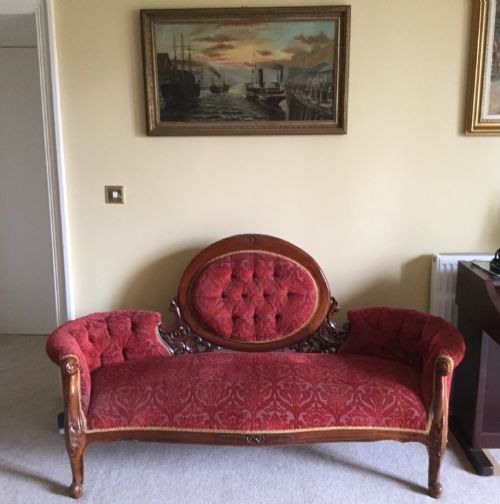
Upholstered variants integrated supportive webbing, springs, and stuffing covered in fabrics like velvet, brocade, or textile. Brass castors were frequently fitted to the feet of heavy armchairs and library chairs to ease movement across carpets.
The furniture spans dining chairs, armchairs, hall chairs, desk chairs, salon suites, and rocking chairs.
What varies in quality
The depth and crispness of the hand-carving define the upper tiers of the range, separating deeply undercut foliage and scrollwork from shallow, mechanical shaping. Superior timber selection, such as figured rosewood or dense mahogany with strong grain patterns, distinguishes finer examples.
Structural integrity depends upon the joinery concealed beneath the seat and the retention of original show wood surfaces. Chairs retaining matching sets or paired elements demonstrate greater cohesion than assembled groups.
Jennens And Bettridge
The Victorian Carved Wood Chair Glossary
- Balloon back
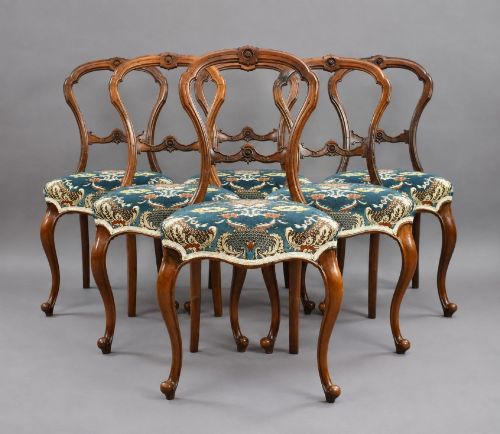
- A rounded, oval-shaped chair back resembling an inflated balloon, widely popular in mid-nineteenth-century dining chairs. This design provided comfortable lumbar support through a curved wooden frame.
- Spoonback
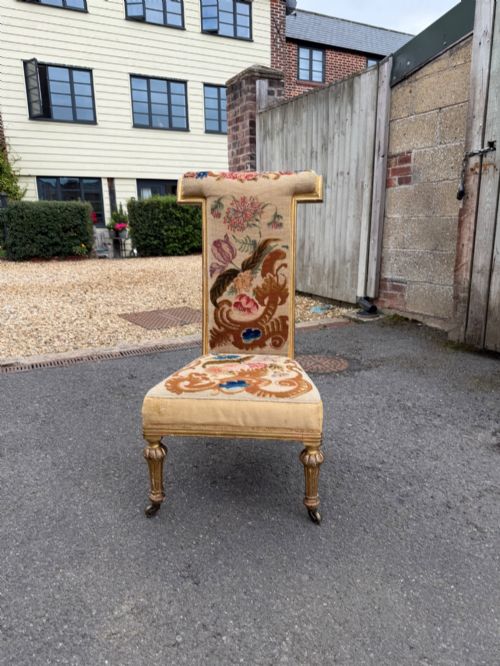
- An upholstered chair back hollowed out in the centre to mimic the bowl of a spoon, typical of parlour and nursing chairs. It conformed to the human spine for relaxed seating.
- Show wood
- Polished timber left visible on an upholstered chair frame to display the grain and carved ornamentation. It highlights the cabinet maker's skill alongside the upholsterer's work.
- Prie Dieu
- A low-backed devotional chair designed for kneeling and prayer, often featuring a shelf top on the backrest. These pieces date predominantly from the mid-nineteenth century.
- Hall chair
- A rigid, often unpadded wooden seat placed in entrance halls, frequently carved with crests or heraldic motifs. They were intended for brief seating rather than comfort.
Victorian Carved Wood Chair: Frequently Asked Questions
How were victorian chairs used daily?
Dining chairs gathered families around large tables for heavy meals, while parlour and library chairs offered padded comfort for reading or entertaining guests. Hall chairs sat in grand entryways to accommodate visitors waiting briefly.
Heavier armchairs and rocking chairs occupied studies and bedrooms, serving specific domestic rituals. Each room featured designated seating built to match the social function of the space.
How do I distinguish walnut from mahogany?
Mahogany generally presents a deep reddish-brown tone with straight grain patterns that darken gracefully over the decades. Walnut displays a cooler, richer brown hue often marked by dark, swirling grain figures.
Cabinet makers selected mahogany for structural resilience and crisp carving, whereas walnut was favoured for its decorative figuring in high-status parlour furniture.
Can I use these chairs every day?
Solid timber frames built in the nineteenth century remain robust enough for daily domestic use when joints are stable. Many dining and desk chairs were engineered specifically for regular seating.
Upholstered pieces may require internal webbing or spring checks before heavy daily service. Placing felt pads beneath the legs protects both the antique wood and modern flooring.