


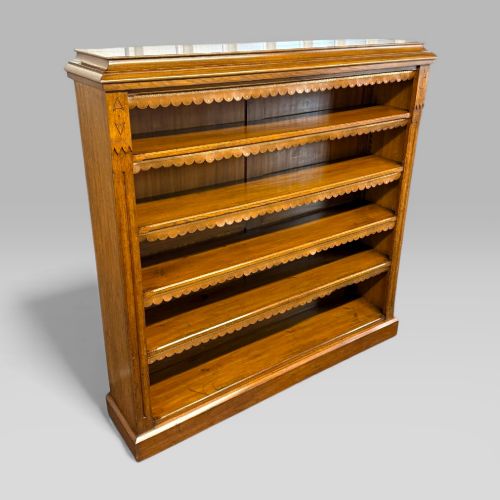
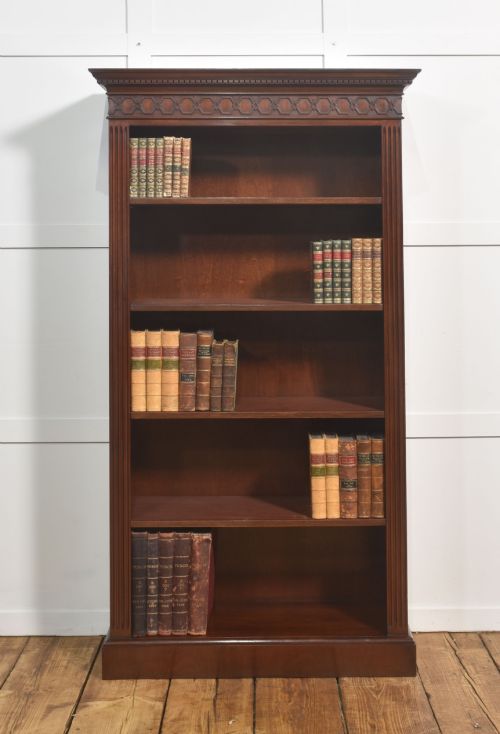
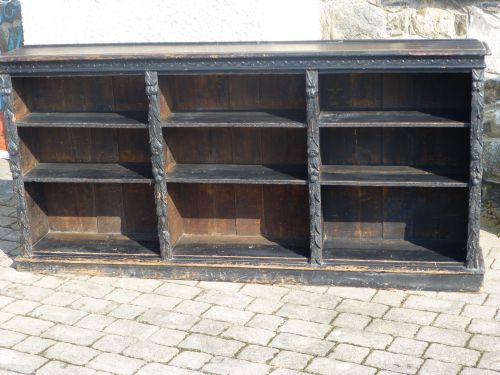
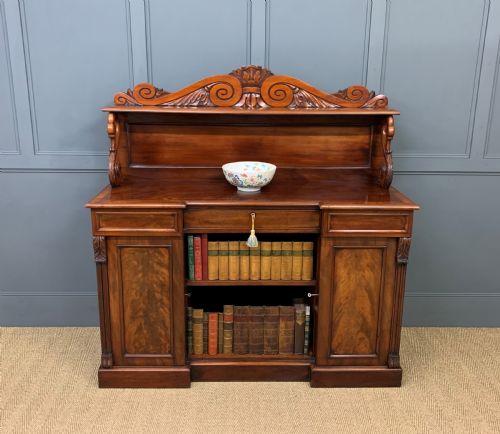
Victorian Carved Open Shelf
These pieces combine architectural presence with functional display, offering an enduring solution for housing libraries and collections.
Victorian Carved Open Shelf
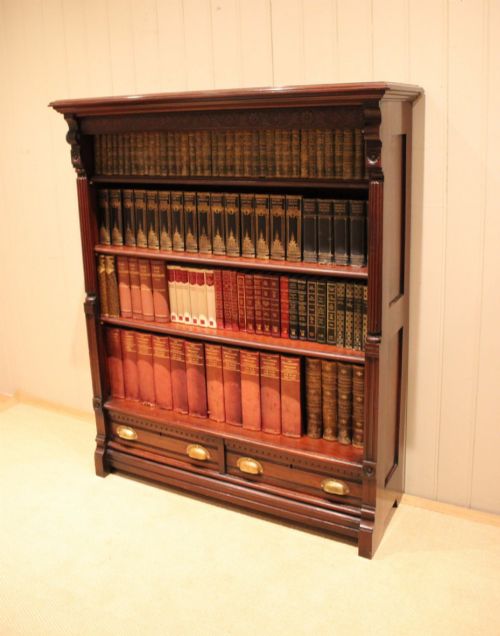
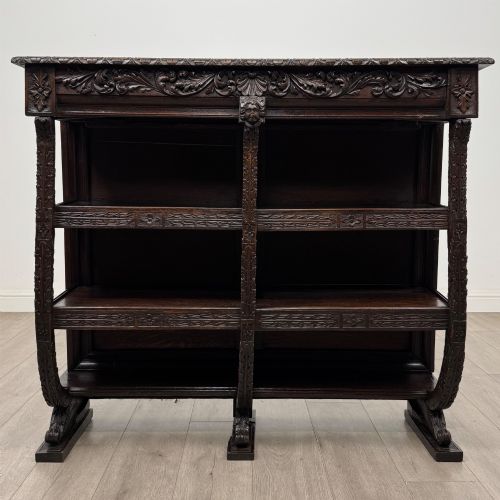
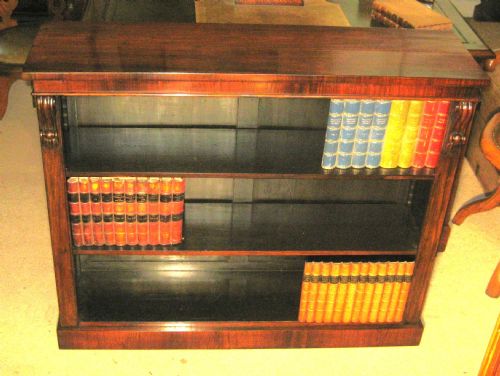
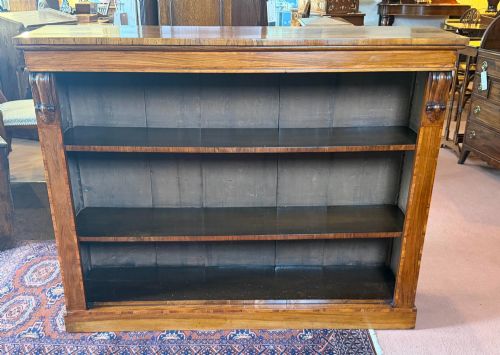
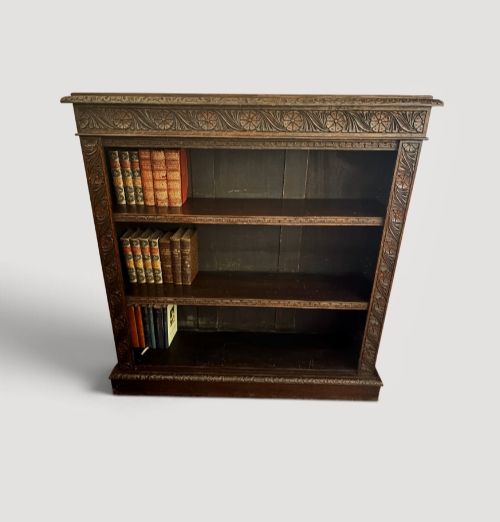
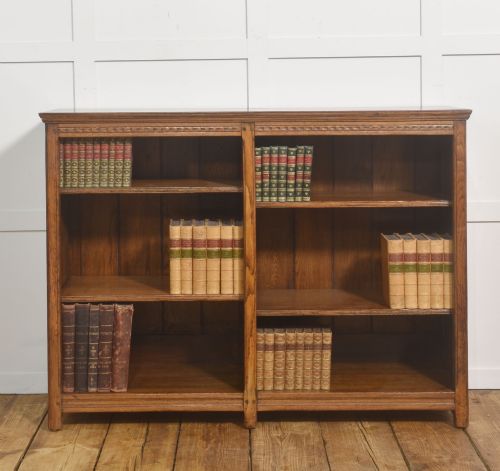
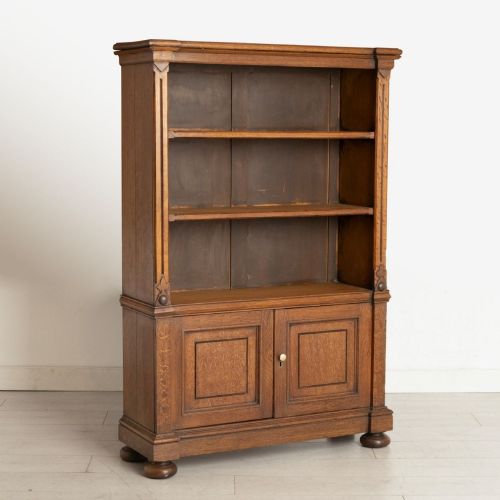
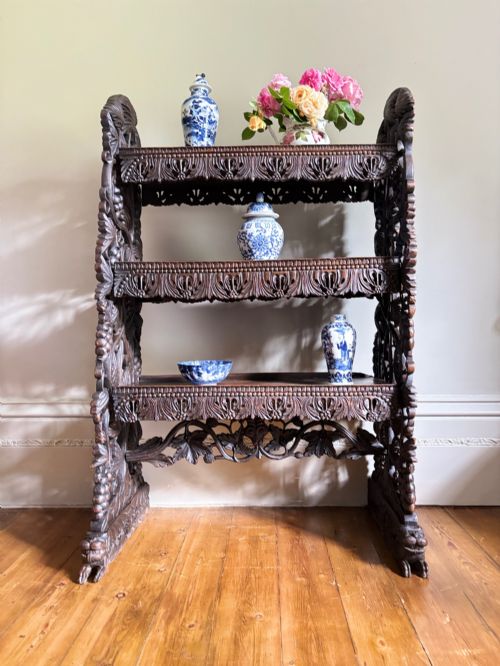
A victorian carved open shelf serves primarily as a bookcase or tiered display unit, designed to present volumes and objects without the barrier of glazed doors. These items appear frequently in oak, walnut, and mahogany, reflecting the domestic priorities of nineteenth-century interiors.
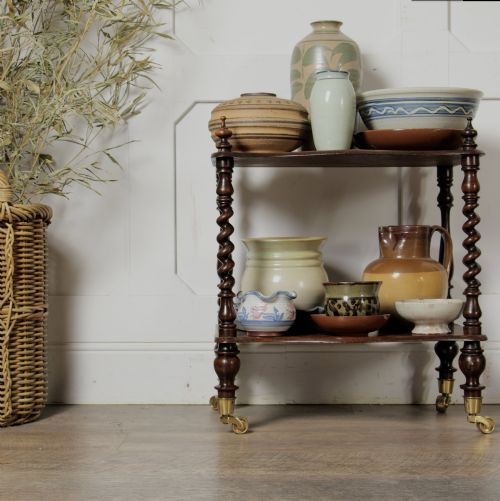
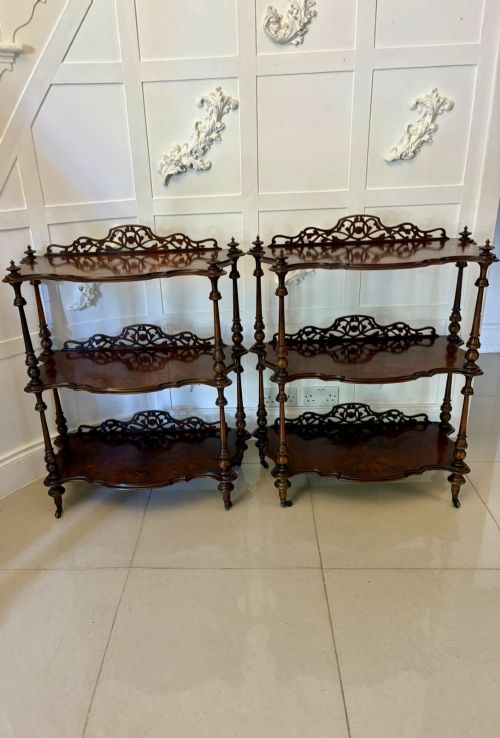
The evidence shows forms ranging from low dwarf bookcases and corner units to elaborate whatnots and étagères. Buyers will most commonly encounter upright open bookcases featuring adjustable shelving, constructed during the latter half of the nineteenth century.
Regional and stylistic variations include Gothic Revival details, barley twist supports, and aesthetic movement influences. Pieces date broadly across the nineteenth century, encompassing William IV, mid-Victorian, and late Victorian periods.
Materials and construction methods
Makers utilised dense hardwoods such as oak, walnut, mahogany, and rosewood, often selecting burr veneers for decorative emphasis on flat surfaces and drawer fronts. Carved ornamentation is integral to the timber rather than applied separately, showing deep relief work in styles from Gothic Revival to Japonisme.
Adjustable shelf systems rely on wooden ratchets, brass pegs, or vertical slots cut directly into the interior uprights. Joints are typically pegged mortise and tenon construction, ensuring structural rigidity for heavy rows of books.
Listings demonstrate a strong preference for oak and walnut timbers, with adjustable shelving appearing as a standard functional attribute across Victorian library bookcases.
Distinguishing factors in craftsmanship
Quality rests on the selection of timber and the crispness of the hand carving rather than the mere presence of decoration. Superior examples display dense, well-figured grain in burr walnut or flame mahogany alongside deeply undercut foliage or geometric motifs.
Structural integrity and original mechanisms dictate value, particularly the smooth operation of adjustable shelving tracks and the retention of original backboards. Finer pieces demonstrate careful proportioning in breakfront designs and balanced symmetry in matched pairs.
Gabriel Viardot·Edwards & Roberts
The Victorian Carved Open Shelf Glossary
- Whatnot
- A piece of furniture consisting of open shelves for displaying small objects or books. These tiered stands date from the early nineteenth century onwards.
- Étagère
- A French term for a piece of furniture with a set of open shelves for displaying ornaments. They often incorporate mirrors or delicate turned supports.
- Breakfront
- A cabinet or bookcase whose central section projects forward from the flanking sides. This architectural arrangement creates depth and shadow in large library units.
- Barley twist
- A type of turned column resembling the spiral shape of barley sugar. This decorative woodworking technique appears frequently on nineteenth-century supports and uprights.
- Chiffonier
- A low sideboard or cabinet, sometimes surmounted by shelves. It evolved during the nineteenth century to serve both storage and display functions in the dining room or parlour.
Victorian Carved Open Shelf: Frequently Asked Questions
How do I adjust the shelves?
Most nineteenth-century bookcases utilise either a rack-and-pinion system or brass pins inserted into a vertical row of holes inside the cabinet walls. Simply support the shelf, remove the pins or shift the wooden catches, and reposition it to the desired height.
Take care when lifting heavier mahogany or oak shelves so as not to damage the interior veneered linings or vertical slots during adjustment.
Where should I place an open bookcase?
Position these pieces against interior walls away from direct sunlight and strong heat sources, which can dry out walnut and mahogany timbers and split burr veneers. Ensure the floor is level so the upright frame maintains its structural balance.
Because the fronts are entirely open, avoid damp or uninsulated exterior walls where circulating air might affect the condition of stored paper and leather bindings.
How do I clean carved wooden surfaces?
Dust the intricate carved details regularly using a soft, dry brush to prevent dirt from accumulating in the recesses of the relief work. Apply a quality beeswax sparingly with a soft cloth to nourish the timber grain.
Avoid modern liquid sprays containing silicones, as these build up over time and dull the natural lustre of nineteenth-century French polish finishes.