



Victorian Carved Oak Overmantel
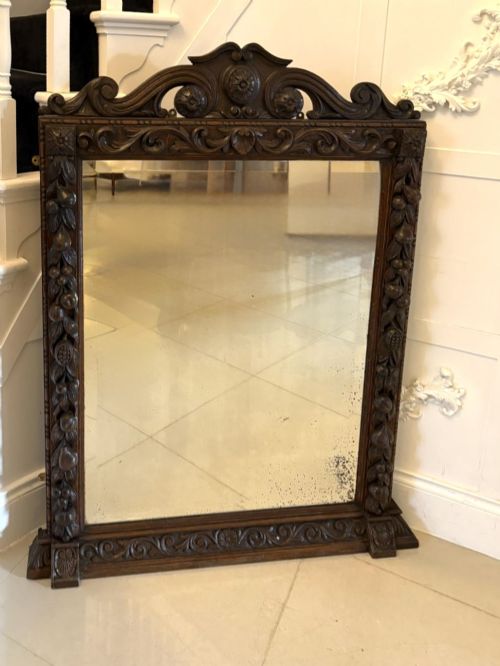
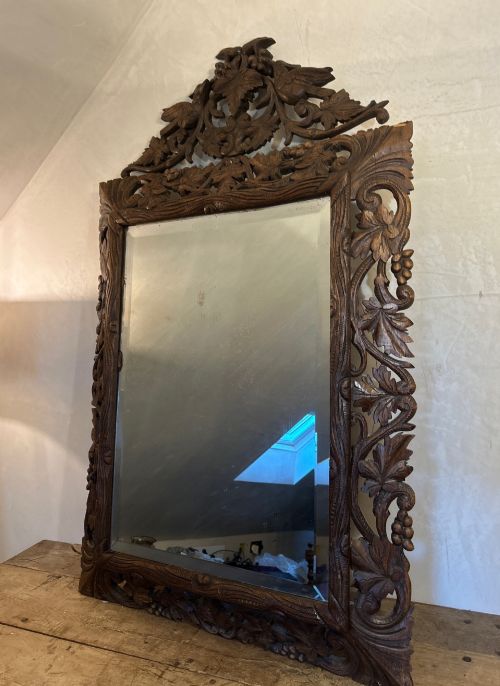
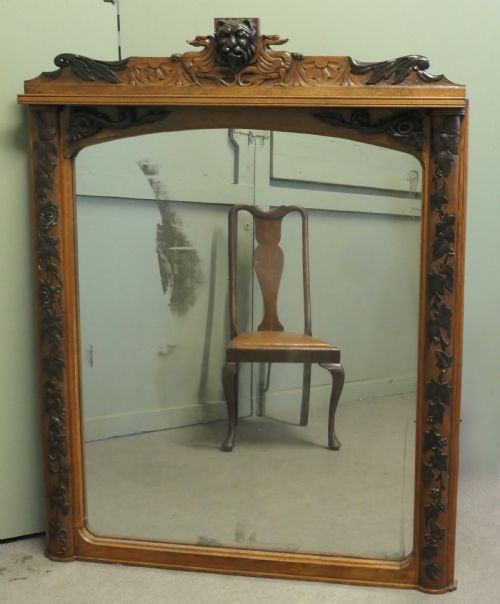
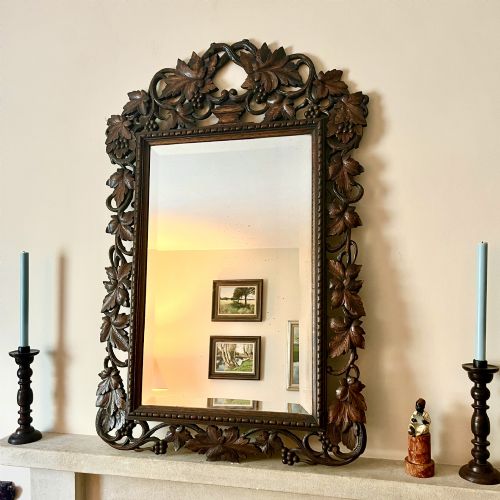
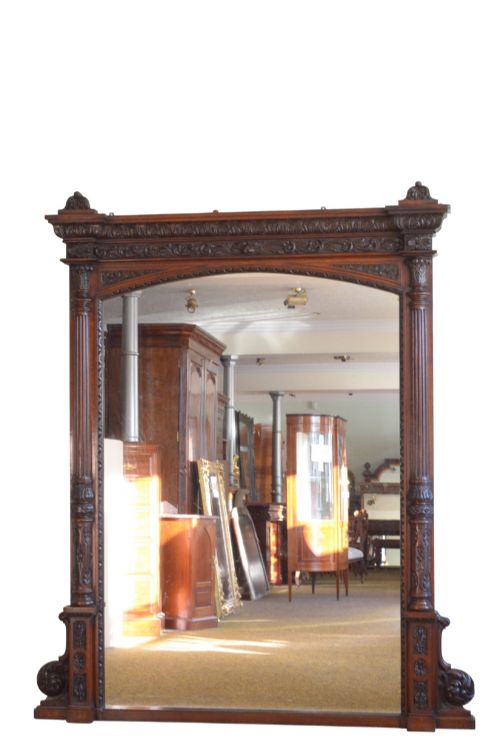
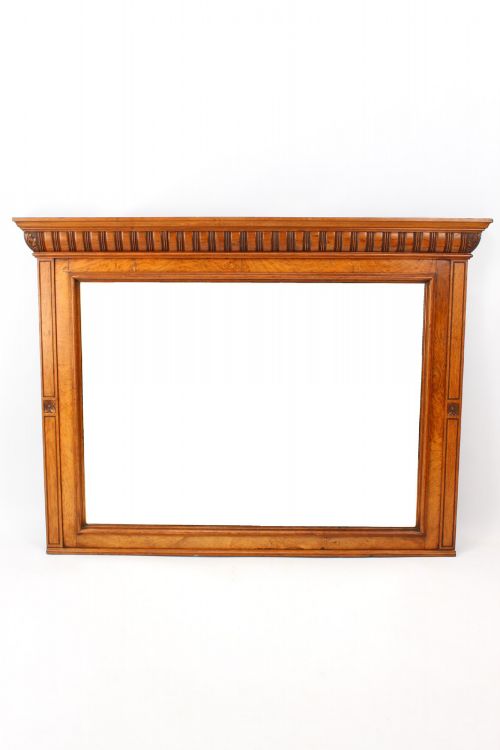
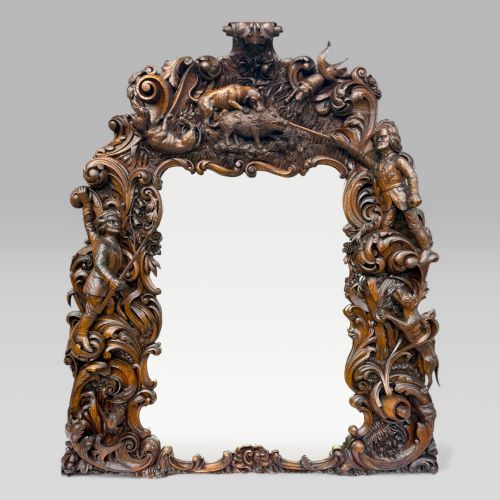
A victorian carved oak overmantel anchors a chimney breast with heavy timber presence and deep relief work.
Victorian Carved Oak Overmantel
A victorian carved oak overmantel is a substantial wall-mounted mirror or architectural panel designed to sit directly above a fireplace hearth. These pieces appear mainly in 19th-century forms, spanning decades from the 1850s through to 1900, with occasional examples extending into the early twentieth century.
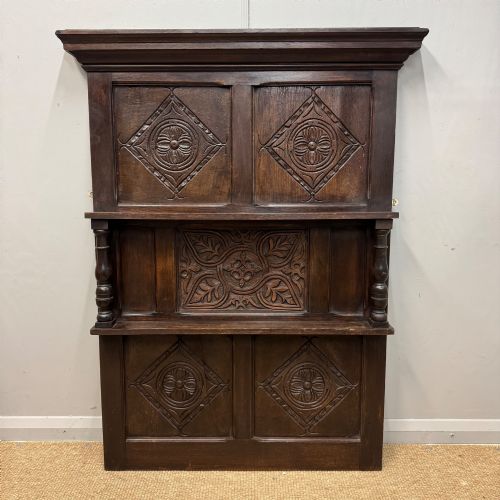
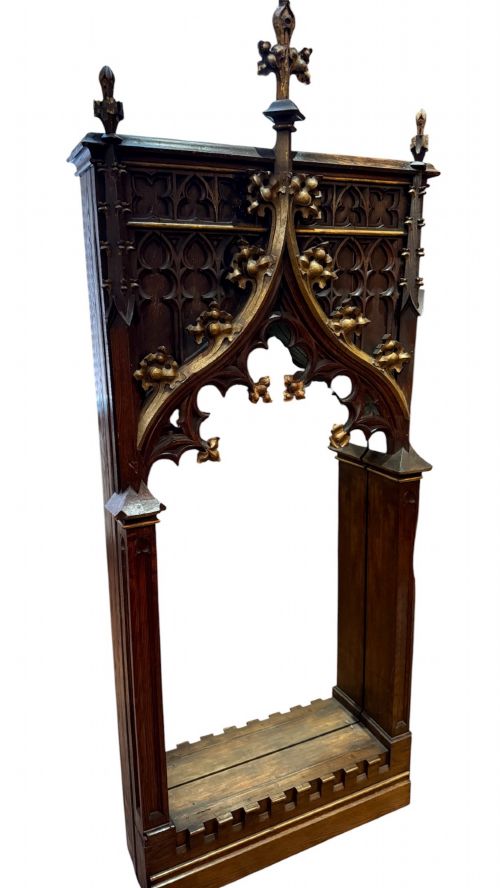
Most entries on this page take the form of large wall mirrors, overmantel mirrors, and fire surrounds constructed to command domestic reception rooms. Stylistic variations run from plain solid timber frames to heavily carved Gothic Revival, French Renaissance, and Moorish revivals.
Makers and workshops constructed these surrounds to reflect wealth and architectural ambition within country houses, hunting lodges, and urban drawing rooms. The scale ranges from modest mantel panels up to grand six-foot structures incorporating parcel-gilt and painted details.
How they were made
Cabinet makers utilised solid oak and scrubbed oak as the primary structural and decorative medium, occasionally combining walnut or applying paint and giltwood highlights to carved mouldings. Timber sections were joined using traditional framing techniques to support heavy weight across wide mantel spans.
Carvers worked the wood by hand to produce deep relief ornamentation, including lion heads, serpent panels, tracery, and foliage. Glass plates, sometimes reverse painted or etched with floral motifs, were set within the timber rebates alongside original mirror glass.
Listings feature periods spanning from the 1850s to the 1920s, constructed predominantly in solid oak alongside walnut, giltwood, and original mirror glass.
What varies in quality
Depth and ambition in the wood carving separate standard framing from exceptional output, distinguishing repetitive machine work from spirited hand chiselling. Bold figural elements such as Green Man masks or heraldic motifs require superior sculptural skill.
The integrity of the original timber and the retention of early or original mirror glass dictate the historical standing of the piece. Superior examples maintain structural cohesion in large cushion frames and arches without excessive modern intervention.
Liberty and Co
The Victorian Carved Oak Overmantel Glossary
- Overmantel
- A mirror or decorative panel designed specifically to sit on the chimney breast above a fireplace mantelpiece. These items visually expand room dimensions and reflect light.
- Gothic Revival
- An architectural and decorative style drawing on medieval ecclesiastical forms, prominent in Victorian design through pointed arches, tracery, and heavy mouldings. It channels historic stone structures into domestic timber furniture.
- Parcel-Gilt
- Woodwork partially decorated with gold leaf or gilt paint to highlight specific carved details against a dark oak ground. This technique creates visual contrast across complex relief panels.
- Cushion Frame
- A broad, convex framing profile that swells outward toward the outer edge, creating a pronounced sculptural border around the central glass plate. This form adds optical weight to large mirrors.
- Green Man
- A sculptural architectural motif depicting a human face emerging from or entwined with foliage and vines. It appears frequently in carved woodwork associated with medieval and Gothic revivals.
Victorian Carved Oak Overmantel: Frequently Asked Questions
How do I secure an overmantel to the wall?
These heavy wooden frames require robust fixing directly into structural wall studs or masonry using appropriate steel brackets suited to the weight of solid oak and glass.
Professional installation is recommended due to the sheer scale and substantial mass of nineteenth-century overmantel mirrors.
Were these always meant for fireplaces?
While primarily designed to sit above hearths, many large examples functioned equally as grand principal wall mirrors in reception rooms and hallways.
Their architectural proportions allow them to serve as standalone focal points within high-ceilinged interiors.
How do I clean antique oak frames?
Dust the carved recesses regularly with a soft, dry bristle brush to prevent particle buildup within the deep timber relief work.
Avoid liquid polishes or modern chemical sprays that can degrade historic wax finishes and discolour exposed wood.
What defines the Gothic Revival style here?
Gothic Revival pieces incorporate architectural elements such as pointed arches, quatrefoils, tracery, and ecclesiastical panels drawn from medieval stone buildings.
Makers translated these structural motifs into domestic oak furnishings during the Victorian era.