


Victorian Carved Oak Counter
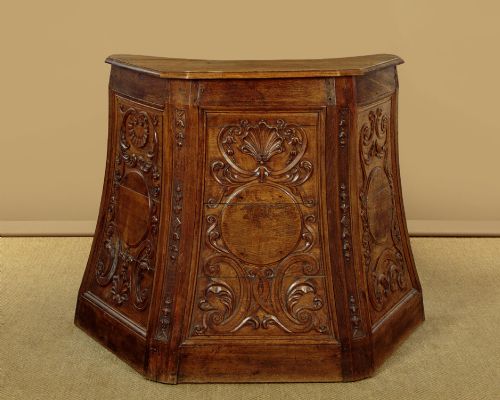
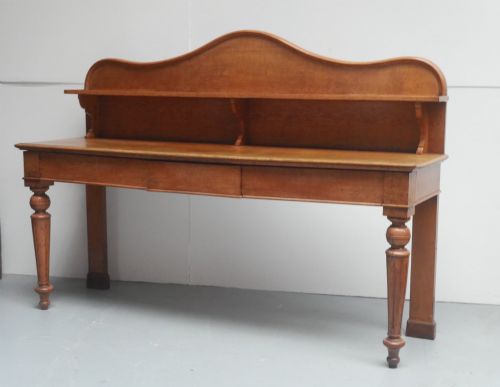
These Victorian carved oak counter pieces are substantial timber furnishings built to organise trade and hospitality.
Victorian Carved Oak Counter
A victorian carved oak counter serves as a heavy timber fixture designed for retail service or home hospitality. Buyers searching for a victorian carved oak counter usually encounter robust business furnishings and display units built from dense hardwoods.
The inventory on this page spans distinct functional forms, including serving tables, shop counters, and reception bars. These pieces originate from the nineteenth century, with construction techniques reflecting standard workshop practices of the period.
Makers utilised resilient timbers to withstand heavy daily use in commercial and domestic settings. Surviving examples demonstrate the utilitarian purpose behind their solid construction and carved decoration.
Materials and construction methods
Carpenters constructed these units primarily from solid oak, alongside auxiliary timbers such as elm, beech, and walnut. Timber selection depended on the structural demands of the counter, with heavy oak chosen for visible frontages and load-bearing surfaces.
Manoah Rhodes & Sons Ltd
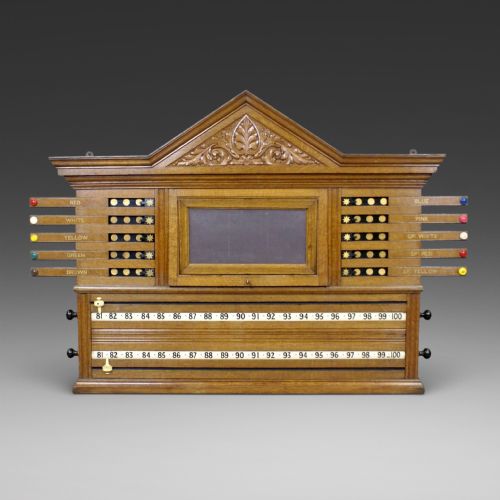
Listings feature items from the nineteenth and early twentieth centuries, constructed primarily in oak with glass, brass, and walnut elements.
Assessing quality and craftsmanship
The standard of carving dictates the visual distinction of a piece, separating utilitarian shop fittings from finer decorative commissions. Crisp execution in the timber relief work indicates a higher grade of workshop production.
The integrity of the original hardware, including brass fittings and glass panels, influences the overall coherence of the structure. Retaining untouched timber surfaces without excessive modern intervention preserves the historical value of the piece.
Manoah Rhodes & Sons Ltd
The Victorian Carved Oak Counter Glossary
- Gothic Revival
- An architectural and decorative style drawing inspiration from medieval forms. This aesthetic appears on nineteenth-century woodwork through pointed arches and heavy tracery.
- Counter-top
- A smaller display unit or cabinet designed to sit upon a larger baseline fixture. These pieces provided secure containment for valuable goods in retail environments.
- Servings
- The practical function of furniture designed for hospitality and food preparation. Large serving tables and reception bars fall within this functional category.
- Vernacular
- Regional building traditions that rely on local materials and straightforward construction methods. Victorian vernacular pieces reflect practical domestic or commercial needs rather than academic architectural design.
Victorian Carved Oak Counter: Frequently Asked Questions
What rooms suit a counter?
These large timber fixtures require generous floor space, making them suitable for spacious kitchens, entrance halls, or open-plan living areas. Their original commercial utility translates well into modern domestic settings as focal storage or serving stations.
Buyers should measure access points carefully, as the solid timber construction prevents dismantling. Positioning them away from direct heat sources protects the aged wood from splitting.
Are these counters modular?
Nineteenth-century commercial fixtures were built as solid, integrated units rather than modular flat-pack furniture. Each counter or bar station was constructed for a specific interior layout.
Consequently, buyers must accept the fixed dimensions of each piece without the option to reconfigure sections. This solid build quality ensures exceptional long-term stability.
How do I date them?
Dating relies on examining construction marks, timber preparation methods, and the style of decorative carving. Nineteenth-century workshops left specific tool signatures on the interior framing and drawer housings.
Comparing the hardware styles, such as brass pulls or hinges, against established chronological benchmarks helps confirm the production era. Wear patterns on the primary work surfaces also indicate the extent of historical use.