




Carved Oak Bar
A carved oak bar brings substantial presence and historic weight to a room, offering a functional gathering point rooted in centuries of craftsmanship.
Carved Oak Bar
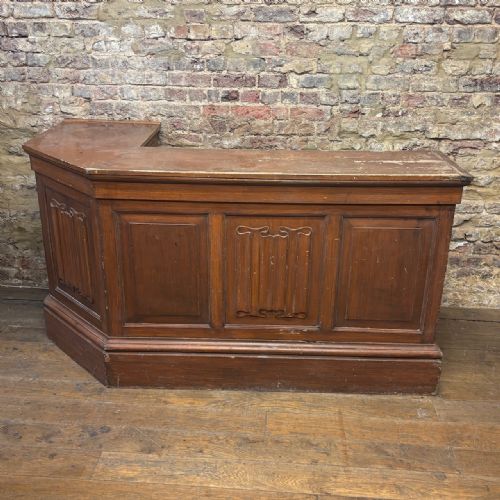
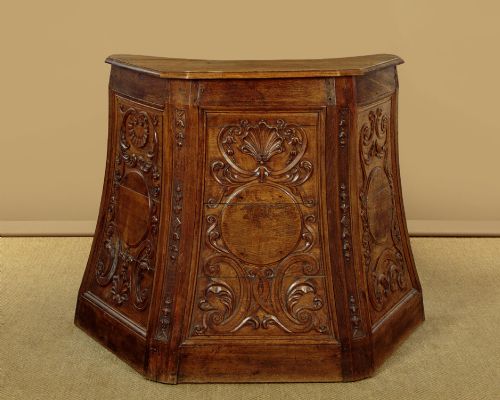
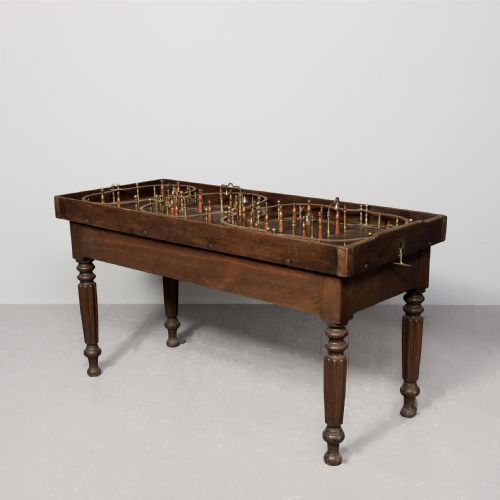
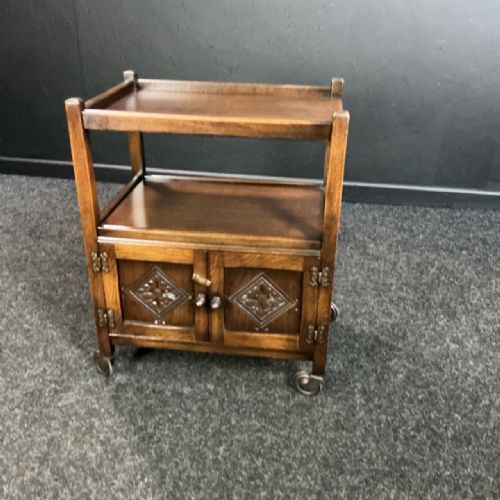
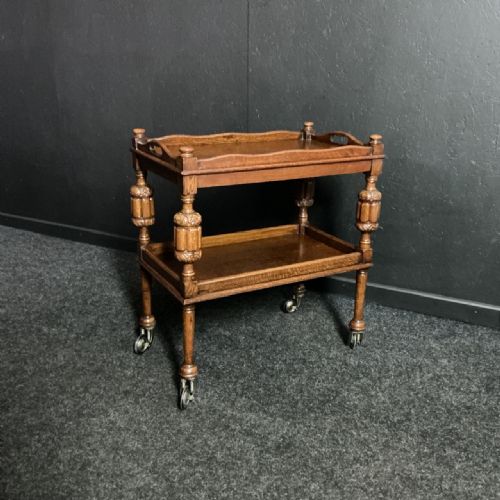
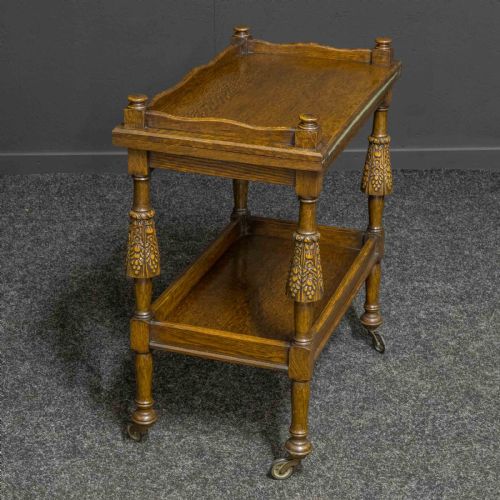
A carved oak bar encompasses substantial commercial counters, reception stations, and domestic serving pieces from the nineteenth and early twentieth centuries. These objects range from large front and back bar installations to smaller pulpit pieces and trolley forms.
The materials span solid timber alongside brass, metal, and glass elements. Pieces frequently emerge from periods such as the Victorian and Edwardian eras, displaying styles like Gothic Revival and Jacobean Revival.
Buyers also encounter related serving furniture including wine coolers, tea trolleys, and bar stools alongside these architectural fixtures. Each item serves a domestic or commercial hospitality function with distinct period character.
Materials and construction
Makers utilised solid oak alongside supporting timbers such as elm, pine, and beech for internal framing and structural stability. Decorative surfaces frequently incorporated burr walnut veneers, brass fittings, and inset mirror glass to enhance the visual depth of serving counters.
Joinery combined traditional mortise and tenon framing with hand-carved ornamentation. Details such as barley twist turnings, geometric panels, and relief carvings required precise hand tools and seasoned timber.
Listings feature oak combined with brass, mirror, and elm across Victorian and Edwardian periods.
Judging the work
Quality rests upon the depth and crispness of the hand-carving alongside the selection of timber figure. Dense, well-figured oak with deep relief work and integrated hardware demonstrates superior workshop practice.
Structural integrity and the retention of original components separate standard items from exceptional survivals. Original brass details, intact glass panels, and well-preserved internal shelving elevate a piece above later adaptations.
Waring & Gillows·Chadburns Castle St Liverpool·Negretti & Zambra of London
The Carved Oak Bar Glossary
- Jacobean Revival
- A nineteenth-century style imitating seventeenth-century furniture design. It typically employs dark oak, geometric moulding, and heavy turnings.
- Barley Twist
- A spiral turning resembling a twisted rope. This decorative column form appears frequently on legs, stretchers, and structural supports.
- Wine Cooler
- A container designed to hold bottles and ice during dining. Period examples often utilise heavy oak construction lined with metal inserts.
- Front and Back Bar
- A dual commercial setup consisting of a serving counter and a matching mirrored rear display structure. These large installations originate from Victorian public houses and hotels.
- Cocktail Cabinet
- A dedicated furniture form for mixing and storing drinks popular in the early twentieth century. These pieces often feature mirrored interiors and specialised glass storage.
Carved Oak Bar: Frequently Asked Questions
How do I maintain a wooden bar?
Apply traditional beeswax periodically to nourish the grain and protect the surface from moisture. Avoid placing the timber near direct heat sources to prevent splitting.
Keep glass and brass components polished with appropriate cleaners while ensuring liquids do not pool on unprotected wood surfaces for extended periods.
Where were these bars used?
Original pieces served in Victorian public houses, commercial shops, and large country house reception rooms. Smaller trolley variants functioned within domestic dining spaces for afternoon tea and service.
Commercial front and back installations anchored hospitality venues, while pulpit and reception pieces managed guest greeting and hospitality tasks.
Can I use these in modern kitchens?
These pieces integrate well into contemporary open-plan spaces as kitchen islands, breakfast counters, or standalone serving stations. Their robust construction handles daily domestic use effectively.
Consider the scale and clearance of the room carefully before positioning large commercial counters or multi-part back bar installations.
How do I date a carved oak piece?
Examine the tool marks, construction methods, and secondary timbers used in the internal framing. Hand-sawn boards and traditional joinery point towards nineteenth-century or earlier origins.
Stylistic markers such as Art Deco veneers or Edwardian brass hardware help narrow down the decade of production alongside any maker stamps.