

Antique Wooden Bar
An antique wooden bar brings character to a room, offering practical storage or serving space shaped by decades of use.
Antique Wooden Bar
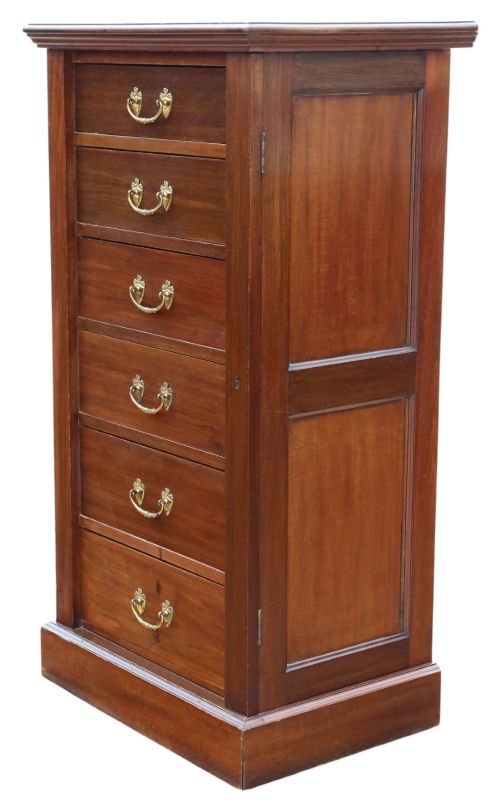
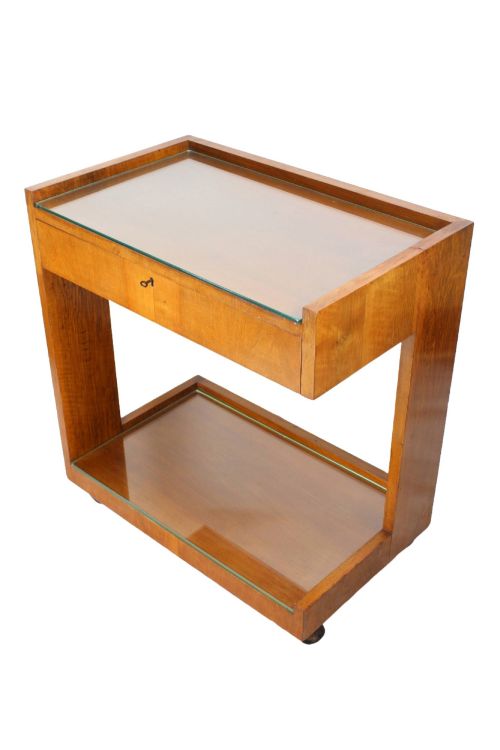
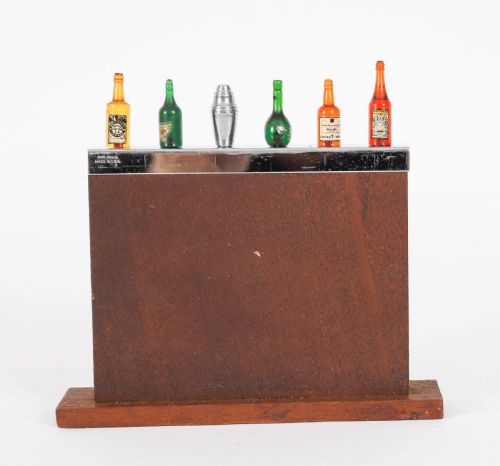
When searching for an antique wooden bar, buyers encounter diverse forms ranging from serving trolleys and cellarettes to dedicated drinks cabinets and tavern stools. The selection spans pieces designed for domestic entertaining as well as commercial public houses, reflecting shifts in social habits across centuries.
Most items meeting this description date from the nineteenth and early twentieth centuries, encompassing Victorian, Edwardian and Art Deco periods. Mahogany, oak and walnut feature prominently, alongside utility woods like beech, elm and sycamore used for seating and tavern furniture.
Forms vary from tiered tea trolleys and tantalus sets to pub tables and high stools associated with hospitality. These pieces combine utility with period craftsmanship, serving modern spaces just as they functioned in their original settings.
Materials and construction methods
Timber selection dictates the character of these items, with dense hardwoods like mahogany and oak offering durability for furniture subjected to daily service. Softer woods such as beech, elm and sycamore appear frequently in tavern stools and utilitarian seating.
Joinery techniques span traditional dovetailing in storage chests to turned elements like barley twist legs on tea trolleys. Metal fittings, brass handles and silver hardware integrate with the woodwork to secure compartments and support mobility.
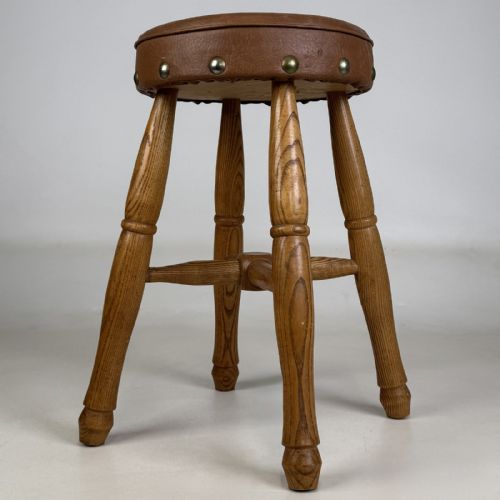
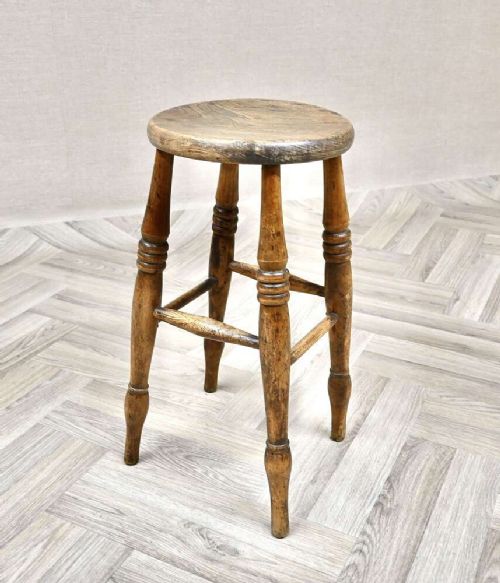
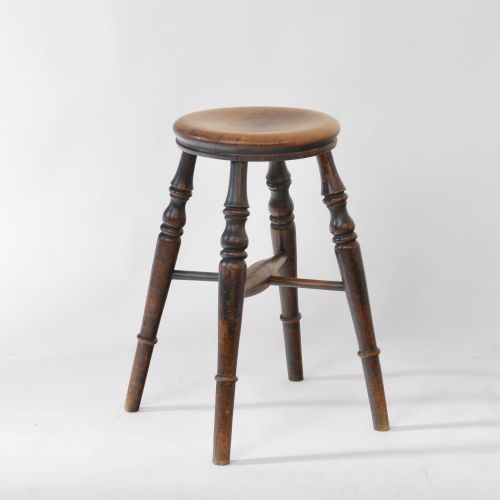
Pub furniture includes sycamore tavern stools with oval dished tops designed for prolonged sittings.
Assessing quality in wooden bar furniture
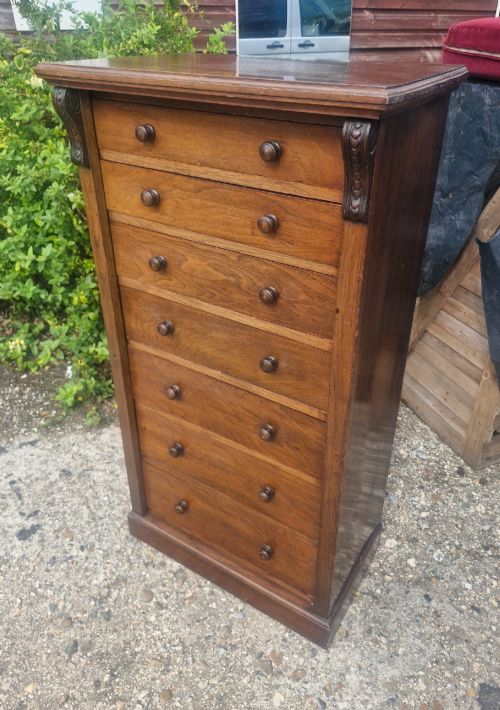
Quality rests upon the selection of timber and the integrity of the construction, where figured veneers and solid hardwoods distinguish better examples from simpler utility pieces. Joinery details, such as tight joints and well-fitted drawers or locking mechanisms, indicate skilled workshop production.
The preservation of original hardware, glass inserts and surface finishes determines how closely a piece retains its historical integrity. Wear consistent with age should enhance the appearance without compromising structural stability.
The Antique Wooden Bar Glossary
- Cellarette
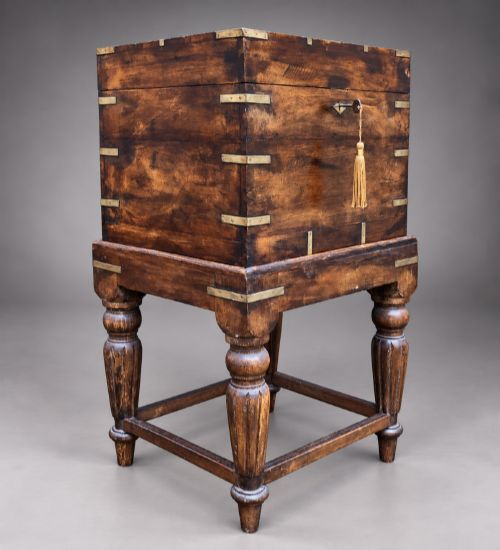
- A lockable container used for storing wine bottles safely within a dining room or parlour. These typically sit on low stands or feet and date from the Georgian and Victorian eras.
- Tantalus
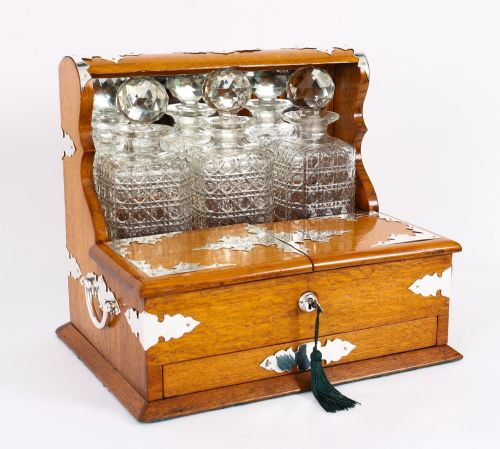
- A locking drink cabinet featuring exposed decanters secured beneath a metal bar to prevent unauthorized access. Popularized in the late nineteenth century, they often incorporate polished oak or coromandel wood.
- Etagere
- A set of open shelves used for displaying or serving items, functioning similarly to a modern tea trolley. They emerged in various wood types during the Victorian period.
- Bar back
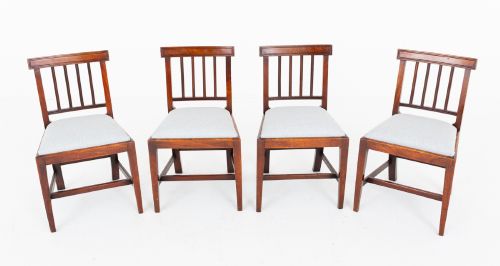
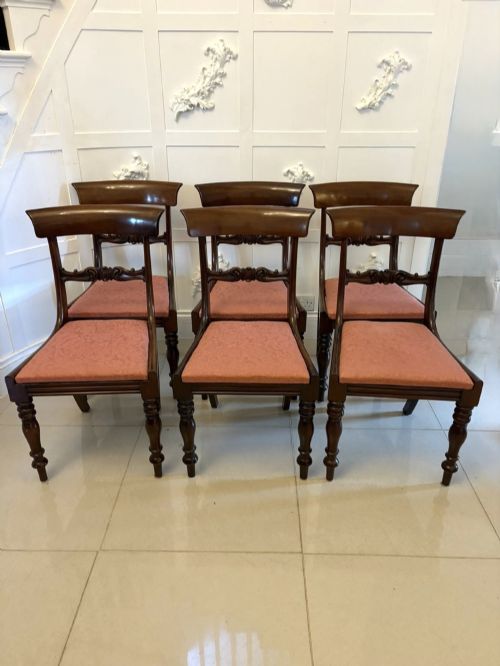
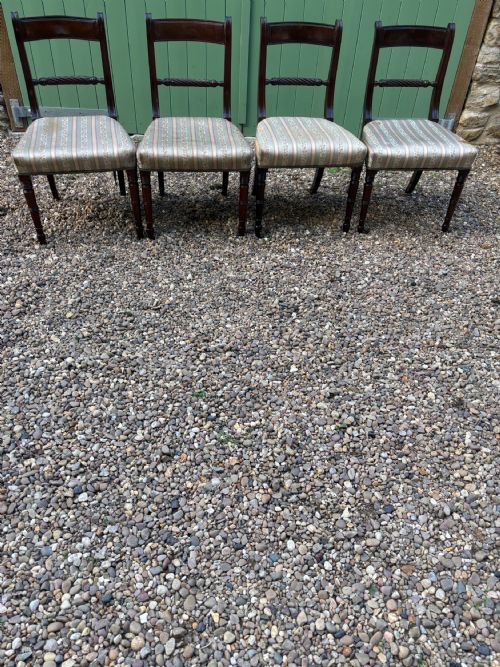
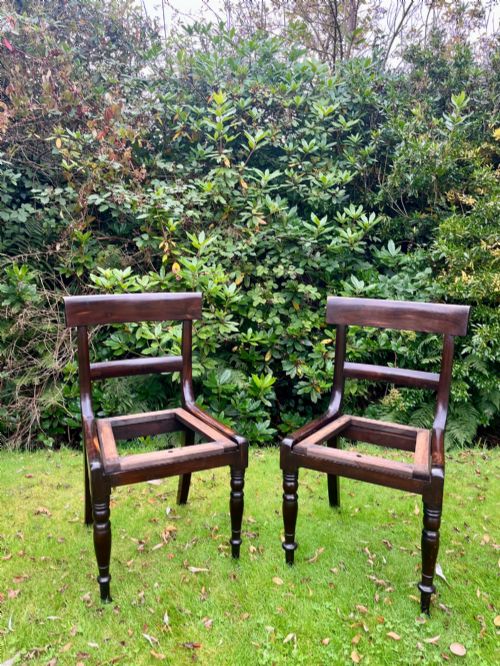
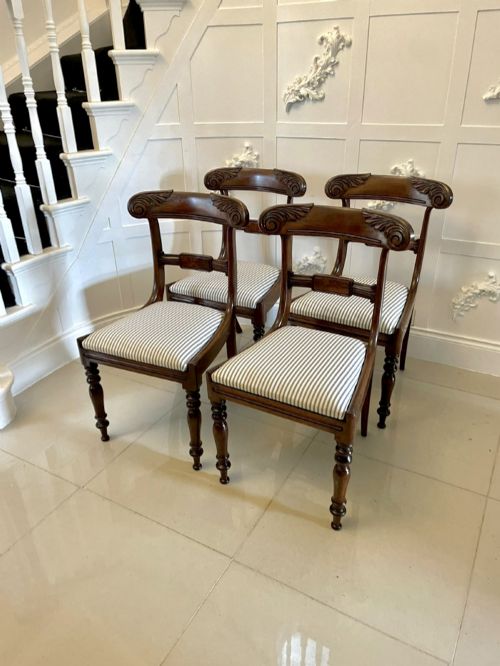
- A chair design featuring a curved horizontal splat across the backrest resembling the rail of a traditional pub bar. This style appears frequently in nineteenth-century dining and Windsor chairs.
Antique Wooden Bar: Frequently Asked Questions
What is an antique wooden bar?
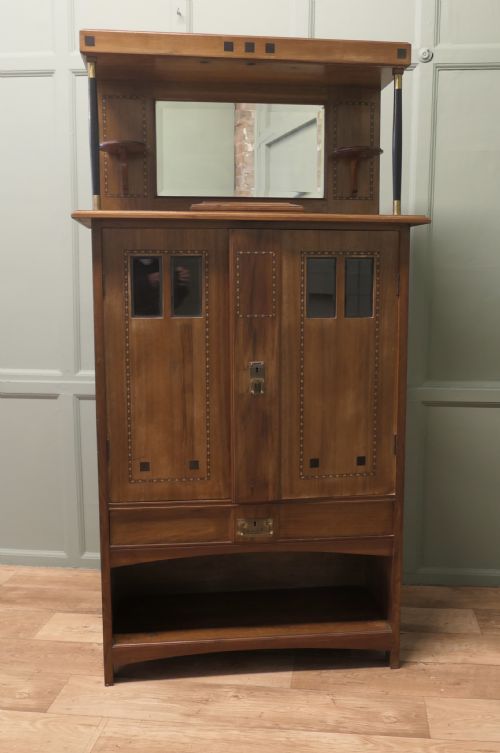
An antique wooden bar encompasses a range of furniture used for serving and storing drinks, from Edwardian tea trolleys and Art Deco cocktail cabinets to Victorian cellarettes and tavern stools.
These pieces reflect the social drinking and hospitality customs of their respective periods, utilising timbers such as mahogany, oak and walnut.
How were drinks cabinets used historically?
Drinks cabinets and tantalus sets provided a secure, organised method for storing spirits and glassware in domestic settings, particularly during the Victorian and Edwardian eras.
Trolleys and serving carts facilitated the movement of tea or alcohol between rooms for entertaining guests.
How do I identify a Victorian piece?
Victorian pieces often display dense hardwoods like mahogany or walnut, featuring robust construction and characteristic revival styles.
Examining the internal drawer construction and hardware can help confirm the manufacturing period.
Are these items suitable for daily use?
Most antique wooden furniture adapts well to contemporary living when handled with reasonable care regarding moisture and heat.
Trolleys, cabinets and stools retain their functional capacity while adding historical character to a modern interior.