

Victorian Carved Mahogany Bookcase
A victorian carved mahogany bookcase brings robust nineteenth-century presence and adaptable storage into a room.
Victorian Carved Mahogany Bookcase
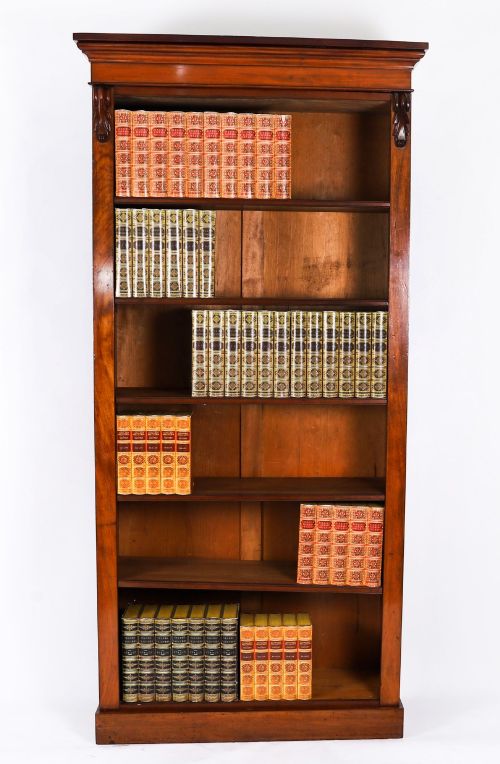
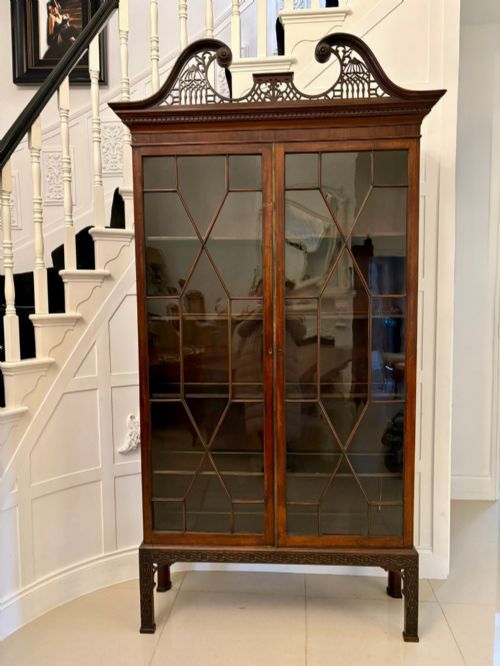
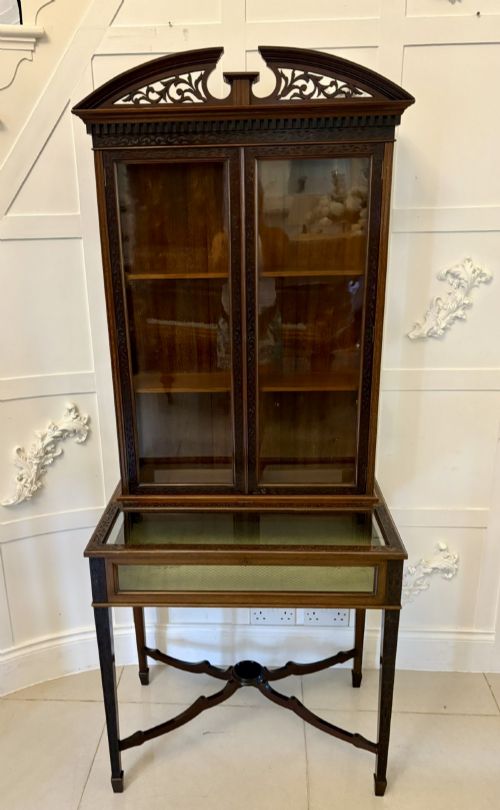
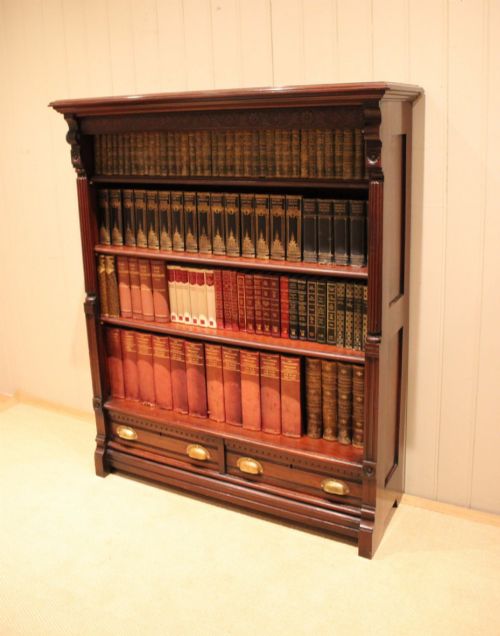
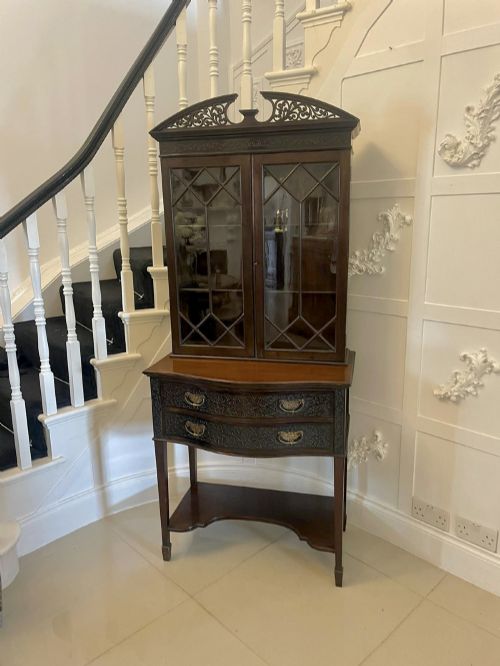
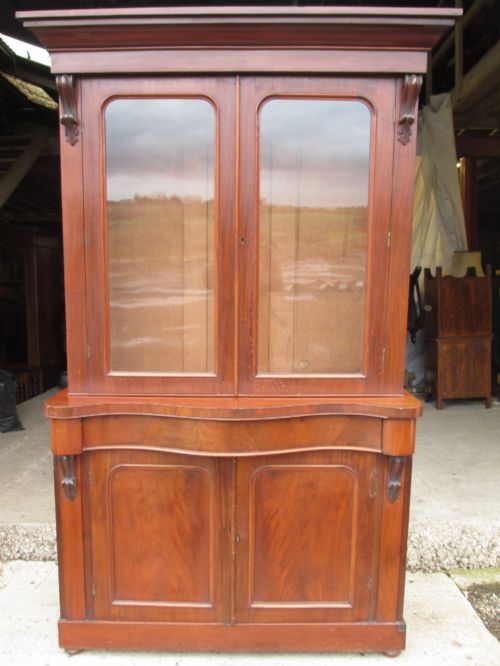
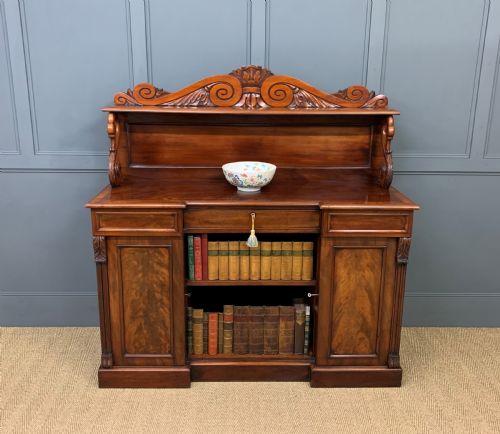
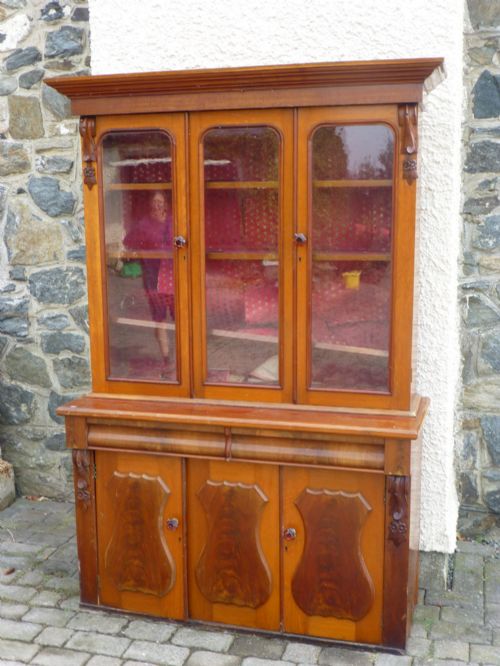
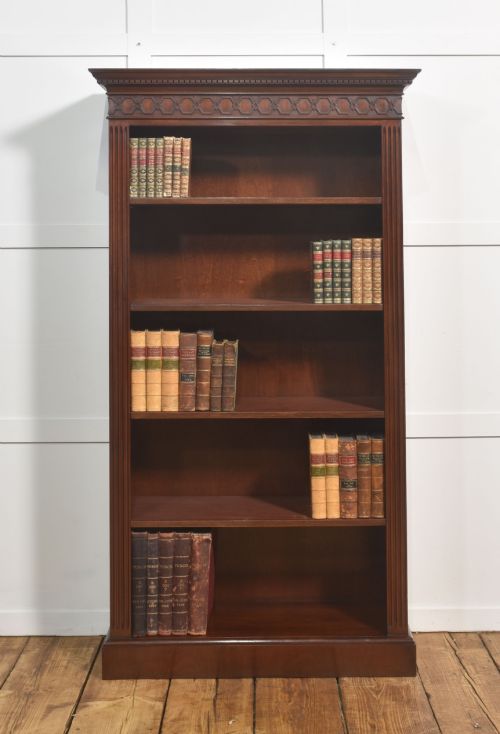
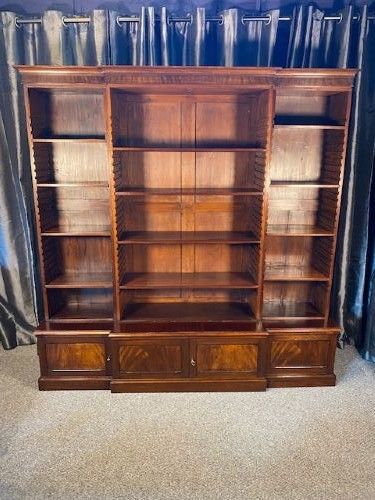
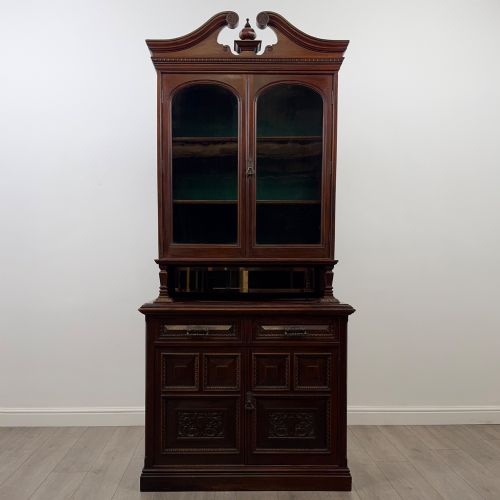
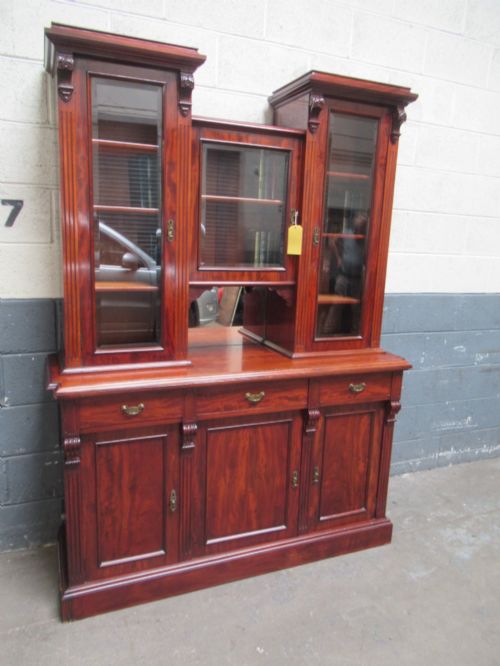
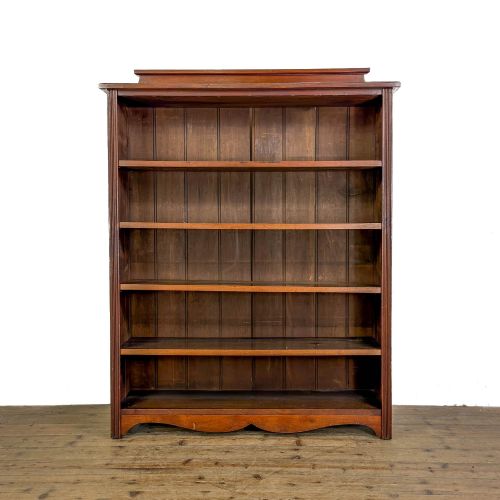
When you search for a victorian carved mahogany bookcase, you encounter tall glazed display cabinets, open library shelving units, and breakfront bookcases originating across the nineteenth century. The pieces you meet most often combine glazed upper doors with lower cupboards, alongside open adjustable shelving built for heavy volumes.
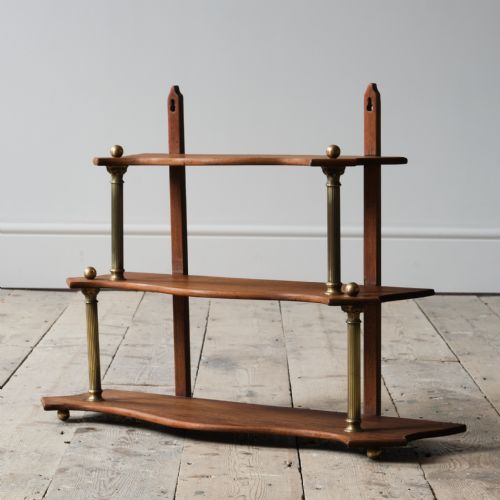
Makers and workshops across Britain utilised dense timber to construct everything from diminutive wall-hanging shelves to monumental breakfront libraries. Regional variations also introduce occasional Welsh vernacular dressers or continental cabinets constructed in the same dark tropical wood.
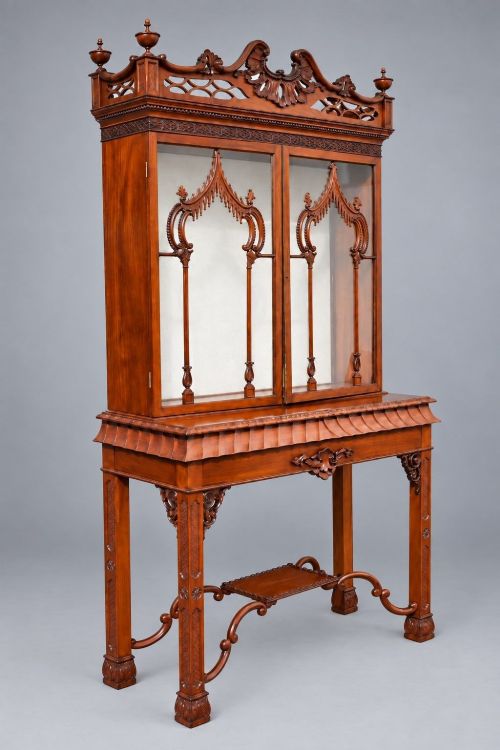
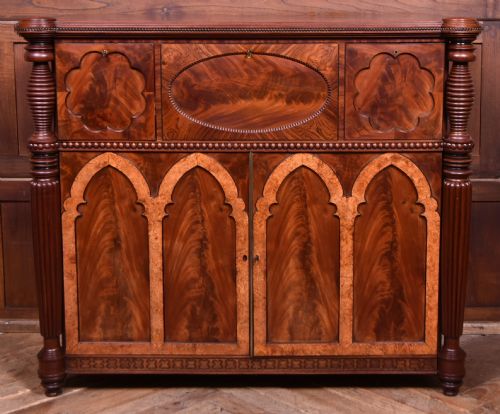
Stylistic influences range from strict nineteenth-century revivalism to Chinese Chippendale fretwork and Gothic accents. This variety ensures that whether you need a revolving table unit or a large glazed breakfront, the form serves both display and practical organisation.
Materials and Construction
Cabinet makers built these pieces primarily from solid mahogany and flame mahogany veneer, supported internally by secondary timbers such as oak, pine, and brass hardware. Glass panels protect the upper shelves, while fabric linings occasionally back display interiors.
Joinery techniques focus on structural integrity for heavy loads, incorporating adjustable wooden shelving tracks, dovetailed drawers, and cylinder or breakfront carcasses. Surface enrichment relies on hand-carved relief details, astragal glazing bars, and ormolu mounts rather than applied composition ornaments.
Victorian Carved Mahogany Bookcase Retail Price Guide 2026
Typical asking prices for victorian carved mahogany bookcase among the pieces listed under this phrase on Sellingantiques today, from the lower quarter to the upper quarter. They describe what is for sale here now, not the wider market.
The archive includes revolving table models, wall-hanging shelves, and monumental breakfront bookcases dating from the eighteen-fifties onward.
Judging the Standard
Quality in these bookcases rests upon the selection of timber grain, particularly the vibrancy of flame mahogany veneers matched symmetrically across doors and drawers. Superior pieces display crisp, deep hand-carving that remains sharp and intentional, rather than softened or mass-produced machine moulding.
Structural honesty and original components define the upper tier of survivors. Intact astragal glazing bars, functioning brass locks, original adjustable shelving mechanisms, and solid secondary woods elevate an example far above standard utility items.
Gillows·James Winter & Sons·Edwards & Roberts·Goodhall Lamb and Heighway·Robert Strahan
The Victorian Carved Mahogany Bookcase Glossary
- Astragal glazed
- Glass doors divided into smaller panes by narrow wooden glazing bars. This traditional method allows light into the bookcase while securing the interior.
- Flame mahogany
- A veneer cut from timber where the branch meets the trunk, producing a distinctive flickering, flame-like grain pattern. Cabinet makers reserved this highly decorative wood for prominent door panels and drawer fronts.
- Breakfront
- A large cabinet design where the central section projects forward from the flanking wings. This architectural arrangement creates depth and breaks up the mass of large library pieces.
- Chiffonier
- A low sideboard or cabinet featuring a small enclosed cupboard beneath or beside shelving. In nineteenth-century contexts, these often integrated bookcase superstructures.
- Secretaire
- A cabinet or bookcase incorporating a pull-down writing flap revealing small interior drawers and pigeonholes. It combines desk functionality with upper display storage.
Victorian Carved Mahogany Bookcase: Frequently Asked Questions
Are the shelves adjustable?
Many nineteenth-century library bookcases feature adjustable wooden shelving supported by rack-and-pinion systems or traditional wooden fillets. This flexibility allows you to reconfigure the interior space for books of varying heights.
Simpler open front bookcases and smaller wall-hanging units occasionally feature fixed shelves integrated directly into the structural carcass during initial construction.
How do I care for mahogany?
Keep nineteenth-century mahogany away from direct sunlight and sudden temperature shifts to prevent the timber and veneers from drying out or splitting. Dust regularly with a dry cloth and apply natural wax sparingly to maintain the sheen.
Avoid liquid polishes containing silicone, which can penetrate porous historical finishes and damage the wood over time.
What is the difference between glazed and open bookcases?
Glazed bookcases feature glass-paned doors that protect valuable volumes from dust and environmental wear while keeping collections visible. They are typically grander architectural pieces intended for formal libraries.
Open bookcases lack doors entirely, offering immediate access to working libraries and everyday reading material at the expense of dust protection.
How do I identify the period?
Early examples often display Regency influences or rich flame mahogany veneers with simpler classical proportions. Pieces from the later decades tend toward heavier proportions, carved Gothic details, or specific revival styles like Chinese Chippendale.
Secondary woods, construction marks, and hardware styles also help narrow down the decade of manufacture within the nineteenth century.