


Victorian Carved Mahogany Bench
These robust victorian carved mahogany bench designs bring solid nineteenth-century timber and varied upholstery into the hallway or drawing room.
Victorian Carved Mahogany Bench
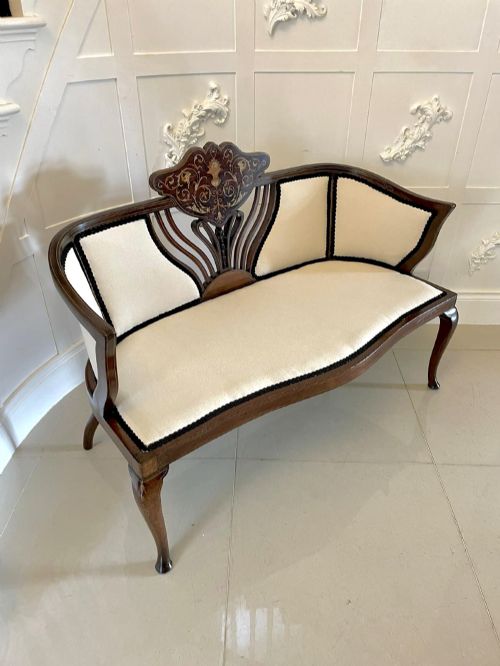
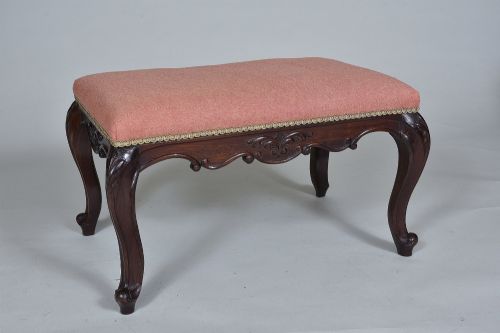
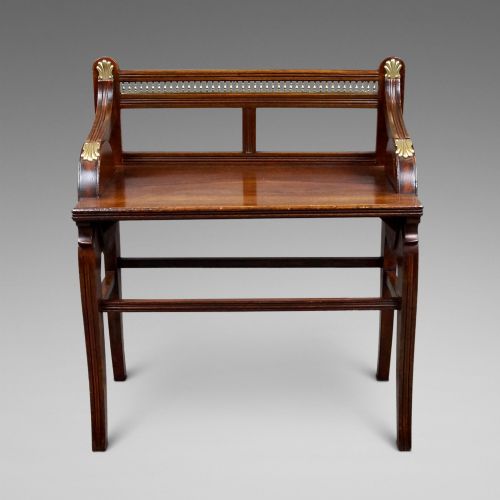
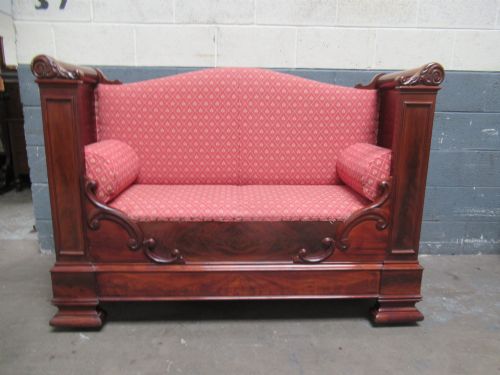
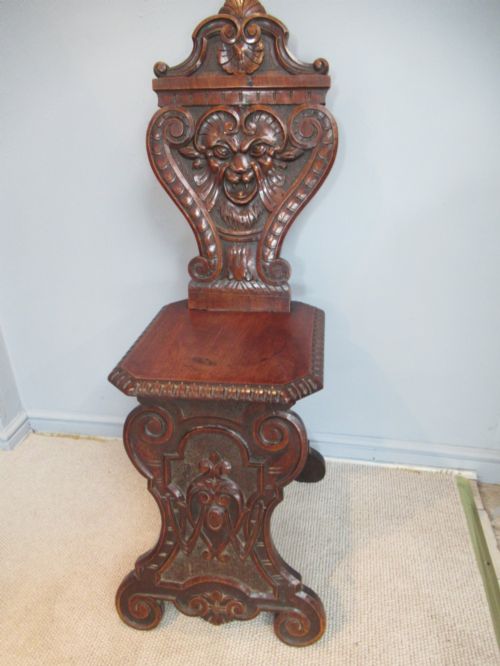
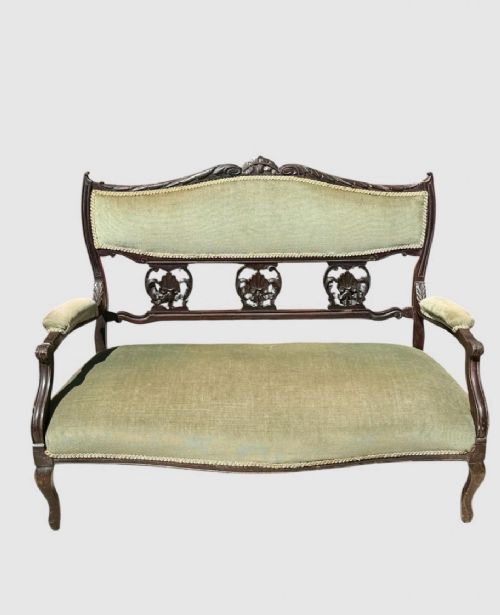
A victorian carved mahogany bench search uncovers a diverse family of nineteenth-century seating, ranging from long window seats and ottoman couches to smaller stools and hall seats. The pieces on this page span the Victorian era, William IV periods, and later revivals, reflecting how nineteenth-century makers adapted timber frames for specific rooms.
Stools and piano stools appear frequently alongside larger settees and window seats, demonstrating that the term bench covers many forms of wooden seating. Upholstery is common, utilising velvet, leather, and fabric to finish seats designed for domestic comfort.
Materials and Construction
Mahogany forms the primary structural timber across these listings, occasionally specified as Brazilian mahogany, paired with secondary woods for internal framing. Turnings, cabriole legs, and carved details define the woodwork, while brass fittings appear on castors and revolving mechanisms.
Upholstery techniques vary from simple drop-in pads to buttoned textile work and fitted leather covers. Makers employed traditional joinery alongside applied carved ornament to achieve the Rococo and classical revival styles seen in the evidence.
Several pieces include hinged seats designed specifically to hold sheet music for Victorian piano duets.
Judging Quality in Mahogany Seating
The distinction between standard production and top-tier pieces rests on the crispness of the carving and the selection of the mahogany grain. Heavier timber frames with well-defined cabriole legs or deep relief carving indicate greater workshop investment than plain turned supports.
The integrity of the original frame construction and the quality of the secondary materials, such as brass hardware or durable textiles, separate ordinary utility pieces from fine cabinetmaker output.
Jas Shoolbred·Butlers of Dublin·Waring and Gillows
The Victorian Carved Mahogany Bench Glossary
- Cabriole leg
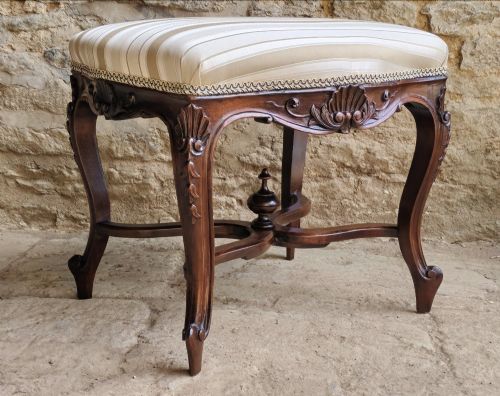
- A furniture leg that curves out and then tapers inward, mimicking an animal's leg. This form is common on mid-nineteenth-century stools and seating.
- Settee
- A small upholstered sofa with a back and arms, designed for two or more people. These often feature carved mahogany frames.
- Duet stool
- A wider piano stool intended for two players to sit side by side. Many examples include hinged seats for sheet music storage.
- Window seat
- A long, backless or low-backed bench designed to sit beneath a window. These frequently utilise mahogany frames with upholstered tops.
- X-frame
- A furniture base formed by intersecting curved or straight supports resembling the letter X. This structural style appears on nineteenth-century stools.
Victorian Carved Mahogany Bench: Frequently Asked Questions
What rooms suit a Victorian mahogany bench?
These benches and window seats fit well beneath large windows, at the foot of a bed, or in spacious hallways where solid wood furniture anchors the room. Their varied lengths accommodate different floor plans.
Smaller piano stools and dressing table stools also serve as flexible accent seating in living areas or bedrooms without overwhelming the space.
How do I care for antique mahogany timber?
Maintain mahogany frames by keeping them away from direct heat sources and strong sunlight, which can dry out and fade the wood over decades. Regular dusting with a soft, dry cloth preserves the finish.
Avoid silicone-based polishes that build up residue, opting instead for traditional wax applied sparingly when the wood appears dry.
Were these benches always upholstered?
Many nineteenth-century examples left workshops with padded and covered seats, utilising fabrics like velvet, leather, and textile panels. Over time, these coverings often required replacement due to wear.
Some hall seats and wooden settles remained bare or featured simple wooden panels, depending on their intended domestic function.
How do I distinguish William IV from later Victorian styles?
William IV pieces, dating from the 1830s, often display heavier, bolder proportions with robust scrolling and classical revival motifs. Mahogany from this period tends to be dark and densely grained.
Later Victorian and 1880s examples frequently incorporate lighter frames, occasional inlay work, or varied revival influences such as Rococo curves.