



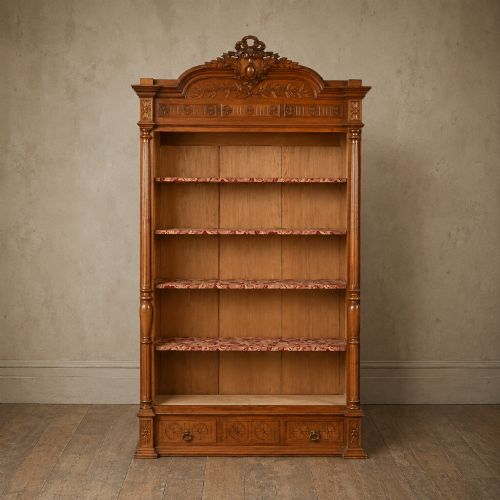
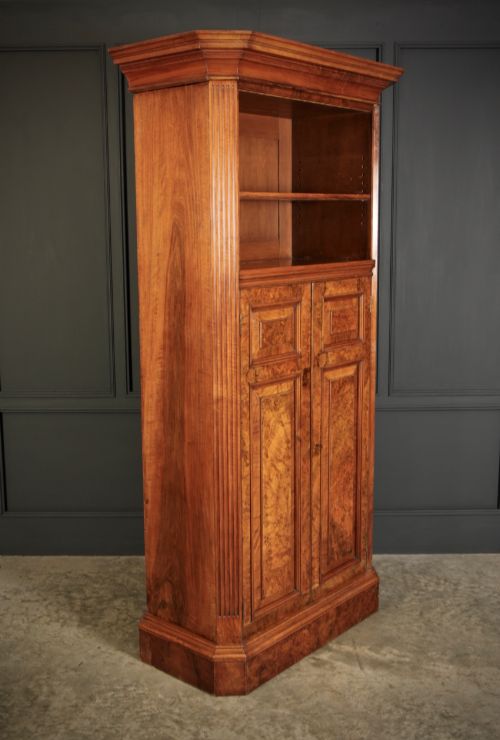
Victorian Carved Library Shelves
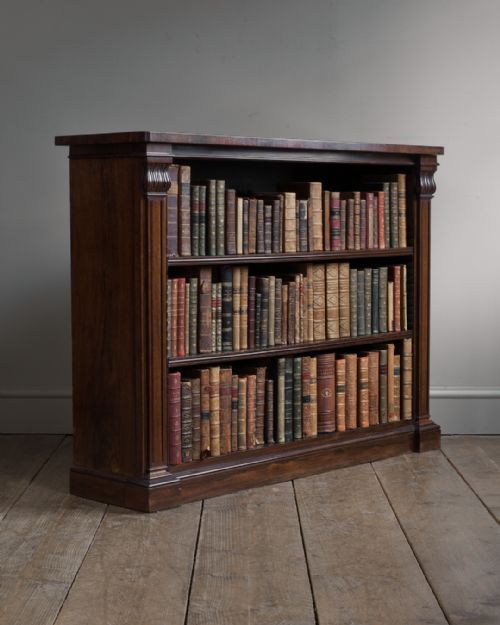
Victorian carved library shelves bring substance and organisation to a room, offering sturdy open storage built from rich timbers.
Victorian Carved Library Shelves
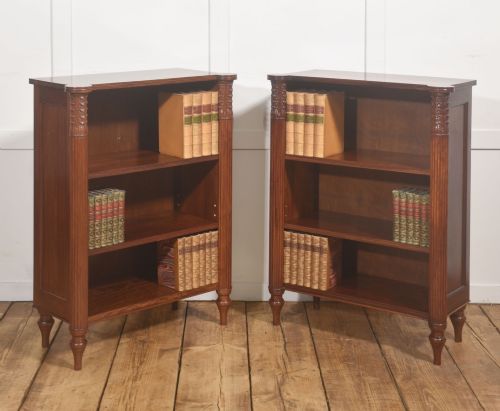
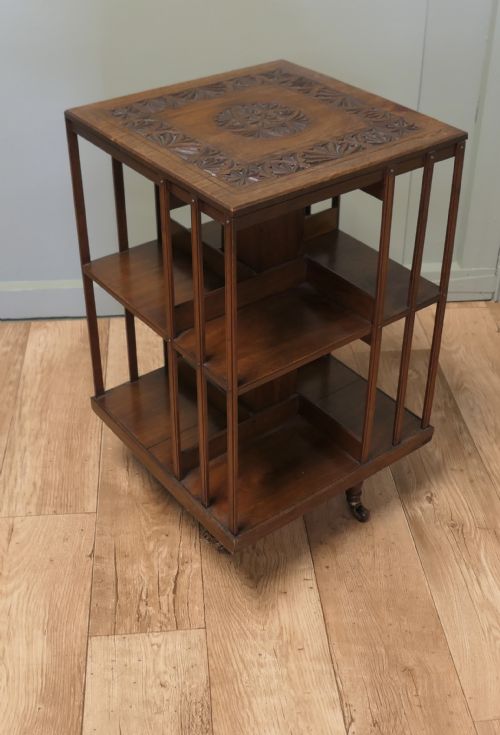
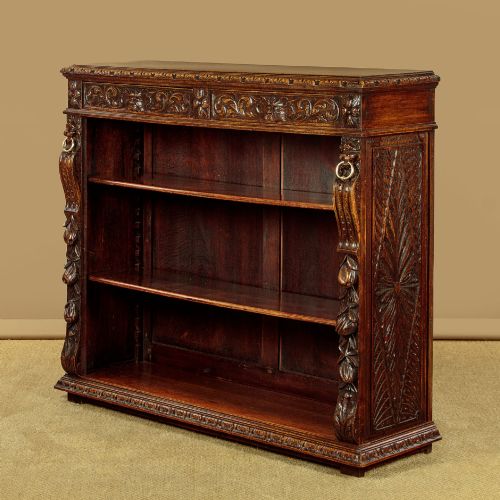
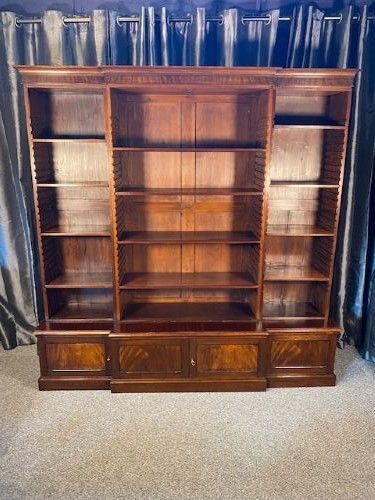
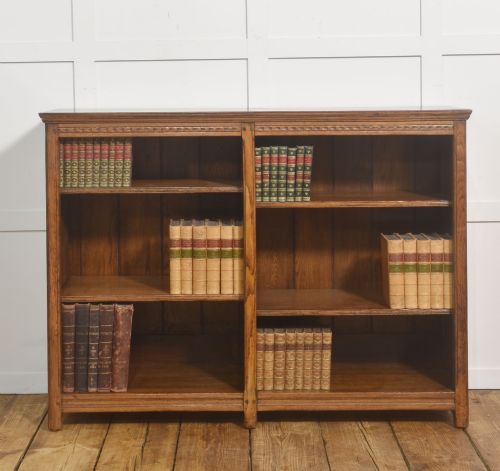
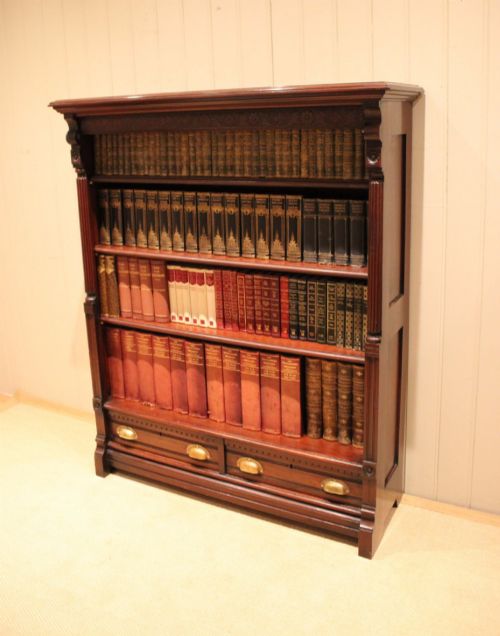
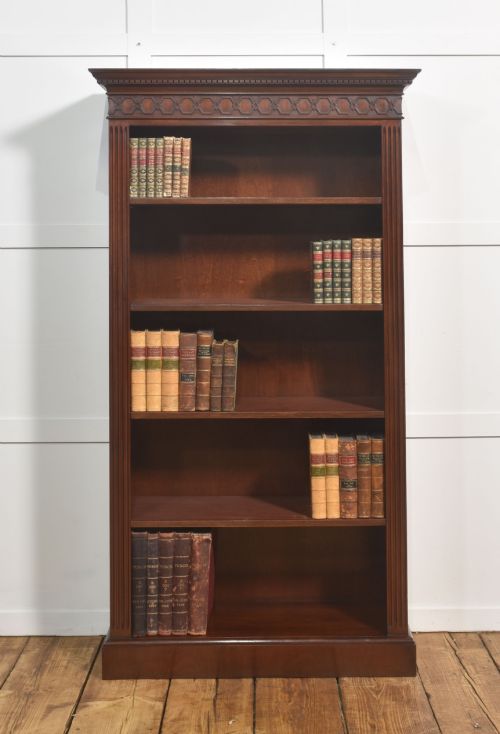
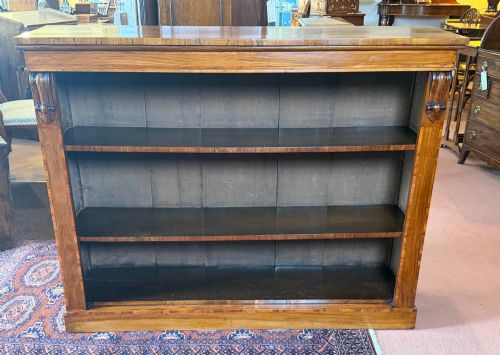
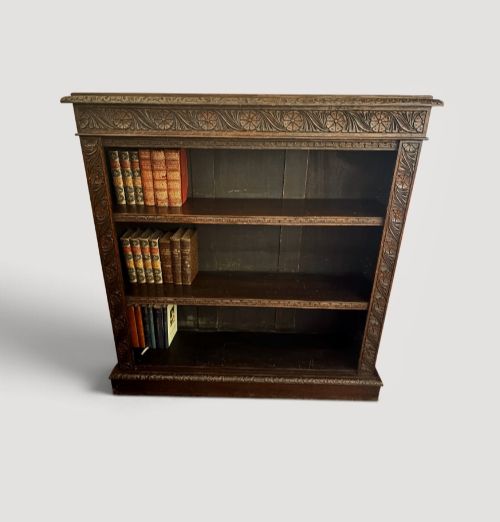
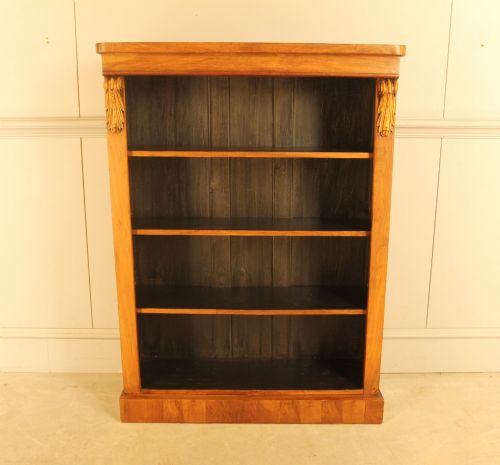
Victorian carved library shelves encompass open bookcases, breakfront bookcases, and low dwarf shelving designed for heavy volumes. The pieces date chiefly from the nineteenth century, including specific decades from eighteen fifty to nineteen ten alongside periods like William IV and Edwardian. Buyers will frequently encounter open mahogany and oak bookcases equipped with adjustable shelves.
Makers recorded in the evidence such as Gillows and Robert Strahan indicate the level of workshop production found among these library furnishings. Regional and continental pieces also appear alongside domestic English examples, spanning large proportions down to diminutive or low formats suited for domestic studies.
Distinctions in Quality
The degree of hand-carving and the choice of timber figure heavily in distinguishing standard pieces from finer examples. Burr walnut and figured rosewood show superior material selection, whilst documented workshop attribution elevates the standing of a piece.
Proportion and scale dictate utility, where breakfront configurations and stepped designs demand greater joinery skill. The presence of original adjustable shelving mechanisms and cohesive hardware preserves the integrity of the piece.
Victorian Carved Library Shelves Retail Price Guide 2026
Typical asking prices for victorian carved library shelves among the pieces listed under this phrase on Sellingantiques today, from the lower quarter to the upper quarter. They describe what is for sale here now, not the wider market.
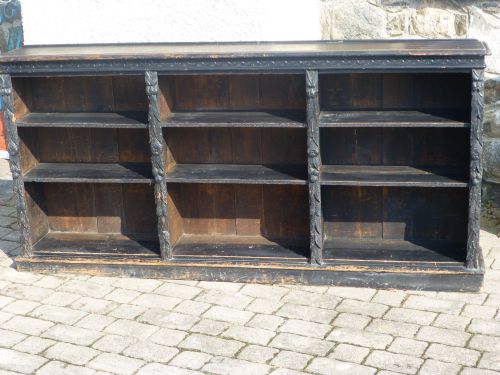
A grinning green man peers out from the carved woodwork, watching over the library.
Sir John Bennett·Gillows·Robert Strahan
The Victorian Carved Library Shelves Glossary
- Breakfront
- A piece of furniture where the central section projects forward from the flanking outer sections. This configuration adds architectural depth to large library bookcases.
- Dwarf bookcase
- A low open shelving unit designed to sit beneath window height or within smaller studies. These pieces maintain accessible top surfaces for display.
- Corbel
- A structural bracket projecting from the face of a bookcase to support cornices or shelving loads. Carved corbels provide decorative relief on nineteenth-century library pieces.
- Ormolu
- Gilded bronze mounts applied to furniture for decorative enrichment. These metallic details appear on select walnut pieces from the nineteenth century.
- Ebonised
- Timber treated with a dark finish to imitate ebony. This technique creates a stark contrast against carved details on Victorian furniture.
Victorian Carved Library Shelves: Frequently Asked Questions
How do I adjust the shelves?
Most nineteenth-century library bookcases utilise vertical wooden rack strips or brass pins set into the interior sides. Moving the shelf requires lifting the board slightly and shifting the supports to the desired height slot.
Take care to handle the timber gently so as not to damage the inner lining grooves during adjustment.
Where were these pieces used?
Such shelving units originated in domestic libraries, private studies, and institutional reading rooms during the nineteenth century. Their open front design allowed for immediate access to frequently consulted reference volumes and literature.
Today they function equally well in modern living rooms or studies for housing large book collections.
How do I identify the wood type?
Examine the grain pattern and natural colour under good light to distinguish between oak, mahogany, walnut, and rosewood. Oak displays distinctive medullary rays, whilst mahogany and walnut exhibit deep reddish or brown tones with characteristic figuring.
Burr walnut presents intricate swirling grain clusters formed from tree growths, marking it out from straight-grained timbers.
Can these shelves hold heavy books?
Solid timber construction and sturdy adjustable shelving allow these bookcases to support substantial libraries. The use of dense hardwoods like oak and mahogany ensures the boards resist bowing under significant weight.
Distribute heavier volumes evenly across the shelves to maintain structural stability over time.