
Victorian Carved Gilded Mirror
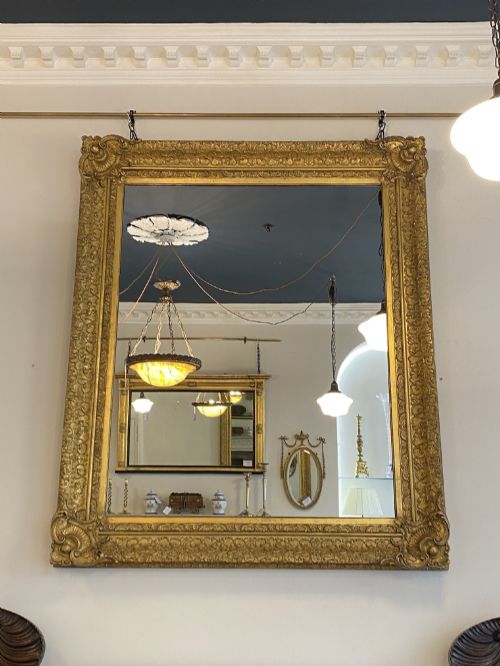
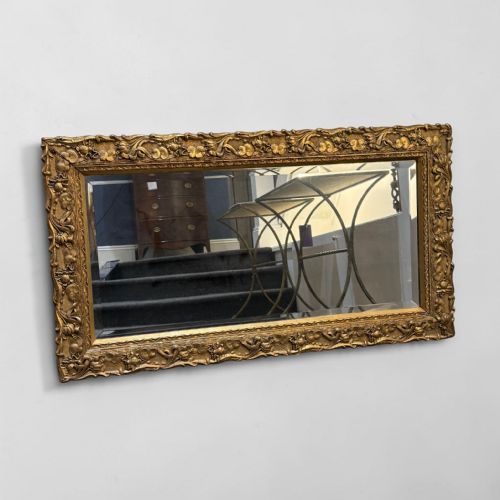
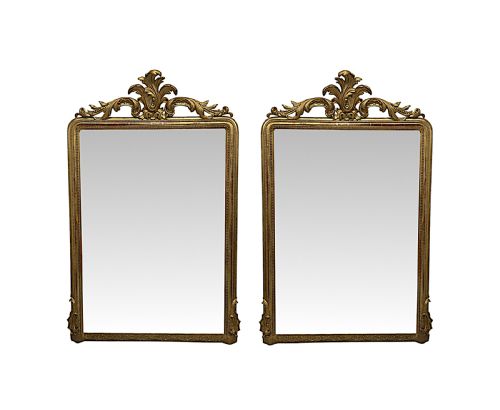
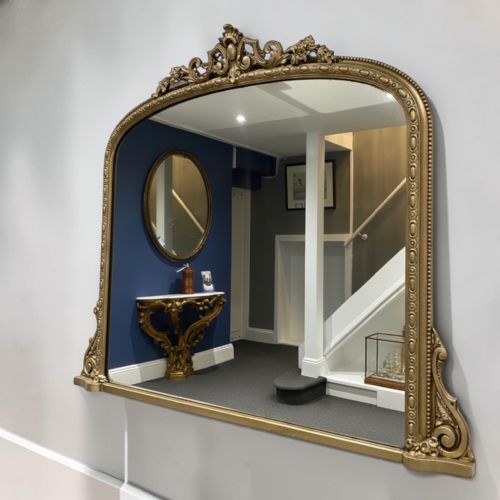
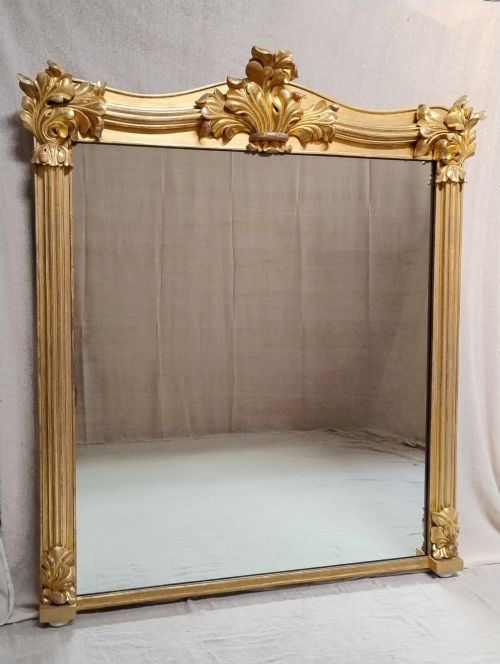
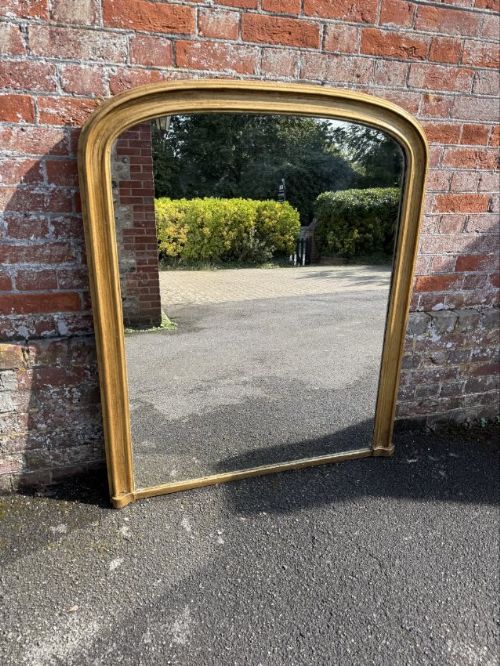
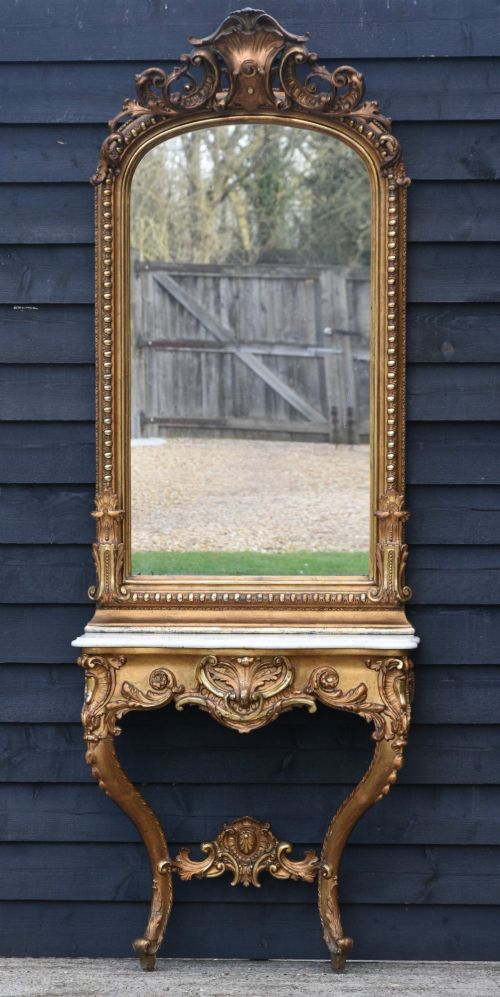
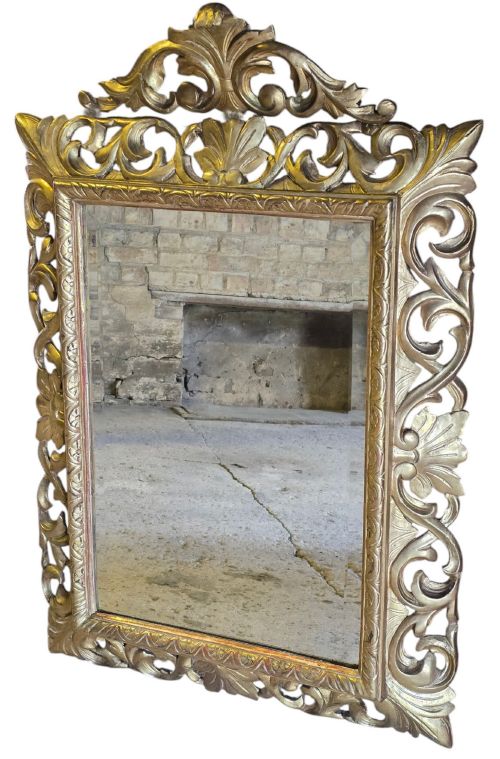
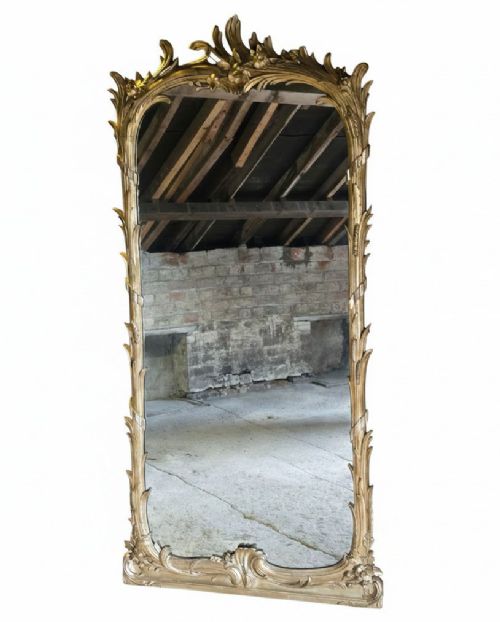
A victorian carved gilded mirror brings warmth and reflective depth to a room through heavy gesso ornamentation and burnished gold leaf.
Victorian Carved Gilded Mirror
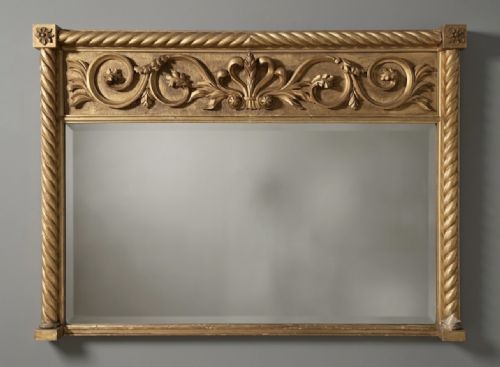
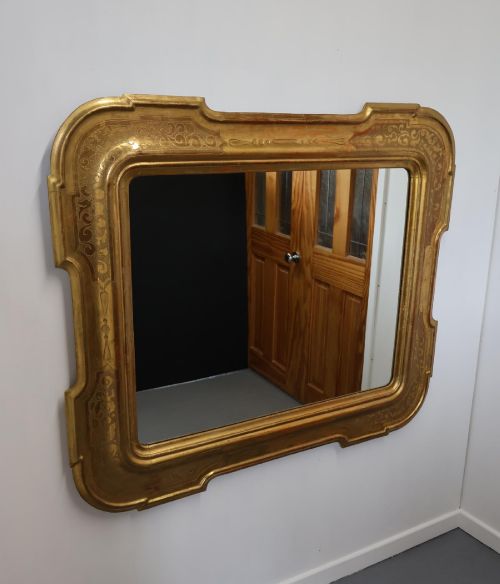
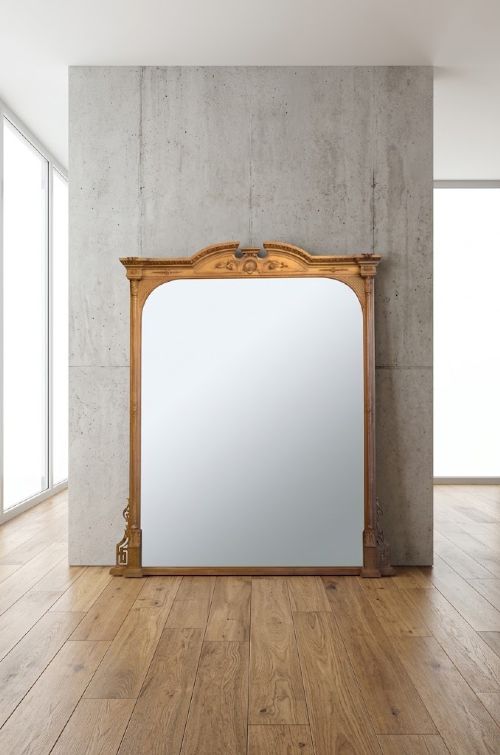
A victorian carved gilded mirror typically takes the form of a large overmantel or wall-hanging glass designed to anchor a principal reception room. The evidence shows these pieces spanning the nineteenth century, with specific dates clustering around the eighteen-seventies and eighteen-eighties alongside broader Victorian classifications.
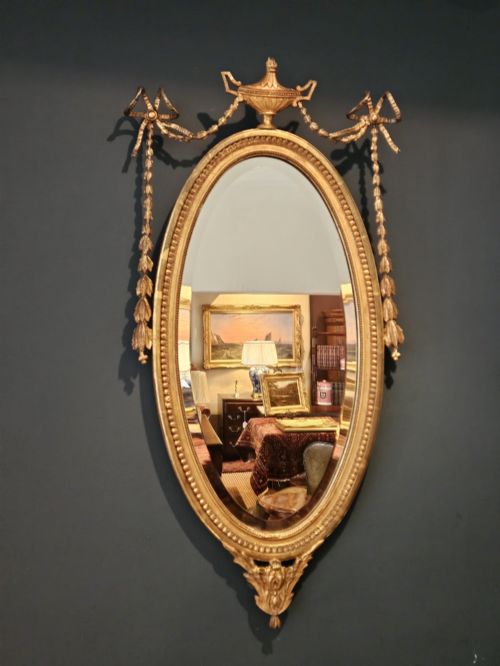
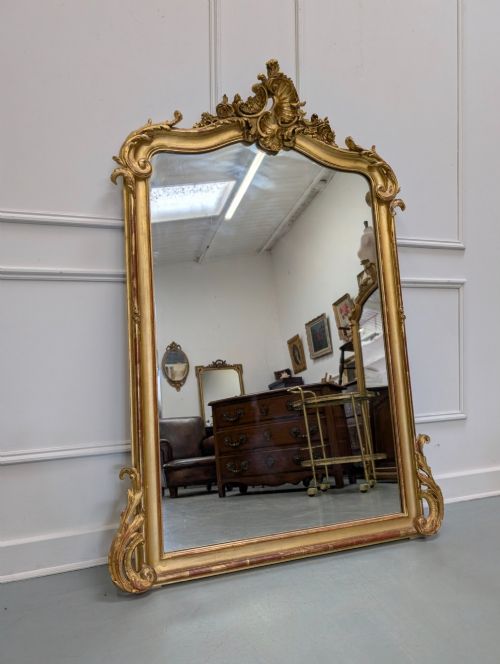
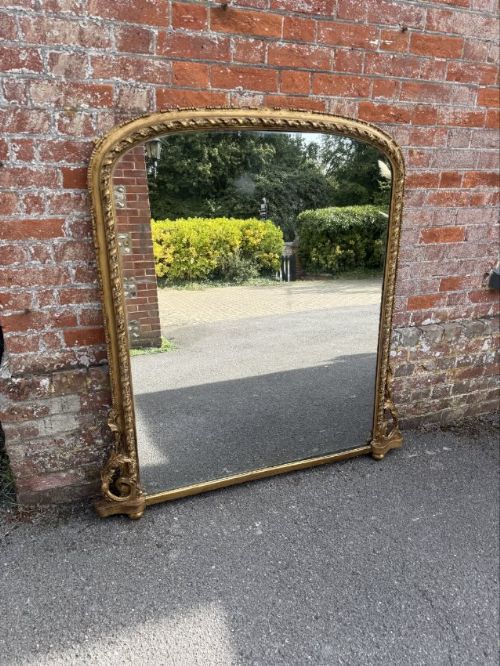
Makers shaped these frames in styles ranging from Rococo Revival and French Chateau to Chinese Chippendale and Grand Regency. English and French origins dominate the record, producing tall uprights, arched tops, and triple-plate configurations intended to catch and multiply ambient daylight.
Materials and Technique
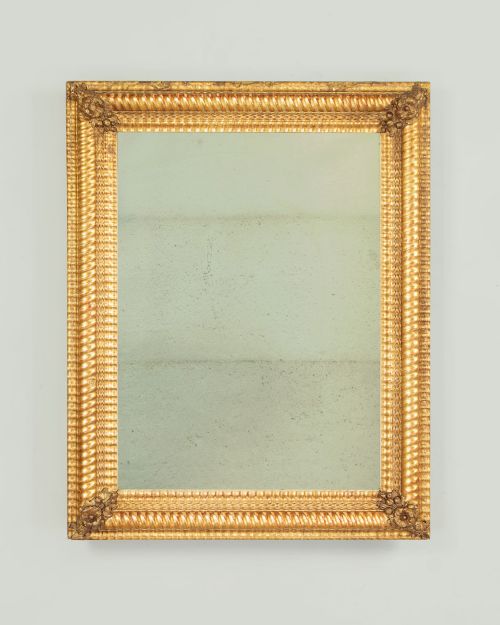
Frames rely on a wooden carcass built from timber, which supports a thick layer of gesso moulded into acanthus leaves, scrollwork, or rope twist motifs. Artisans then applied gold leaf or gilt paint directly onto this prepared surface to achieve a metallic lustre.
Mirror plates within these frames frequently exhibit characteristic ageing, such as foxing, which marks the oxidation of the backing over time. Heavy timber construction and deep relief carving provide the structural integrity required to support tall glass plates.
Some nineteenth-century mirrors feature nautical rope twist carvings designed to bring maritime themes into Victorian parlours.
Evaluating Craftsmanship
Depth and crispness of the carved gesso separate standard production from finer output, as skilled modellers achieved sharper undercut details in foliage and ribbon motifs. The weight of the timber frame and the proportion of the gilding further distinguish regional workshops.
The retention of original gold leaf rather than later overpainting dictates the visual integrity of the surface. Surviving mirror plates with deep foxing also alter the character of the piece compared to later replacements.
The Victorian Carved Gilded Mirror Glossary
- Gesso
- A plaster-like mixture applied to wood frames to provide a smooth base for carving and gilding. This material allows for deep, ornate relief work that defines nineteenth-century frames.
- Giltwood
- Timber that has been coated with gold leaf or gold paint. It provides the characteristic bright metallic finish seen across Victorian reception rooms.
- Overmantel Mirror
- A large mirror specifically proportioned to hang above a fireplace mantelpiece. These pieces often feature horizontal expanses or arched tops to fill tall chimney breasts.
- Foxing
- Small dark spots and discolouration within the mirror glass caused by the breakdown of the backing over decades. Collectors often value this natural ageing as proof of period authenticity.
- Girandole
- A decorative wall mirror featuring attached candle sconces. The candleholders reflect additional light back into the space.
Victorian Carved Gilded Mirror: Frequently Asked Questions
Are original mirror plates always clear?
Period glass often develops foxing, clouding, or minor silver loss as the backing degrades over long periods. These characteristics confirm the age of the glass rather than detracting from its decorative appeal.
Some buyers prefer pristine replacement plates for practical reflection, while collectors specifically seek out untouched antique glass for its historic patina and softer tonal quality.
How should I clean a gilded frame?
Dust the carved gesso gently with a soft dry brush to prevent dirt from settling into the deep recesses of the ornamentation. Avoid using water, damp cloths, or chemical cleaners, which can strip the delicate gold leaf.
If the surface requires more attention, seek advice from a professional conservator who understands traditional water gilding and oil gilding techniques.
How do I identify a Rococo Revival frame?
Rococo Revival pieces display asymmetrical scrollwork, C-scrolls, and naturalistic motifs like acanthus leaves and flowers. This style draws inspiration from eighteenth-century French design but was executed with nineteenth-century manufacturing methods.
Look for heavy gesso mouldings applied over a wooden core, often finished in bright gold leaf or painted gilt surfaces.