
Victorian Carved Fireplace
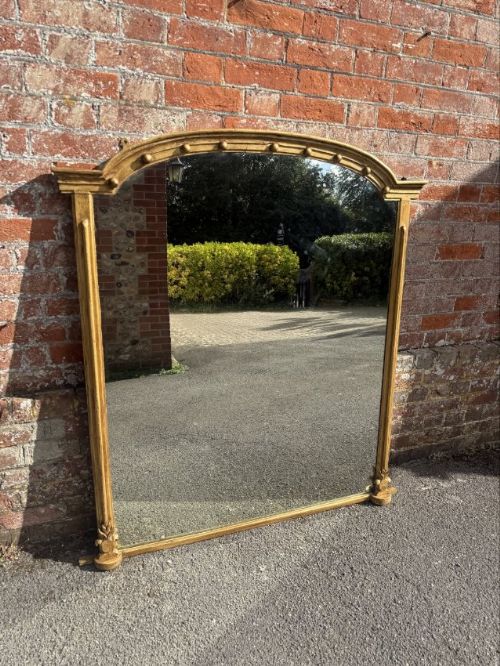
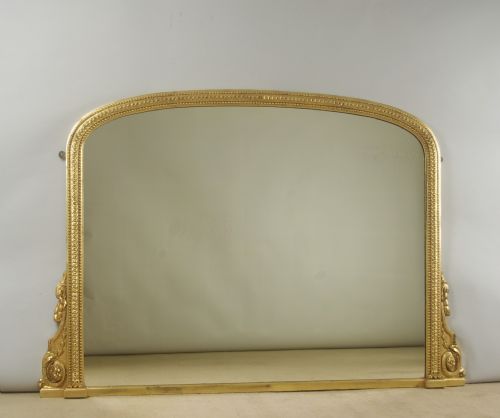
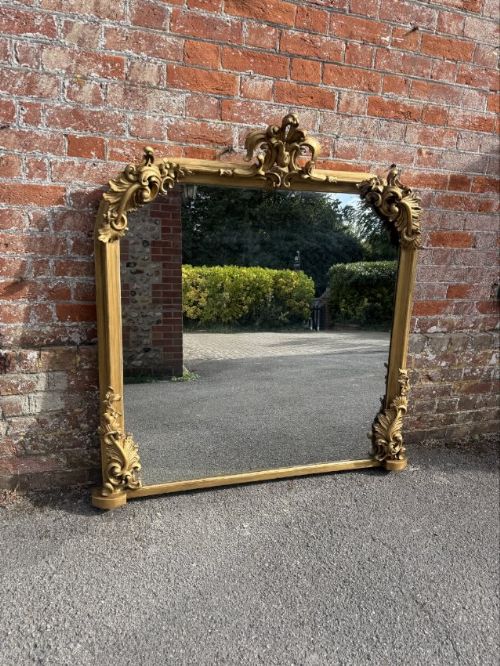
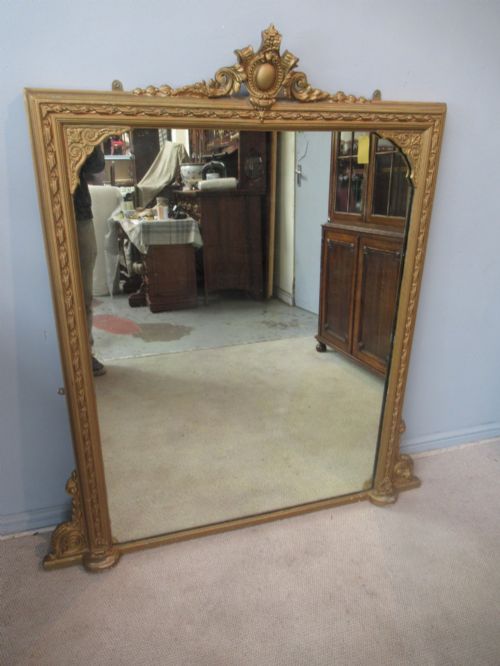
When you search for a victorian carved fireplace, you uncover large gilt overmantel mirrors, architectural surrounds, and hearth furnishings from the nineteenth century that anchor a room.
Victorian Carved Fireplace
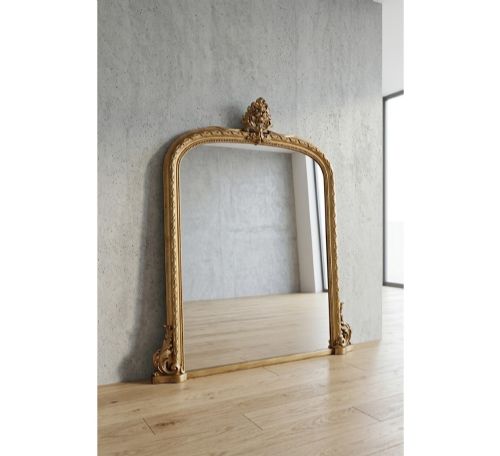
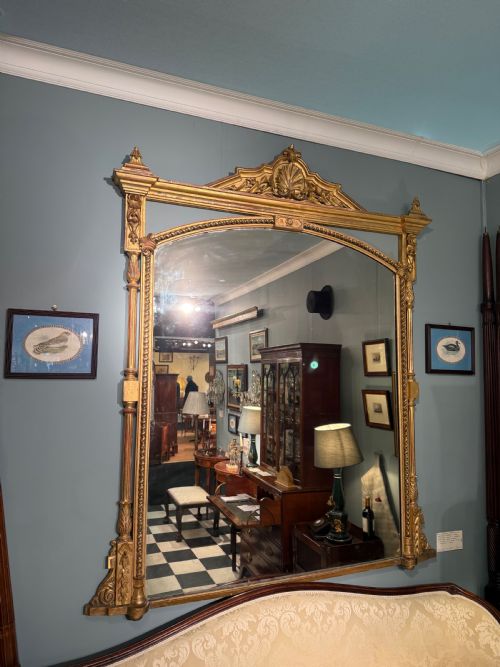
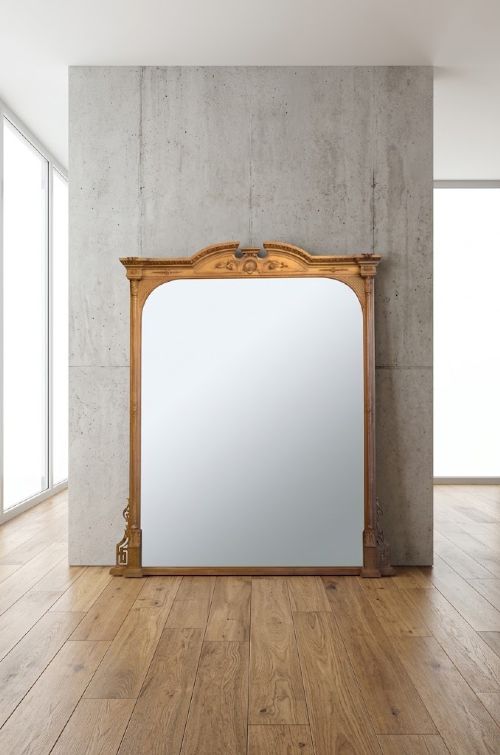
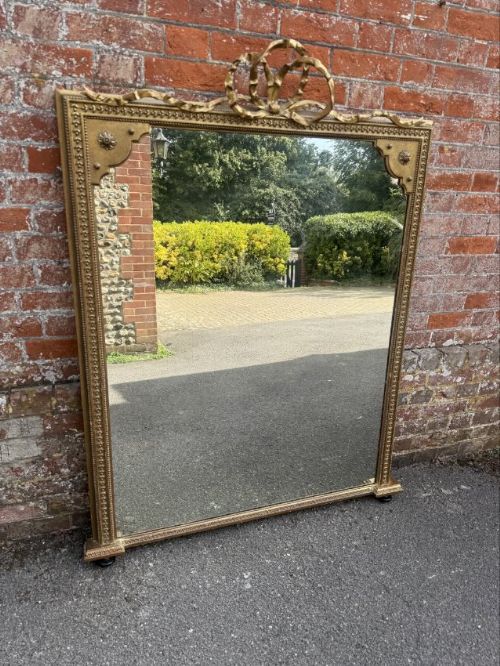
Buyers seeking a victorian carved fireplace often encounter related nineteenth-century hearth furnishings, notably large overmantel mirrors designed to sit directly upon the mantelpiece shelf. These pieces originate primarily from English and French workshops spanning the mid-to-late nineteenth century, encompassing periods from the eighteen-fifties through to nineteen hundred.
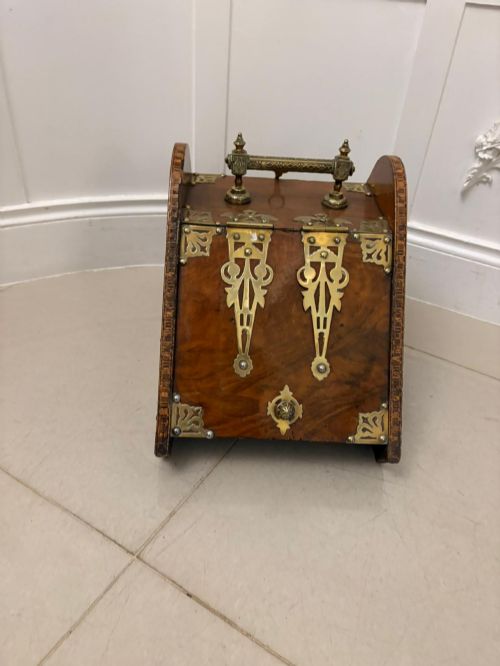
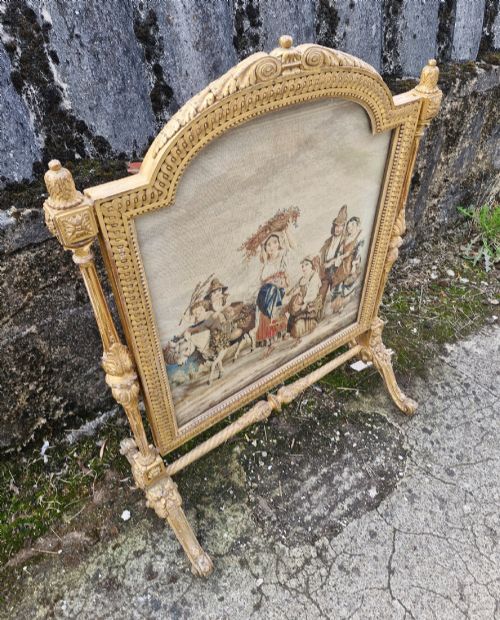
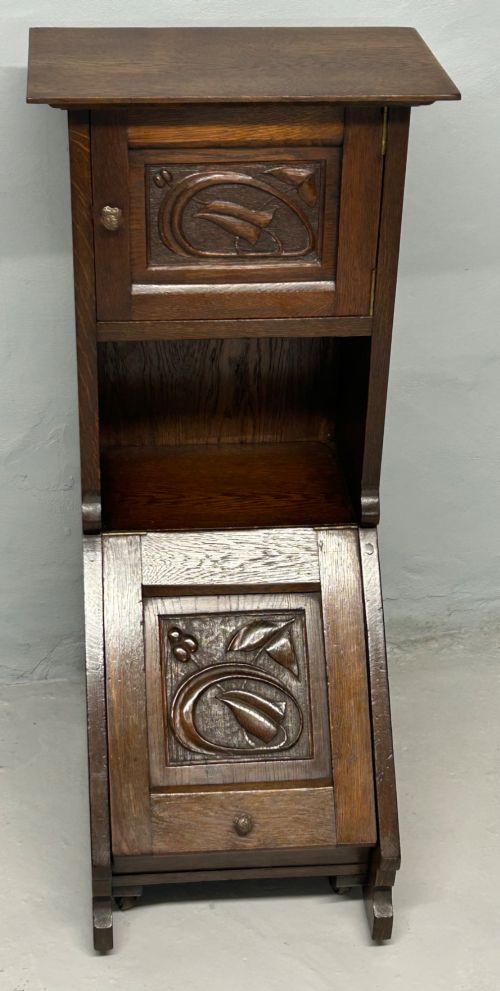
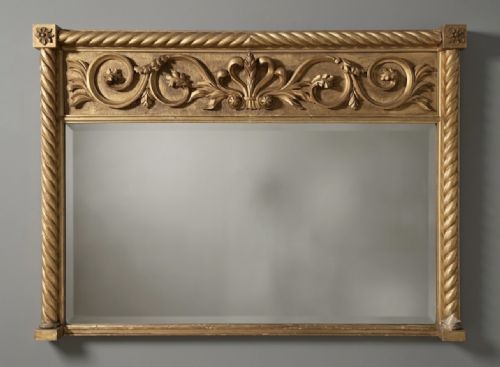
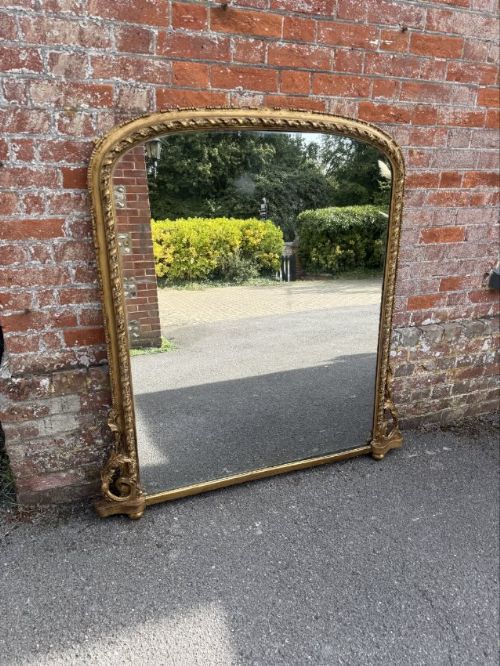
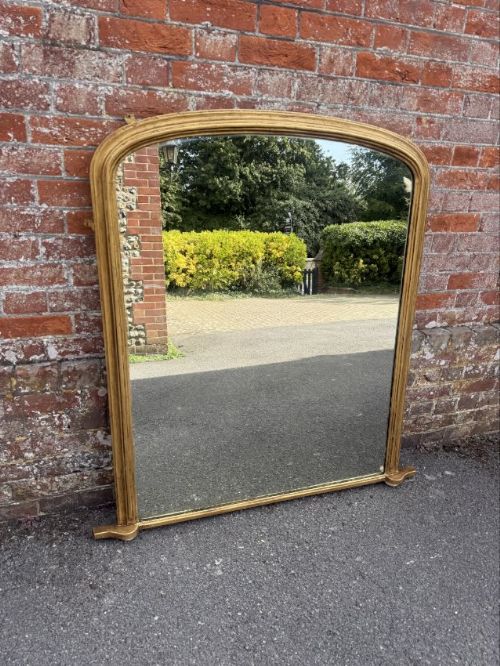
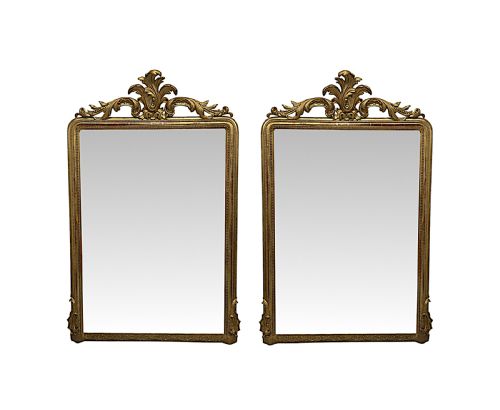
The selection extends from heavily gilded wooden architectural surrounds in pine and pitch pine to functional hearth accessories including coal scuttles, brass fenders, and embroidered fire screens. Overmantel mirrors dominate the available forms, frequently featuring arched tops, rope twist details, and elaborate gesso mouldings intended to command a principal reception room.
Materials and Construction
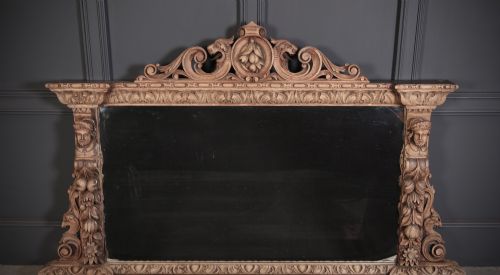
Carved timber forms the structural core of these pieces, utilising foundational woods such as oak, mahogany, walnut, pine, and pitch pine. Artisans applied layers of gesso over carved wooden substrates to build up intricate surface ornamentation before applying gold leaf or liquid gilding.
Mirrors incorporate heavy plate glass, occasionally retaining original foxing and distress, set within frames secured by traditional joinery. Accessory items integrate brass framework, needlepoint textiles, and specialised hardware characteristic of nineteenth-century metalworking and upholstery techniques.
Overmantel mirrors dominate the available inventory, frequently pairing carved wood and gesso frames with arched glass plates and rope twist motifs.
Craftsmanship and Scale
Quality rests in the depth and crispness of the woodcarving and the integrity of the applied gesso ornament. Superior examples exhibit hand-modelled relief work where decorative motifs remain sharp and well-defined beneath the gilding.
The scale of the piece and the ambition of its stylistic references - ranging from simple moulded pine surrounds to elaborate Chinese Chippendale or Rococo Revival mirror frames - dictate the distinction between standard room furnishings and major architectural statements.
Christopher Dresser
The Victorian Carved Fireplace Glossary
- Overmantel Mirror
- A large mirror specifically proportioned to hang on the wall immediately above a fireplace mantelpiece. These pieces often feature horizontal emphasis or arched crowns to complement the chimney breast.
- Gesso
- A plaster-like mixture applied to wood and carved surfaces to create a smooth base for gilding and fine relief ornamentation. It allows artisans to achieve crisp decorative details that wood carving alone cannot match.
- Giltwood
- Timber that has been coated with thin sheets of gold leaf or gold paint. This finish creates a luminous reflective quality highly prized in formal nineteenth-century interior decoration.
- Fire Fender
- A low metal guard placed on the hearth in front of a fireplace to contain embers and protect the floor. Nineteenth-century versions frequently employ heavy cast brass in neoclassical or revival designs.
- Foxed Glass
- Mirror glass displaying dark spots and discoloration caused by the degradation of the silver backing over time. Collectors often appreciate this natural ageing as proof of genuine antique origin.
Victorian Carved Fireplace: Frequently Asked Questions
How do I measure for an overmantel mirror?
Measure the width of your mantelpiece shelf and the available wall height up to the cornice or picture rail. An overmantel mirror generally looks best when its width mirrors or slightly matches the span of the mantel shelf below.
Consider the weight and proportions of the frame relative to the chimney breast. Large nineteenth-century mirrors require secure wall fixings anchored directly into masonry or solid studs to support their substantial timber and glass weight.
Were these mirrors always meant to sit on mantelpieces?
Many overmantel mirrors were constructed with lower resting blocks designed to sit directly on the wooden shelf of a fireplace surround. They were frequently secured to the wall with hidden brackets to prevent tipping while appearing anchored to the hearth architecture.
Some large examples function equally well as standalone wall mirrors in grand reception rooms. However, their original proportions were specifically calculated to interact with the visual weight of a fireplace below.
What is the difference between pine and hardwood surrounds?
Pine and pitch pine fire surrounds offer a softer, more fibrous grain that was often painted, stained, or finished to resemble costlier timbers. They provided versatile frameworks for Victorian domestic interiors during periods of extensive suburban building.
Hardwoods like oak, mahogany, and walnut supplied denser, more durable structures for formal reception rooms. These darker woods showcase deeper, more pronounced grain patterns and support finer, sharper architectural carving.
How do I care for antique gilded frames?
Dust gilded surfaces gently with a soft, dry ostrich feather duster or a clean, dry microfiber cloth. Avoid applying water, cleaning sprays, or abrasive polishes, as moisture and chemicals can dissolve the delicate gesso and lift the gold leaf.
Keep gilded pieces away from direct sunlight and excessive humidity from working fireplaces. Rapid temperature fluctuations cause wood substrates to expand and contract, which eventually leads to cracking in the brittle gesso layers.