

Victorian Carved Coat Rack
These nineteenth-century pieces bring robust timber and intricate carving to hallways, offering a practical place for hats and coats.
Victorian Carved Coat Rack
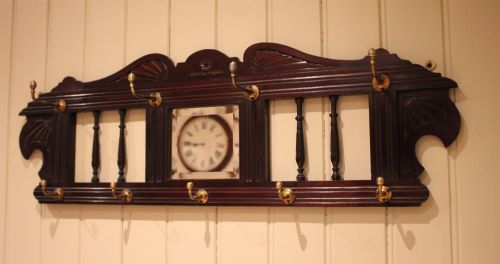
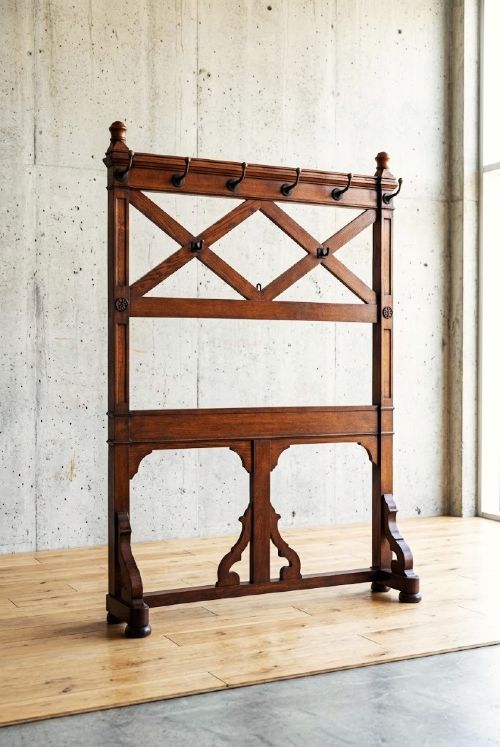
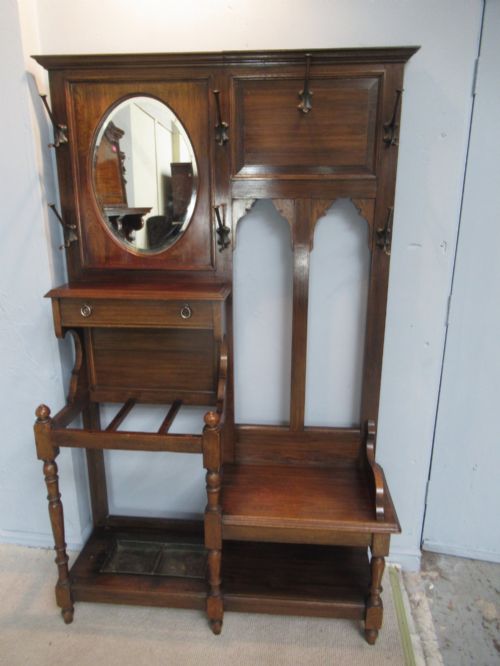
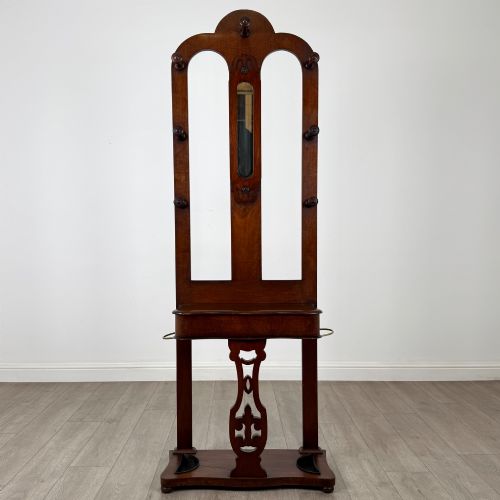
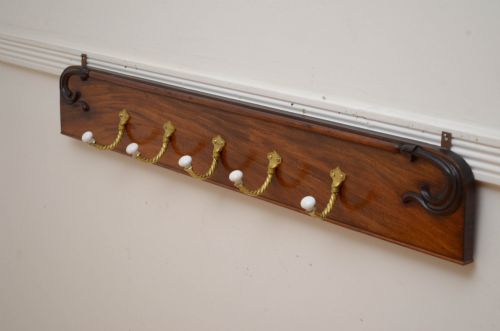
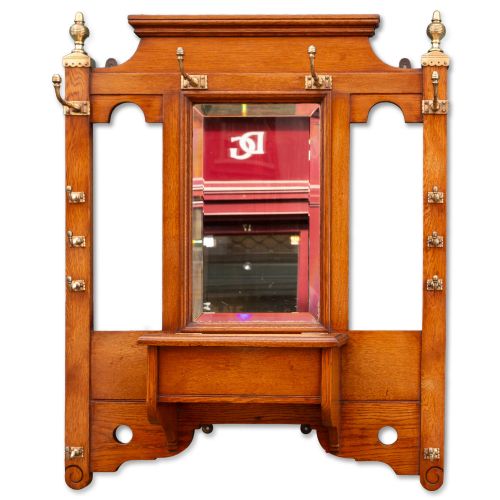
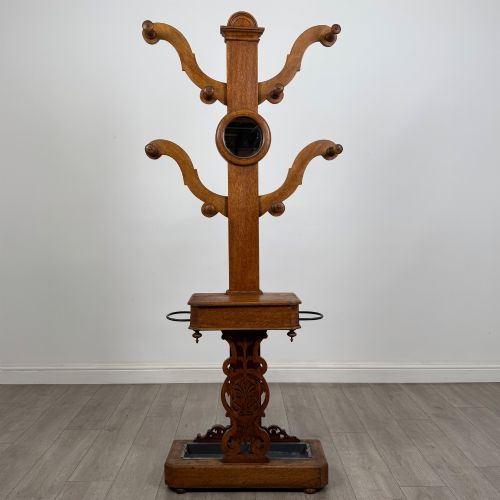
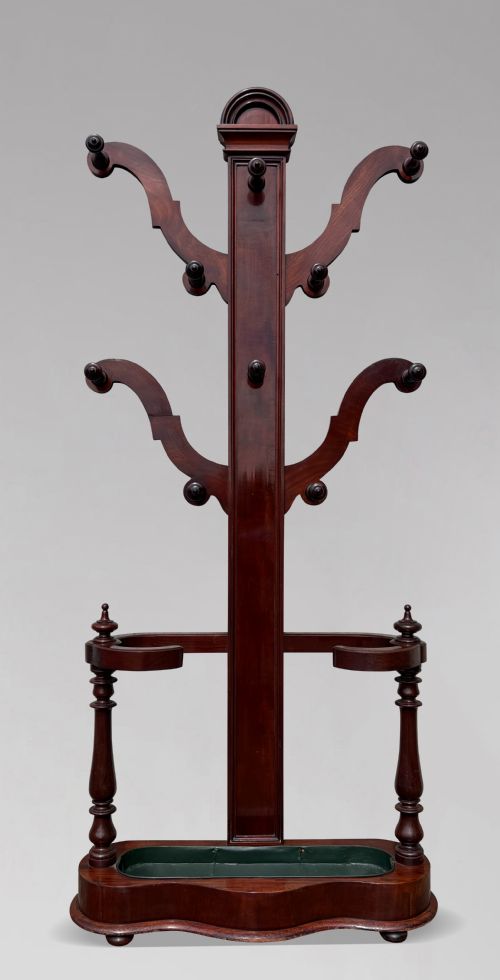
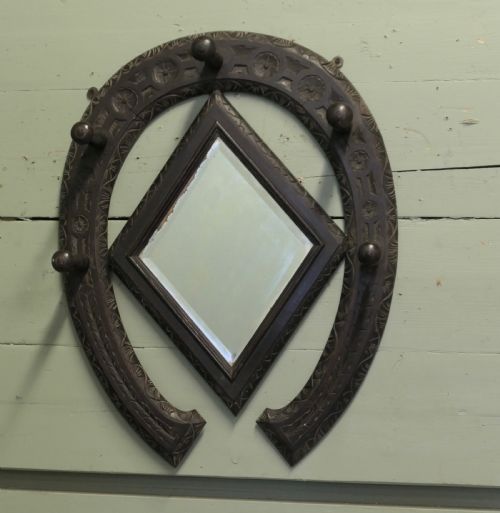
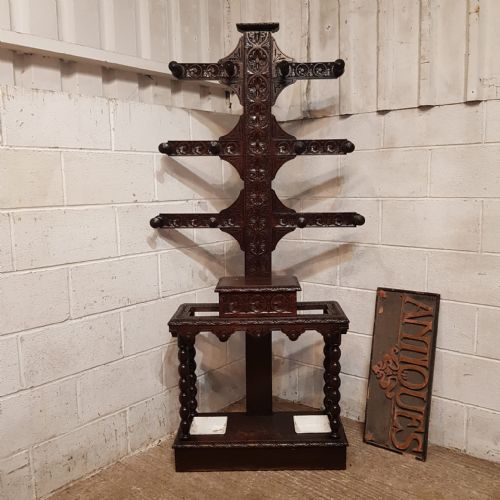
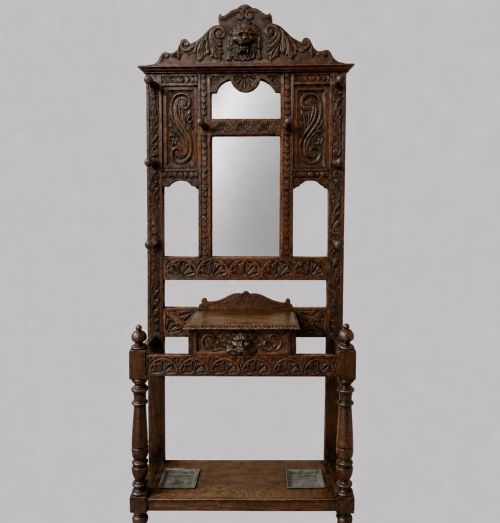
A victorian carved coat rack encompasses wall-mounted wooden hooks, hall mirrors with integrated pegs, and tall freestanding hall stands. The pieces span the nineteenth century and into the early twentieth century, taking domestic and country house forms.
Mahogany and oak dominate the surviving examples, often paired with brass or ceramic hooks and inset mirror plates. Buyers encounter substantial hall furniture featuring carved foliage, animal motifs, and marble shelves intended for heavy daily use.
Materials and Construction
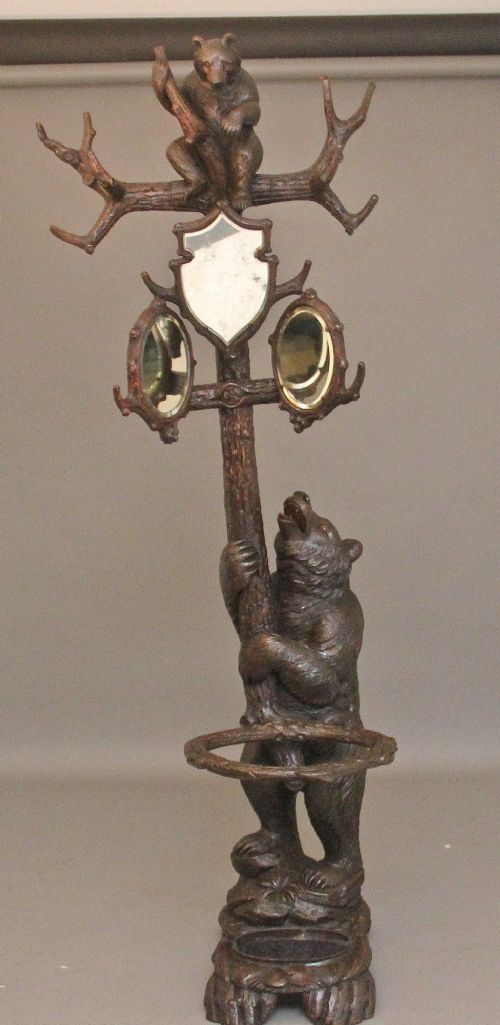
Solid hardwoods such as mahogany, oak, walnut, and linden wood form the structural backbone of these items, shaped by hand carving and turned joinery. Black Forest pieces utilise deep relief carving to depict bears, gnomes, and natural foliage.
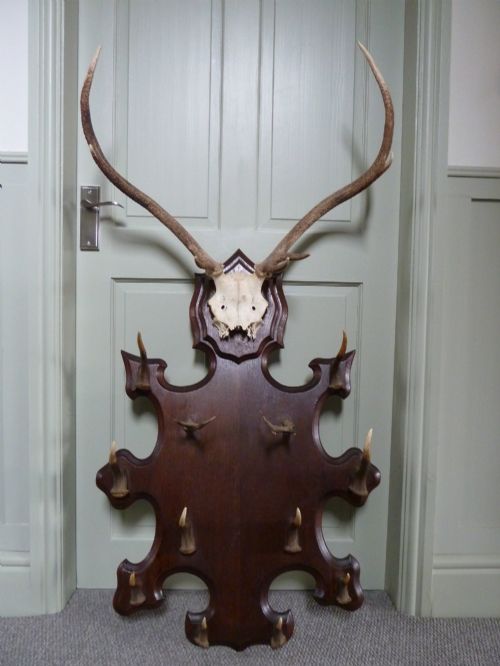
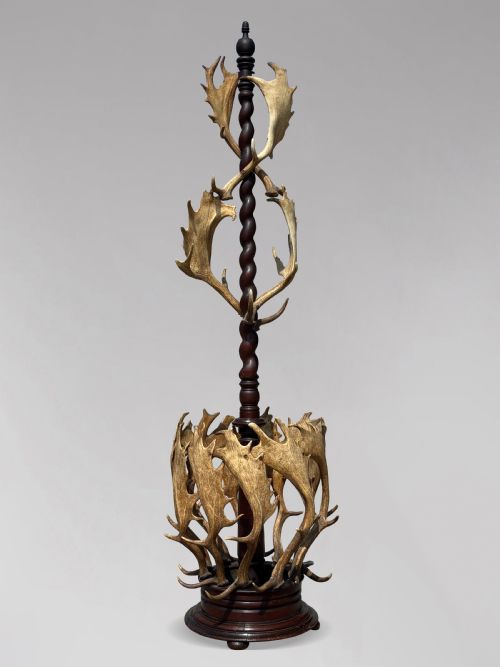
Functional hardware integrates brass, metal, glass, and ceramic hooks, alongside mounted antlers, horns, and bevelled mirror glass. Timber frames employ traditional mortise and tenon joints to bear the weight of heavy winter garments.
A gnome whip hook watches from the hallway wall, proving that Victorian households appreciated a touch of woodland mischief.
Judging Quality
Depth and crispness of the timber carving separate standard production items from exhibition-grade examples. Skilled handwork shows in the fur of Black Forest animals, the expression of Greenman masks, and the turning of rope-twist rails.
Selection of prime timber, integrity of original hardware, and retention of fitted drip pans or marble shelves determine the standing of a piece. Finer items display balanced proportions and cohesive decorative schemes across the entire structure.
J. Parker of Woodstock
The Victorian Carved Coat Rack Glossary
- Greenman
- A sculptural mask carved as a human face entwined with foliage or vines. This motif frequently appears on nineteenth-century oak hall furniture.
- Black Forest
- A nineteenth-century style of intricate wood carving originating from the German region, renowned for lifelike bears and forest animals.
- Hall Stand
- A large freestanding hall item combining a mirror, coat hooks, umbrella storage, and a small shelf or compartment.
- Japonisme
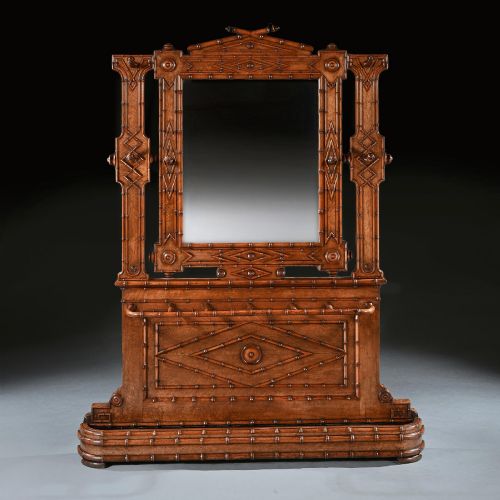
- A late nineteenth-century artistic style influenced by Japanese arts and crafts, seen here in faux bamboo and maple construction.
- Gothic Revival
- An architectural and decorative style inspired by medieval forms, characterised by pointed arches, heavy oak, and rigid proportions.
Victorian Carved Coat Rack: Frequently Asked Questions
Where should I hang a wall coat rack?
These racks suit entrance halls, boot rooms, and corridors where visitors remove outer garments. Solid wall mounting is essential to support the weight of heavy wool coats and wet umbrellas.
Ensure you fix the piece directly into wall studs or use appropriate masonry fixings to handle the leverage exerted by protruding wooden pegs.
How do I care for antique carved oak?
Dust the deep recesses of the carving regularly using a soft bristle brush to prevent dirt accumulation. Apply a quality beeswax occasionally to nourish the timber and maintain a soft sheen.
Keep the wood away from direct heat sources and strong sunlight to prevent the timber from drying out and splitting over time.
Are these racks sturdy enough for daily use?
Nineteenth-century hall stands and wall racks were built from solid hardwoods using traditional joinery designed to withstand heavy daily wear. The sturdy timber frames and robust metal or ceramic hooks easily handle modern coats.
Inspect the wall fixings or structural joints periodically to ensure the piece remains secure under regular loads.