

Victorian Carriage
These examples of a victorian carriage bring nineteenth-century mechanical precision and travel history into domestic interiors.
Victorian Carriage
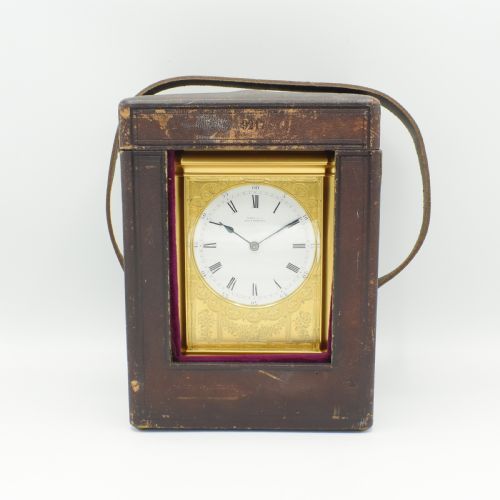
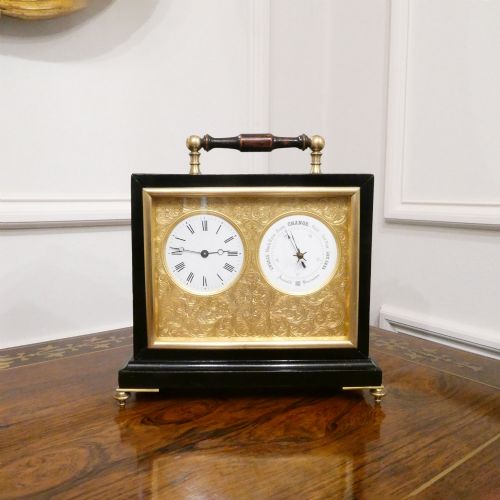
A buyer investigating a victorian carriage encounters brass timepiece designs alongside utilitarian storage chests, footstools, paintings, and cast-iron signal cannons mounted on wooden carriages.
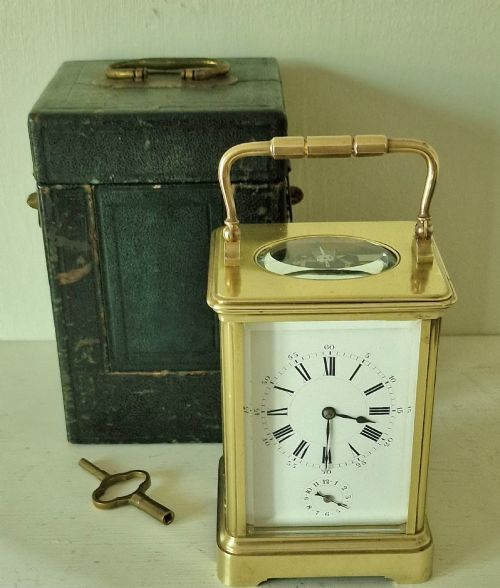
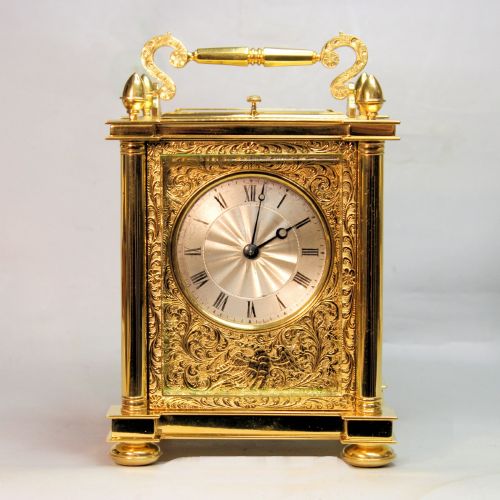
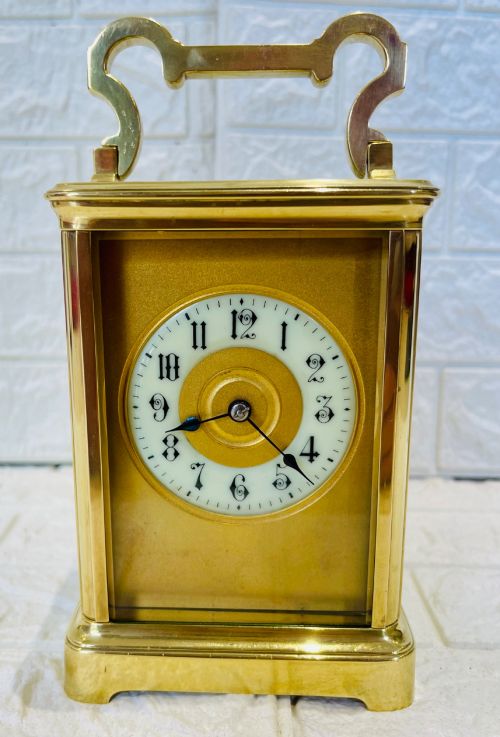
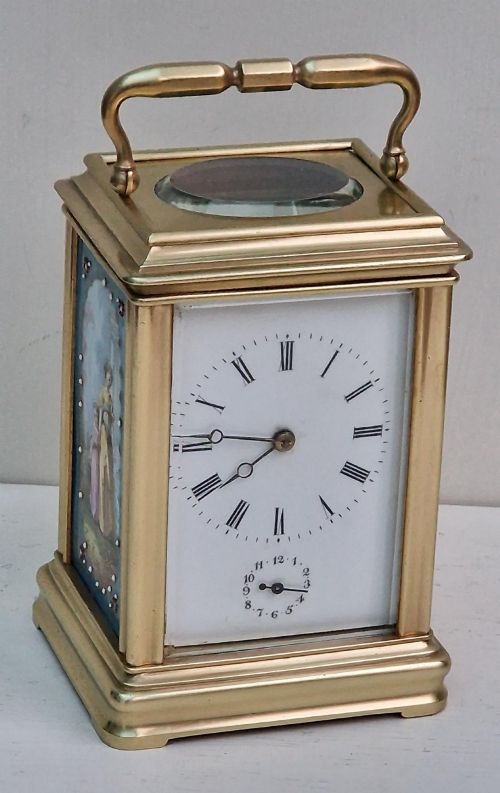
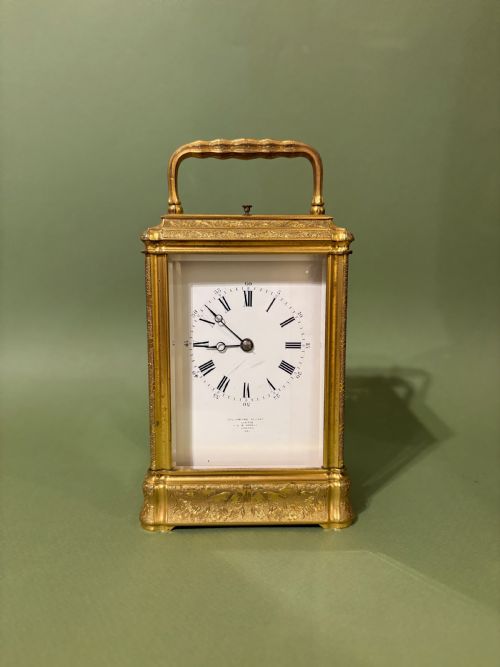
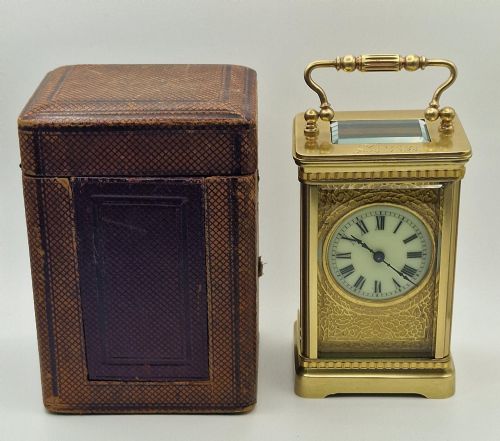
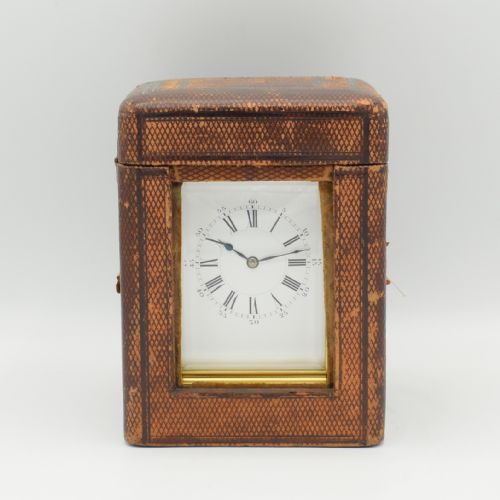
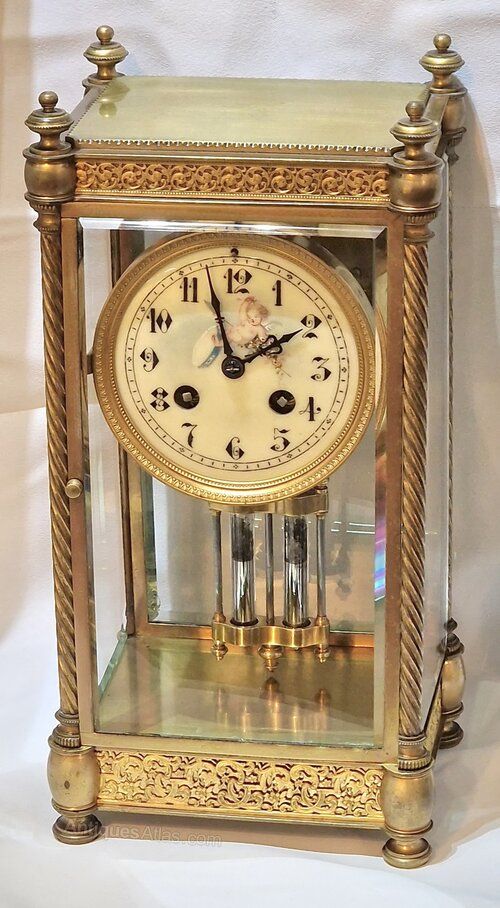
The horological pieces dominate, originating primarily from French and British workshops during the nineteenth century, ranging from simple brass timepieces to complex repeating and chiming clocks.
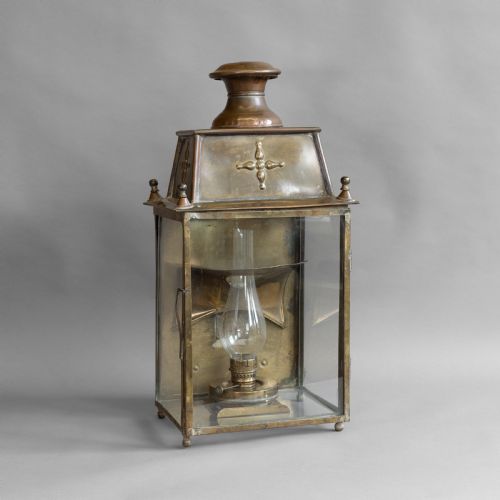
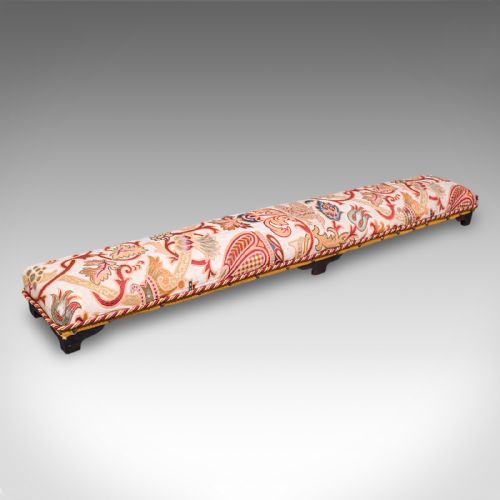
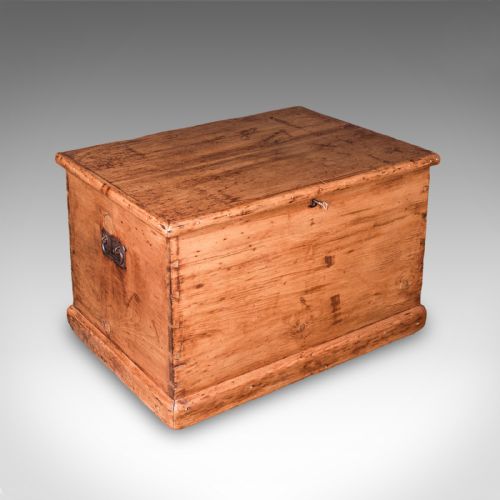
Beyond timepieces, the category includes functional items such as leather or pine country house trunks, crewelwork fireside footstools, and coach-house wall lanterns.
Materials and Technique
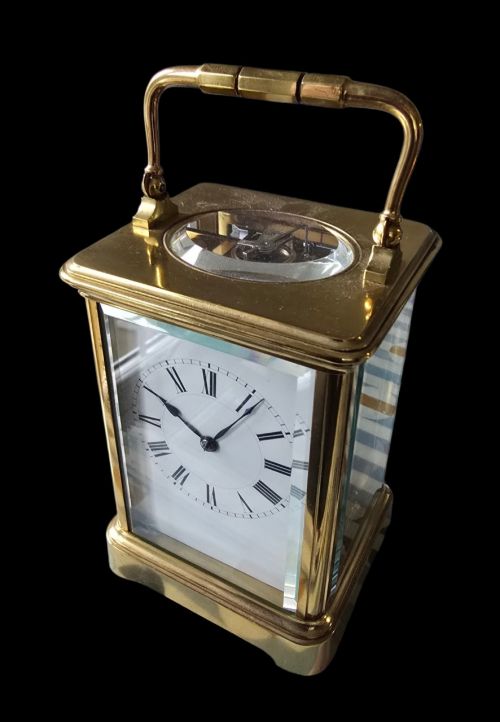
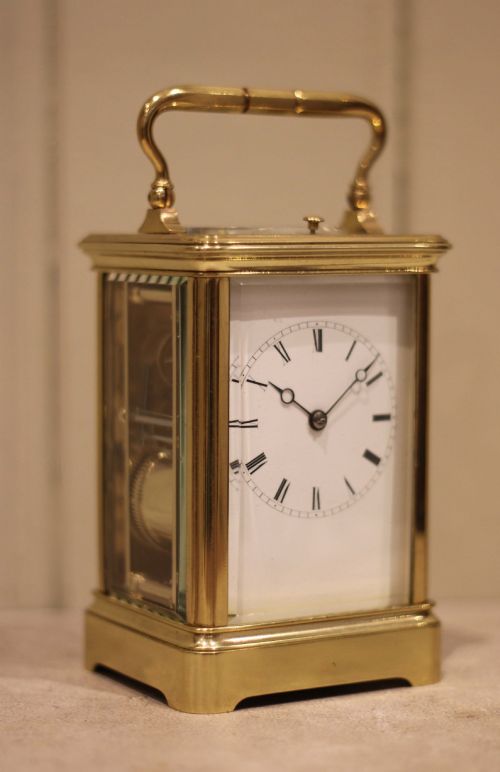
Horological pieces utilise heavy cast brass or gilt-brass frames enclosing glass panels, often paired with enamel dials or porcelain panels for visual contrast.
Larger utilitarian forms combine sturdy oak or pine with cast iron, leather, and copper, reflecting the robust construction required for travel and transport.
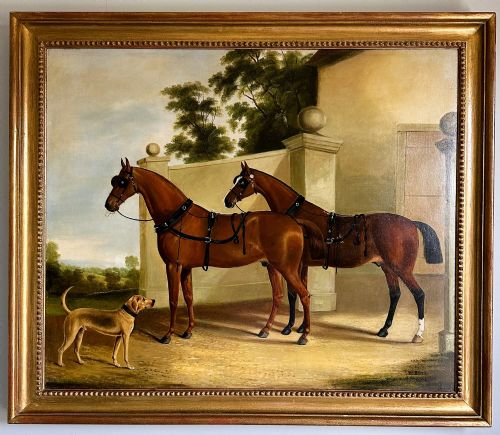
Details involve hand-painted watercolour or oil on canvas for artwork, alongside textile crewelwork applied to footstools.
Victorian Carriage Retail Price Guide 2026
Typical asking prices for victorian carriage among the pieces listed under this phrase on Sellingantiques today, from the lower quarter to the upper quarter. They describe what is for sale here now, not the wider market.
Listings combine brass and gilt-brass horology with oak, pine, leather, and cast-iron utilitarian objects spanning the nineteenth century.
Distinctions in Execution
Horological refinement depends upon the complexity of the internal movement, separating standard timepieces from striking, repeating, and chiming mechanisms.
The precision of the brass or gilt-brass case construction and the clarity of painted enamel or porcelain panels indicate the tier of the maker.
Material integrity in wooden trunks, cast-iron cannons, and copper lanterns determines the overall standard of survival.
Henri Jacot·Cousens And Whiteside·Goldsmiths Alliance Ltd·Howell And James·Mappin And Web·Pickford·Drocourt·T Martin And Co·C Detouche
The Victorian Carriage Glossary
- Carriage clock
- A portable spring-driven timepiece originally designed for travel during the nineteenth century. These clocks usually feature brass frames with glass panels so the movement remains visible.
- Repeating mechanism
- A clock complication that allows the owner to press a button and make the clock chime the last hour or quarter-hour on demand. This function was useful in the dark before electric lighting.
- Fusee
- A conical pulley used in older clock and watch movements to maintain even tension on the gear train as the mainspring unwinds. This mechanical addition improves timekeeping accuracy.
- Gorge case
- A distinctively shaped brass carriage clock case with moulded pillared corners and a stepped top. It represents a standard housing style for fine nineteenth-century French makers.
- Crewelwork
- Embroidery executed in wool upon a stout fabric ground. Such stitching appears frequently on nineteenth-century fireside footstools.
Victorian Carriage: Frequently Asked Questions
What is a carriage clock?
A carriage clock is a portable mechanical timepiece enclosed in a brass and glass case, fitted with a folding handle for transport.
Originally built for travel in horse-drawn carriages, these clocks use spring-driven movements rather than swinging pendulums.
How do repeating clocks work?
Repeating movements sound the hours and quarters when a lever or button on the case is activated.
This complication allowed travellers to check the time in unlit coaching inns at night.
Are all these items clocks?
No, while timepieces form the majority of the selection, the category also includes oil paintings, pine storage trunks, crewelwork footstools, and cast-iron signal cannons mounted on wooden carriages.
These diverse objects share connections to nineteenth-century transport and domestic life.
How do I identify a French movement?
French movements often feature distinct serial numbers, maker stamps on the brass backplate, and platform escapements visible through the glass panels.
Many high-quality examples originate from Paris workshops dating to the nineteenth century.