



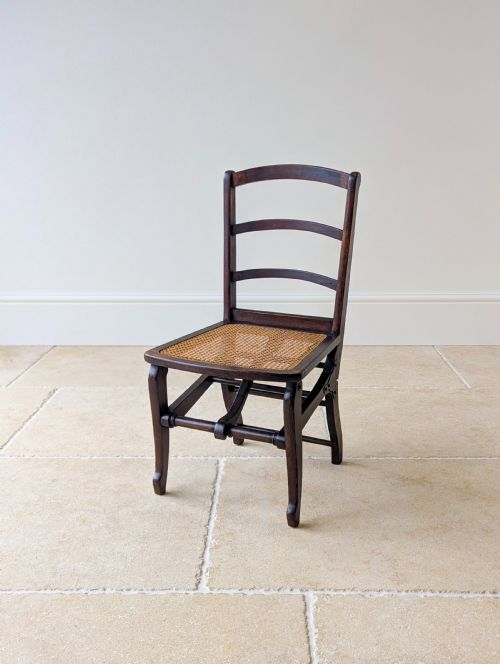
Victorian Cane Seat
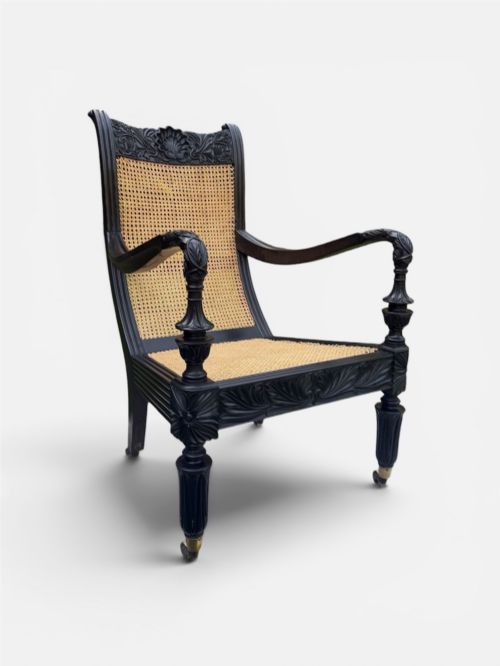
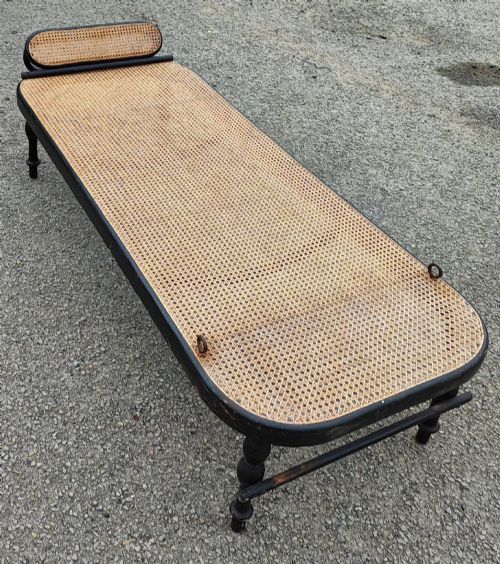
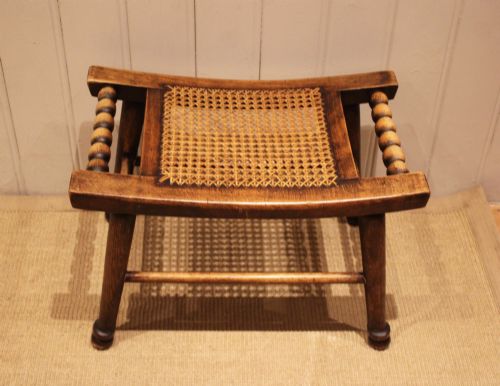
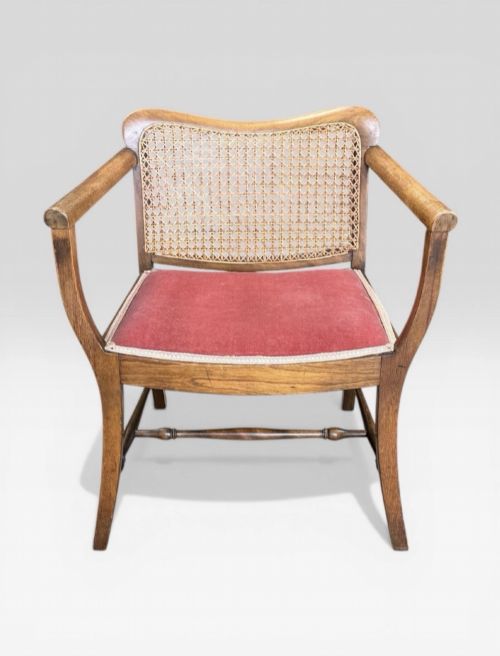
A victorian cane seat brings lightness and resilience to a room through woven plant material set inside solid wood frames.
Victorian Cane Seat
A victorian cane seat offers a blend of structural strength and breathable comfort that made it a favourite for nineteenth-century domestic spaces.
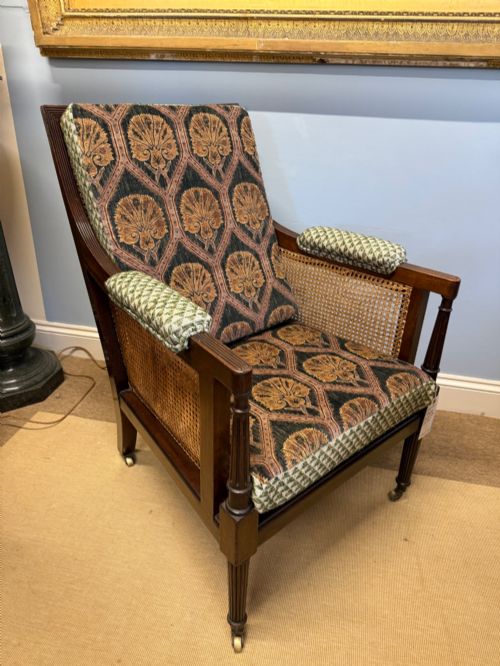
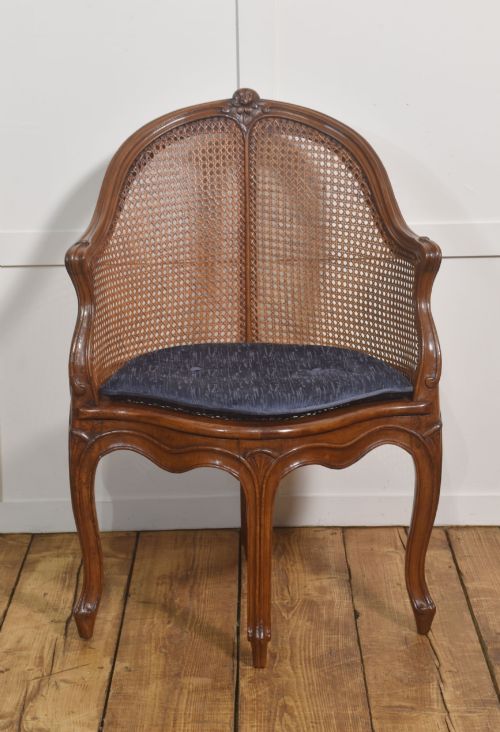
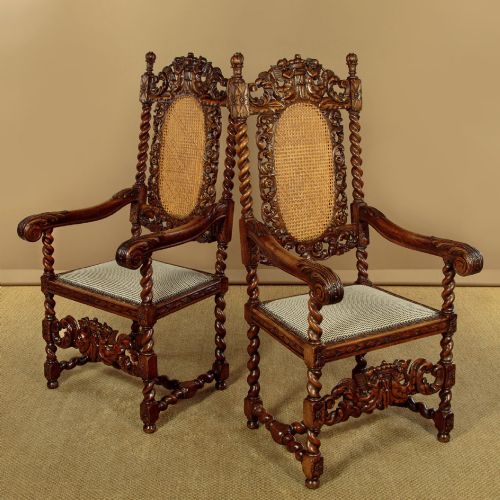
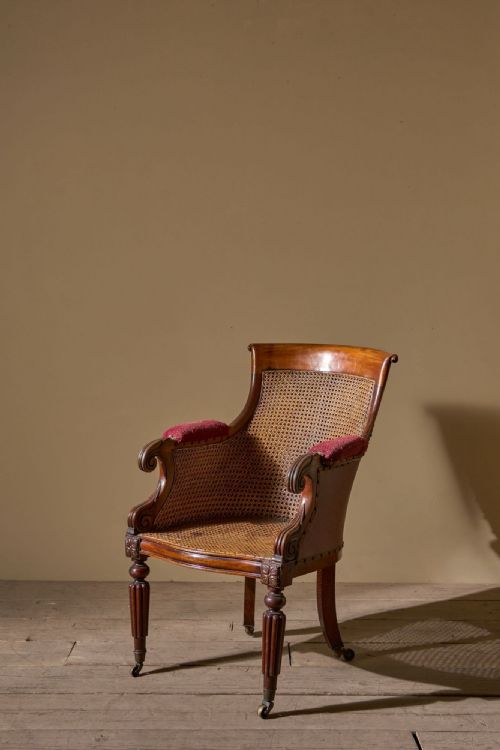
The pieces appearing on this page range from library armchairs and bedroom chairs to dining sets and child high chairs.
Mahogany, walnut, oak and ebonised wood dominate the frames, reflecting the stylistic tastes of the nineteenth century from French Louis XV revival to English country forms.
Materials and construction methods
Makers constructed the supportive woven panels using split rattan cane threaded through pre-drilled holes along the inner rebate of the wooden frame.
Cabinet makers utilised dense hardwoods including mahogany, walnut, satinwood and oak for the structural framing, ensuring the furniture withstood daily weight while supporting the tension of the woven seat.
Victorian households even provided caned seating for dolls, ensuring miniature aristocrats sat with proper nineteenth-century posture.
Markers of fine execution
The calibre of a piece rests upon the tightness and regularity of the hand-woven cane work, where even spacing and hidden joins separate standard production from superior craftsmanship.
Frame carving depth, timber selection, and the preservation of original polish or surface finish dictate the enduring integrity and visual weight of the seating.
James Shoolbred·E W Godwin
The Victorian Cane Seat Glossary
- Cane
- Split rattan material woven into an open octagonal or hexagonal pattern to form a flexible seat or back panel.
- Bergere
- An enclosed upholstered or caned armchair with wooden framing, often featuring a woven cane back and seat.
- Ebonised
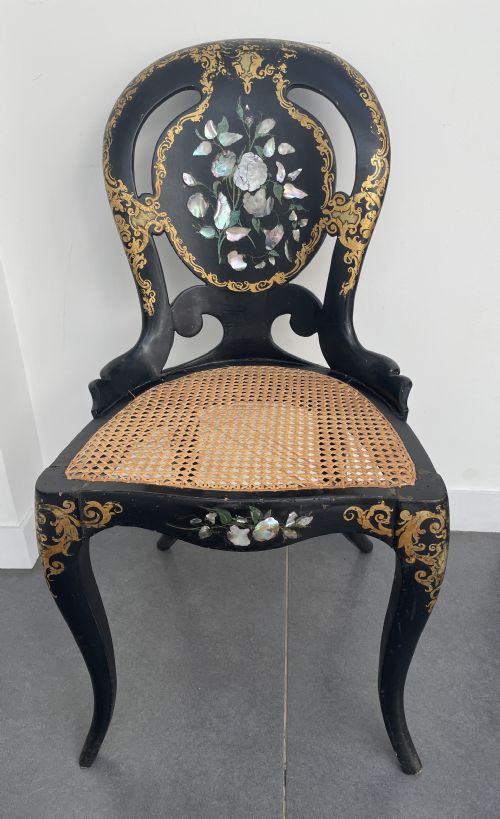
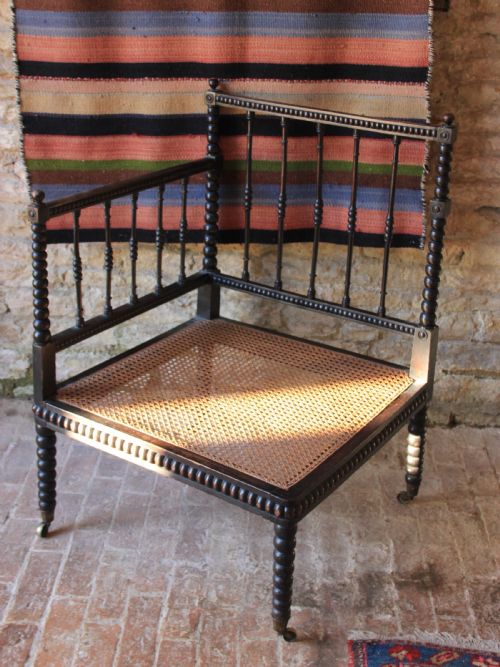
- Timber treated with a dark finish to imitate expensive ebony wood, popular in nineteenth-century decorative arts.
- Bobbin turned
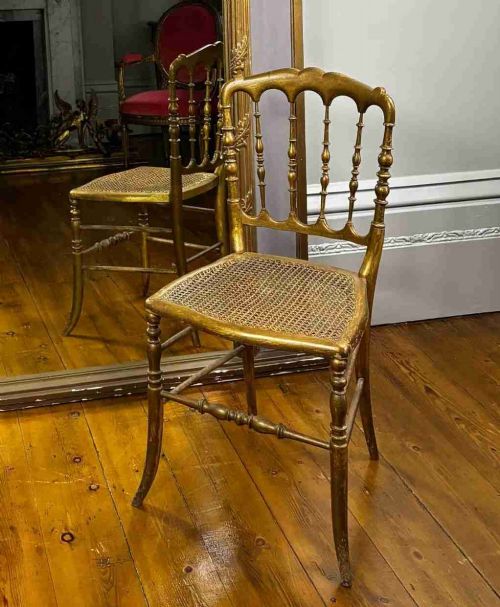
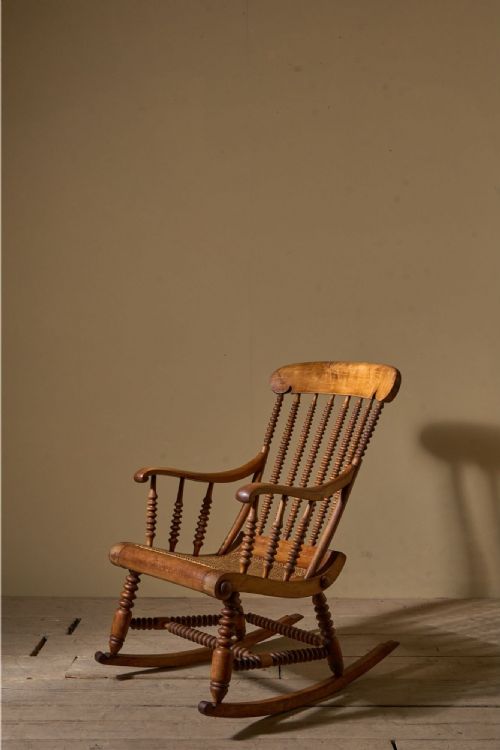
- Furniture legs or stretchers shaped on a lathe to resemble a series of wooden reels or bobbins joined end to end.
- Tub chair
- An armchair featuring a rounded, curved back that flows continuously into low arms.
Victorian Cane Seat: Frequently Asked Questions
How do I care for a victorian cane seat?
Keep woven plant fibres supple by occasionally wiping them with a damp cloth to prevent the material from drying out and snapping under pressure.
Avoid placing these items in direct sunlight or directly beside active radiators, as excessive heat causes the natural rattan to become brittle over time.
Can damaged cane seats be repaired?
Skilled artisans can completely re-weave damaged panels by hand using traditional strand-by-strand methods through the existing frame holes.
Professional restoration preserves the original wooden structure while returning full load-bearing strength to the seating surface.
Where were these chairs used originally?
Lighter caned chairs served primarily in bedrooms, salons, and libraries where residents wanted moveable, breathable seating that did not trap heat.
Dining rooms and offices also utilised sturdier frames with cane inserts for daily administrative work or formal meals.
Are these pieces sturdy for daily seating?
Nineteenth-century frames built from dense hardwoods like mahogany and oak remain structurally robust for modern use if the joints stay tight.
Original woven panels support normal weight distribution effectively, though heavy pressure or kneeling on the centre should be avoided.