




Victorian Candle Sticks
These victorian candle sticks bring practical nineteenth-century lighting into modern rooms through varied metals, ceramics, and turned woods.
Victorian Candle Sticks
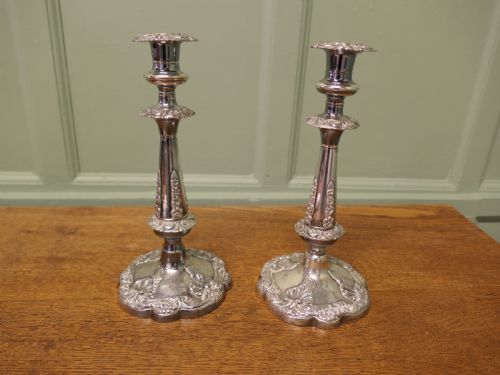
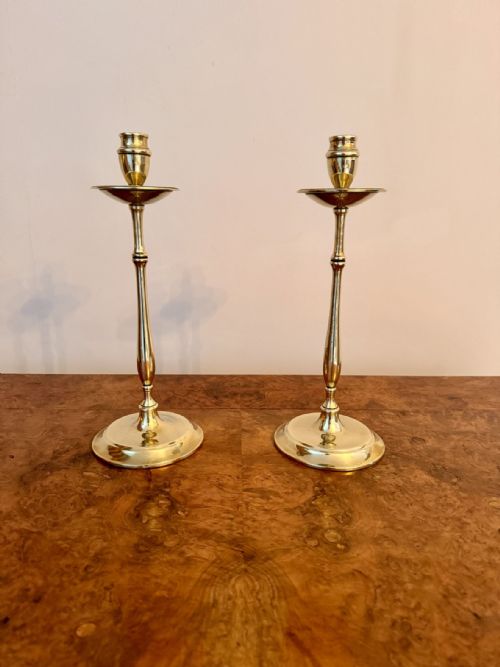
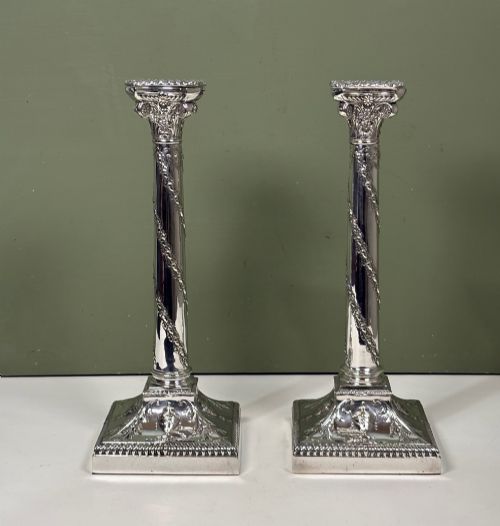
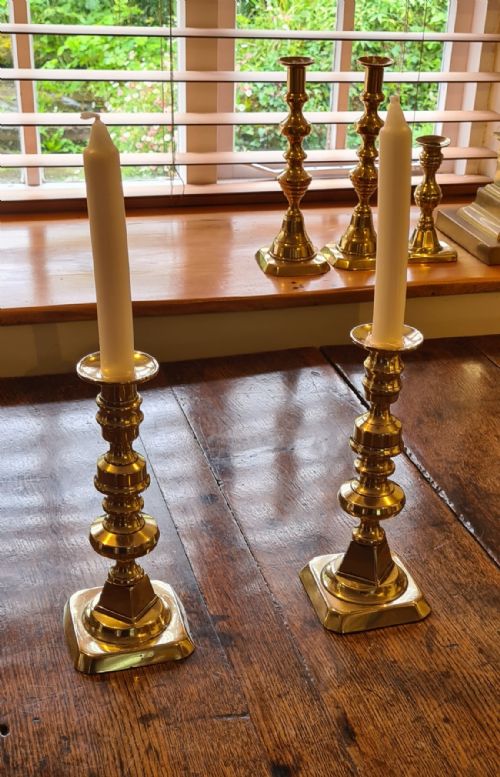
Victorian candle sticks encompass functional lighting accessories produced across the nineteenth century, ranging from domestic chamber sticks to monumental church candlesticks. Buyers searching this phrase most frequently encounter sturdy brass pairs designed for everyday household use, alongside plated silver and porcelain examples.
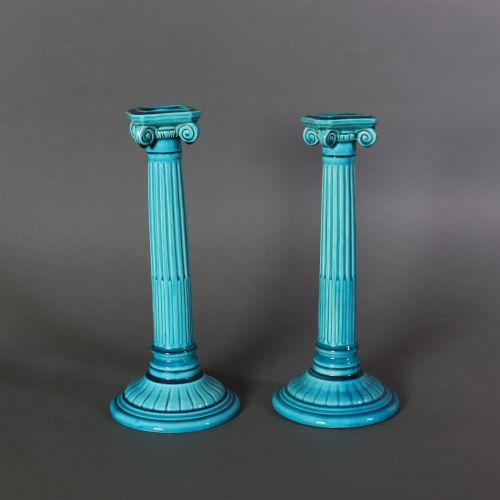
The selection includes specialised forms such as student desk lamps, travelling chamber candlesticks known as Brighton buns, and telescopic designs that adjust in height. Materials stretch beyond standard metalwork to incorporate glazed faience, marble, tortoiseshell, and various treen woods.
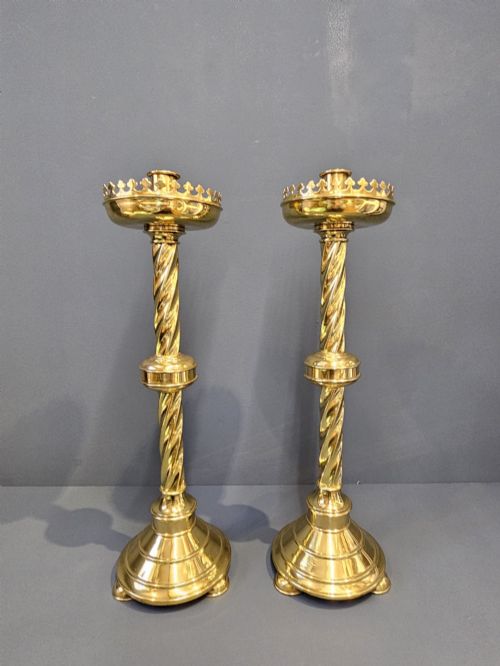
Stylistic influences span Gothic revival, Rococo revival, and the aesthetic movement, reflecting the diverse decorative tastes of the period. These objects served essential illumination purposes before electric lighting became widespread, which explains their robust construction.
Materials and Techniques
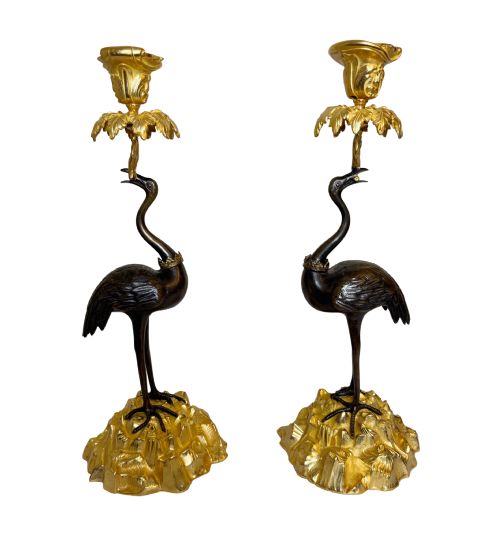
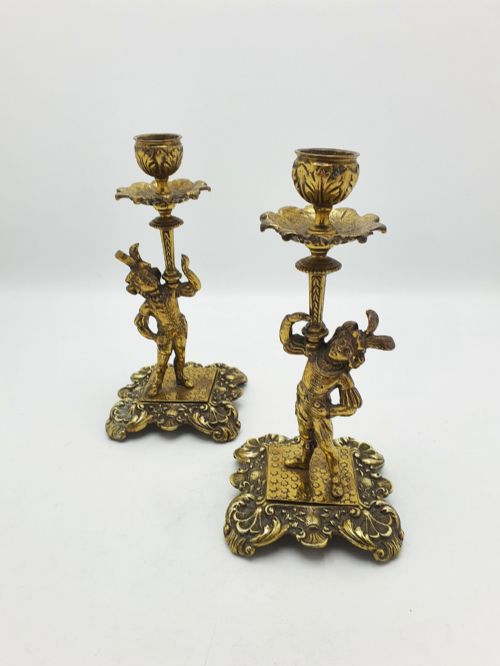
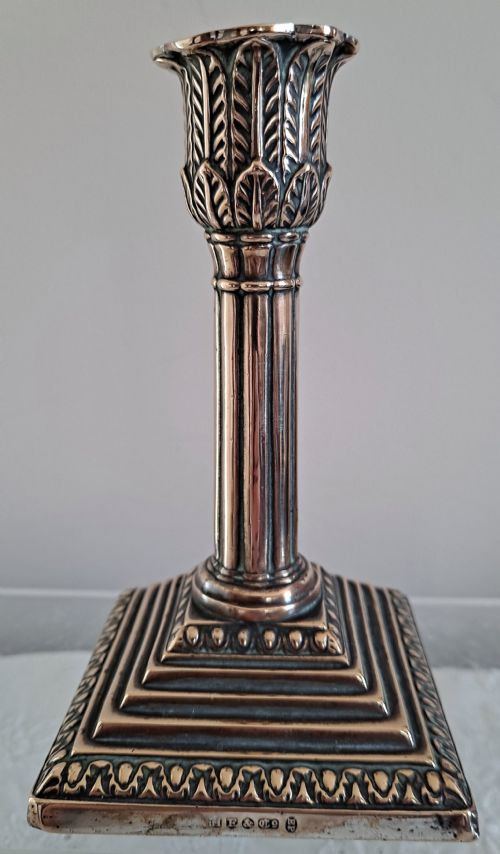
Metalwork dominates the construction, utilising cast and turned brass, bronze, spelter, and various grades of silver plate on base metals. Brass components often feature internal ejector mechanisms designed to push out remaining candle stubs easily.
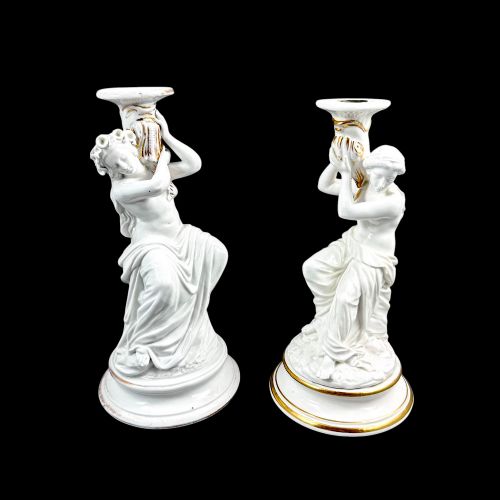
Ceramic and glazed pottery pieces, including faience and porcelain, showcase hand-painted figural motifs and decorative glazes fixed in kilns. Treen items rely on dense turned woods such as walnut, lignum vitae, and other timbers shaped on a lathe.
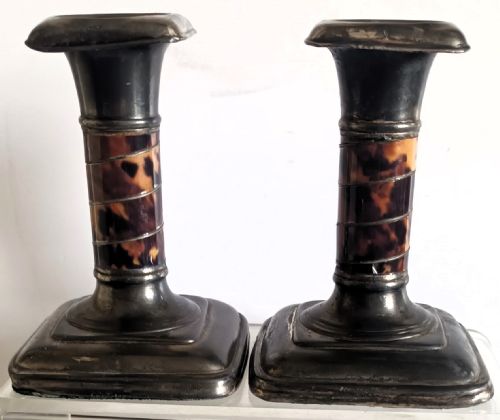
Composite pieces combine metallic sockets and trays with organic elements like tortoiseshell panels or marble bases, secured through pins, screws, or specialised adhesives appropriate to the period.
Victorian Candle Sticks Retail Price Guide 2026
Typical asking prices for victorian candle sticks among the pieces listed under this phrase on Sellingantiques today, from the lower quarter to the upper quarter. They describe what is for sale here now, not the wider market.
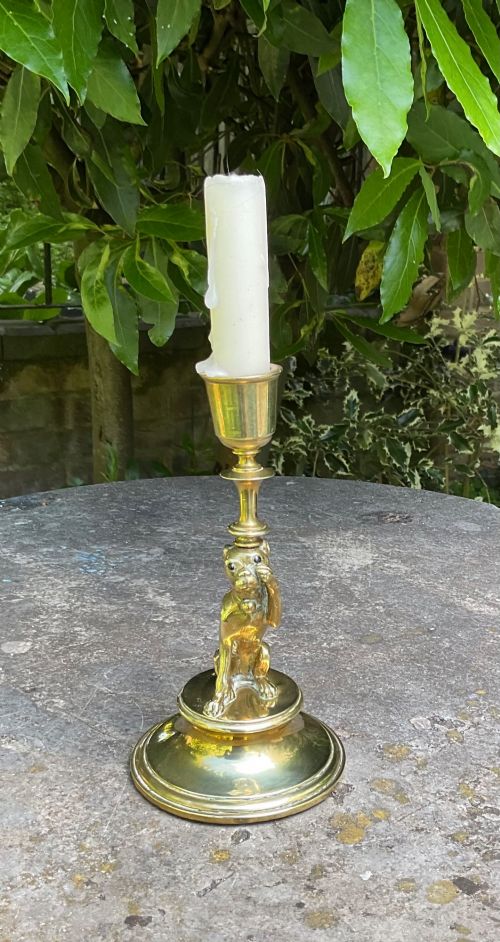
A pug dog stares out from the base of one nineteenth-century candle holder.
Judging Quality
In ceramic and glass components, the depth of glaze, hand-painting precision, and absence of firing cracks distinguish finer decorative pieces from standard utility wares. Matching pairs that retain their original proportions and components demonstrate greater integrity.
Burmantofts Faience·Sutherland and Sons
The Victorian Candle Sticks Glossary
- Chamberstick
- A low portable candlestick fitted with a pan to catch dripping wax and a handle for carrying from room to room. These often sat on bedside tables or hall chests during the nineteenth century.
- Ejector
- A mechanical internal slide operated by a thumbpiece on the stem that lifts the remaining candle stump out of the socket. This innovation prevented burnt fingers and difficult wax removal.
- Treen
- Small domestic wooden objects made by turning on a lathe or through hand-carving. Walnut and lignum vitae are common timbers found in nineteenth-century examples.
- Brighton Bun
- A compact, travelling chamber candlestick shaped like a bun that unscrews to store the candle securely inside. It provided portable illumination for travellers during the Victorian era.
- Faience
- Tin-glazed earthenware decorated with opaque coloured glazes, often associated with nineteenth-century art pottery studios. It offered rich surface decoration for decorative candlesticks.
Victorian Candle Sticks: Frequently Asked Questions
How do I clean antique brass candlesticks?
Clean nineteenth-century brass gently with warm soapy water and a soft cloth to remove surface grime while preserving the aged patina. Avoid harsh chemical dips that strip away historical character and leave metal surfaces unnaturally bright.
Dry the pieces thoroughly after washing to prevent water spotting. A light application of microcrystalline wax can protect the metal from future oxidation without harming the surface.
What is the difference between a candlestick and a chamberstick?
Candlesticks are tall, vertical supports designed to stand permanently on dining tables, mantelpieces, or altars to illuminate a specific room. They focus purely on elevation and decorative display.
Chambersticks are short, portable candle holders featuring a wide saucer base and an upright finger loop. They were specifically created for carrying safely through dark hallways at night.
How do telescopic candlesticks work?
Telescopic mechanisms allow the stem of the candlestick to extend upward or collapse downward to adjust the overall height of the flame. A friction fit or internal stop keeps the sliding sections secure at the chosen position.
This adjustability accommodated different candle lengths and allowed users to modify the lighting level or packing size. They represent an ingenious piece of nineteenth-century engineering.