

Victorian Cabinet with Doors
A victorian cabinet with doors provides dependable storage and display, bringing nineteenth-century timber and glasswork directly into daily domestic life.
Victorian Cabinet with Doors
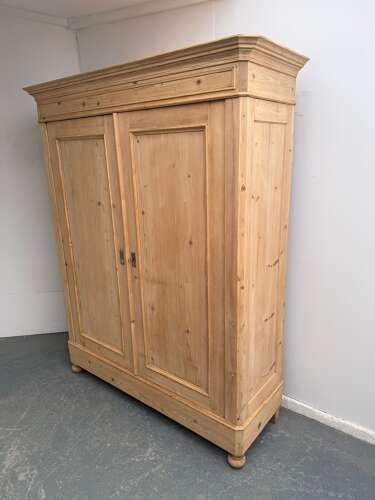
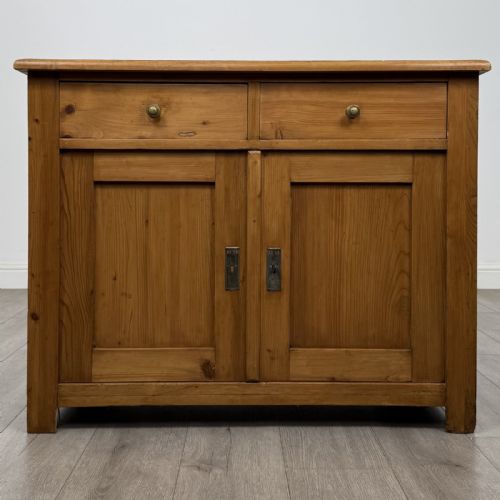
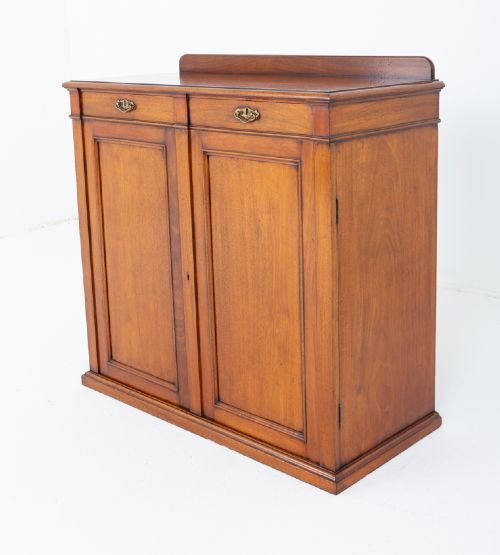
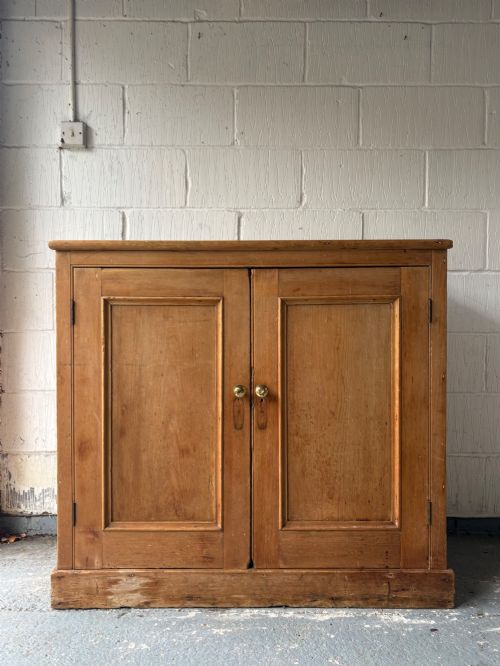
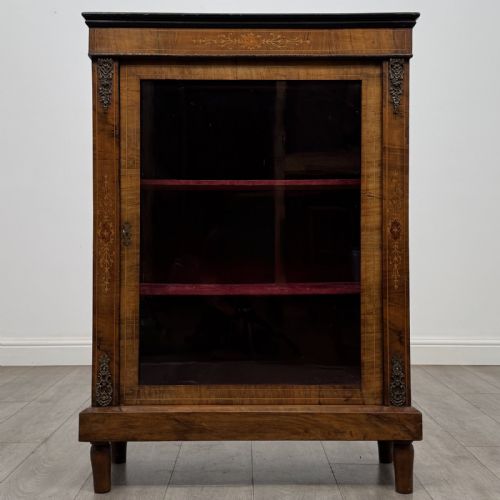
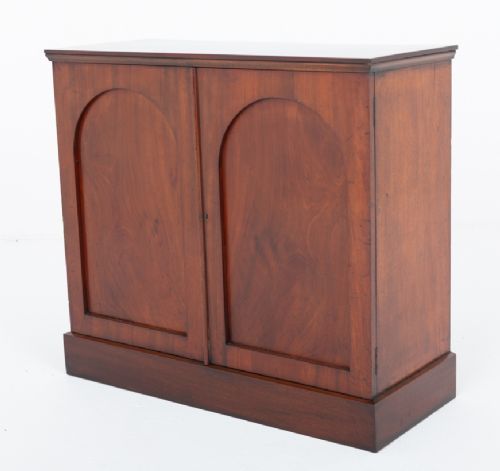
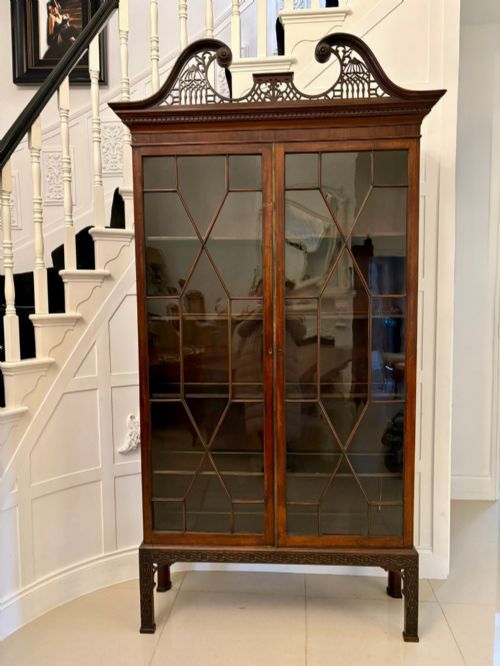
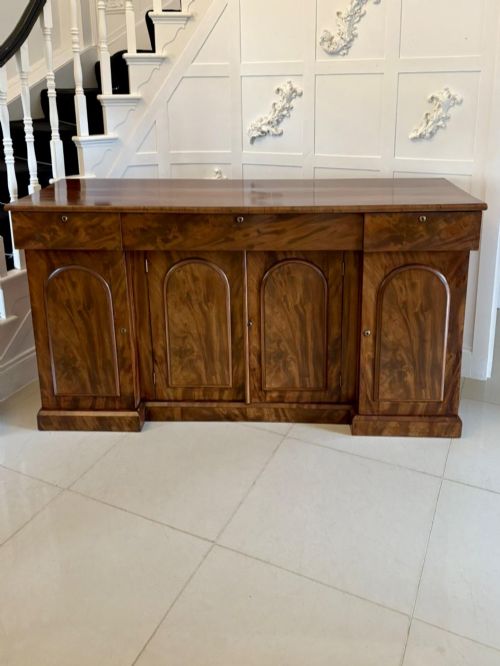
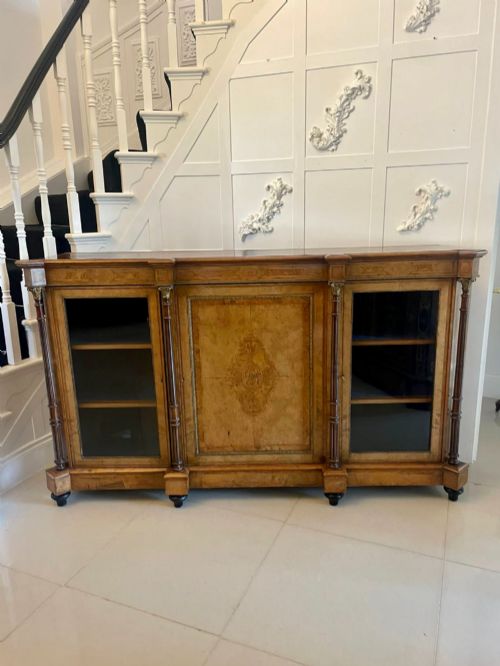
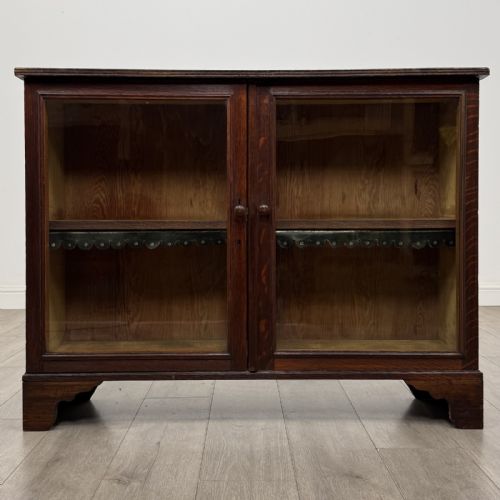
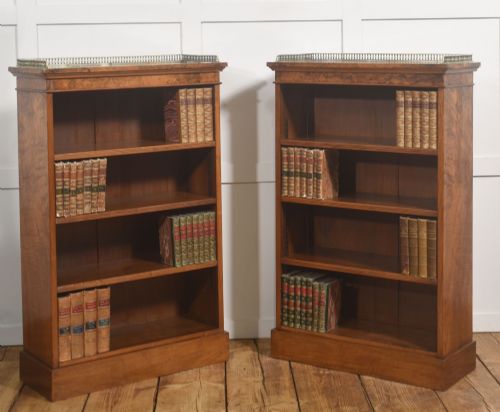
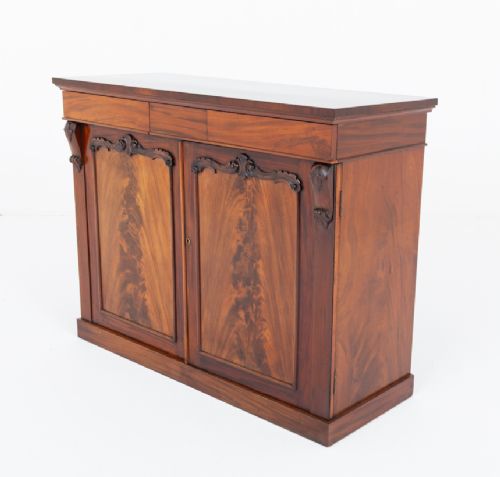
A victorian cabinet with doors encompasses a diverse group of nineteenth-century storage forms, ranging from tall glazed bookcases and kitchen larders to low credenzas and pier cabinets. Pieces from this era originate primarily from English, Scottish, and continental workshops, spanning the early decades through to the Edwardian transition.
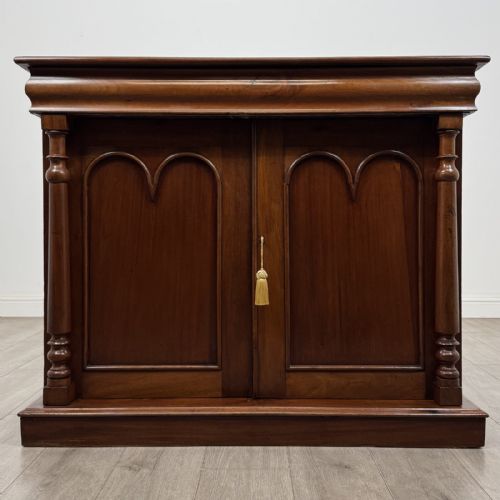
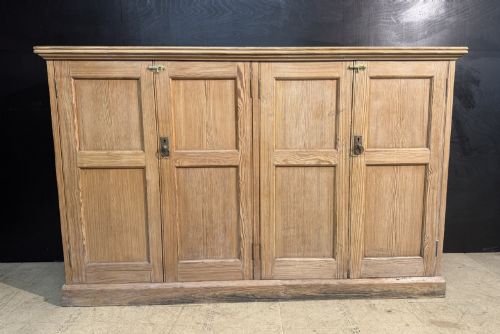
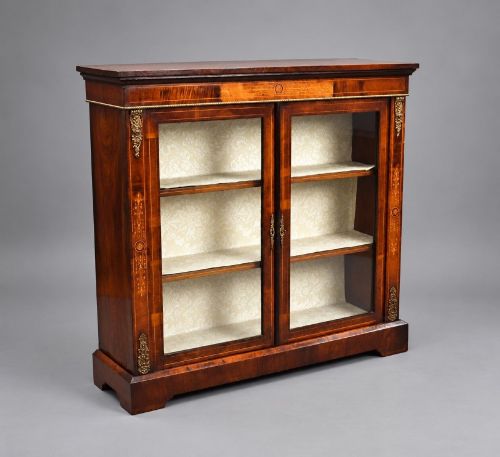
Bookcases and display cabinets with glazed upper sections appear frequently alongside solid-door sideboards, chiffoniers, and corner cupboards. Buyers encounter both formal parlour furniture executed in rich hardwoods and robust country pieces built from pine.
Regional variations emerge clearly across the selection, distinguishing metropolitan cabinet-making from provincial vernacular pieces. Domestic interiors benefit immediately from these functional enclosures, which combine shelved storage with display capabilities.
Materials and Techniques
Cabinet-makers relied heavily on solid and veneered hardwoods such as mahogany, burr walnut, rosewood, and oak, often pairing them with secondary softwoods for internal carcases. Pine served widely for provincial and country cupboards intended for waxing or painting.
Decorative surfaces gained refinement through contrasting stringing, ebony and amboyna inlay, and intricate carved mouldings. Ormolu mounts and mirrored back panels frequently enhanced formal credenzas and display pieces, while brass hardware secured doors and adjustable shelving.
Victorian Cabinet with Doors Retail Price Guide 2026
Typical asking prices for victorian cabinet with doors among the pieces listed under this phrase on Sellingantiques today, from the lower quarter to the upper quarter. They describe what is for sale here now, not the wider market.
A Scottish kitchen cabinet sits quietly among grand London credenzas, proving that porridge and porcelain shared the same century.
The Spectrum of Quality
Mastery of timber selection dictates the visual standing of a piece, separating figured mahogany and matched burr walnut veneers from plain utility timber. Cabinet-makers who carefully aligned grain patterns across multiple doors achieved a cohesive elegance that lesser workshops missed.
Construction methods likewise define the upper tier, evident in secret dovetails, substantial secondary timbers, and original brass fittings. The integration of delicate marquetry, fire-gilt ormolu mounts, and sound glass panels distinguishes bespoke metropolitan commissions from standard commercial output.
Gillows
The Victorian Cabinet with Doors Glossary
- Astral glazed
- Refers to glass doors divided by slender wooden bars into geometric patterns. These delicate frames allow an unobstructed view of the bookcase interior.
- Credenza
- A low-standing side cabinet, often featuring mirrored doors and ormolu mounts. This form originated for formal dining rooms to display silver and porcelain.
- Chiffonier
- A compact sideboard equipped with enclosed lower cupboards and a raised shelf superstructure. Victorians utilised these versatile pieces primarily in sitting rooms.
- Pier cabinet
- A narrow display cabinet specifically built to stand against the wall space between windows. They frequently incorporate curved glass and intricate marquetry inlay.
- Fielded panel
- A wooden door panel with bevelled edges set into a grooved frame. This traditional construction method accommodates natural wood expansion without splitting.
Victorian Cabinet with Doors: Frequently Asked Questions
How do I clean a burr walnut cabinet?
Dust the polished surfaces regularly with a soft, dry cloth to prevent particulate accumulation. Apply a quality microcrystalline wax sparingly once or twice a year to nourish the timber.
Avoid placing antique walnut near direct heat sources or in strong sunlight, which causes veneers to dry out and lift. Clean glass panels using a minimal amount of neutral glass cleaner applied to a cloth rather than sprayed directly.
Are the shelves usually adjustable?
Many nineteenth-century bookcases and display units feature adjustable wooden or glass shelves supported on rack-and-pinion strips or wooden pegs. This practical mechanism allows owners to alter shelf heights for varying book sizes or display items.
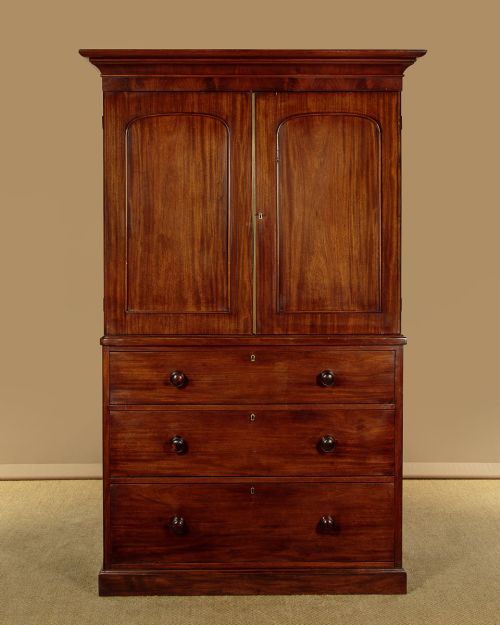
Simpler country cupboards and linen presses often rely on fixed internal shelving secured into housings within the carcase carcase walls.
Can I paint a pine cabinet?
Pine storage cupboards and dressers found across the nineteenth century were frequently manufactured with surfaces intended for waxing or painting. Applying a breathable chalk or mineral paint allows buyers to integrate these functional pieces into contemporary interiors.
Ensure any old wax finishes are thoroughly cleaned and degreased with turpentine before applying primer to guarantee proper paint adhesion.
How do I tell early Victorian from late Victorian?
Early Victorian pieces from the mid-nineteenth century often display robust proportions and restrained classical mahogany veneers. Cabinet-making from this phase prioritizes structural weight and simple architectural lines.
Late Victorian examples from the 1880s and 1900s frequently introduce lighter oak timbers, eclectic revival styles, and elaborate applied carvings or delicate marquetry. Drawer construction also shifts slightly over the decades, moving from hand-cut dovetails towards machine-assisted precision.