



Victorian Bronze Sconces
Victorian bronze sconces bring robust metalwork and period lighting together, offering an interior feature that collectors seek for authentic character.
Victorian Bronze Sconces
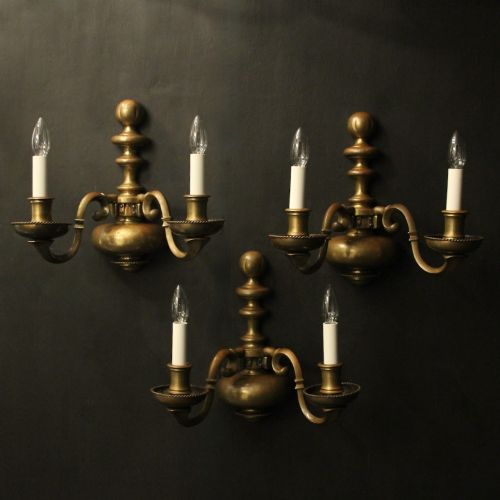
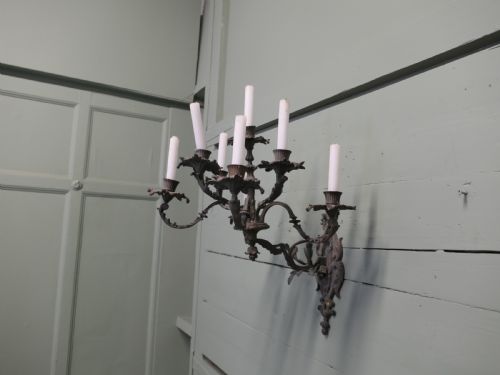
Victorian bronze sconces comprise wall-mounted light fittings and brackets designed for gas or candle illumination during the nineteenth century. These pieces appear most frequently as matched pairs, featuring multi-branched forms or single lights intended for hallways and reception rooms.
The selections span from strict English traditional designs to exuberant continental revivals. Pieces range from simple brass and bronze brackets to elaborate French Second Empire and Italian Grand Tour examples bearing figural or classical ornament.
Makers and foundries produced these wall lights across several decades, resulting in variations from heavy Gothic castings to slender Art Nouveau and Aesthetic Period creations. Buyers encounter diverse regional tastes, including items made for export markets alongside domestic production.
Quality and Craftsmanship
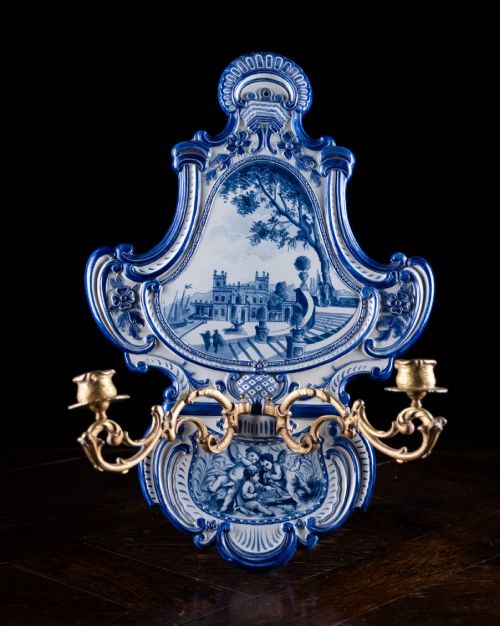
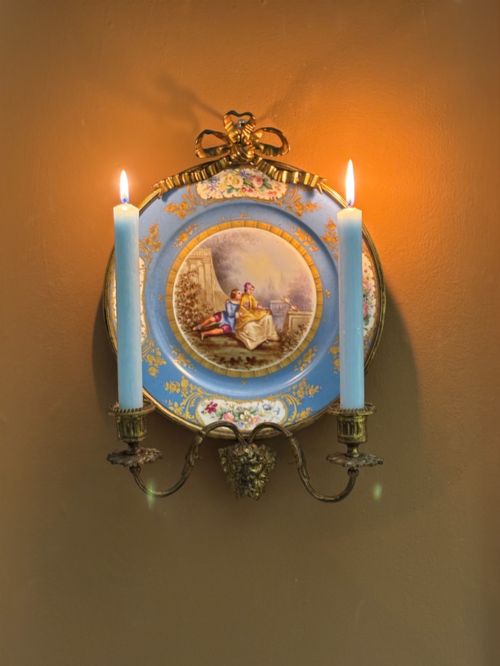
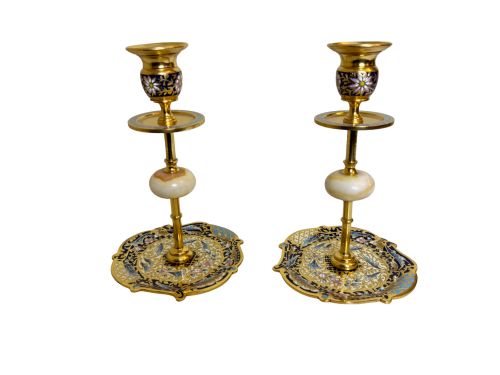
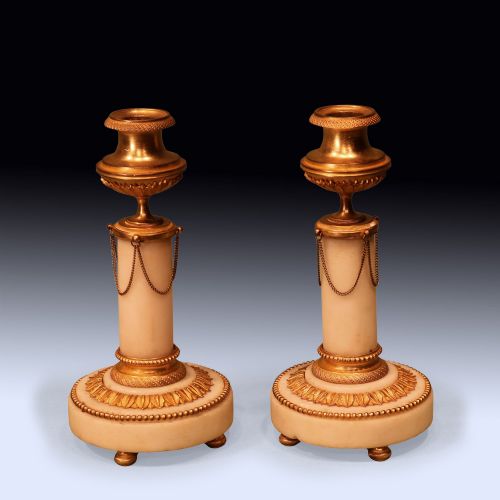
The integration of secondary materials marks the distinction between standard production and high-end workshops. Fine mountings incorporate hand-painted ceramic plaques, precise champleve enamel work, and solid marble or onyx bases rather than simpler surface plating.
Victorian Bronze Sconces Retail Price Guide 2026
Typical asking prices for victorian bronze sconces among the pieces listed under this phrase on Sellingantiques today, from the lower quarter to the upper quarter. They describe what is for sale here now, not the wider market.
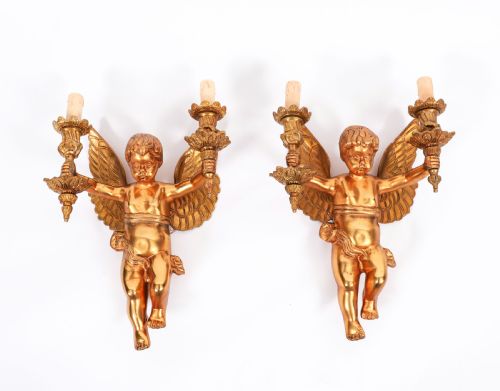
Listings feature extensive use of figural motifs, including mermaids, cherubs, and soldiers executed in cast bronze and brass.
Liberty·Sevres·E.G Paris
The Victorian Bronze Sconces Glossary
- Ormolu
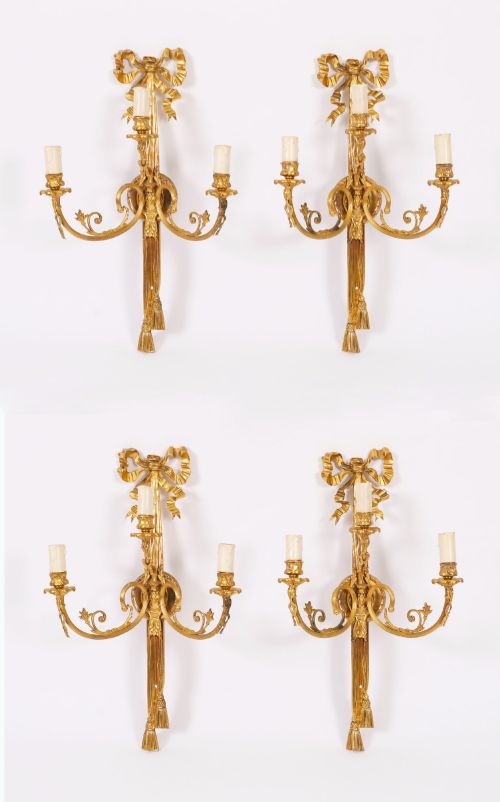
- Gilded bronze produced by applying a mercury-gilding amalgam to a cast bronze base. This technique creates a rich golden finish characteristic of nineteenth-century decorative hardware.
- Champleve
- An enamelling technique where troughs or cells are hollowed out of the metal surface and filled with vitreous enamel powder before firing. It creates vibrant coloured patterns across the metal mount.
- Girandole
- A branched wall-mounted candle holder featuring a mirrored backplate to reflect and amplify the light. The reflective plate enhances the illumination within nineteenth-century interiors.
- Grand Tour
- A term describing nineteenth-century souvenir items purchased by travellers visiting cultural centres in Italy and France. These pieces often draw heavily on classical antiquity and Renaissance motifs.
- Spelter
- A zinc alloy used as a cost-effective substitute for bronze in decorative castings. It permits intricate figural modelling while maintaining a lighter overall weight for wall suspension.
Victorian Bronze Sconces: Frequently Asked Questions
What fuels did these wall lights use?
These fixtures were originally designed for wax candles or gas supply before homes were universally electrified. Many surviving examples have since been professionally adapted for modern electrical wiring while retaining their historic appearance.
Buyers should inspect the internal channels and holders to understand how the original fuel source was accommodated within the metal arm structure.
How do I mount a heavy bronze sconce?
Due to the substantial weight of cast bronze and integrated stone components, secure wall fixing requires direct attachment to wooden wall studs or heavy-duty masonry anchors. Professional installation ensures the bracket supports the downward torque safely.
Wall lights featuring multiple branches or onyx and marble elements place particular strain on the mounting backplate and require robust hardware.
How are different stylistic periods identified?
Stylistic periods are recognised through specific decorative motifs, such as Gothic Revival pointed arches, Renaissance soldier figures, or classical Grand Tour elements. Comparing the cast ornamentation against documented nineteenth-century design patterns helps narrow down the production era.
Materials also offer clues, as Aesthetic Period and Art Nouveau pieces utilise distinct floral and geometric vocabularies compared to earlier revival styles.
Should I clean the bronze patina?
Preserving the original surface patina is generally recommended by collectors, as gentle dusting maintains the historic skin without removing centuries of oxidation. Aggressive polishing strips away the desirable dark tones that accumulate on nineteenth-century bronze.
Light cleaning with a soft, dry cloth is sufficient for routine maintenance of both gilt and patinated metal surfaces.