



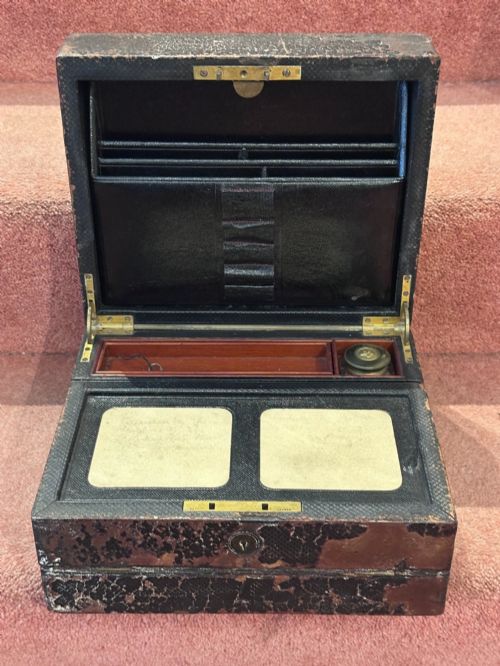
Victorian Brass Slope
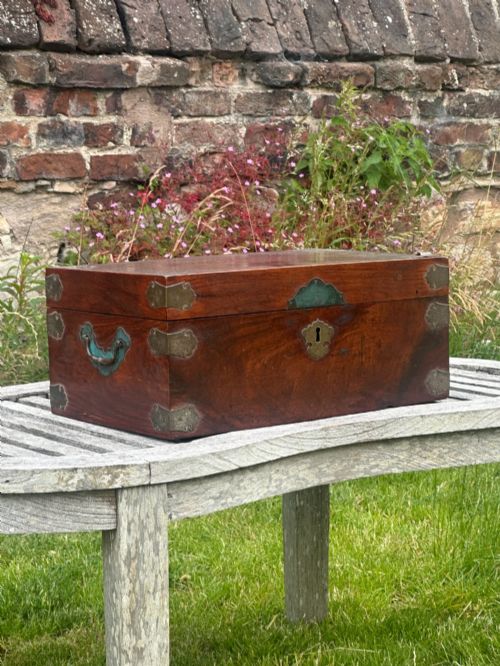
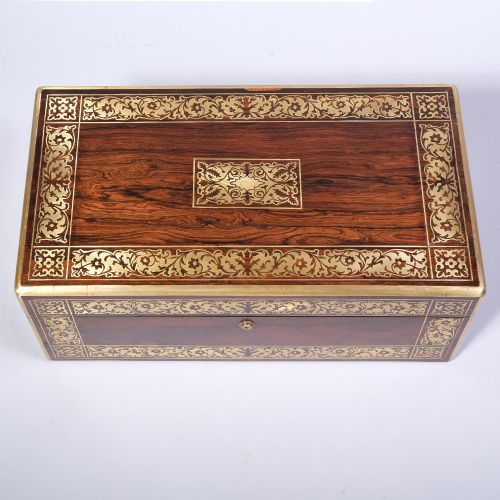
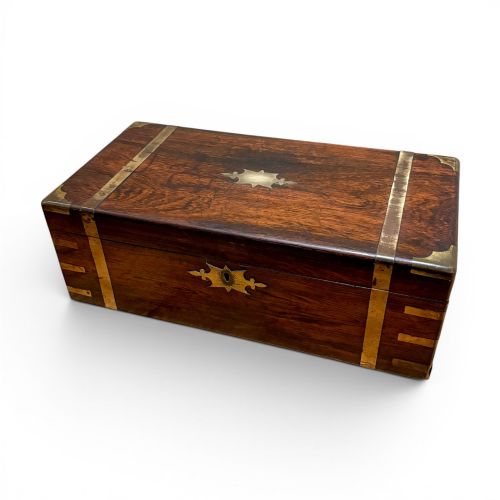
Solid mahogany and rich burr walnut fitted with gleaming brass corners define a victorian brass slope, built for travel and correspondence.
Victorian Brass Slope
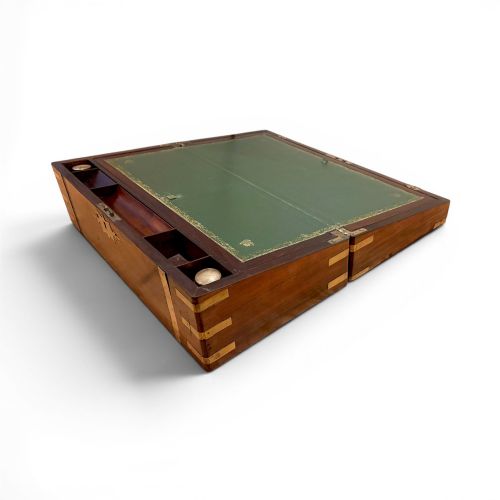
A victorian brass slope is a portable box designed for correspondence, folding open to reveal a slanted writing surface lined with leather or velvet. These pieces date predominantly from the nineteenth century, including examples from the early Victorian era and specific decades such as eighteen-sixty.
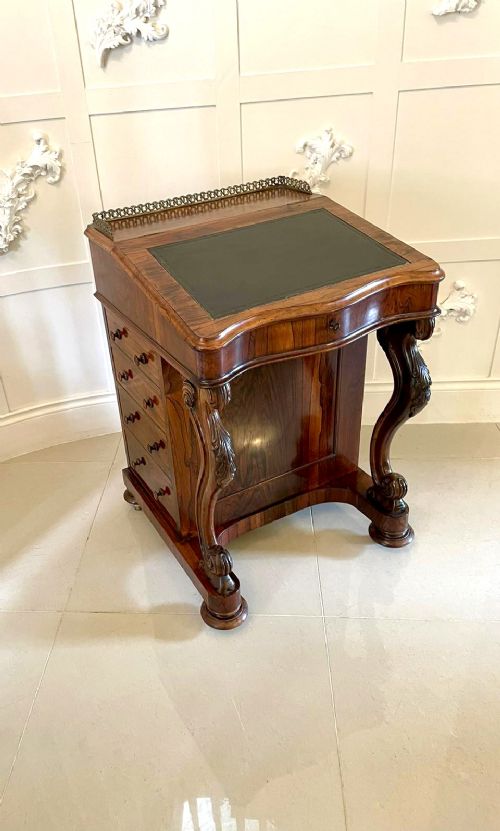
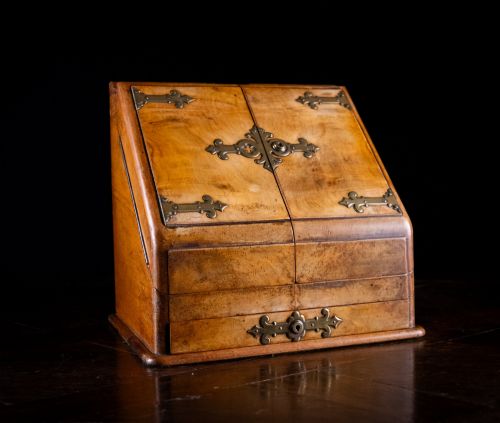
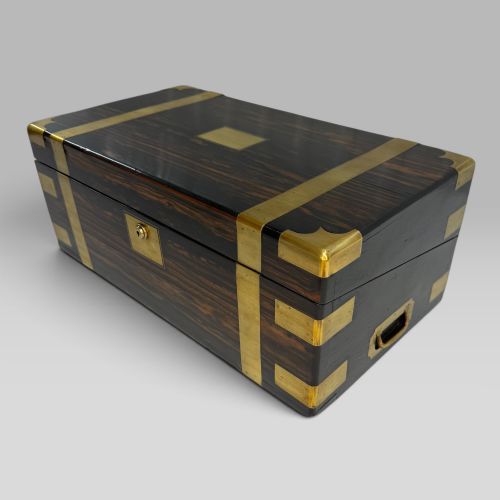
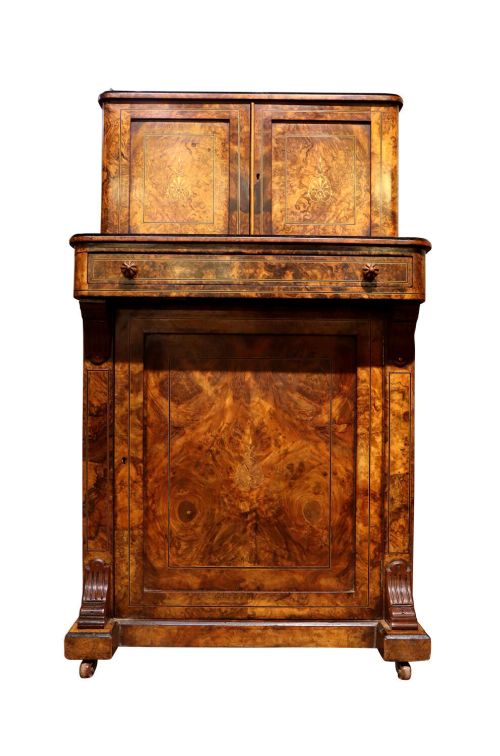
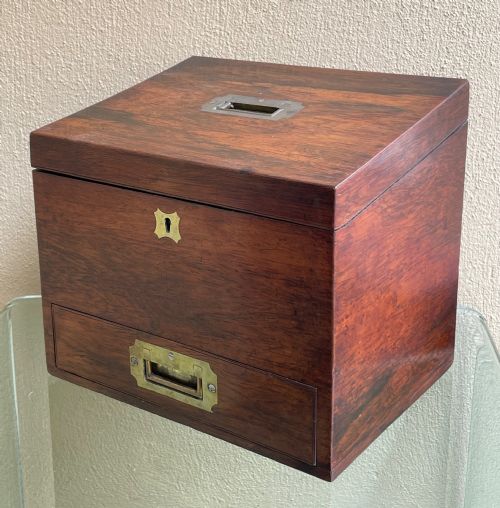
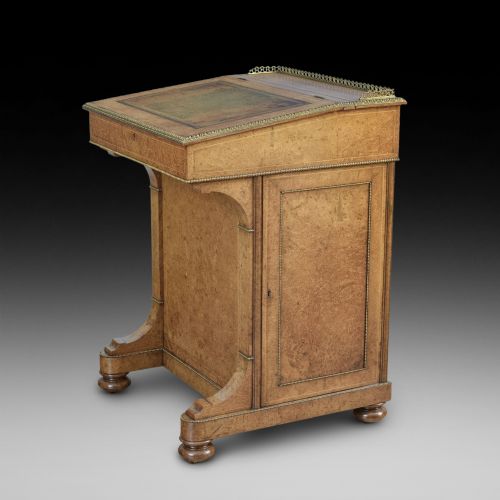
The most common versions met on this page are mahogany and walnut boxes reinforced with brass corners, straps, and escutcheons for durability during travel. Alongside traditional campaign writing slopes, listings frequently feature stationery boxes, correspondence boxes, and Davenport desks incorporating similar brass mounts.
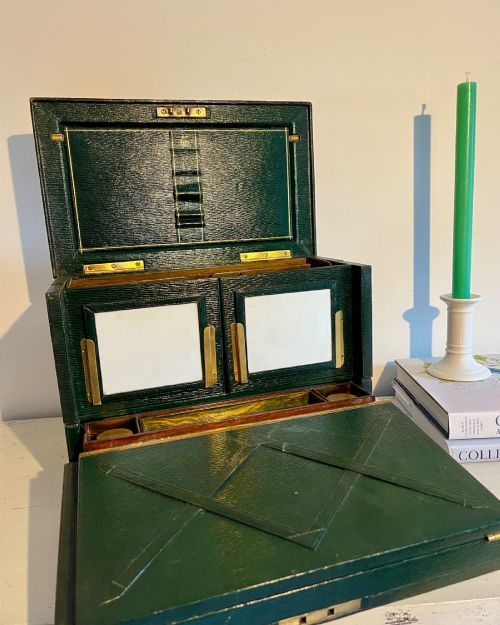
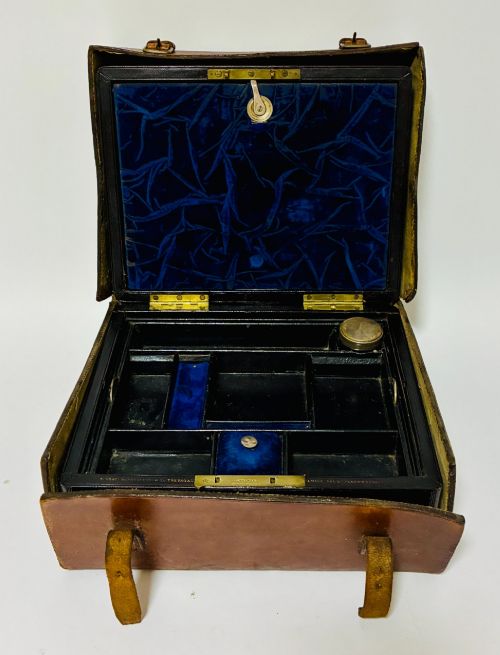
Makers constructed these boxes to house inkwells, pens, and paper securely while on the move, often incorporating secret drawers accessed through hidden mechanisms. Interiors usually feature compartmented trays that lift out to reveal storage space underneath for letters and documents.
Materials and construction
Cabinet makers utilised dense hardwoods including mahogany, rosewood, burr walnut, and coromandel as the primary body for each box. Woods were chosen for their figured grain and structural stability, often enhanced with brass inlay or bound with brass corners and flush carrying handles to withstand heavy use.
Interior components combine cabinet work with fitted leather or velvet writing surfaces, occasionally featuring fine brass stringing and secret compartments. Joinery relied on precise housing and dovetailing to ensure the folding box halves aligned perfectly under tension from brass hinges.
Many a Victorian letter writer relied on hidden spring catches to guard their secrets.
Indicators of quality
Quality rests upon the choice of timber figure, the precision of the brass inlay, and the integrity of the internal fittings. Superior boxes display highly figured burr walnut or flame mahogany combined with thick, hand-cast brass mounts secured by closely spaced screws rather than modern replacements.
The sophistication of the interior layout separates standard boxes from finer examples, particularly those featuring concealed secret drawers, matching inkwell caps, and original working keys. Cabinet work that remains square and true after decades of opening and closing indicates skilled initial construction.
F. West
The Victorian Brass Slope Glossary
- Campaign slope
- A portable writing desk built with recessed brass handles and corner brackets to endure military transport.
- Escutcheon
- A protective brass plate surrounding a keyhole, often shaped as a shield or diamond on these boxes.
- Secret drawers
- Concealed small drawers hidden behind removable partitions or triggered by secret wooden spring catches.
- Stationery box
- A standing cabinet or desk accessory designed to hold envelopes, paper, and correspondence upright.
- Davenport
- A compact pedestal desk featuring a slanted writing surface above a bank of drawers.
Victorian Brass Slope: Frequently Asked Questions
How were writing slopes used?
Owners placed the box upon a table or lap, folded open the hinged lid to form a sloping writing surface, and stored paper and ink inside the compartments beneath.
Travellers and officers utilised these portable desks to maintain correspondence on journeys, locking the box securely with a key when finished.
What are secret drawers?
Secret drawers are hidden compartments built into the interior framework of a slope, concealed behind false panels or accessed by removing an internal pen tray.
Cabinet makers designed these spaces to secure private letters, money, or valuables away from casual inspection.
How do I care for a brass slope?
Keep the wood polished with appropriate wax and condition the leather writing surface gently to prevent drying and cracking over time.
Avoid placing the box near direct heat sources or in damp environments, which can cause the wood to warp and the brass mounts to tarnish rapidly.
Are keys usually included?
Some slopes retain their original working keys, while others operate without them due to the age and history of the piece.
Locks on nineteenth-century boxes can often be fitted with replacement keys by a specialist locksmith if locking functionality is desired.