
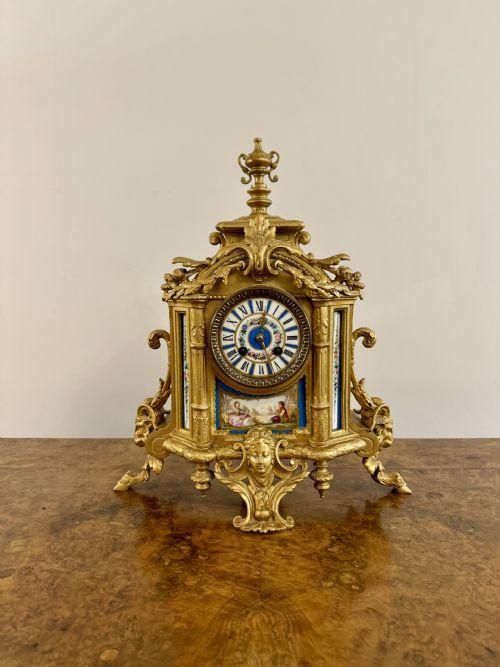


Victorian Brass Shelf Clock
A victorian brass shelf clock brings heavy brass housing, visible escapements, and ticking weight to a mantelpiece or library shelf.
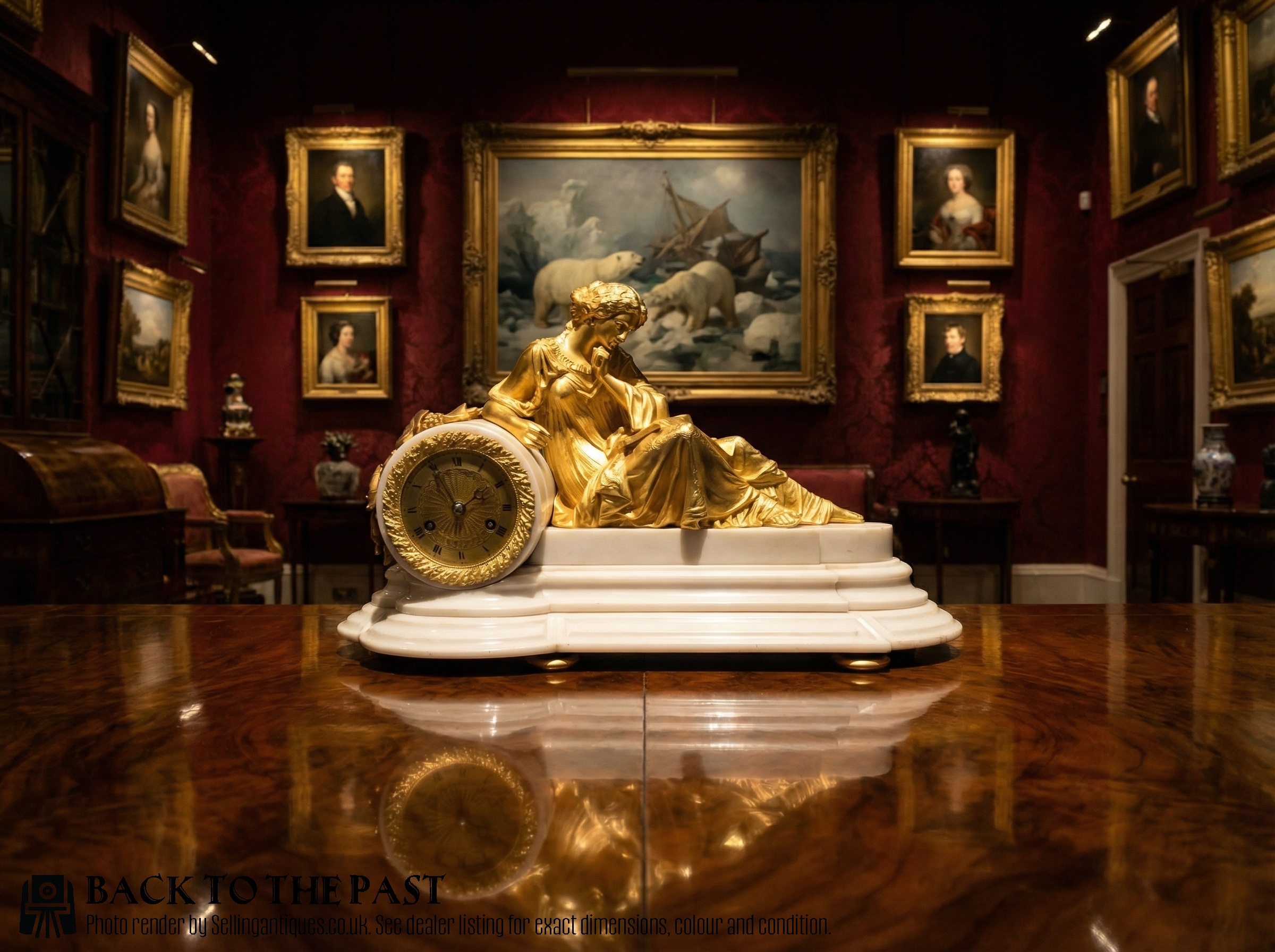
Victorian Brass Shelf Clock
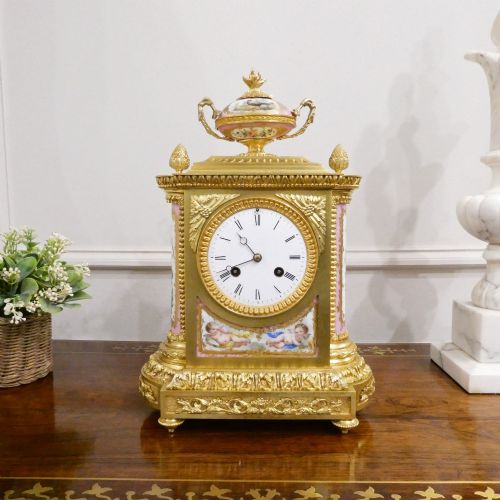
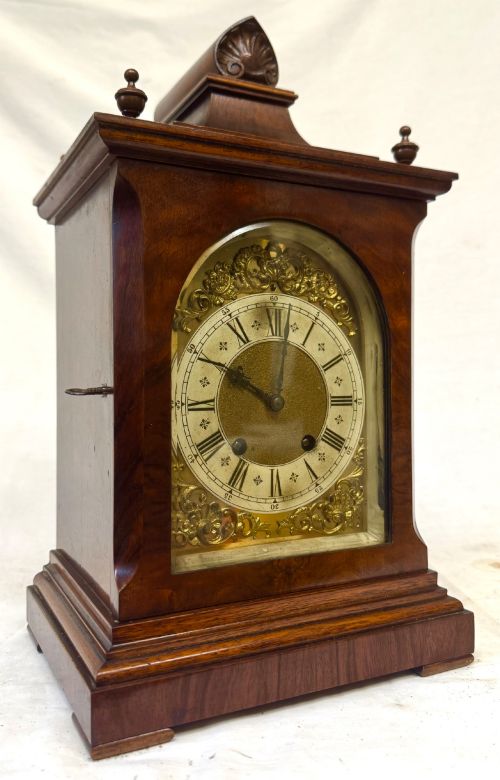
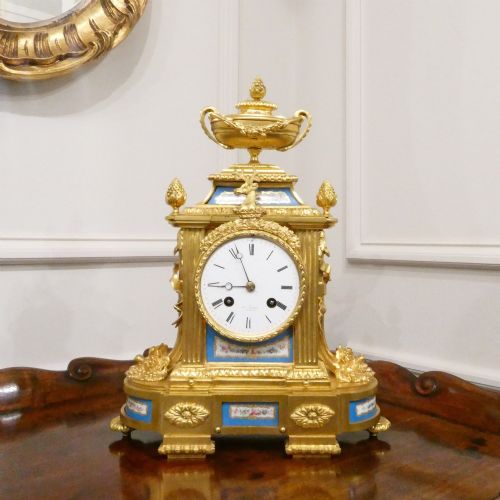
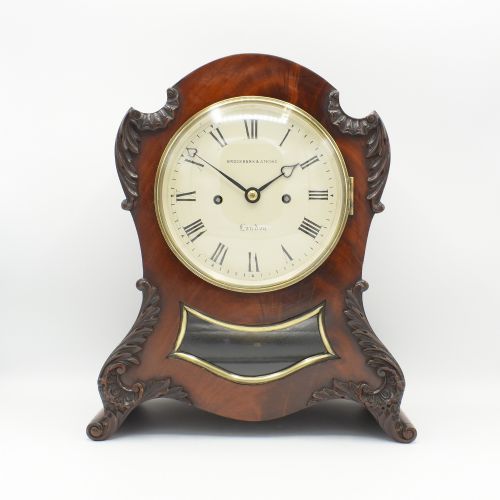
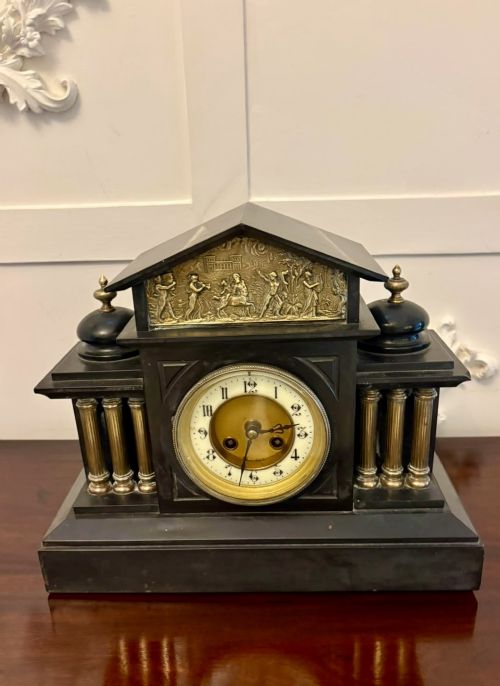
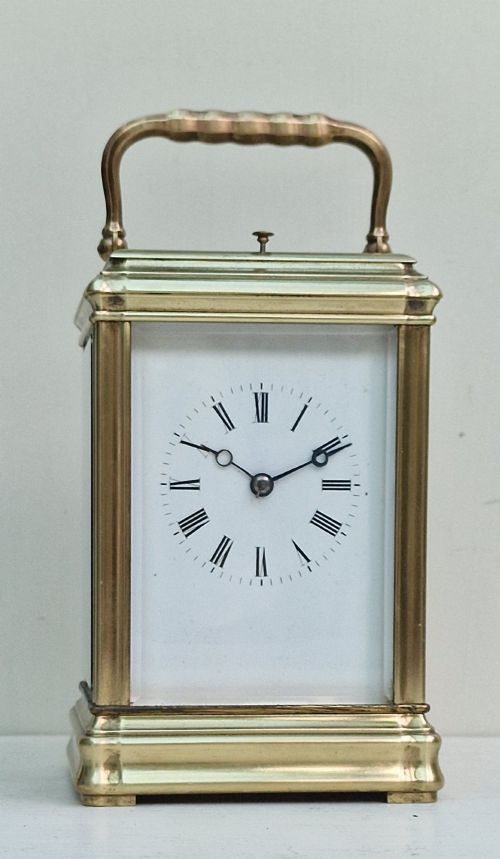
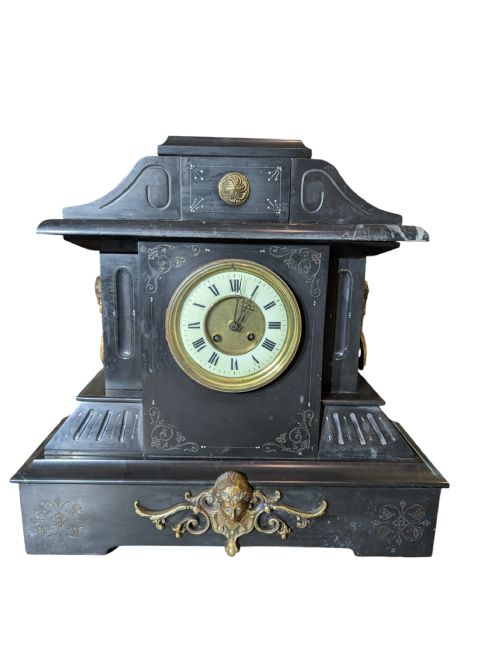
A victorian brass shelf clock encompasses heavy mantel and bracket pieces from the nineteenth century, often merging brass or gilt bronze housings with glass, marble, and enamel dials. The version most commonly encountered on this page combines a brass or gilt metal dial with architectural marble, slate, or wooden cases produced during the Victorian period.
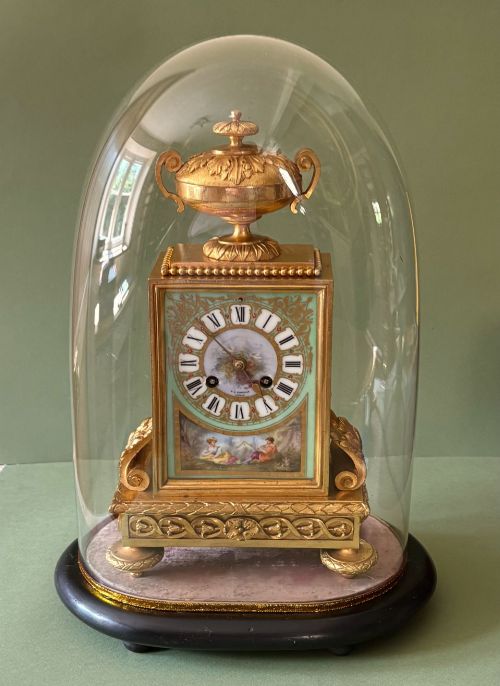
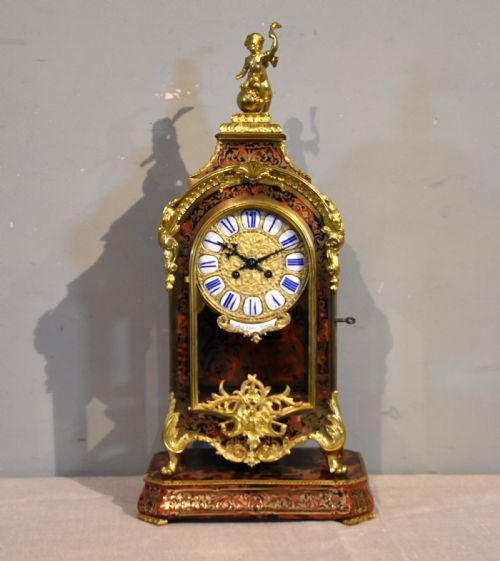
Makers and retailers range from London firms like Howell & James to continental workshops producing Louis XVI and Rococo revival pieces. These timepieces served domestic sitting rooms and formal halls alike, relying on mechanical movements housed in substantial, decorative surrounds.
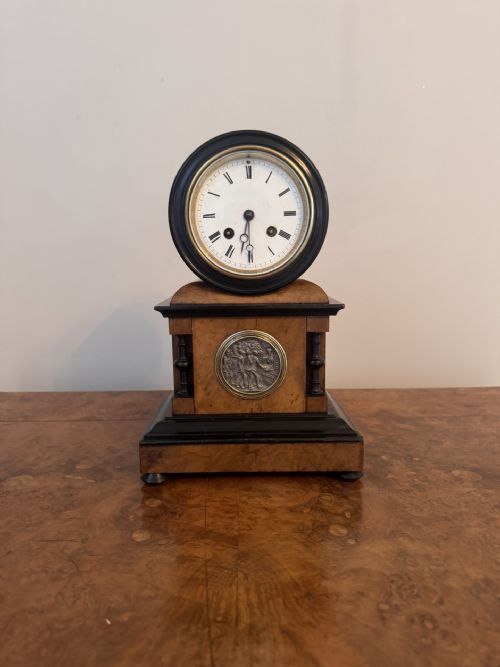
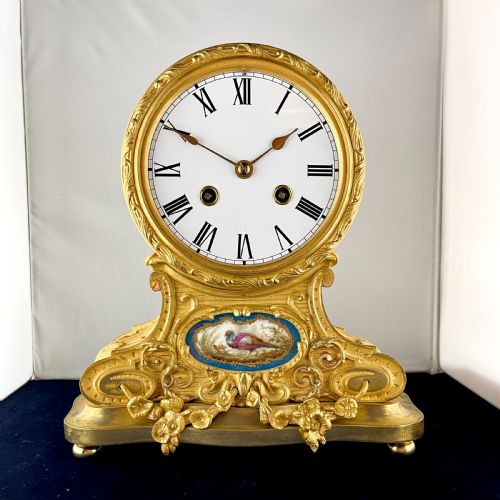
The objects span simpler drumhead designs and four-glass cases to ornate architectural monuments incorporating porcelain plaques and champleve enamel. Their presence on a shelf relies entirely on a mechanical spring or weight movement to drive the hands and strike the hour.
Materials and construction
Constructors relied on heavy brass, gilt bronze, and ormolu cast into intricate frames and bezels, combined with structural elements of black slate, Sienna marble, and ebonised wood. These hard materials provided the structural weight required to stabilise an eight-day mechanical movement without rocking on a shelf.
Enamel, porcelain panels, and glass plates were integrated into the metal frames to protect the dial and show off painted numerals. Cabinetmakers and metalworkers fitted brass movements with steel arbors and escapements, mounting porcelain and champleve enamel directly onto the brass bezels.
Listings feature materials spanning brass, marble, slate, ormolu, and ebonised wood across the nineteenth century.
Judging execution and finish
Quality separates through the crispness of the brass casting, the depth of the gilding, and the hand-painted detail on porcelain dials. Superior pieces display finely chased gilt bronze mounts and weighty marble or slate bodies rather than pressed sheet metal over timber cores.
The integration of the movement dictates long-term performance, where cleanly cut gear trains and signed plates from known makers elevate a piece above standard factory production. A heavier case with substantial glass panels and thick marble slabs indicates a higher grade of nineteenth-century manufacture.
Jean Baptiste Delettrez·Lenzkirch·Henry Marc·Brockbanks and Atkins·Howell and James London·Philippes Paris·Piggin Norwich·Baby and Jannings·Thomas A Paris
The Victorian Brass Shelf Clock Glossary
- Gorge case
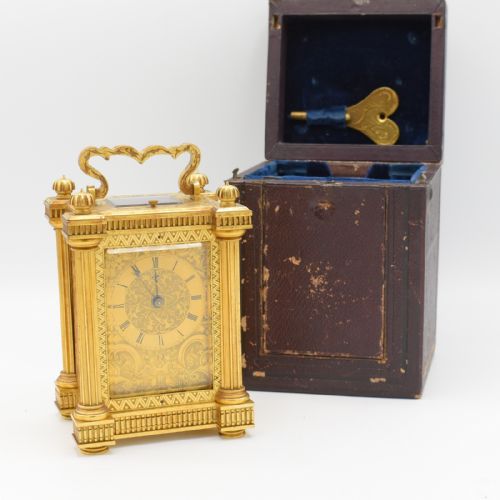
- A specific style of brass carriage clock housing with stepped mouldings on the top plate. This casing style typically indicates mid to late nineteenth-century French manufacture.
- Champleve
- An enamelling technique where troughs are dug into a metal surface and filled with vitreous enamel before firing. It appears frequently on late nineteenth-century brass dials and bezels.
- Four glass clock
- A mantel timepiece enclosed in glass panes on all four sides to display the moving pendulum and escapement. These designs became popular in the later decades of the nineteenth century.
- Drumhead clock
- A timepiece featuring a circular clock head mounted directly upon a rectangular marble or wooden plinth base. This form highlights the metal dial assembly.
- Bracket clock
- A portable mechanical clock originally designed to sit on a wall bracket or furniture shelf. Many examples retain their matching wall brackets in the current selection.
Victorian Brass Shelf Clock: Frequently Asked Questions
How do I wind my clock?
Insert the matching winding key into the winding holes on the enamel dial and turn gently until resistance is felt. Care must be taken not to overwind the mainspring.
Most domestic shelf pieces require attention once a week for standard timekeeping and striking functions.
Where should I place it?
Position the piece on a stable, level surface such as a wooden mantelpiece or heavy sideboard. An unlevel shelf can cause the mechanical escapement to stall.
Keep the clock away from direct sunlight and damp environments to protect the enamel dial and exterior gilding.
How do I date a marble case?
Examine the weight, the foot mounts, and the integration of the brass bezel into the slate or marble body. Architectural styles often reflect French revival tastes popular across the nineteenth century.
Signatures etched onto the brass movement backplate also help anchor the manufacturing decade.
What is an eight day movement?
An eight day movement requires winding only once a week to maintain continuous operation. This mechanism uses a spring-driven barrel or weight drop designed for extended running.
It represents a standard upgrade found in heavier nineteenth-century mantelpieces.