

Victorian Brass Pocket
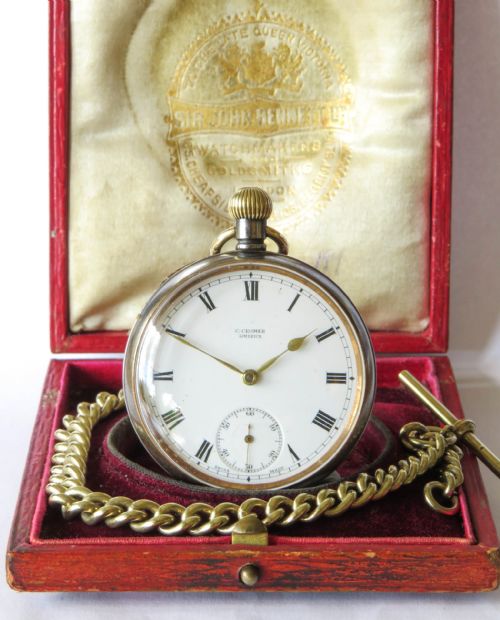
These victorian brass pocket items span portable scientific tools, pocket watches, travel instruments and personal brass containers from the nineteenth century.
Victorian Brass Pocket
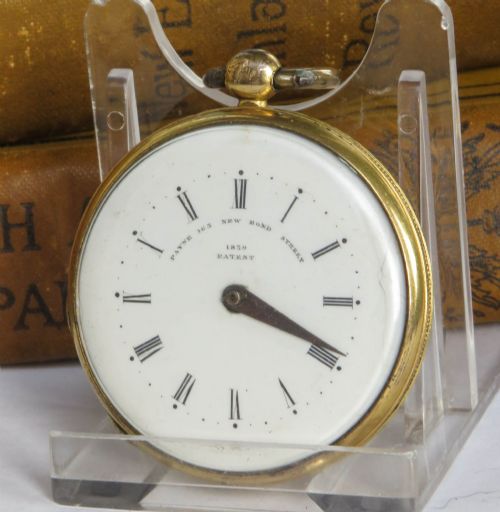
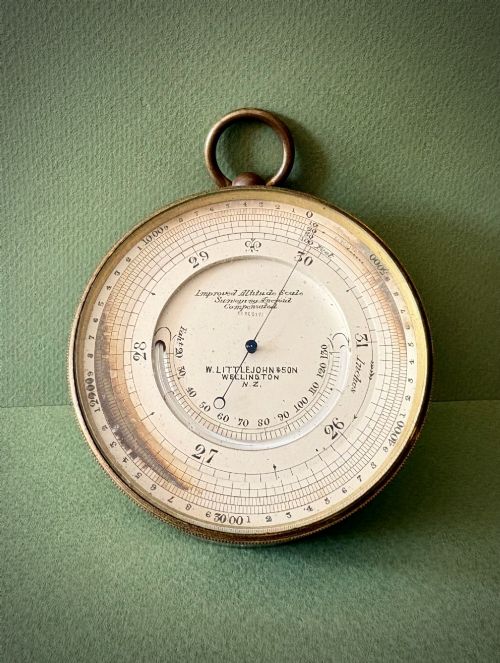
A victorian brass pocket piece encompasses portable scientific instruments, travel timepieces, personal snuff containers and small optical devices designed for portability during the nineteenth century. Buyers searching this phrase most frequently encounter brass pocket barometers, pocket telescopes and small brass-mounted scientific or navigational instruments.
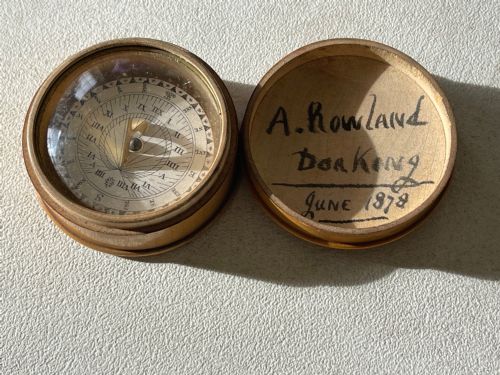
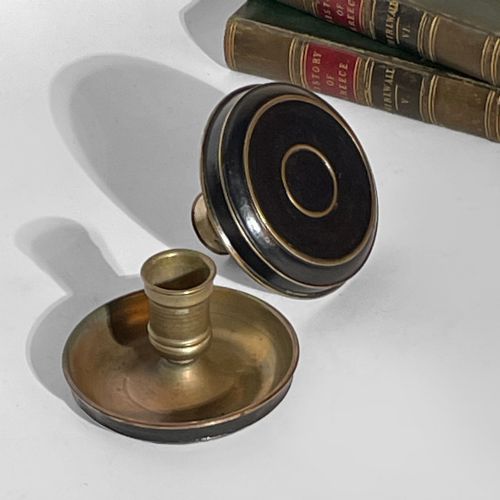
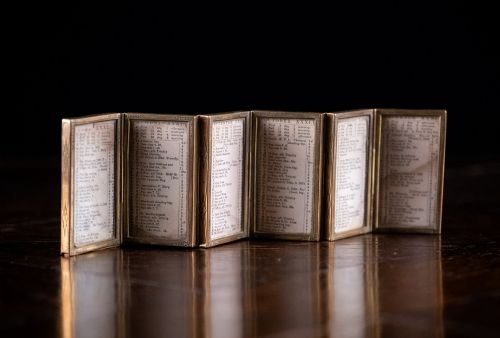
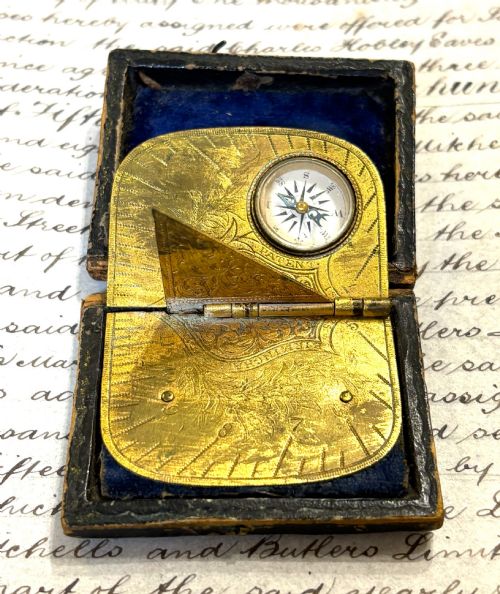
The objects originate primarily from nineteenth-century British, European and American workshops, reflecting an era of expanding personal travel and scientific observation. Common domestic and field items include travelling candlesticks, pocket compasses, miniature almanacs in brass mounts and folding sundials.
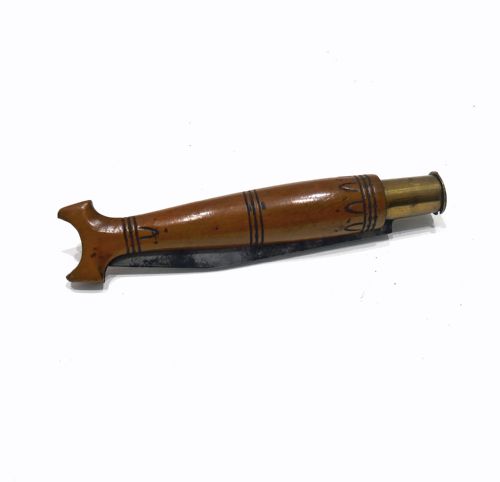
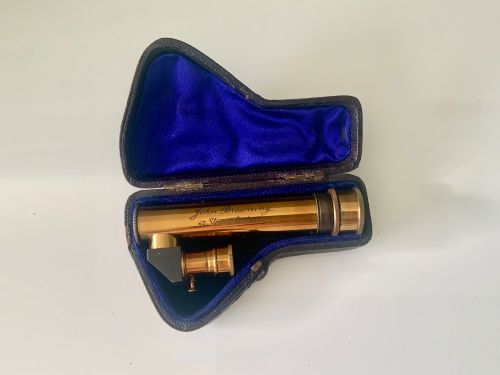
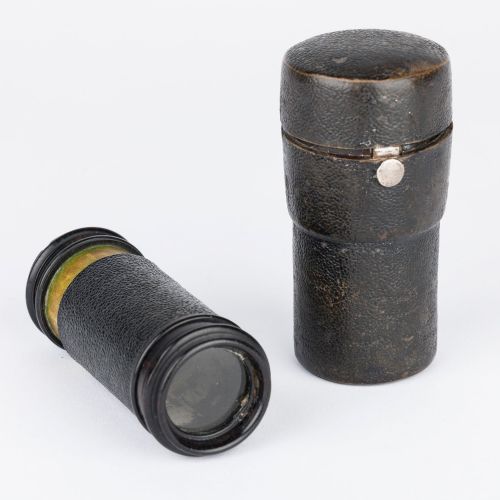
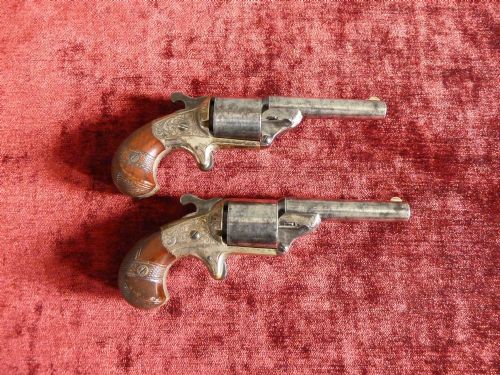
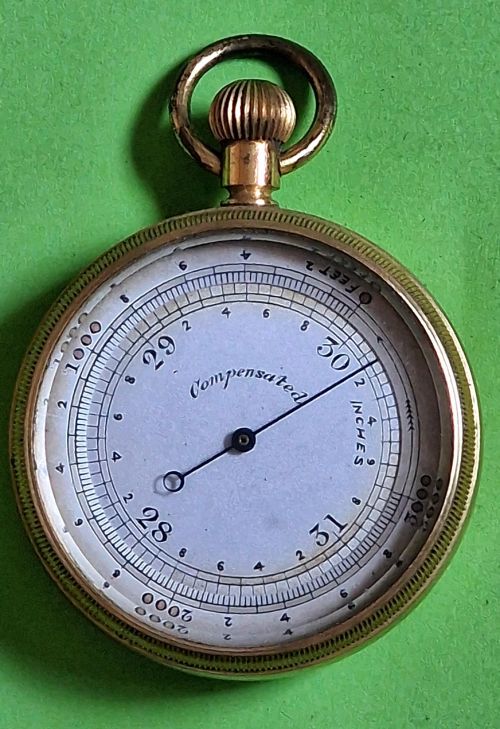
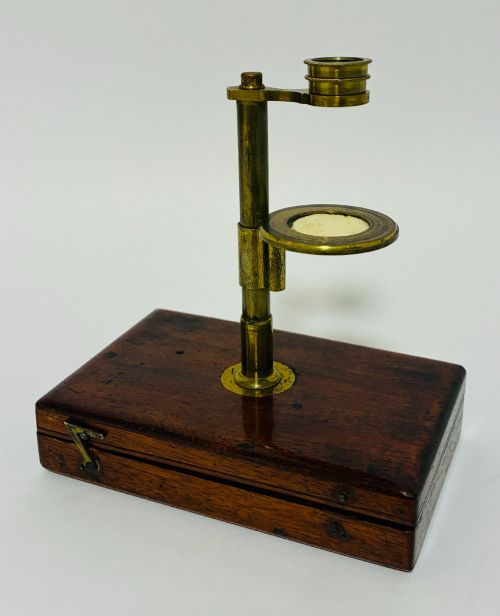
Military, maritime and scientific applications heavily influence the forms found in this category, ranging from pocket altimeters and field microscopes to marine telescopes and pocket revolvers. Their compact nature ensured they could be carried easily in a pocket, bag or travelling case.
Materials and construction methods
Makers relied on brass as the primary structural metal for its durability, corrosion resistance and capacity to hold precise threads on telescoping tubes and instrument bezels. Secondary materials such as leather, mahogany, fruitwood and glass frequently complement the brass work in protective cases, lens elements and instrument bodies.
Construction involved precision machining of metal components, hand-engraving of dials and inscriptions, and the assembly of delicate optical and mechanical parts. Leather casings were often hand-stitched and fitted specifically to the contours of folding instruments or travelling barometers.
Victorian Brass Pocket Retail Price Guide 2026
Typical asking prices for victorian brass pocket among the pieces listed under this phrase on Sellingantiques today, from the lower quarter to the upper quarter. They describe what is for sale here now, not the wider market.
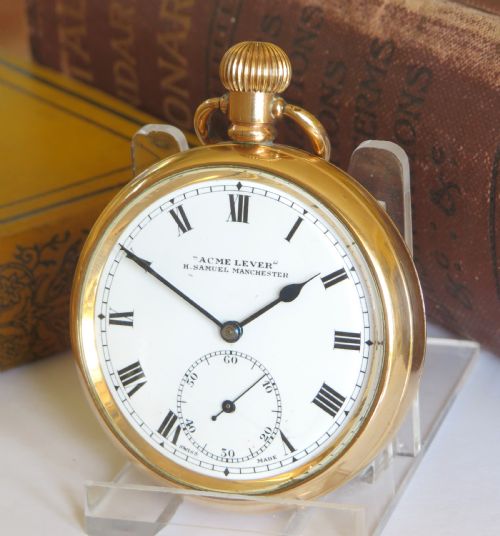
Listings feature 19th-century scientific instruments, telescopes, barometers and pocket watches constructed from brass, glass, leather and mahogany.
Evaluating quality and execution
Quality in these portable items rests upon the precision of the mechanical action, the legibility and crispness of engraved graduations, and the clarity of glass lenses. Finer examples display meticulous assembly, smooth telescoping draws and robust hinge construction that withstands frequent travel.
Maker signatures and inscribed details significantly elevate an item, distinguishing standard commercial production from specialised scientific apparatus supplied by established opticians and instrument makers. The integration of protective materials, such as well-fitted mahogany or leather cases, also indicates the intended tier of original manufacture.
John Browning Strand London·Baker London·H Samuel·Alfred Apps·Stanley London·L Casella London·Francis West·Newton Co
The Victorian Brass Pocket Glossary
- Barometer
- An instrument measuring atmospheric pressure to forecast weather changes. Pocket versions allowed travellers to monitor conditions on the move.
- Theodolite
- A precision optical instrument used for measuring angles in horizontal and vertical planes. Examples from this era featured brass construction and folding tripod mounts.
- Spectroscope
- An optical device used to spectrum-analyse light sources. Nineteenth-century models often incorporated signed brass barrels by prominent London makers.
- Brighton buns
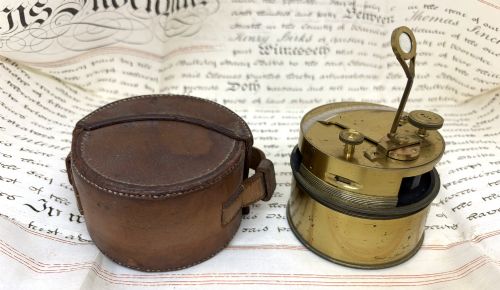
- A colloquial term for travelling candlesticks that unscrew and pack together into a compact circular brass container resembling a bun. They were popular with nineteenth-century travellers.
Victorian Brass Pocket: Frequently Asked Questions
What is a victorian brass pocket item?
These items comprise a diverse range of portable nineteenth-century objects, including pocket barometers, travelling telescopes, scientific instruments and small brass containers.
They were designed for personal use, travel or scientific observation in the field, utilising durable brass housings to protect delicate internal mechanisms.
How were pocket barometers used?
Pocket barometers served travellers, mariners and field scientists as portable indicators of atmospheric pressure changes.
Carried in leather or metal cases, they allowed users to anticipate weather shifts or estimate altitude while away from home.
How do I identify maker signatures?
Makers typically engraved their names and trading addresses directly onto the brass bezels, dials or instrument bodies of scientific devices and timepieces.
Examining these inscriptions alongside the style of lettering helps attribute the piece to specific nineteenth-century workshops.
Are these items meant for travel?
Many of these pieces were engineered specifically for portability, featuring telescoping draws, folding stands or fitted leather and mahogany cases.
Their robust brass construction ensured they could endure the rigours of nineteenth-century journeys.