



Victorian Brass Locked Box
These nineteenth-century containers unite utility and heavy metalwork, offering secure storage wrapped in period timber.
Victorian Brass Locked Box
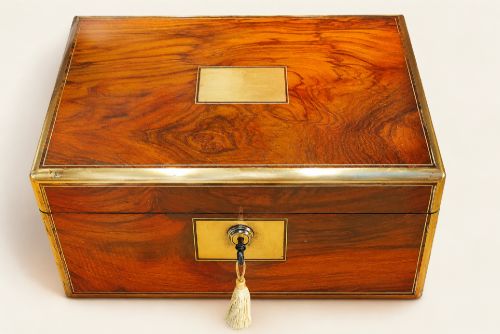
When you search for a victorian brass locked box, you encounter a diverse range of functional receptacles spanning writing slopes, tantalus sets, safety deposit boxes, and dressing cases. The examples seen on this page predominantly date from the Victorian era and the broader nineteenth century, utilising robust timbers like oak, walnut, rosewood, and leather alongside substantial brass mounts.
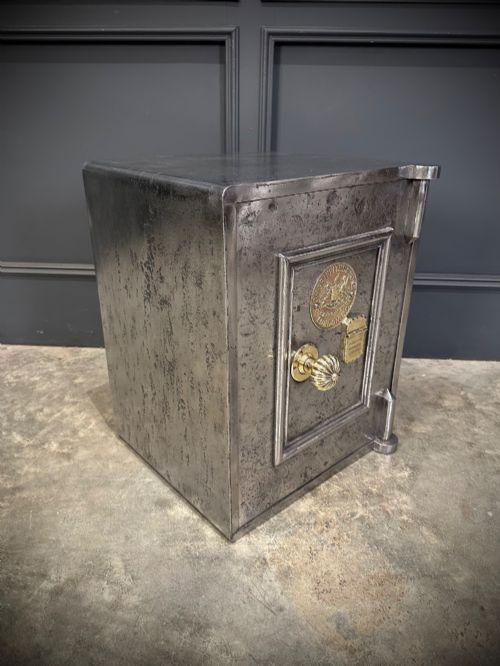
Form follows function closely across these pieces, whether housing stationery in a correspondence box, securing spirits in a bottle tantalus, or protecting valuables within a heavy cast iron safe. Styles range from plain maritime industrial utility to ornate marquetry tea caddies and brass-bound gentleman's cigar cabinets.
Origins are typically English, encompassing domestic items designed for the desk, travel trunks for the carriage, and commercial strong boxes by known safe makers. Buyers find both compact portable cases and substantial floor-standing security furniture fitted with period locks.
Materials and Construction
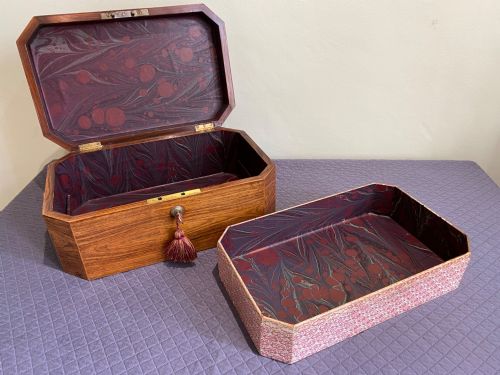
Makers built these containers using dense hardwoods such as oak, walnut, and rosewood, frequently applying decorative veneers like burr walnut or coromandel over solid carcases. Interiors often feature fitted velvet, leather, cut glass decanters, or silver accessories tailored to the specific purpose of the box.
Brass formed an essential structural and decorative component, appearing as heavy binding straps, inset corner brackets, campaign handles, and escutcheons. High-security pieces incorporated cast iron plates and specialised locking mechanisms like Bramah locks to protect the contents.
Joinery methods reflect traditional nineteenth-century cabinet making, with dovetailed carcases and precision-fitted internal compartments often including secret drawers. Leather travel cases and attache luggage relied on heavy stitching and reinforced edges to withstand transit.
Victorian Brass Locked Box Retail Price Guide 2026
Typical asking prices for victorian brass locked box among the pieces listed under this phrase on Sellingantiques today, from the lower quarter to the upper quarter. They describe what is for sale here now, not the wider market.
Listings feature items spanning the Victorian era, Regency period, and early 20th century, constructed from brass, oak, leather, and burr walnut.
Quality Variations
The standard of timber selection and veneer matching largely dictates the grade of a piece, with figured burr walnut and coromandel commanding greater regard than plain domestic oak. The crispness of brass casting and the integrity of corner mounts further distinguish workshop output.
Complexity of internal fittings and the presence of original working locks with keys, particularly branded mechanisms like Bramah, elevate a piece significantly. Complete sets retaining their original cut glass decanters, silver fittings, or secret drawers represent the upper tier of production.
The reputation of the maker influences standing, as specialised safe makers and military outfitters employed heavier gauges of metal and superior locking hardware compared to general domestic manufacturers.
Milners of Liverpool·GEORGE PRICE·Hawkes & Co
The Victorian Brass Locked Box Glossary
- Bramah lock
- A patented high-security lock utilising a cylindrical key and sliding vanes, commonly found on superior nineteenth-century writing slopes and cabinets.
- Tantalus
- A locking beverage stand holding decanters visible but unreachable without the key, typically framed in oak or mahogany with brass handles.
- Writing slope
- A portable desk with a hinged sloping lid that opens to reveal a velvet or leather writing surface, inkwells, and storage compartments.
- Escutcheon
- A protective plate surrounding a keyhole, usually fashioned from brass to reinforce the timber against wear.
- Marquetry
- The art of applying pieces of veneer to a structure to form decorative patterns, often seen on Victorian tea caddies and boxes.
Victorian Brass Locked Box: Frequently Asked Questions
How do I secure these boxes?
Most of these pieces rely on period key-operated mechanisms integrated into the brass hardware. Many retain their original locks, though working keys require careful handling.
For high-security items like strong boxes and safes, heavy lever locks provide the primary defence. Modern replacement keys can sometimes be fitted by specialists if originals are lost.
What were apothecary boxes used for?
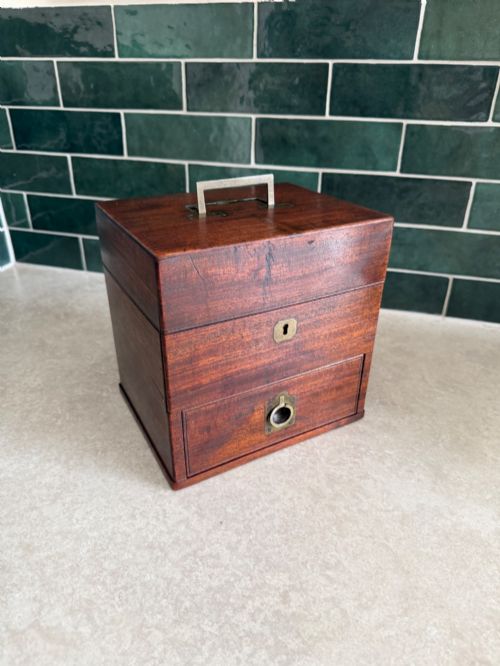
Apothecary boxes served as portable pharmacies for travellers, doctors, or households during the nineteenth century. They housed glass bottles containing medicines, scales, and mixing mortars.
Inside, fitted wooden dividers kept fragile glass vials secure during transit. The robust exterior and lockable lid protected dangerous or valuable compounds.
How do I identify a tantalus?
A tantalus consists of a wooden frame holding two or three cut glass decanters secured by a locking metal bar across their stoppers. This design prevented servants or guests from accessing the spirits without permission.
Originating in the Victorian period, they were commonly displayed on sideboards in dining rooms or studies. Oak and mahogany frames predominated, finished with brass carrying handles.
Can I use a writing slope daily?
These slopes function well for modern desk use, providing a slanted writing surface and interior storage for stationery. The folding design allows you to close away paperwork neatly.
Care should be taken with antique leather or velvet writing surfaces and delicate veneer finishes. Ensure the hinge mechanisms and support struts are treated gently during use.