

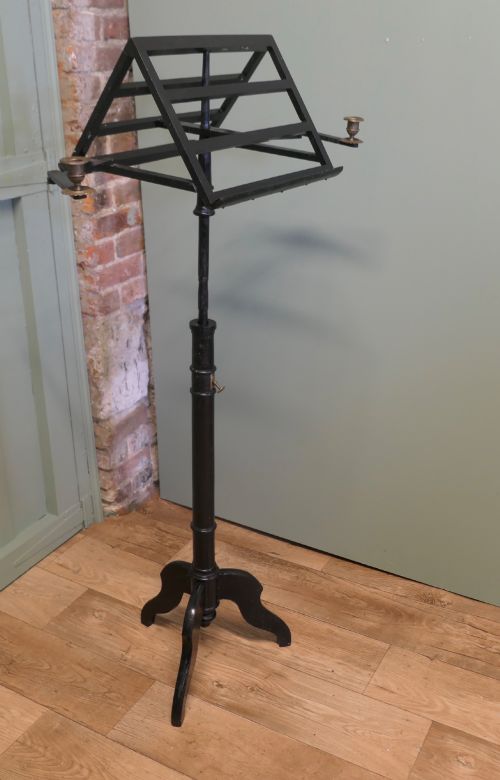
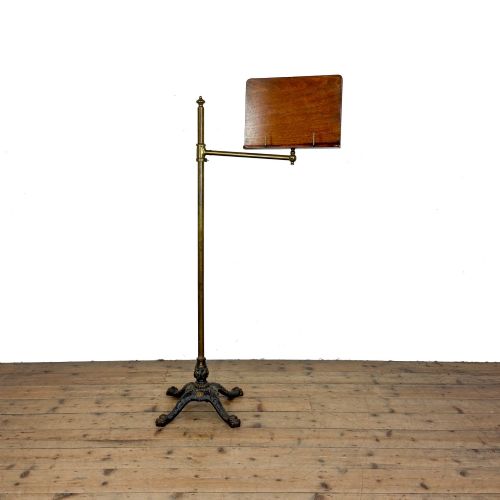
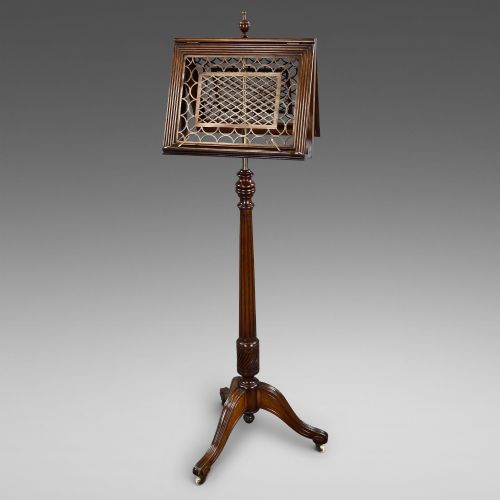
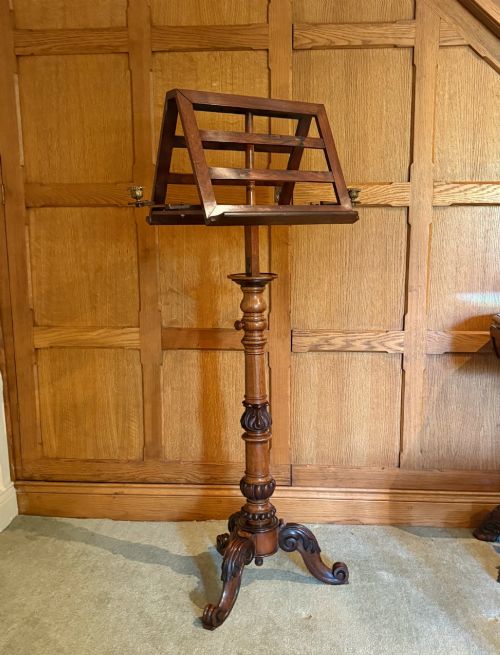




Victorian Brass Lectern
These heavy brass pieces are built for public reading and church use, bringing genuine Victorian gravity into a room.
Victorian Brass Lectern
A victorian brass lectern is a sturdy book rest designed for standing use, often encountered in ecclesiastical settings or heavy libraries from the nineteenth century. These items stand out for their robust metal construction, which provides the stability needed for large service books and folios.
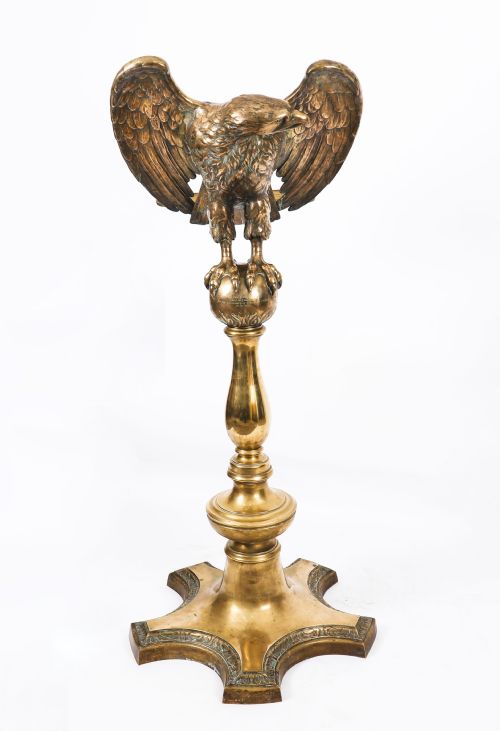
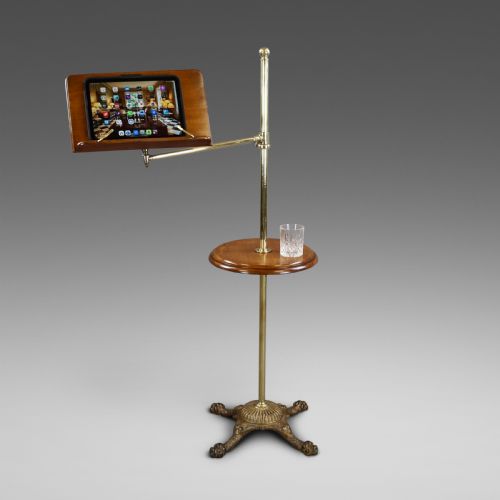
The selections available range from tabletop book stands to towering ecclesiastical eagle forms cast in solid brass. Buyers will also find related reading furniture in mahogany, rosewood, and walnut incorporating brass adjustments and mounts.
Most examples date from the core Victorian decades, though related pieces span from the William IV period into the early twentieth century. Their primary function remains supporting heavy texts at an adjustable angle for a speaker or reader.
Assessing quality and finish
Quality rests in the crispness of the casting work and the weight of the brass components used throughout the frame. Superior examples feature detailed chasing, intricate Gothic Revival ornamentation, or well-engineered mechanical adjustments that operate smoothly.
The integration of mixed materials also defines the better pieces, such as heavy brass book rests mounted onto turned walnut or figured mahogany columns. Finer stands display solid proportions and secure joints without relying on excessive modern reinforcement.
Victorian Brass Lectern Retail Price Guide 2026
Typical asking prices for victorian brass lectern among the pieces listed under this phrase on Sellingantiques today, from the lower quarter to the upper quarter. They describe what is for sale here now, not the wider market.
Some nineteenth-century readers clearly preferred avian assistance, as brass eagles with impressive wingspans still hold the books.
GILLOWS
The Victorian Brass Lectern Glossary
- Lectern
- A tall stand with a sloping book rest designed to hold a book for a standing reader. These often feature an eagle motif in church contexts.
- Gothic Revival
- An architectural and decorative style popular during the nineteenth century, characterised by pointed arches, trefoils, and heavy tracery. Many brass lecterns utilise this aesthetic.
- Folio
- A large book size, or a leather or cloth folder used for holding loose sheets of music and papers. Stands often accommodated these large formats.
- Campaign
- Portable furniture designed for travel, featuring folding elements, brass corners, and flush handles. Some reading stands share this utilitarian construction.
Victorian Brass Lectern: Frequently Asked Questions
Were all these lecterns used in churches?
Many large eagle lecterns and heavy brass reading stands originated in churches and ecclesiastical halls for holding service books. Smaller brass book rests and adjustable stands were equally suited for domestic libraries and studies.
Ecclesiastical pieces tend to be taller and heavier, while domestic variants often integrate timber bases and folding mechanisms for versatility around the home.
Can these stands hold heavy modern books?
Solid brass construction and sturdy cast bases make these stands exceptionally strong and well-suited for heavy volumes. The supporting ledges are designed to bear the weight of large folios, ledgers, and atlases without flexing.
Check the mechanical adjustment screws to ensure they lock the reading angle firmly before placing valuable books on the rest.
What is a Gothic Revival lectern?
Gothic Revival lecterns draw inspiration from medieval architecture, featuring pointed arches, quatrefoils, and ecclesiastical ornamentation. This style was immensely popular during the mid to late nineteenth century for church furnishings.
These pieces often display heavy brass casting work with intricate tracery patterns around the base and book rest.