




Victorian Brass Hardware
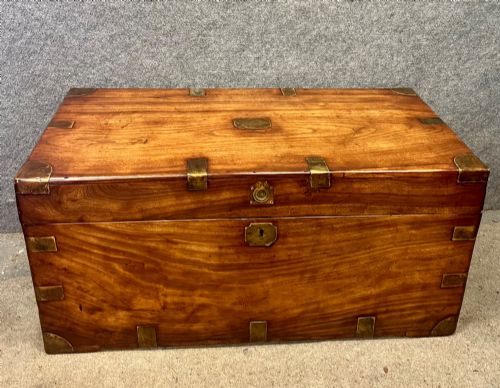
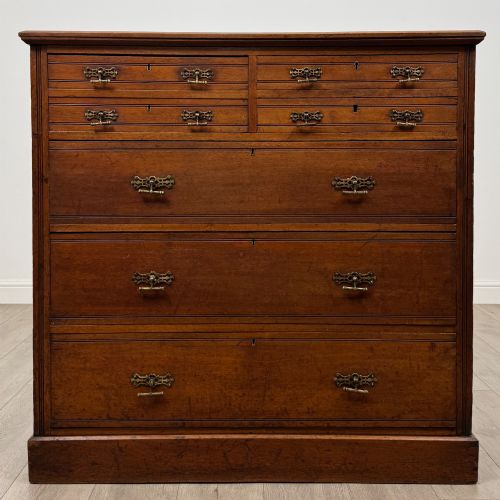
These pieces of victorian brass hardware turn everyday domestic fastenings and architectural fittings into decorative metalwork that gives period character to a home.
Victorian Brass Hardware
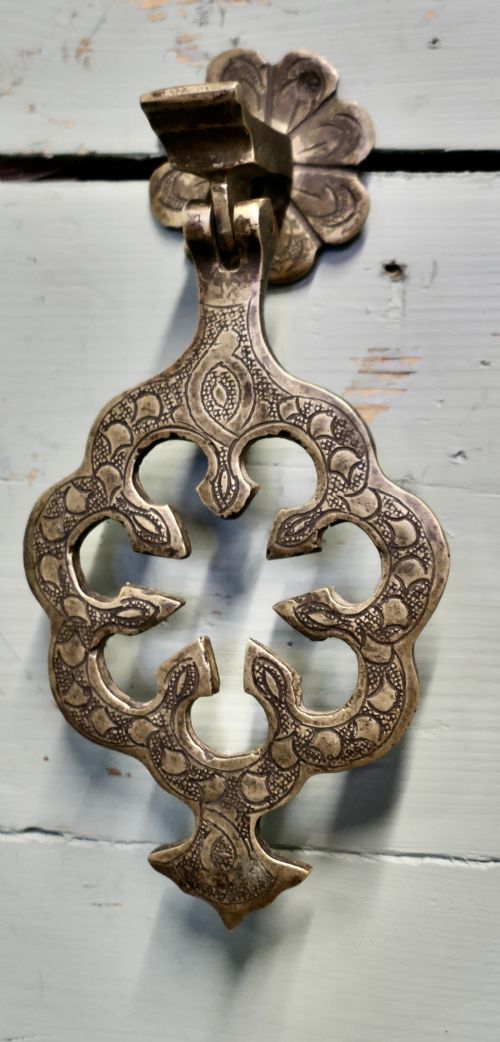
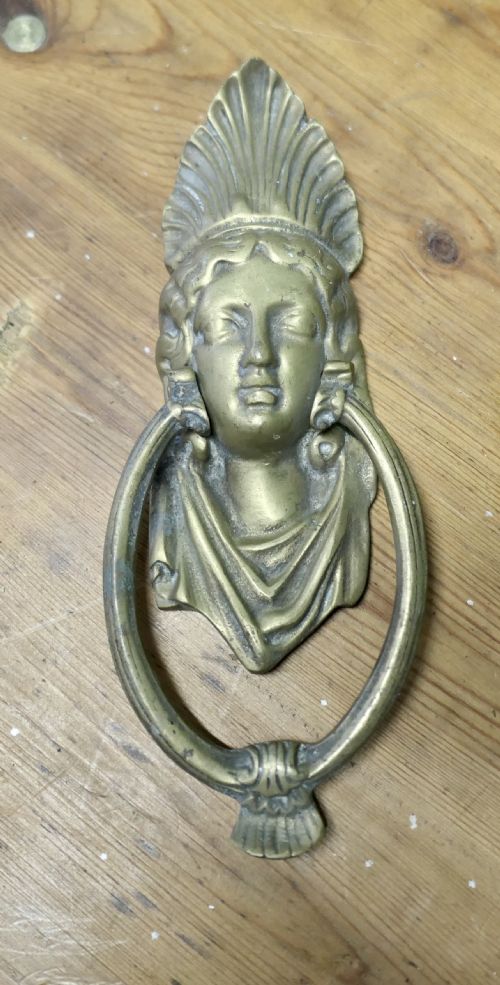
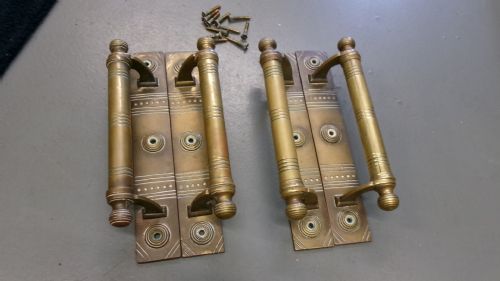
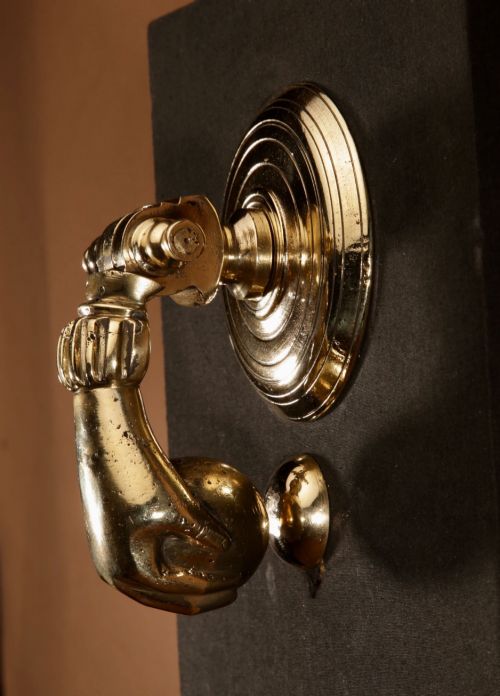
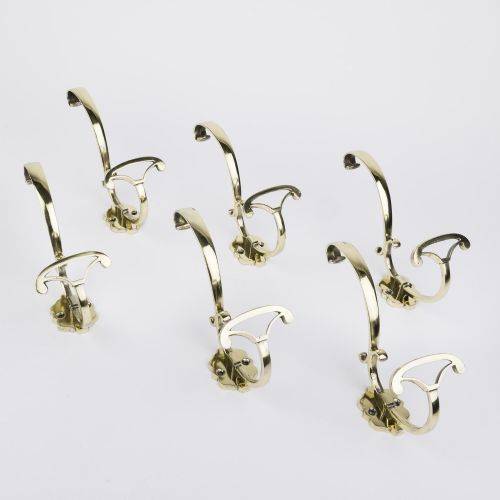
When you search for victorian brass hardware, you encounter utilitarian metal fittings transformed by nineteenth-century design into ornamental accents for doors, walls, and windows. These pieces range from heavy entry knockers and centre door knobs to pairs of coat hooks, finger plates, and curtain tiebacks.
The versions most commonly met on this page originate from the nineteenth century and the early twentieth century, spanning styles from French Rococo Revival and Victorian Gothic to Arts and Crafts. They serve both a practical function in daily operation and a decorative role in interior detailing.
Makers and manufacturers of the period utilised durable base metals to produce items that endured decades of daily contact. Surviving examples demonstrate the shift from simple utilitarian production to more artistic expressions in domestic metalwork.
Materials and Working Methods
The listings record solid brass, cast brass, and gilded bronze as the principal metallic materials utilised for durability and visual warmth. Makers employed casting techniques to shape intricate motifs such as lion masks, caryatids, hands, and foliate scrolls.
Surface treatments included fire gilding for ormolu finishes and polished highlights that contrasted with recessed patinated areas. Combinations of brass mounts with materials such as blue glass, lead crystal, china, and oak added texture and colour to functional items.
Victorian Brass Hardware Retail Price Guide 2026
Typical asking prices for victorian brass hardware among the pieces listed under this phrase on Sellingantiques today, from the lower quarter to the upper quarter. They describe what is for sale here now, not the wider market.
Factors of Quality
Quality in these items rests upon the crispness of the casting and the depth of the chased or finished detail. Finer examples display sharp definition in sculptural elements like figural knockers and intricate foliage, whereas lower grades show softened edges from worn moulds.
The integrity of the original mountings, fixings, and associated materials also determines the standard of a piece. Well-preserved surfaces retain their original patination and gilding without excessive modern repolishing that strips away historic character.
The Victorian Brass Hardware Glossary
- Ormolu
- A gilded bronze or brass finish applied to decorative metalwork. This technique imparts a bright golden lustre popular in nineteenth-century French and revivalist interior fittings.
- Caryatid
- A sculpted female figure serving as an architectural support. In hardware, this form often appears as the structural shaft of a door knocker.
- Pelmet
- A framework placed above a window to conceal curtain fixtures. Victorian examples in gilt brass or wood often match associated hardware in a room.
- Finger Plate
- A protective metal panel fixed beside a door handle to prevent finger marks on the wood. These plates frequently incorporate decorative cast brass patterns.
- Pew End Rail
- A metal bar or rail fitted to church seating. These rails are often cast in brass with gothic motifs or barleytwist designs.
Victorian Brass Hardware: Frequently Asked Questions
How do I clean old brass hardware?
Maintenance depends on whether you wish to preserve the aged patina or restore a bright metallic shine. Gentle washing with warm soapy water removes accumulated surface grime without harming the historic metal.
Avoid harsh chemical abrasives that strip away the natural oxidation accumulated over the decades. A soft cloth helps maintain the polished highlights on raised cast details.
Are these door knockers suitable for modern exterior use?
Most pieces were originally designed for durable daily operation on nineteenth-century doors. Solid brass and bronze constructions withstand standard weathering when installed correctly.
Consider the weight and projection of larger figural knockers before fitting them to lighter contemporary doors. Ensure that fixing screws match the historic gauge of the backplate holes.
How can I date my brass hardware?
Dating relies on stylistic clues, manufacturing techniques, and the specific material combinations recorded across the period. Gothic Revival and Rococo Revival forms point towards the mid-to-late nineteenth century, while cleaner lines often suggest later Arts and Crafts influences.
Maker stamps, registry marks, or association with known firms provide more precise chronological markers. Comparing the casting quality with documented sample boards helps confirm the era of production.
Can I match antique hardware with modern doors?
Mixing period metalwork with contemporary interiors adds character and tactile contrast to a room. Centre door knobs and coat hooks function effectively in modern settings when securely anchored.
Take precise measurements of existing screw spacings and door thicknesses to ensure proper alignment. Remember that older fixings may require minor adjustments to fit contemporary joinery standards.