

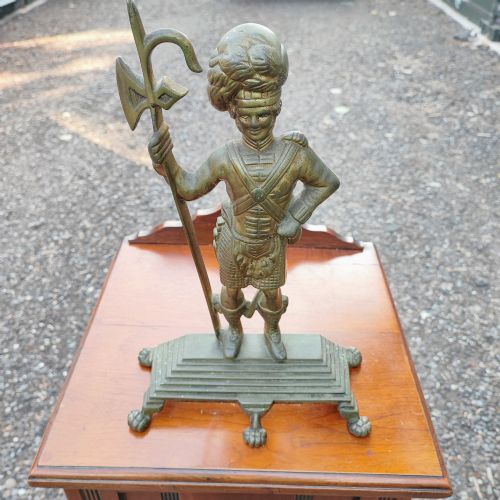

Victorian Brass Figure
These Victorian brass figure pieces bring solid nineteenth-century weight and character to a room through cast metal work and utilitarian charm.
Victorian Brass Figure
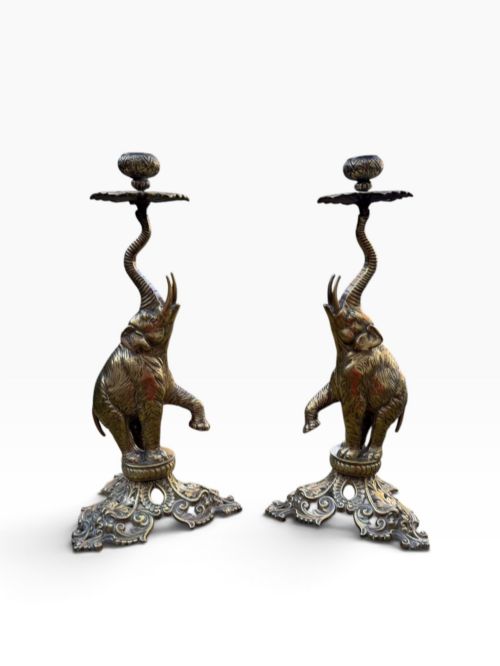
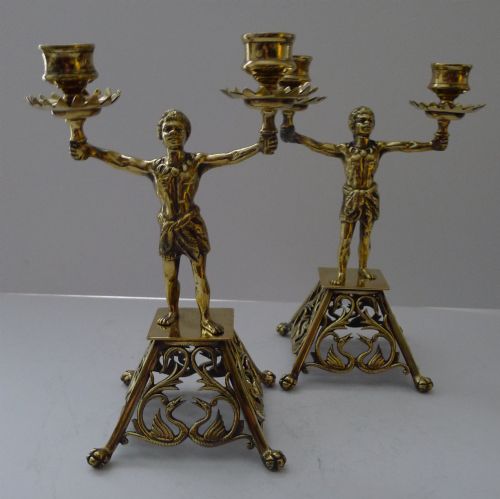
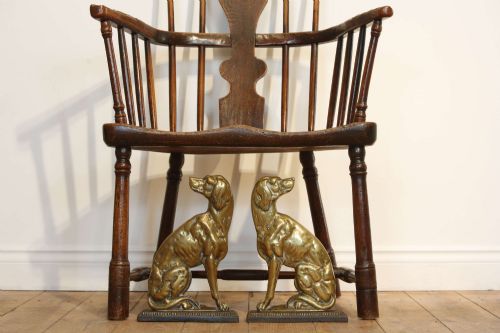
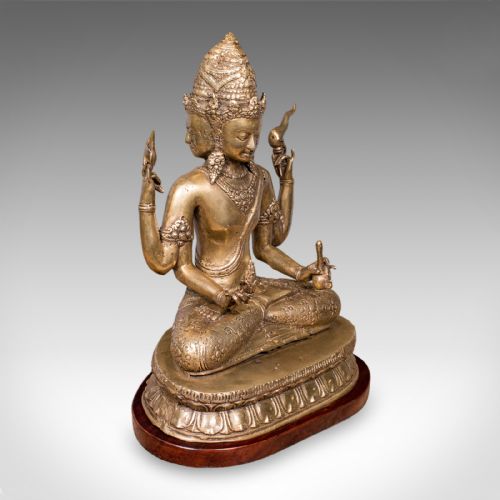
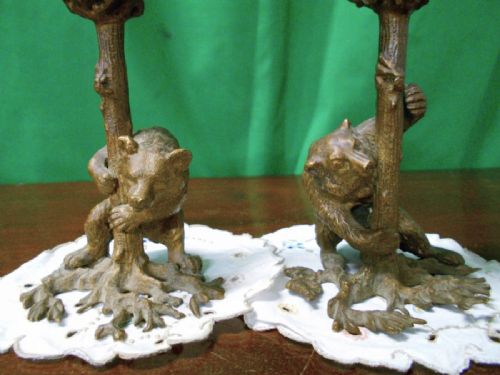
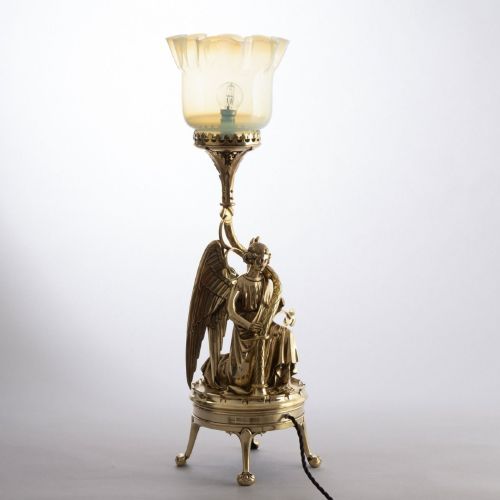
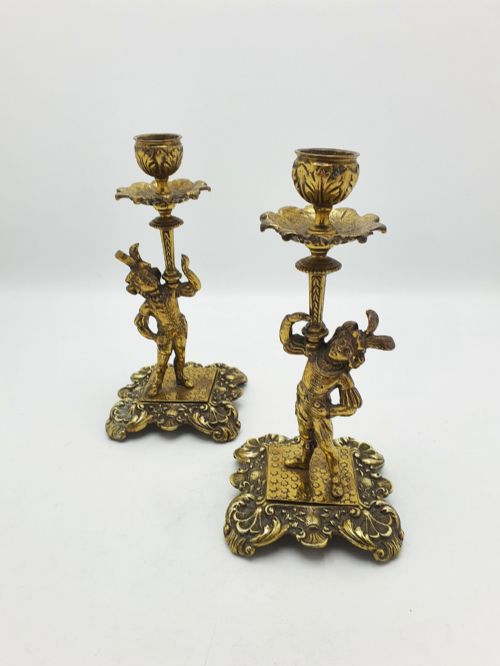
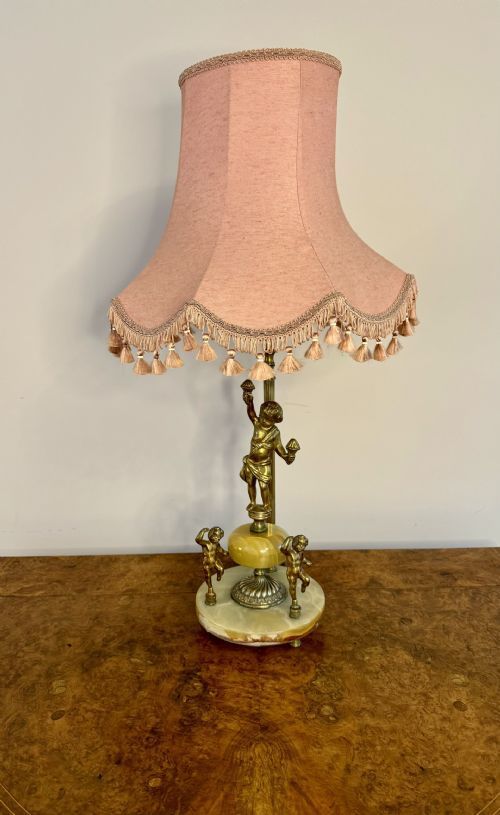
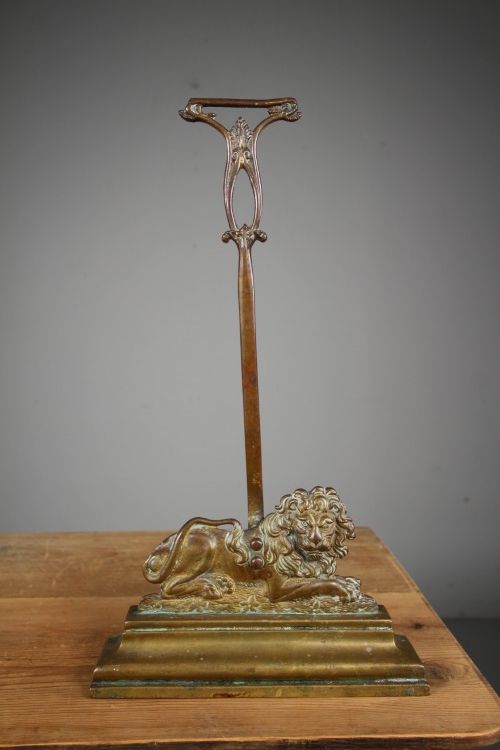
When searching for a victorian brass figure, buyers encounter utilitarian and decorative objects shaped as animals, soldiers, and historical persons from the nineteenth century. The listings on this page draw heavily from heavy domestic items like doorstops, bookends, and figural candlesticks produced during the Victorian period.
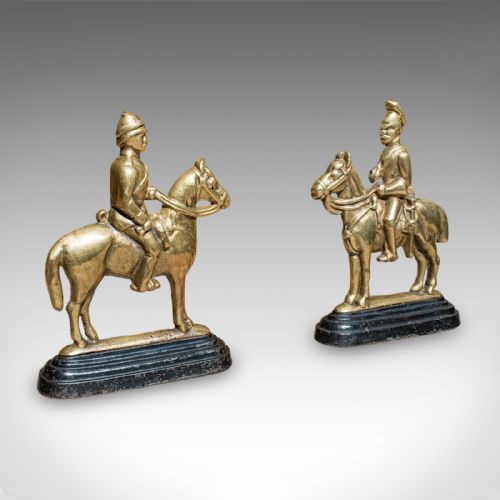
Beyond straightforward animal doorstops representing hunting dogs, lions, and horses, the selections include figural nutcrackers and mounted horse riders. These items bridge the gap between practical household hardware and decorative nineteenth-century sculpture.
The aesthetic reaches across domestic spaces, moving from heavy brass door porters depicting figures like Lord Nelson and Scottish soldiers to tabletop accessories and cast ornaments. Each piece reflects the Victorian appetite for turning functional objects into detailed miniature sculpture.
Materials and construction
The primary material is cast brass, providing the heavy weight and durability required for items like doorstops and candlesticks. Founders poured molten brass into sand moulds to create the distinct shapes of animals and human figures, often finishing the surfaces with hand-chasing to sharpen details.
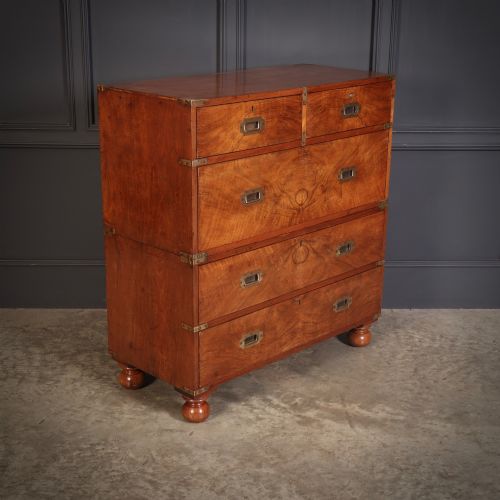
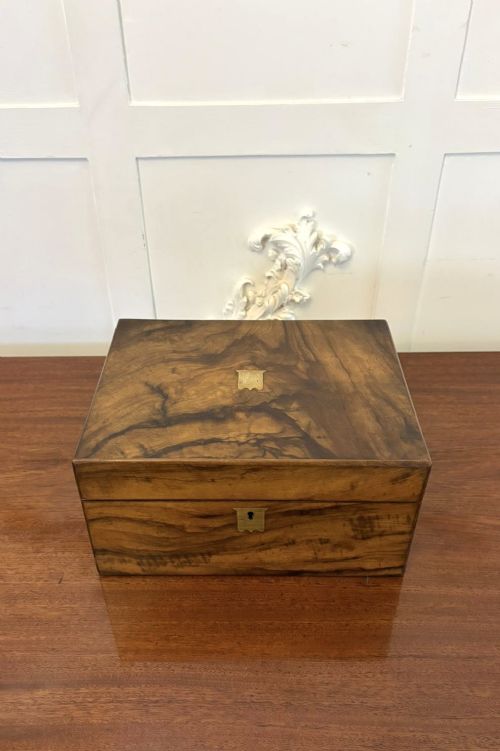
Many items combine brass with secondary materials such as figured walnut bases, glass inserts, or marble components to add structural contrast. Cabinet makers and metalworkers joined these elements using traditional fixings, pairing cast metal figures with polished timber boxes and desks.
Victorian Brass Figure Retail Price Guide 2026
Typical asking prices for victorian brass figure among the pieces listed under this phrase on Sellingantiques today, from the lower quarter to the upper quarter. They describe what is for sale here now, not the wider market.
Victorian households happily invited heavy brass dogs, soldiers, and Lord Nelson to live permanently on their floors as door porters.
Assessing quality
The integrity of the construction also dictates standard, particularly where brass elements are mounted to wooden bases or paired with functional hardware. Solid weight, secure joints, and well-preserved surface patination indicate a higher standard of original manufacture.
George Betjemann·Samuel Alcock
The Victorian Brass Figure Glossary
- Doorstop
- A heavy utilitarian object designed to hold interior doors open. Nineteenth-century examples often take the form of cast brass animals or historical figures.
- Cast brass
- Molten alloy poured into a mould to form solid objects. This technique allowed Victorian founders to mass-produce detailed figures with substantial weight.
- Chasing
- The manual tool-finishing of metal surfaces after casting. Artisans used small punches to sharpen details and clean up lines on the figure.
- Patina
- The surface sheen and colour acquired by metal over decades of handling and exposure. Natural patination marks genuine age in nineteenth-century brass.
Victorian Brass Figure: Frequently Asked Questions
What is a victorian brass figure used for?
Most of these pieces served practical domestic purposes, functioning as doorstops, bookends, nutcrackers, or heavy candlesticks in nineteenth-century households. Their solid metal construction allowed them to withstand daily wear while providing decorative charm.
Today, buyers continue to use them for their original functions, such as propping heavy doors or supporting books, while appreciating their sculptural qualities as mantel or shelf ornaments.
How do I identify a nineteenth-century piece?
Examine the weight, surface colour, and casting definition of the metal to gauge its age. Nineteenth-century brass typically exhibits a deeper, warmer patination and heavier sand-casting than modern reproductions.
Look closely at the underside or fixing points for hand-cut screws, peg construction, and wear patterns that confirm period manufacture rather than later replication.
Where should I place these items at home?
These pieces suit rooms where their weight and solid proportions anchor the interior scheme, such as hallways, studies, or living spaces. Doorstops sit naturally on the floor by heavy timber doors, while smaller figures work well on desks and bookshelves.
Keep them away from damp environments to preserve the surface finish of both the brass and any accompanying wood or fabric elements.
How do I clean brass figures safely?
Dust the surface regularly with a soft, dry cloth to prevent grime accumulation in the recesses of the casting. Avoid harsh chemical polishes that strip away the aged patination collected over the decades.
If cleaning is necessary, use a mild soap solution on a damp cloth, drying the metal thoroughly afterwards to maintain the stable surface finish.