



Victorian Brass Decoration
Victorian brass decoration brings enduring shine and heavy craftsmanship into a room.
Victorian Brass Decoration
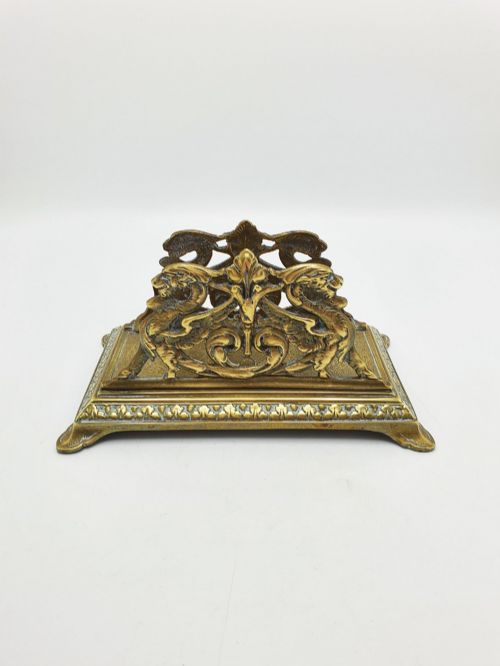
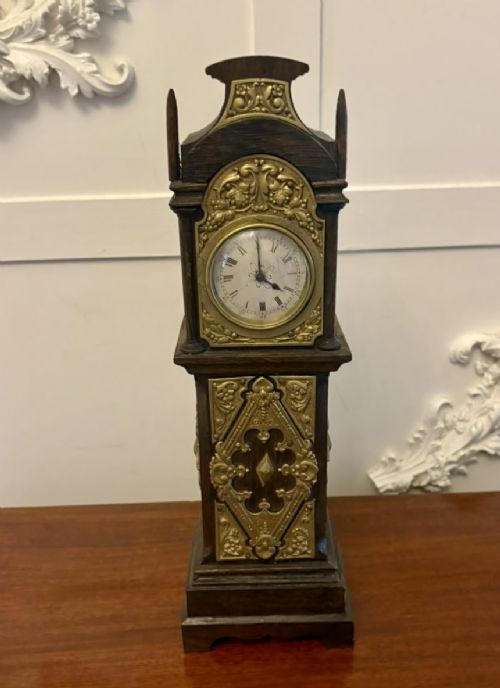
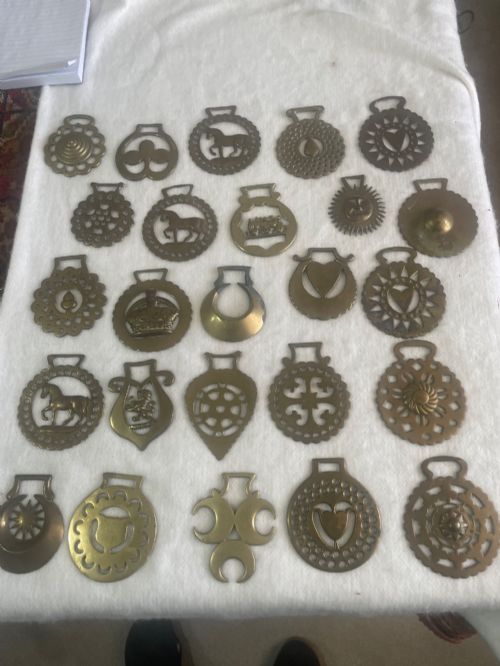
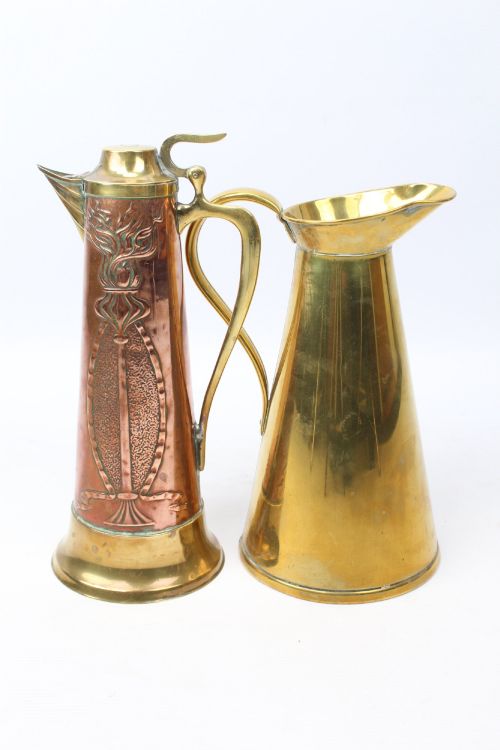
Victorian brass decoration encompasses a diverse group of domestic objects, furnishings, and architectural fittings produced during the nineteenth century and adjacent periods. These items range from utilitarian fireplace accessories and horse brasses to ornamental clocks, ewers, and furniture mounts designed to catch the light.
The objects appearing on this page reflect a broad stylistic vocabulary spanning Victorian, Art Nouveau, Gothic, and exotic revivals. Buyers encounter everything from small functional desk pieces to substantial mounted items that brought warmth and texture into period interiors.
How these pieces were made
Makers utilised cast and sheet brass, frequently pairing the golden metal with copper, wood, oak, or leather to create contrast in domestic items. Gilt bronze and cast iron elements appear alongside primary brass components, reflecting varied manufacturing methods of the era.
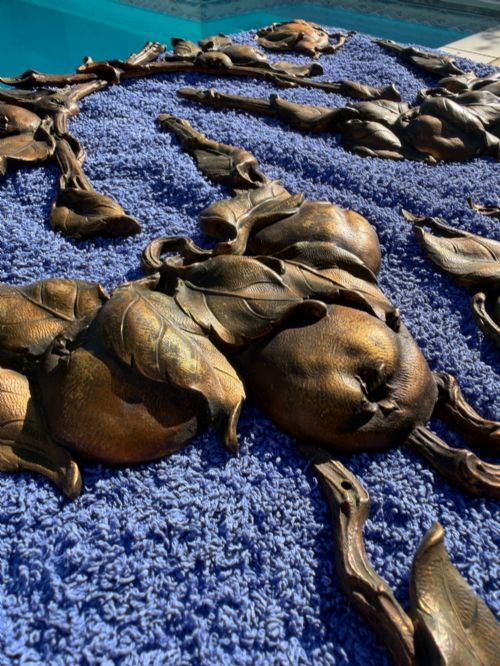
Surface finish was achieved through manual processes, evident in hand-carved and chased detailing on bronze vases and engraved patterns on horse brasses. Many pieces relied on simple mechanical joins or rivets to secure mounts and handles to their wooden or metal bodies.
Victorian Brass Decoration Retail Price Guide 2026
Typical asking prices for victorian brass decoration among the pieces listed under this phrase on Sellingantiques today, from the lower quarter to the upper quarter. They describe what is for sale here now, not the wider market.
Listings incorporate materials spanning copper, gilt bronze, leather, and oak alongside traditional brass.
What varies in quality
The standard of a piece depends heavily on the crispness of its casting and the depth of its hand-chased or engraved surface details. Weaker examples show soft edges and superficial stamping, whereas superior items display deliberate weight and precise finishing by skilled hands.
Material integrity and the survival of original components also dictate the standard across different categories. Pieces retaining untouched patination and complete matching mounts stand apart from those altered or overly polished over time.
Poix Blin
The Victorian Brass Decoration Glossary
- Chased decoration
- Ornamentation applied to metal surfaces by hammering and punching with small tools rather than cutting away material. This technique creates textured relief patterns without losing metal volume.
- Gilt bronze
- Bronze that has been coated with a thin layer of gold or gold amalgam to impart a bright, rich finish. It resists tarnishing better than standard brass.
- Horse brass
- A polished brass plaque traditionally mounted on heavy horse harness straps. These pieces often feature stamped motifs depicting animals, royalty, or local emblems.
- Applique
- An ornamental fitting attached to the surface of furniture or walls. They are frequently cast in brass or bronze to accent woodwork.
- Perpetual calendar
- A mechanical device designed to show the day and date correctly over a span of years without manual resetting at the end of short months.
Victorian Brass Decoration: Frequently Asked Questions
What is Victorian brass decoration?
Victorian brass decoration refers to ornamental and functional metalwork produced during the nineteenth century, including cast mounts, household utensils, and display items.
These pieces utilised copper alloys to add reflective warmth and decorative detail to period interiors.
How were these brass items used?
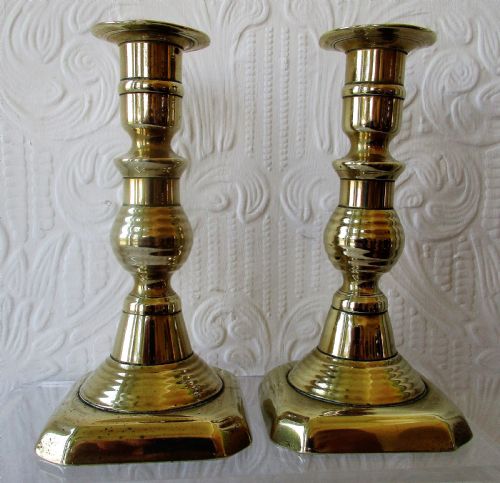
Many items served practical domestic purposes, such as tending fires, measuring time, or holding candles, while others were purely decorative.
Harness brasses adorned working horses, and desk accessories organised writing materials in studies.
How do I care for antique brass?
Antique brass requires minimal intervention to preserve its historical surface and natural oxidation over time.
A soft dry cloth is usually sufficient for dusting, avoiding harsh chemical polishes that strip away age.
How can I tell the period?
Dating relies on observing manufacturing techniques, fastening methods, and stylistic cues unique to nineteenth-century design revivals.
Cast marks, hand-finished chasing, and the specific composition of associated materials like oak or leather help anchor pieces in time.