


Victorian Brass Ceiling Light
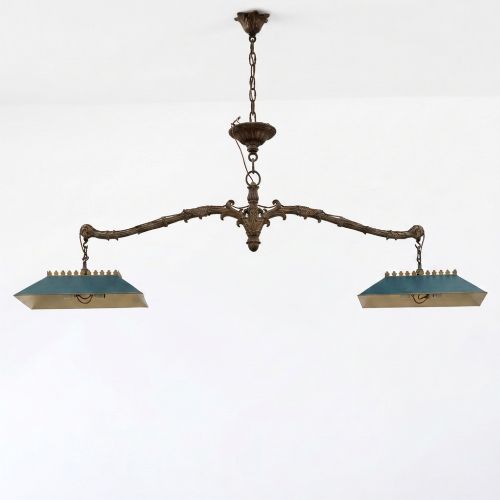
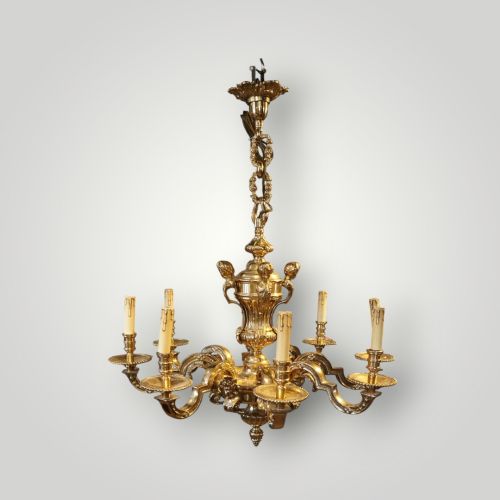
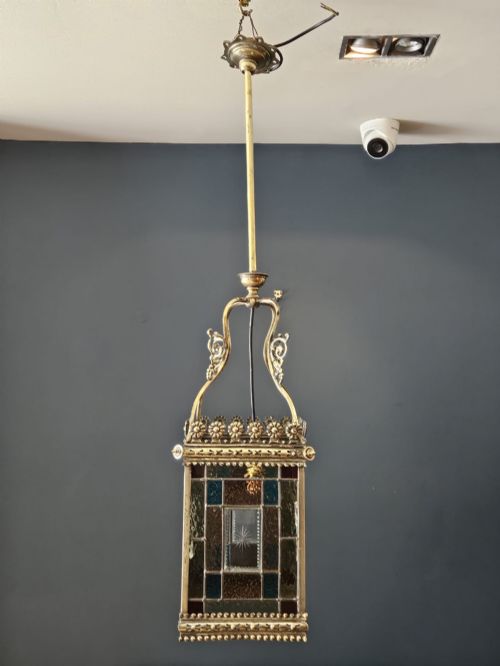
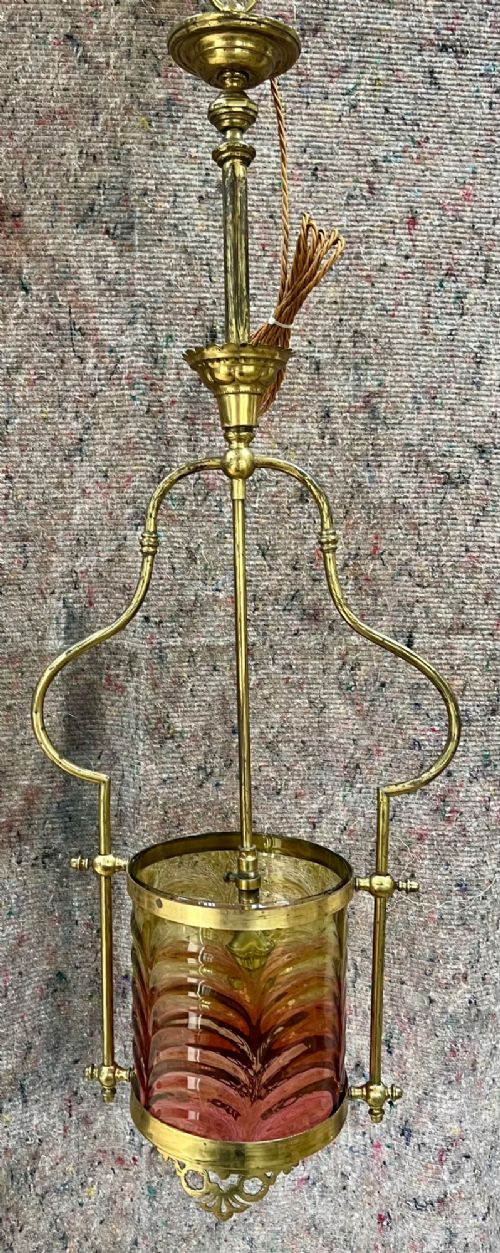
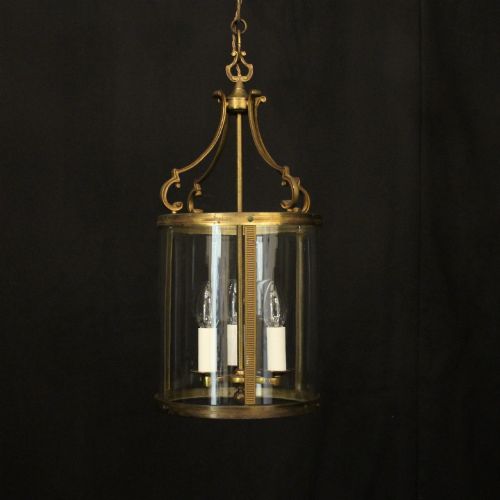
A victorian brass ceiling light brings substantial weight and warm metallic reflection to high rooms, combining sturdy metalwork with decorative glass.
Victorian Brass Ceiling Light
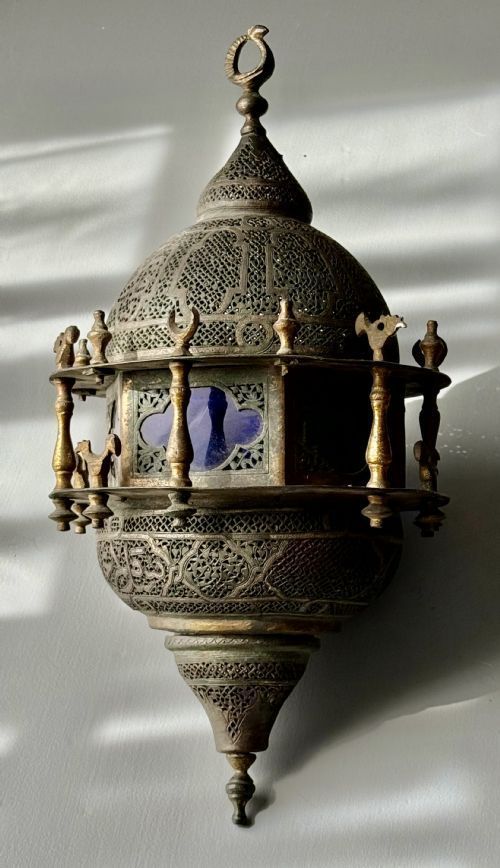
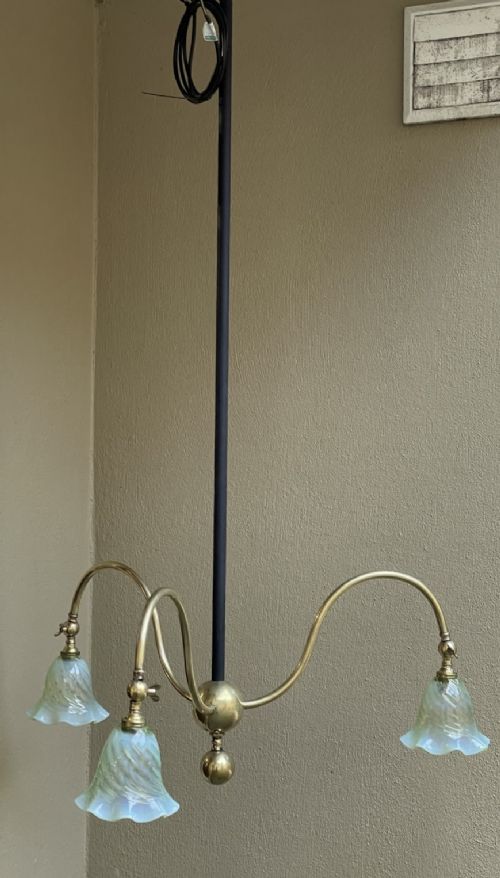
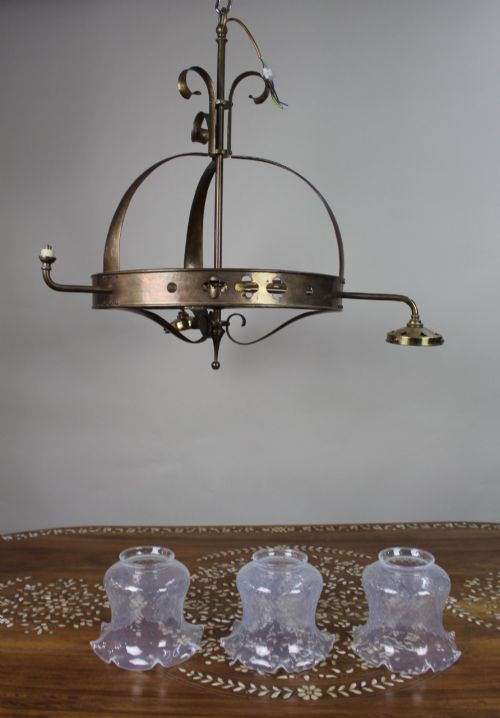
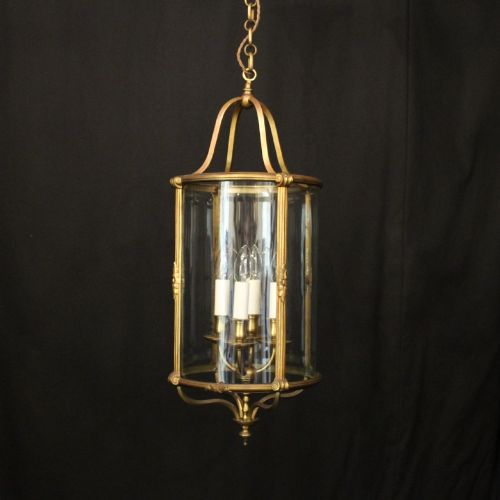
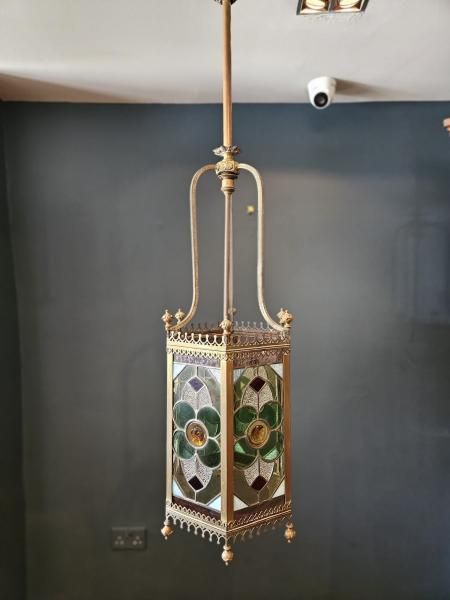
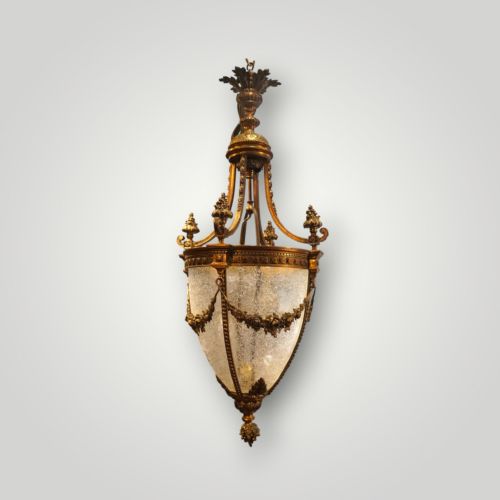
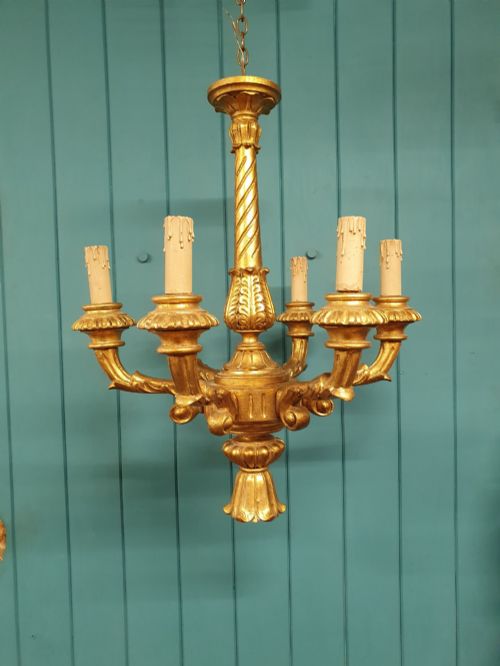
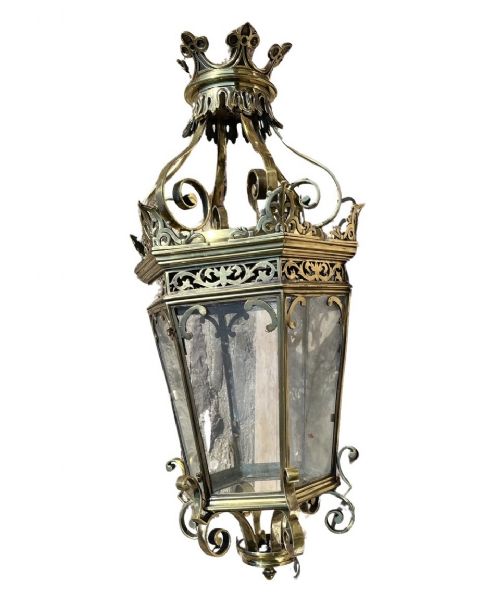
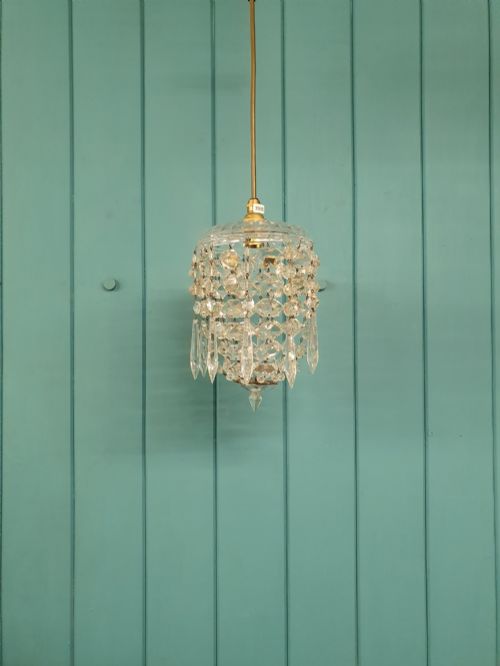
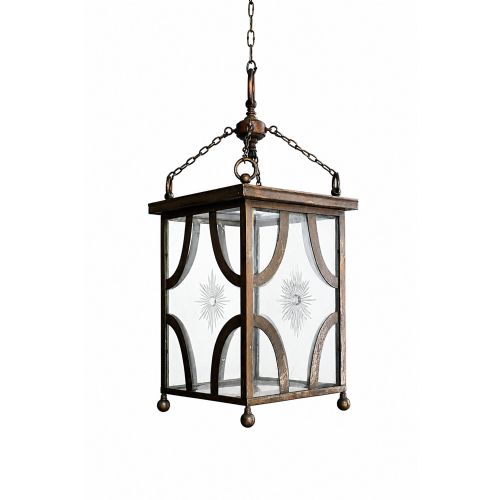
When buyers search for a victorian brass ceiling light, they encounter a range of fixtures including hall lanterns, multi-arm chandeliers, and gasoliers spanning the nineteenth century and the Edwardian era. These pieces originate from British and French workshops, utilising robust metal frames designed to suspend from ceilings in grand hallways, billiard rooms, and parlours.
The most common versions on this page are brass lanterns framed with leaded or stained glass, alongside multi-armed gasoliers and pendant lights adapted from earlier gas or paraffin systems. Styles stretch from restrained Victorian designs and Gothic Revival to French chateau influences and Arts and Crafts simplicity.
Materials and Construction
Makers utilised brass, bronze, and gilded bronze for structural frames, combining them with cut glass, crystal, opalescent glass, and leaded panels to diffuse illumination. Metal components were cast, hammered, or turned, then assembled with mechanical joints and screws to support heavy glass elements.
Decorative detailing incorporates applied motifs such as lion masks, cherub arms, and leaf designs, while specialised burners and gas poles indicate the original lighting methods of the period.
Victorian Brass Ceiling Light Retail Price Guide 2026
Typical asking prices for victorian brass ceiling light among the pieces listed under this phrase on Sellingantiques today, from the lower quarter to the upper quarter. They describe what is for sale here now, not the wider market.
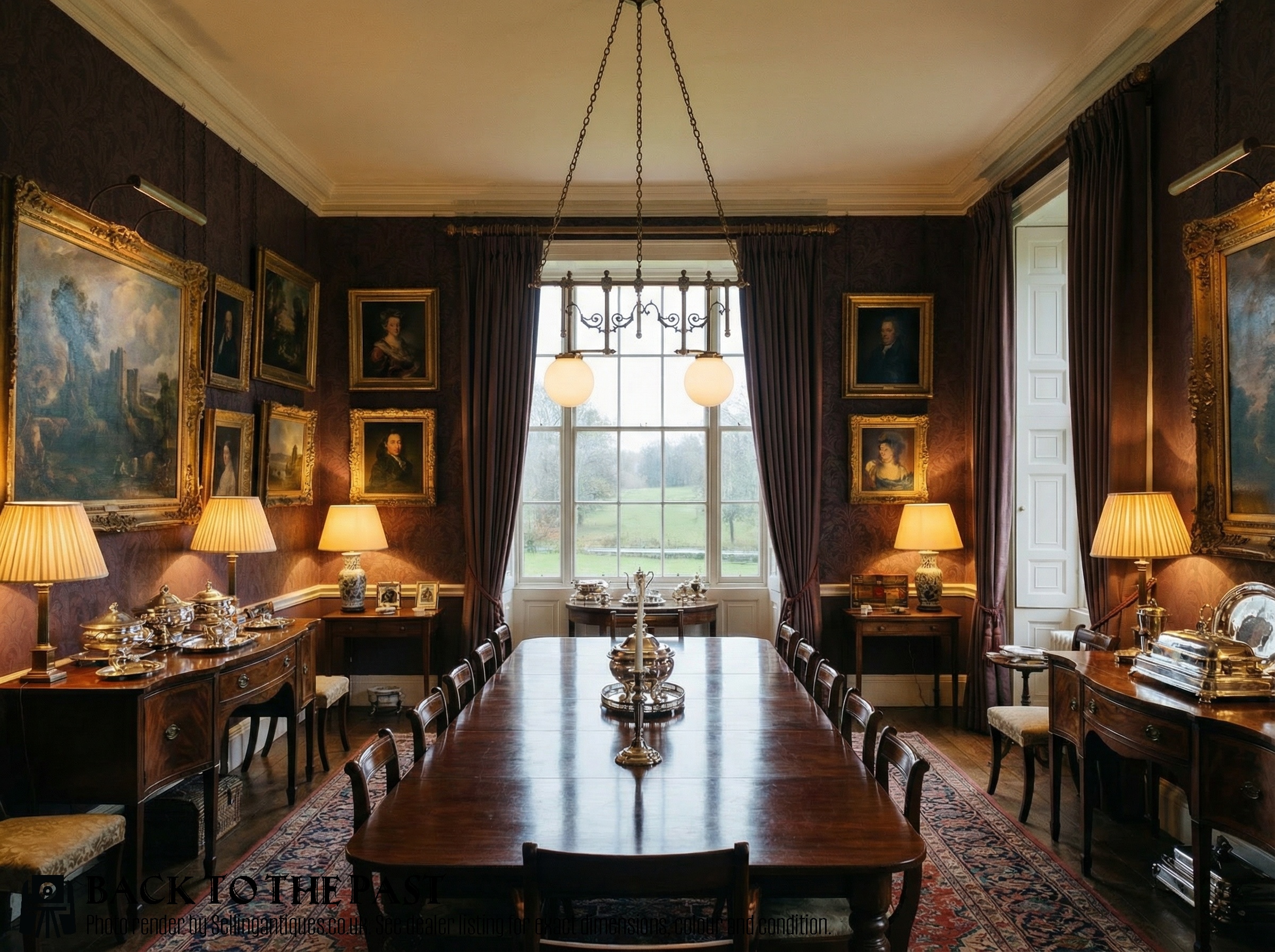
Lion masks peer down silently from nineteenth-century metal rings, guarding the shadows above the dining table.
Craftsmanship and Proportion
Quality separates through the crispness of metal casting, the weight of the brass frame, and the clarity or complexity of the glass shades and crystal drops. Finer examples display intricate hand-chasing on bronze surfaces and robust structural engineering that supports heavy hexagonal or multi-tiered glass forms without sagging.
The integration of original decorative components, such as specialised burners, matching coloured or etched glass shades, and balanced proportions, elevates an ordinary functional fitting to a piece of superior decorative merit.
Osler
The Victorian Brass Ceiling Light Glossary
- Gasolier
- A branched ceiling light fixture originally designed to burn coal gas, often featuring hollow arms and key valves.
- Pendant light
- A hanging lighting fixture suspended from the ceiling by a single cord, chain, or rigid rod.
- Plafonnier
- A bowl-shaped ceiling light fixture mounted flush or semi-flush against the ceiling surface.
- Hinks burner
- A specific type of duplex oil burner mechanism commonly found on late nineteenth-century paraffin lamps.
- Holophane
- A brand of prismatic glass shade engineered to direct and diffuse light efficiently.
Victorian Brass Ceiling Light: Frequently Asked Questions
How do I hang a heavy brass lantern safely?
Heavy brass and glass fixtures require direct anchoring into ceiling joists using rated steel hooks and appropriate fixings to support the combined weight of metal and leaded glass.
Professional electrical installation ensures the internal wiring safely manages the load and meets current safety standards.
Can these gasoliers be converted to electricity?
Most antique gasoliers and paraffin lamps are adapted for modern electrical wiring by running contemporary flex through the original hollow gas channels.
This conversion preserves the historic exterior appearance while allowing standard modern bulbs to illuminate the piece.
What rooms suit a large hall lantern?
Large brass lanterns suit high-ceilinged entrance halls, stairwells, and vestibules where vertical space allows the fixture to hang freely at an appropriate height.
Their enclosed glass sides protect the light source from drafts while casting warm reflections across architectural details.
How do I clean antique brass and glass?
Dust brass and glass components gently with a soft, dry cloth to remove surface particles without disturbing historical patina or aged finishes.
Avoid abrasive chemical polishes that strip the natural darkening built up on nineteenth-century metal surfaces over decades.