
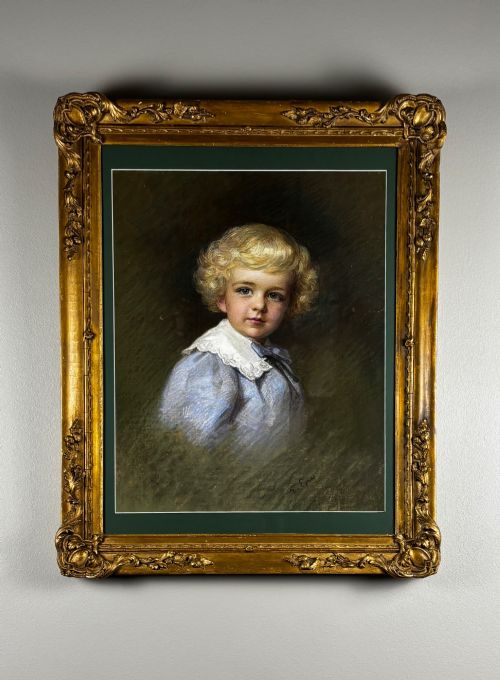
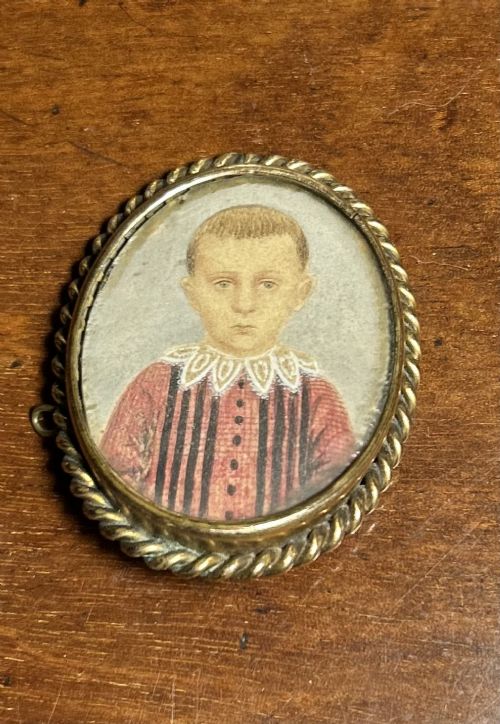


Victorian Boy Portrait
A victorian boy portrait captures youthful character through the skilled hand of nineteenth-century painters and makers.
Victorian Boy Portrait
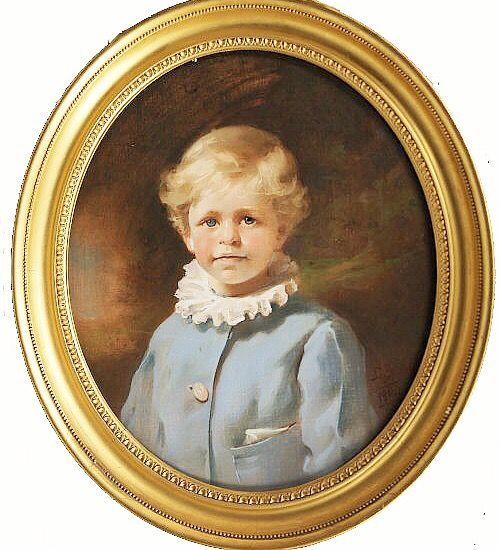
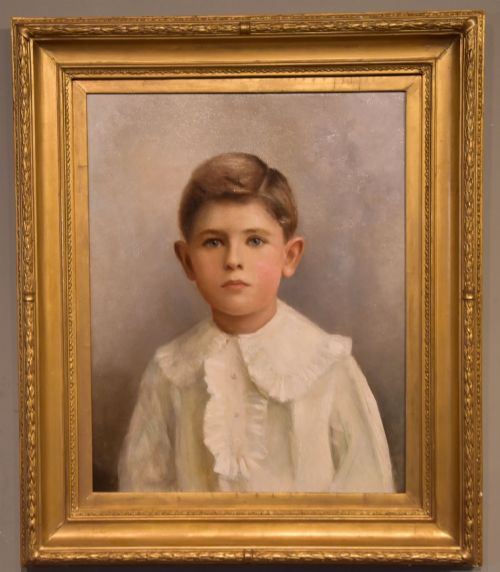
A victorian boy portrait brings nineteenth-century children into domestic spaces through framed paintings, watercolours, pastels, and miniature brooches. Buyers encounter oil on canvas works alongside delicate paper watercolours and pencil studies dating from the Regency era through to the early twentieth century. Provincial English schools, Italian schools, and named artists contribute diverse interpretations of youth, ranging from naive renderings to impressionist canvases.
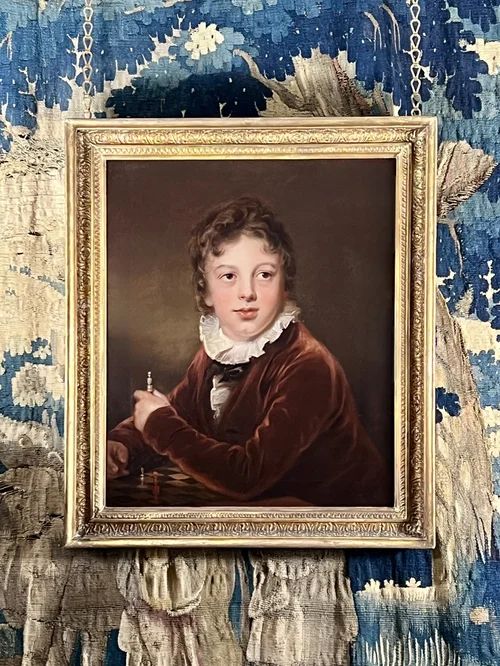
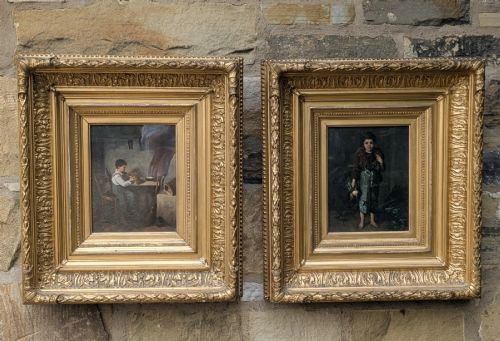
The subjects appear alone or accompanied by dogs, setters, birds' nests, and books, reflecting the everyday interests and domestic life of the period. Framed in giltwood or simple wood, these works preserve the likenesses of young subjects recorded by contemporary hands. The selection spans formal commissions and informal genre scenes, such as paperboys, young chess players, and children interacting with pets.
Evaluating Quality and Execution
Quality rests in the draughtsmanship and the artist's ability to render the psychological depth and natural posture of the child. Superior works demonstrate confident brushwork, accurate anatomical proportions, and harmonious colour palettes that bring vitality to the subject's expression. Naive or provincial pieces possess charm through simpler execution, whereas works by noted artists display sophisticated handling of light, shadow, and background detail.
The integrity of the medium also dictates value, with untouched original oil surfaces and well-preserved watercolours holding greater artistic merit. Frame craftsmanship contributes to the overall presentation, with period giltwood frames enhancing the visual weight and historical context of the painting.
Several young boys share their canvas space not just with family, but with attentive dogs and inquiring birds.
Leon Sprinck·Emily Eyres·Mieczyslaw Leon Zawiejski·Henry Scott·George F. Harris
The Victorian Boy Portrait Glossary
- Oil on Canvas
- Pigments bound in a drying oil applied to a stretched woven fabric support. This technique allows for rich blending of colours and durable longevity.
- Watercolour
- A paint consisting of water-soluble pigments applied to paper. It yields translucent washes that capture delicate light effects.
- Giltwood
- Wood carved and coated with a thin layer of gold leaf or metallic powder. It provides decorative framing for paintings and mirrors.
- Pastel
- A dry medium composed of powdered pigment and a binder formed into sticks. It produces velvety textures and soft gradations of tone.
- Portrait Miniature
- A small, highly detailed painting designed for personal keeping or wear. Examples from this tradition frequently appear set inside jewellery brooches.
Victorian Boy Portrait: Frequently Asked Questions
What periods do these portraits cover?
The works span the nineteenth and early twentieth centuries, encompassing the Regency era, the Victorian period, and Edwardian times. Dates extend from the early 1800s through to approximately nineteen ten.
Most pieces cluster around the mid to late nineteenth century, reflecting the peak of domestic portraiture in oil and watercolour.
How were these portraits originally displayed?
Paintings were framed in wood or giltwood and hung in domestic reception rooms, parlours, and studies. Smaller pieces, such as miniature watercolours, were sometimes worn as personal jewellery items like brooches.
They served as family keepsakes and commemorations of childhood, preserving the likeness of young family members for future generations.
Are all the subjects identified?
Many portraits remain anonymous depictions of children, created by provincial or school artists without recorded names for the sitters. Other works specifically name their subjects, such as Viscount Castlerosse or Margaret Sarah Carpenter.
Signed pieces and attributed works provide a clearer link to the artist, though naive and school pieces often rely on stylistic clues for attribution.
What accompaniments appear with the boys?
The boys are frequently depicted with animals, including dogs, setters, and pets, or interacting with nature such as birds' nests and butterflies. Educational and leisure activities also feature, including books for learning to read and chess boards.
These elements provide narrative context, illustrating the hobbies, pets, and daily pursuits typical of nineteenth-century childhood.
How do oil and watercolour portraits differ?
Oil paintings on canvas offer greater texture, deeper colour saturation, and a robust surface that withstands the test of time. Watercolours on paper present a lighter, more translucent quality that requires protection behind glass.
Both mediums were widely used by nineteenth-century artists to capture childhood, each offering a distinct aesthetic presence in a room.