




Victorian Boy Oil Painting
A victorian boy oil painting captures nineteenth-century childhood with directness, offering a glimpse into past lives through layered pigments.
Victorian Boy Oil Painting
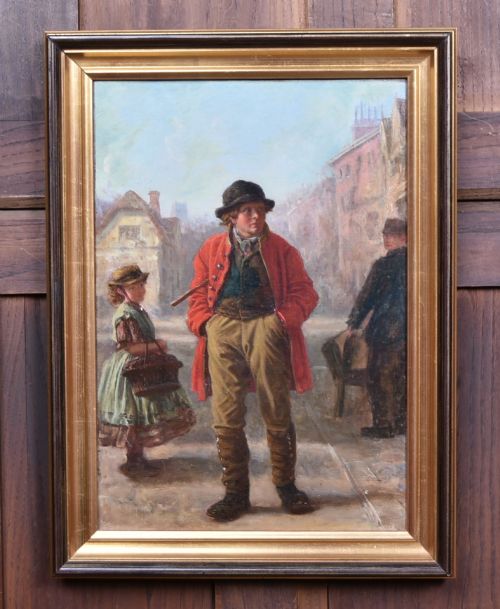
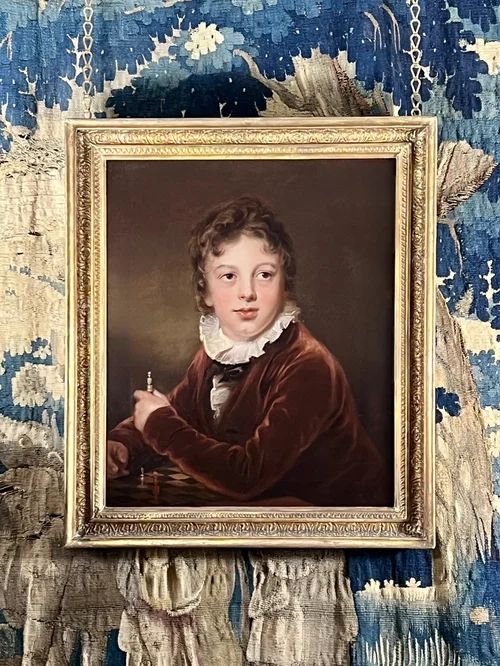
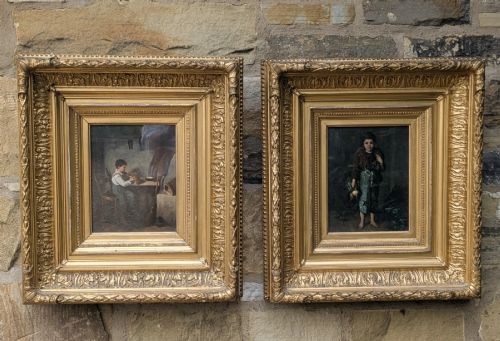
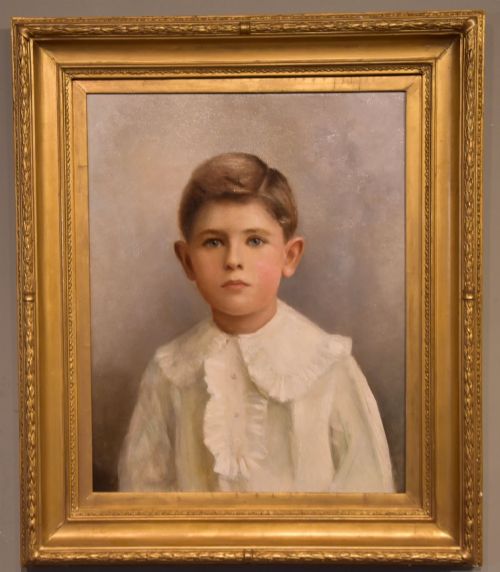
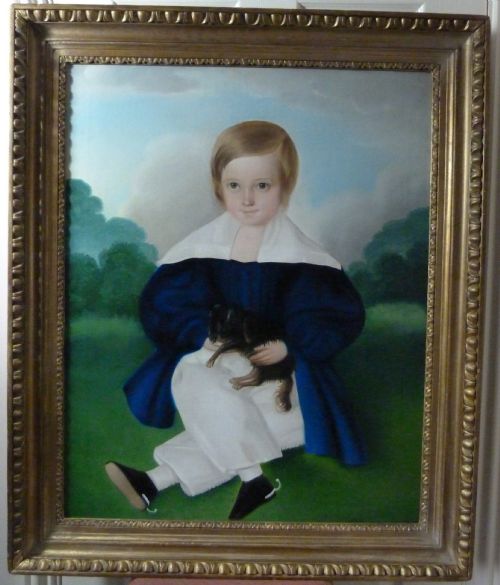
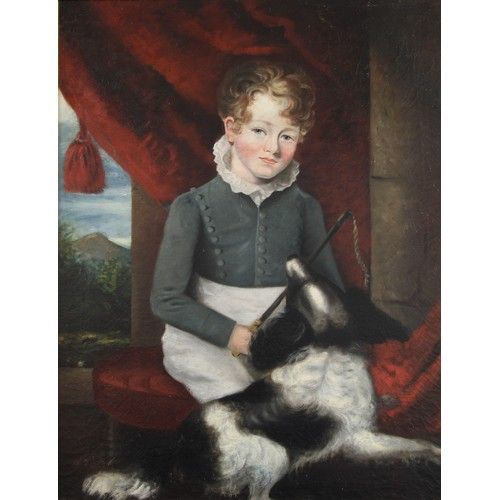
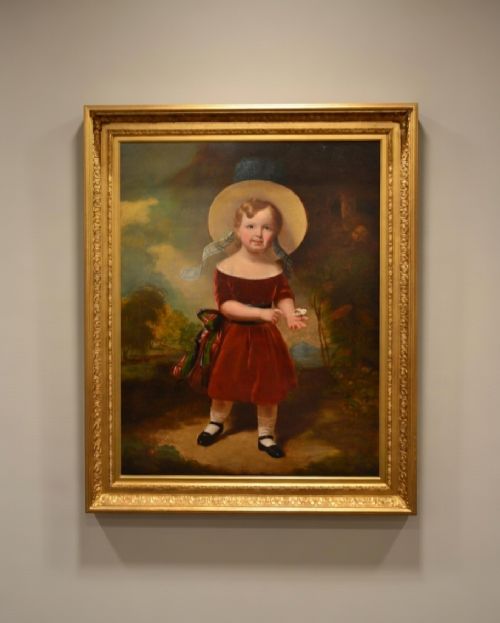
A victorian boy oil painting depicts young subjects either alone or alongside animals, books, and household objects, reflecting nineteenth-century life. These works range from formal studio portraits to provincial genre scenes showing children with dogs, birds' nests, or hunting gear.
The selections span the nineteenth century, touching upon Regency elegance through to later Impressionist and provincial interpretations. Canvases often portray subjects engaged in quiet study, play, or companionship with pets.
How They Were Made
Artists built these images using oil paint applied to stretched canvas, often working within wooden frames adorned with gesso and gilt. The interaction of oil pigments allowed for gradual blending of flesh tones and fabric textures.
Frames frequently combine carved wood and giltwood surfaces, providing the structural boundary and decorative finish characteristic of the period's framing traditions.
Victorian Boy Oil Painting Retail Price Guide 2026
Typical asking prices for victorian boy oil painting among the pieces listed under this phrase on Sellingantiques today, from the lower quarter to the upper quarter. They describe what is for sale here now, not the wider market.
Several young subjects share their canvas space with unexpected companions, from hunting dogs to startled figures tapping barrels.
What Varies in Quality
The skill of the brushwork distinguishes professional academy productions from naive provincial pieces, showing in the anatomical accuracy of the hands and face. Handling of light and shadow across fabric and skin determines the depth achieved within the composition.
Framing integrity and canvas preservation also set individual examples apart, as original giltwood settings contribute to the overall integrity of the piece.
Margaret Sarah Carpenter·Henry Windsor Fry·John Arthur Lomax·Paul Jones·Robert Macaulay Stevenson·Henry Scott·Geisler Munchen
The Victorian Boy Oil Painting Glossary
- Oil on Canvas
- Pigment suspended in a drying oil medium applied to a woven fabric support. This combination permits subtle colour blending and textured impasto work.
- Giltwood
- Wood carved and coated with a thin layer of gold leaf or metallic powder. It provides a reflective, ornate border for the painted surface.
- Genre Realism
- Art depicting scenes from everyday life with a focus on realistic detail. These works record ordinary human activities without idealisation.
- Gesso
- A plaster-like mixture applied to wooden frames as a base before gilding. It creates a smooth, receptive ground for subsequent decorative layers.
- Impressionist
- A style focusing on the visual impression of the moment, employing visible brush strokes and unblended colour. It prioritises light and atmosphere over rigid finish.
Victorian Boy Oil Painting: Frequently Asked Questions
How do I date a painted portrait?
Dating relies upon costume details, hair styling, and the framing construction typical of the period. Pigment analysis and canvas stamps can offer further chronological clues.
Secondary evidence such as artist signatures or recorded exhibition histories helps narrow down the exact decade of production.
What subjects appear with the children?
Portraits frequently include domestic animals like dogs and setters, alongside educational items such as books or recreational objects like birds' nests.
These additions often provide symbolic meaning or reflect the actual daily environment of the sitter.
Are these works signed by the artist?
Some canvases bear legible signatures, monograms, or dates inscribed directly into the wet paint or noted on the stretcher bars. Others remain unattributed or assigned to regional schools based on stylistic traits.
Anonymous pieces are common, particularly among provincial works produced outside major urban academies.
How should I clean an old canvas?
Surface dust can be removed gently with a soft, dry brush by someone experienced in textile care. Solvents and moisture should be avoided to prevent damage to the delicate pigment layers.
Professional conservators should handle any deep cleaning or varnish removal to protect the integrity of the paint.